Last updated November 17, 2026

Free written scope consultation - allowances, timeline, and change-order rules on paper before a single trade is scheduled
How Long Does Driveway & Pavers Take? Timelines and What to Expect
A 600-square-foot paver driveway takes a two-person crew roughly 16 to 20 hours of actual labor. But the calendar from signed quote to final sweep is usually 6 to 10 weeks in Santa Rosa, and almost none of that gap is shoveling. Permit lead time, base material cure, crew scheduling, and driveway complexity set the real timeline. This guide separates calendar time from labor time so you can plan around both, price the job honestly, and read a contractor’s schedule the way you read a quote.
Quick Answer
Paver driveway installation takes 2 to 4 days of on-site labor for a standard 600-square-foot driveway, but the full project start-to-finish runs 6 to 10 weeks in Santa Rosa once permits, material lead times, and crew scheduling are counted. Permitting alone can add 3 to 6 weeks, and the physical work is the shortest part of the job.
Styles & brands we work with
- Kitchen remodeling
- Bathroom remodeling
- Home additions & ADU
- Roofing
- Windows & doors
- Driveway & pavers
- Fence
Table of Contents
- Labor Hours by Phase: Where the Time Actually Goes
- Calendar Time vs. Labor Time: The Four Variables
- Santa Rosa Permit Timelines: Over-the-Counter vs. Plan Check
- Material Lead Times for Paver Selections
- Sonoma County Weather Windows and Base Compaction
- What Makes a Driveway Simple or Complex
- Reading a Written Project Schedule
- Common Mistakes to Avoid
Labor Hours by Phase: Where the Time Actually Goes
Most homeowners ask “how long does it take” and get a range that hides the answer. We break it down by phase instead. For a standard 600-square-foot driveway – roughly two cars wide by three cars deep – here is what the hours look like on a two-person crew.
Demolition and haul-off: 4 to 6 hours. That’s breaking out the old concrete or asphalt and loading it into a dumpster or truck for disposal.
Excavation: 3 to 5 hours. The crew digs down to subgrade, removing soil and roots to reach the depth the base requires. Clay-heavy soil in parts of Santa Rosa slows this phase.
Base installation in lifts: 4 to 6 hours. Crushed stone base goes in 2-inch layers, each one watered and compacted before the next. You cannot skip lifts – a single thick pour of base won’t compact to the density pavers need.
Paver placement: 5 to 8 hours. Cutting edge restraint, screeding the bedding sand, laying pavers in the pattern, and making cuts at borders and curves.
Finishing: 2 to 3 hours. Polymeric sand in the joints, plate compaction across the field, cleanup, and a final check of the slope toward drainage.
Total: 18 to 28 hours of hands-on labor, typically spread over 3 to 4 working days. A two-person crew does the standard job. Complex patterns, tight site access, or extra square footage add crew and time.
Calendar Time vs. Labor Time: The Four Variables
Here is the number the estimate should show but usually doesn’t: the 16 to 20 hours of labor lives inside a 6 to 10 week calendar. Four variables set that wider window, and only one of them is the crew’s hands.
- Permit lead time. Santa Rosa requires a permit for most driveway work that touches right-of-way or alters drainage. That can run over-the-counter in days or queue in plan check for weeks.
- Base material cure and compaction scheduling. Each lift of base needs time to settle and compact. Rushing lifts to save days costs you cracks and settlement within two years.
- Crew size. A two-person crew handles a standard job. Pattern work or a curved apron may need a third person added to the schedule, and crew availability is a real constraint, not a sales tactic.
- Driveway complexity. Straight runs with a simple rectangular layout move fast. Herringbone patterns, multiple border cuts, and tight side yards add hours and sometimes days.
In our experience, homeowners budget for the labor and get blindsided by the calendar. The schedule you sign should show both. Under Clause 1 of the Haven Standard, we put the written price and written scope in place before anyone starts, and the project schedule is part of that document, not a verbal afterthought.
Santa Rosa Permit Timelines: Over-the-Counter vs. Plan Check
Permitting is where most of the hidden calendar time hides. Two paths exist, and they look very different.
Over-the-counter (OTC) approval applies to simple driveway projects: like-for-like replacements, minor widenings, and work that doesn’t change drainage patterns or touch the public right-of-way. An OTC permit can move through the counter in a single visit when the plans are complete and the scope is clean.
Plan check is the longer road. Projects that trigger stormwater review – often called C.3 review in Sonoma County – go into a queue that currently runs 3 to 5 weeks, sometimes longer in a busy season. Stormwater review is triggered when a project adds or replaces a certain amount of impervious surface, or when drainage changes could send more runoff off-site. A driveway is impervious surface by definition, so this is a live risk on larger or re-contoured jobs.
The practical takeaway: figure out which path your project takes before you sign a schedule. A contractor who quotes you a start date without knowing whether you’re OTC or plan check is guessing. Ask directly. And look at the top-level partner page for how we sequence a driveway & pavers project in Santa Rosa from permit through final inspection.
Material Lead Times for Paver Selections
Material availability splits into two categories, and the difference can add weeks to an otherwise fast job.
Standard concrete pavers from major manufacturers like Belgard and Tremron – think the common gray, tan, and charcoal blends in standard sizes – are usually available next-day or within a few days from local distributors. These are the pavers you see on the majority of Santa Rosa driveways, and they’re the reason a simple job can move quickly once permits clear.
Natural stone and less-common selections run longer. Natural travertine and tumbled bluestone typically take 2 to 4 weeks from local distributors because they aren’t stocked in the same depth. Uncommon colors, custom patterns, and large-format pavers fall into the same category. If your heart is set on a stone that isn’t on a warehouse floor nearby, the calendar bends.
Two rules keep this from becoming a surprise:
- Confirm the specific paver line, color, and quantity are in stock or scheduled with a firm delivery date before the project start is committed.
- Build a material delivery milestone into the written schedule. “Waiting on material” and “waiting on the inspector” are normal milestones, not red flags – but they belong in the plan in writing, not delivered as a phone apology.
Belgard and Unilock both publish local availability guidance, and our sourcing depth across dozens of vetted brands lets us quote an honest number early rather than discovering a lead-time problem after the deposit clears.
Sonoma County Weather Windows and Base Compaction
Base compaction in saturated soil is unreliable. That single sentence determines most Santa Rosa scheduling between October and April.
A compacted gravel base holds its density because the particles lock together at the right moisture content. Push a plate compactor over soil that’s been rained on for a week and you get movement underneath, not density. Pavers laid on a base that wasn’t compacted properly settle, heave, and crack within a season or two. So the crew has to wait out wet soil, or the project risks the whole investment.
The practical window in Sonoma County runs April through October. Projects started after October 15 risk hitting the wet season mid-build, and a base that’s half-compacted when the rains arrive is a liability. If a contractor offers to start base work in late November without a plan for weather holds, ask how they’ll protect the open excavation.
The best schedule accounts for this the way a good roofer accounts for rain. It builds a decision point into the calendar: if the soil is dry and the forecast holds, we compact. If not, we hold and resume when the ground is workable. That’s not a delay – it’s the phase the driveway depends on.
We’ve seen spring failures on driveways across Santa Rosa where a wet-season base gave way under the first big rain. The failure isn’t pavers. It’s a base that never got compacted the way it needed to.
What Makes a Driveway Simple or Complex
Square footage alone doesn’t determine timeline. Complexity does. Here’s how the same 600 square feet can span two very different schedules.
Simple: straight rectangular layout, single paver size, standard color, decent site access, flat grade, no drainage re-contouring. A two-person crew finishes in 3 to 4 days of work.
Complex: herringbone or fan patterns, multiple border cuts, curved apron, tight side-yard access that requires wheelbarrow hauling instead of a skid steer, a slope that needs stepped retaining, drainage tied to new or existing French drains. Add crew, add days.
Complexity lives in the details:
- Access. If a machine can’t reach the excavation, everything moves by hand. That can double the labor hours on removal and base work.
- Drainage. Driveways slope. If existing drainage runs toward the house or garage after installation, that’s a problem – so a complex job may include re-contouring the grade, which triggers more excavation and more base.
- Pattern and cuts. Herringbone takes more cuts than a straight running bond. Cut time is careful, skilled labor and it doesn’t compress.
- Existing utilities. Water, sewer, and irrigation lines crossing under the driveway need to be located and protected. That is a known step, but the discovery of a surprise line still adds hours.
If you’re comparing a driveway alongside other hardscape or exterior work, our Rowan Construction Group Santa Rosa home page lays out how we sequence multiple exterior projects so one crew’s hold doesn’t stall another job.
Reading a Written Project Schedule
A written schedule separates a professional from a voice on the phone. When you review yours, look for these milestones.
- Permit issuance date. A dated milestone, not “soon.” If the schedule shows plan check, it should show the expected approval window.
- Material delivery date. Tied to the specific paver line and quantity. This is where lead times live or get hidden.
- Mobilization date. When the crew and equipment arrive on site.
- Base completion and compaction sign-off. The point where excavation, base lifts, and compaction finish before pavers start.
- Paver placement and finishing dates. Usually two to four working days for a standard job.
- Inspection milestone. If permits and inspections apply, the final inspection is scheduled, and the project closes on the inspector’s sign-off, not the crew’s.
- Change order protocol. No work proceeds on a change until the change order is signed. That line protects both the buyer’s number and the timeline.
Expect “waiting on material” and “waiting on the inspector” to appear. Both are legitimate milestones. The difference between a project that stays on track and one that drifts is whether those milestones were in the schedule in advance, and whether the crew communicates a slip before it becomes a surprise. Our documented photo record on every visit includes the base, the compaction, and the finished grade – evidence, not promises.
If your driveway work happens alongside fencing or an addition, the same discipline applies. The fence installation in Santa Rosa page and the home additions & ADU in Santa Rosa page show how each project’s permit and material path runs on its own clock, which is why exterior work done together needs a master schedule.
Common Mistakes to Avoid
- Scheduling the start date before the permit path is confirmed. If you don’t know whether you’re OTC or plan check, you don’t have a start date. You have a hope.
- Choosing an uncommon paver before checking lead time. A travertine or bluestone specification that takes 3 to 4 weeks to arrive can push past your weather window, so confirm availability before finalizing.
- Starting base work after mid-October without a weather plan. Saturated soil won’t compact, and there’s no trick around it. If you can’t protect the open excavation, wait for spring.
- Accepting a verbal schedule instead of a written one. A timeline that lives in someone’s head is not a schedule. Ask for milestones in writing before deposit.
- Rushing the base to save days. The base is the expensive part to fix later. Lifts, water, and compaction are not where you cut.
- Skipping permits to save a few weeks. Unpermitted driveway drainage can surface years later at resale or when a neighbor’s lot floods. It’s never been worth it in the long run.
- Ignoring the change order discipline. If a contract lets the crew proceed on a change without a signed order, your written price is a suggestion, not a promise.
See the difference
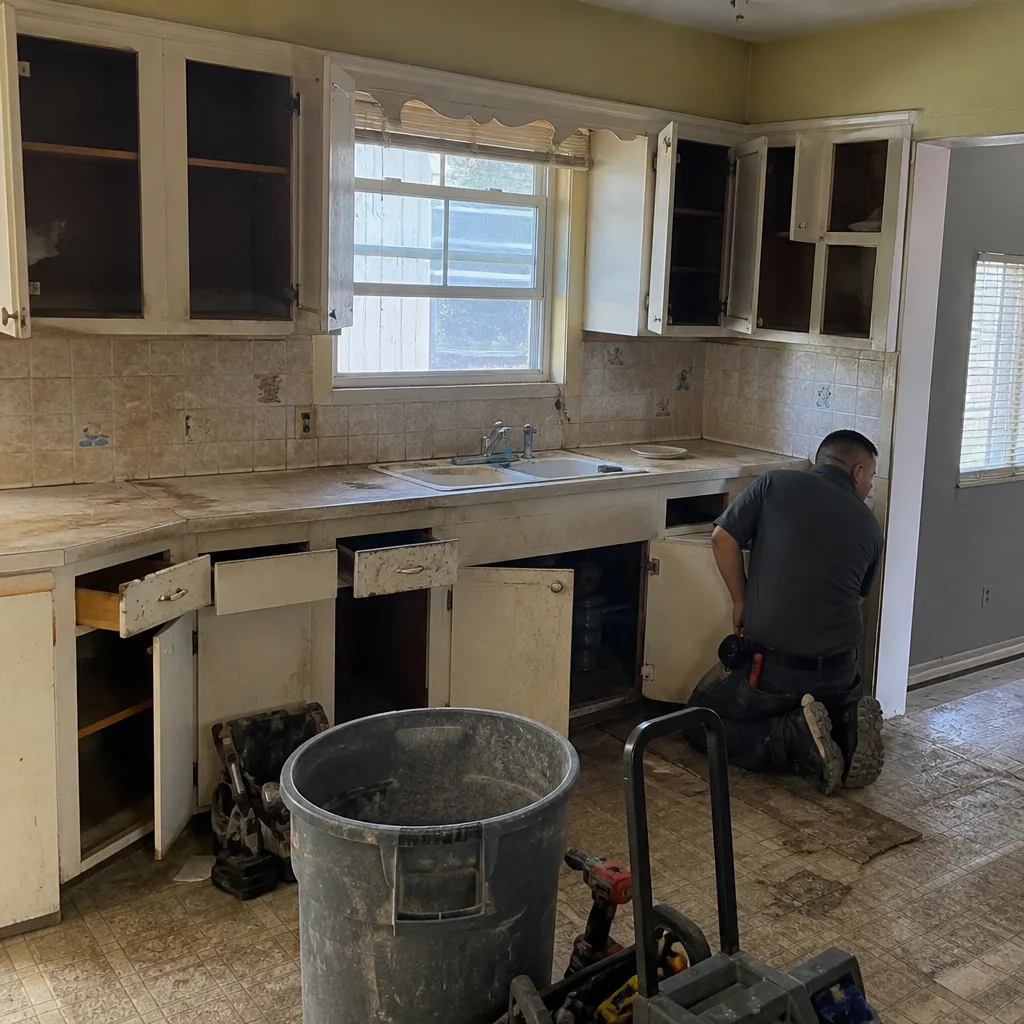 Before
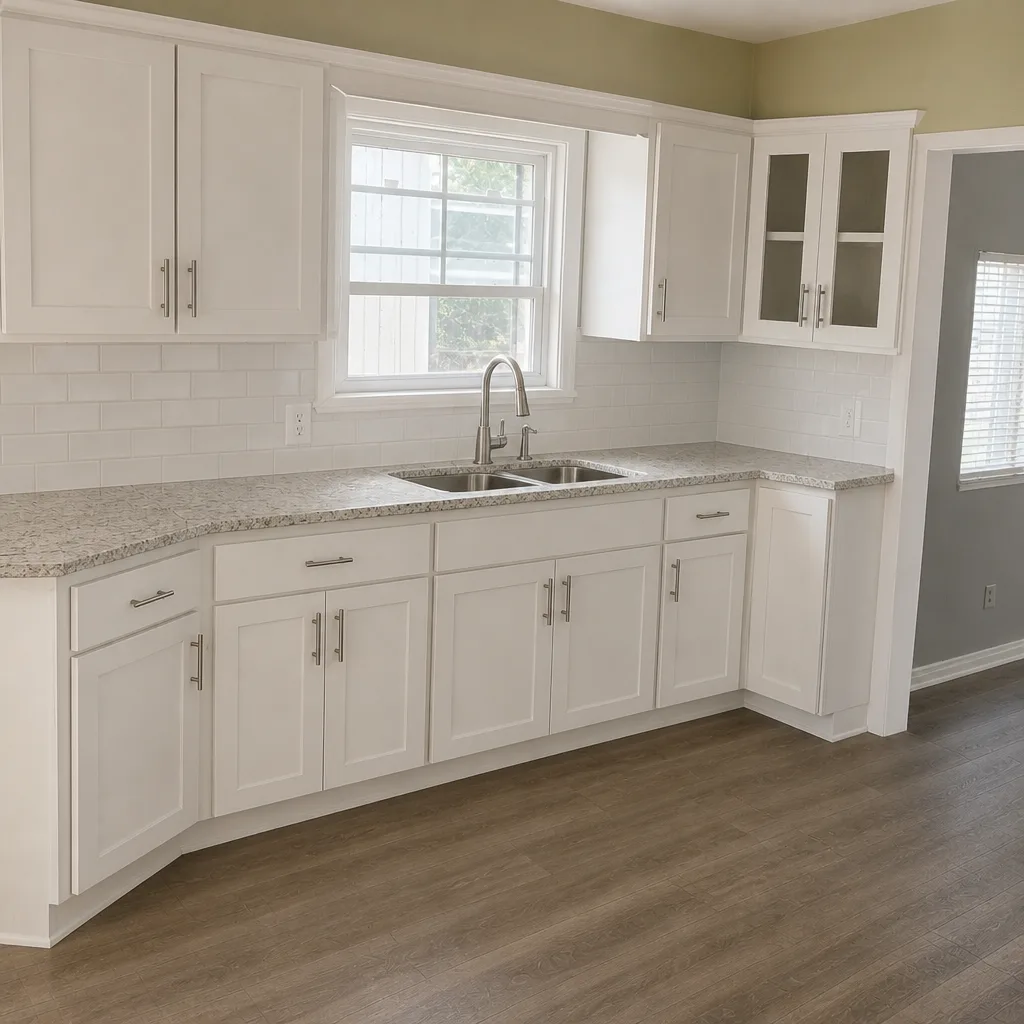 After
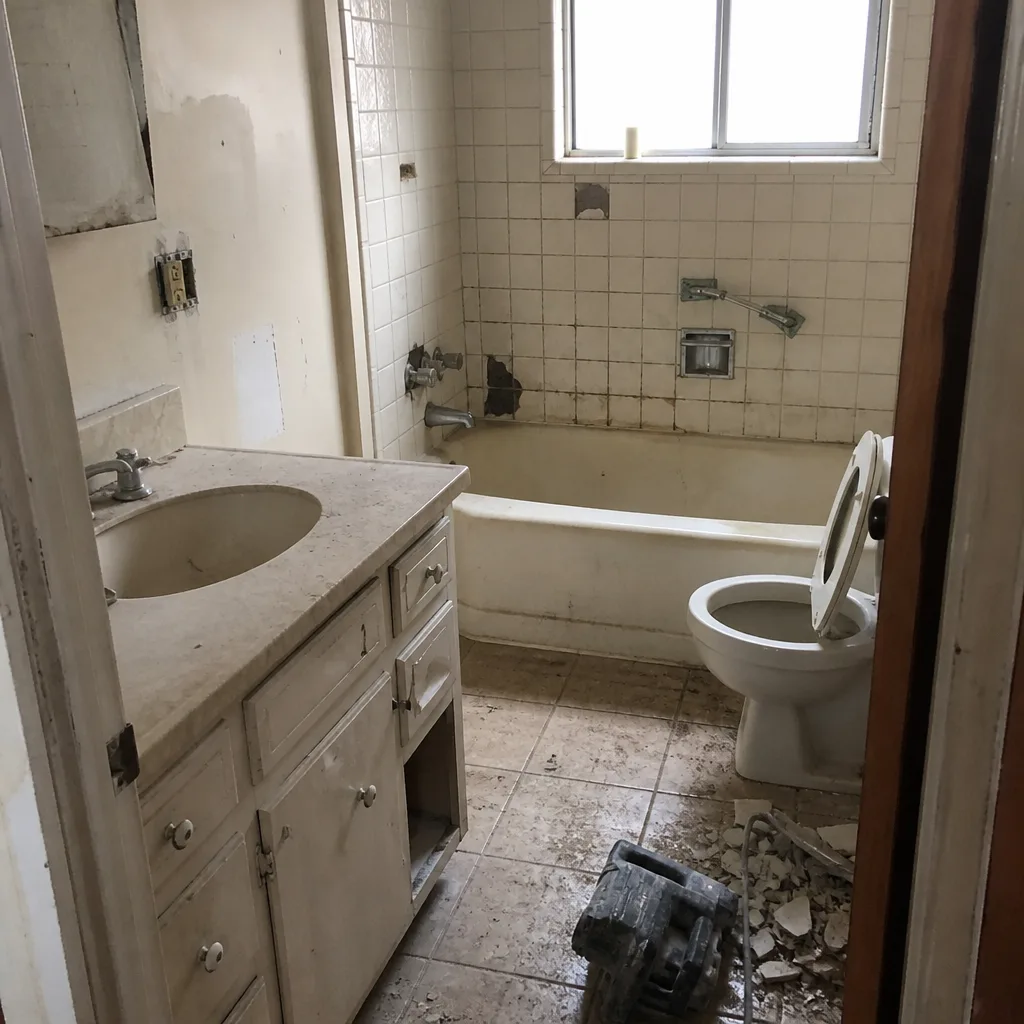 Before
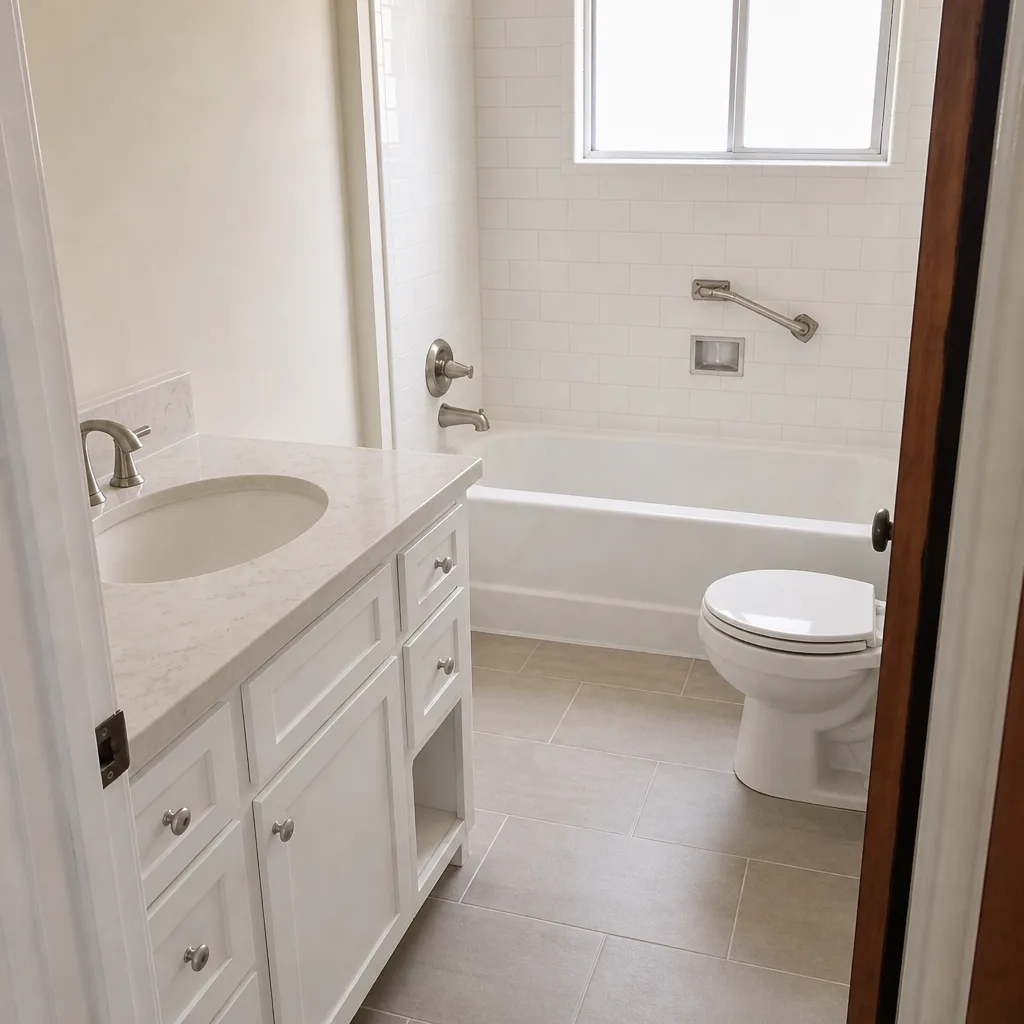 After
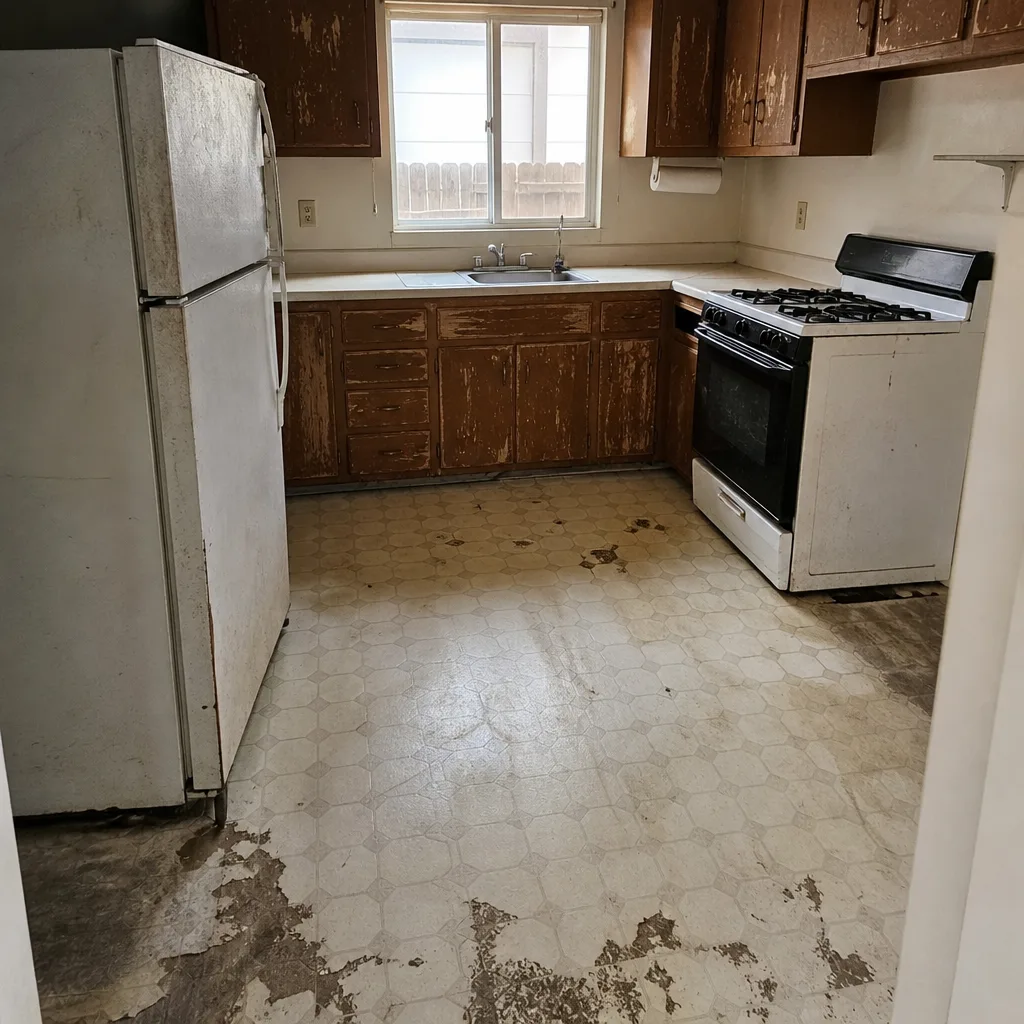 Before
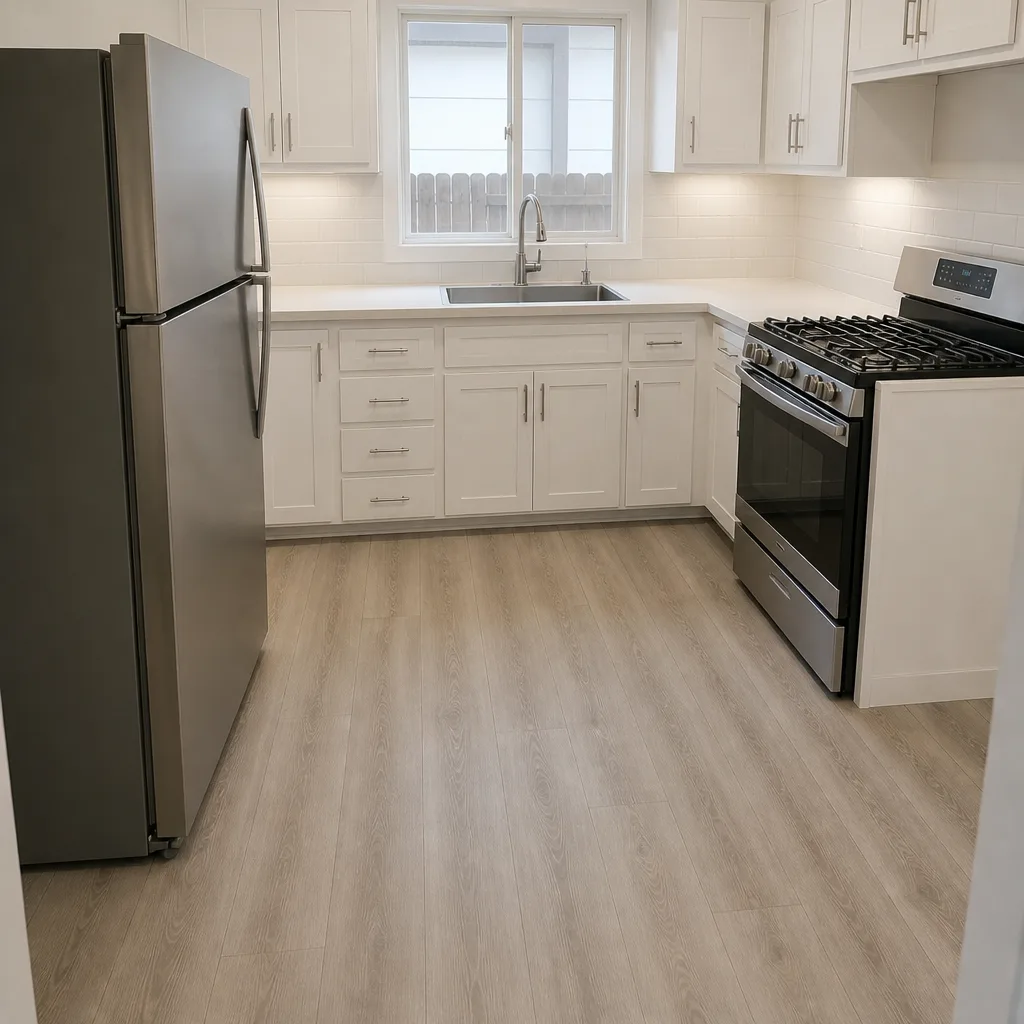 After
When to Call a Professional
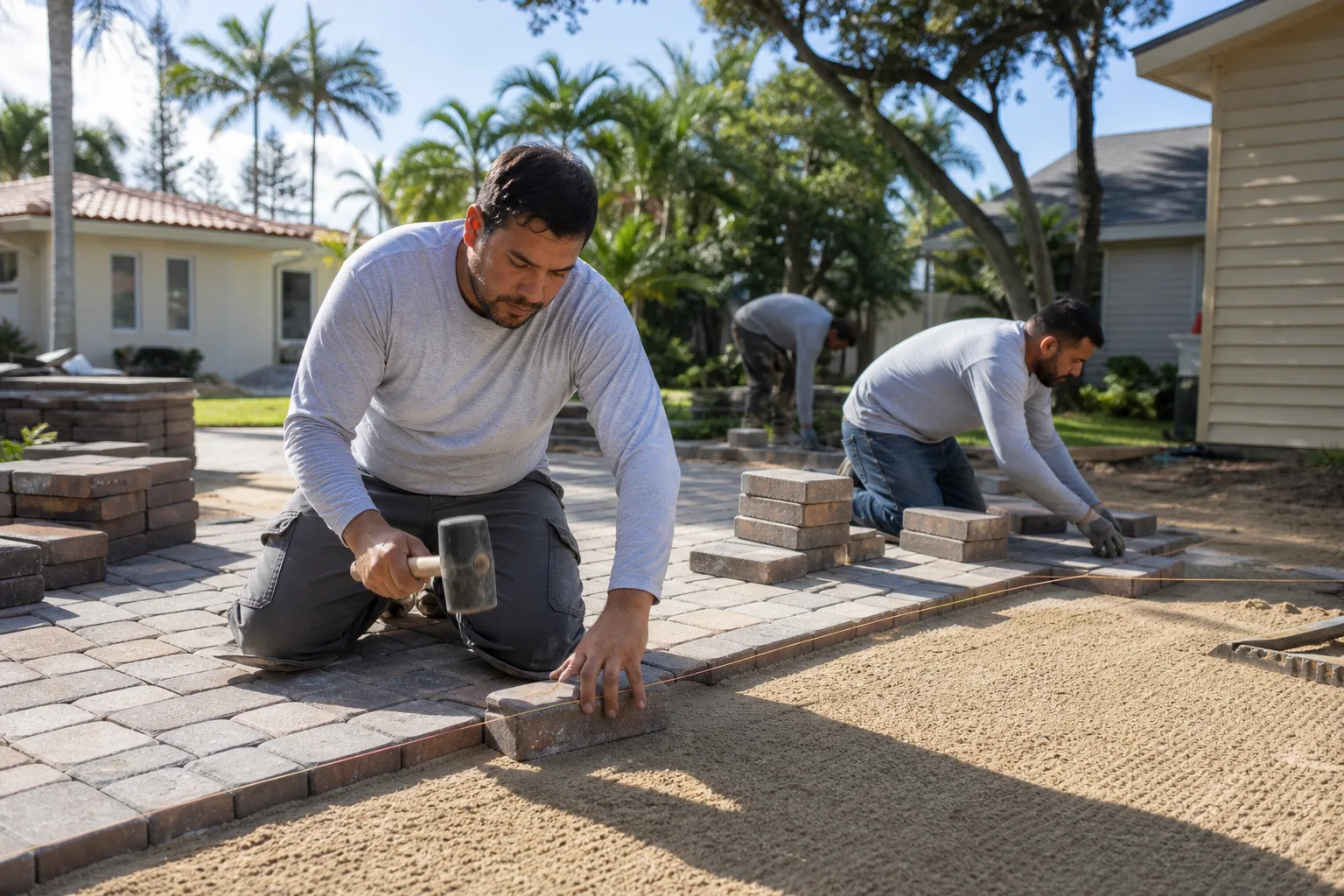
Paver driveways sit at the intersection of permitting, drainage, and heavy material handling. If your project involves a new driveway, a change in grade, drainage tied to the house, or right-of-way work, the permit path alone means working with a contractor familiar with Santa Rosa’s process. Other good reasons to call: an existing driveway that’s heaving or cracking at the borders (usually a base failure), a tight site access that requires equipment planning, or any job where you want a written schedule you can hold someone to.
Small paver patios and simple replacements are sometimes a DIY project. But base, drainage, and compaction are where DIY driveways fail, and there’s no warranty to fall back on. Rowan Construction Group Santa Rosa offers free estimates in Santa Rosa – call (833) 842-1866. If you already have a competitor’s quote, our free second opinion reviews it line by line at no charge.
Frequently Asked Questions
Labor time is 2 to 4 days for a standard 600-square-foot driveway, but the full calendar runs 6 to 10 weeks once Santa Rosa permitting, material lead times, and weather windows are counted. Permitting alone can add 3 to 6 weeks depending on whether the project clears over-the-counter or goes into plan check. Call (833) 842-1866 for an exact schedule and pricing for your site – estimates are free.
Yes for most driveway projects, especially any work touching the public right-of-way or altering drainage. Simple replacements often clear over-the-counter, while projects that trigger stormwater review go into a plan-check queue that currently runs 3 to 5 weeks. A written quote should state which path applies before any work is scheduled – ask for it in writing.
Pricing depends on square footage, paver selection, excavation depth, and site access, and it’s driven more by the base and drainage work than the pavers themselves. Rather than quote a range that ignores your site, we put a flat written price in front of you before any work starts. Call (833) 842-1866 to schedule your free estimate and get the actual number.
Base work pauses if the soil gets saturated, because compaction on wet ground is unreliable and a half-compacted base causes settlement within a season or two. The crew holds base and compaction work until the ground is workable, and a written schedule should build that weather decision point into the calendar. Reputable crews plan for Sonoma County rain, not around it.
It’s risky after October 15. The optimum window is April through October, when soil is dry enough to compact to spec. A winter start can work only if the base is already complete and protected or if the schedule accounts for a weather hold. If a contractor offers a late-November start without discussing base protection, ask them how they plan to handle wet soil.
Not if you work with a contractor who writes a flat price and a written scope before work begins and doesn’t proceed on a change until a change order is signed. That administrative discipline is the reason our projects finish within a few percent of the agreed cost. Any contractor refusing to commit a number in writing isn’t giving you a quote – they’re giving you an opening.
The Bottom Line
Paver driveway installation takes roughly 16 to 28 hours of hands-on labor for a standard 600-square-foot job, but the project calendar runs 6 to 10 weeks in Santa Rosa once permitting, material lead times, base compaction scheduling, and weather are counted. Permits can add 3 to 6 weeks. Uncommon stone pavers add another 2 to 4 weeks. Wet-season starts after October 15 risk a base that never compacts. A written schedule with real milestones – permit date, material delivery, base sign-off, inspection – is the difference between a project that lands on time and one that drifts. Call (833) 842-1866 for a free estimate and a written price before any work starts.
Written by the team at Rowan Construction Group Santa Rosa.