Last updated November 17, 2026
Free written scope consultation - allowances, timeline, and change-order rules on paper before a single trade is scheduled
How Long Does Fence Installation Take? Timelines and What to Expect
A 150-foot cedar fence in Santa Rosa takes roughly two days to install and up to three weeks to actually finish. The gap between those numbers is paperwork, concrete, and a 48-hour utility-locate wait that most quotes never mention on the front end. If you’ve been told “we’ll be done in a week,” the week was probably counted from the day the crew shows up, not from the day you signed. This guide breaks fence installation into the four phases that actually drive your calendar – permit, utility locate, concrete cure, and panel installation – with realistic day counts for each, what fence type changes the pace, and the one mistake we see most often in the North Bay that sends jobs back to the starting line.
Quick Answer
A typical residential fence installation takes 2 to 6 weeks from signed contract to final walkthrough: 1 to 3 weeks for permits (less if your fence is under the height threshold and outside any HOA review), at least 48 hours for the 811 utility locate, 24 to 72 hours for post concrete to cure, and 1 to 3 days on site for the actual installation depending on fence type and run length. In Santa Rosa, where most backyard fences fall at or under six feet, a straightforward replacement on flat ground with no old fence removal commonly finishes in about two weeks total.
Styles & brands we work with
- Kitchen remodeling
- Bathroom remodeling
- Home additions & ADU
- Roofing
- Windows & doors
- Driveway & pavers
- Fence
Table of Contents
- The Four Phases of a Fence Installation
- Phase 1: Permits and HOA Review in Santa Rosa
- Phase 2: The 811 Utility Locate
- Phase 3: Post Concrete Cure
- Phase 4: Panel Installation Day by Day
- How Fence Type Changes the Schedule
- Slope, Rock, and Demo: What Adds Days
- What a Signed Project Schedule Looks Like
The Four Phases of a Fence Installation
Most fencing schedules are built backwards from the wrong starting point. Homeowners picture the crew in the yard; contractors sometimes quote from the day the crew arrives. The honest timeline runs from the moment you sign, and it passes through four phases in a fixed order.
- Permit and HOA review. Sonoma County and the City of Santa Rosa set height and setback thresholds that determine whether your fence needs a building permit. HOA overlays can add a second approval layer.
- 811 utility locate. California law requires you to notify the regional notification center before digging. The free service owns a 48-hour minimum window, and that’s business hours, not calendar hours.
- Post concrete cure. Posts set in concrete need time before panels go up. Short of that cure, panels load the posts before the mix has gained strength, and the whole run shifts.
- Panel installation. This is the phase everyone thinks of as “the job,” and it’s usually the shortest one. A 200-foot run of standard panels is often a 1 to 3 day affair.
The reason this order matters: only phase four belongs to the installation crew in any meaningful way. Phases one through three belong to the permit office, the utility locators, and chemistry. When a project runs long, it’s almost always because someone compressed the upstream phases to promise a faster finish. In our experience across Santa Rosa properties, quoting from the sign date and showing each phase as a dated milestone is what keeps a fence schedule honest.
Phase 1: Permits and HOA Review in Santa Rosa
Whether your Santa Rosa fence needs a permit depends mostly on height and location. As a general rule, a fence up to six feet tall in a rear or side yard is treated as an ordinary property-line improvement; anything over six feet, or a fence in a front setback or on a corner lot, usually triggers additional review. Fence height is measured from finished grade, which matters on sloped Santa Rosa lots where the “six-foot” fence on the downhill side can read closer to seven feet.
What you’ll see in calendar days, roughly:
- No permit, no HOA: 0 to 3 days. Fastest path, common for like-for-like replacement of an existing fence at the same height and location.
- HOA architectural review only: 1 to 3 weeks. HOAs typically meet monthly or biweekly, so an approval can sit idle waiting for the next meeting regardless of how fast you submit.
- City or county building permit: 2 to 4 weeks for a simple fence, longer if the parcel has an easement or the fence borders open space. Santa Rosa’s permitting portal accepts online submissions, which trims a few days off the old paper process but doesn’t change the review queue.
- Both HOA and permit: Run them in parallel, not in sequence. 3 to 5 weeks is realistic.
Two Santa Rosa-specific wrinkles to know. First, if your property backs onto a creek or drainage channel, the fence may fall in a protected zone that requires extra review; the setback from the top of bank is worth confirming before you buy a single post. Second, if you’re on a hill in Rincon Valley or Bennett Valley, plan review may ask for engineering on retaining or terraced fence sections above a certain height. We’ve seen this add a week to an otherwise routine job. None of it is unusual, but all of it needs to be on the schedule before you sign. For related work on the same lot, our guide to Driveway & Pavers in Santa Rosa covers the separate excavation permit picture for hardscape.
Phase 2: The 811 Utility Locate
Before anyone digs a posthole, you submit a free request to 811, California’s underground utility notification service. The utility companies then have a 48-hour window, counted in business hours, to mark their lines. Submit on a Friday afternoon and the clock may not effectively start until Monday. That’s why a job quoted as “postholes Monday” can slide to Wednesday for reasons that have nothing to do with your contractor’s crew.
The locate matters for more than schedule. A post driven through a gas service line or the main electrical feed to your house is a genuine safety event, not a scheduling inconvenience. Several fencing runs on older Santa Rosa lots also cross private irrigation lines or old septic laterals that 811 won’t mark – only you know about those. Tell your contractor where your sprinkler valves and any septic caps sit before layout day.
A few practical notes that protect the schedule:
- Submit early. The locate request should go in as soon as the fence line is set, not after the crew arrives.
- Locates expire. A mark is good for a limited window. If permits stalled for three weeks, the locate may need to be resubmitted.
- Expect private-line handling. If there’s a private utility on the property, the contractor or a private locator must handle it separately, and that’s extra time on schedule.
We treat the locate as a hard gate: no digging until marks are confirmed and photographed. That discipline is part of how Rowan runs every trade, and it’s why a documented photo record on each visit is standard on our jobs rather than an add-on. On a fence, those photos show exactly where the marks sat relative to each post – a record worth keeping.
Phase 3: Post Concrete Cure
Here’s where more North Bay fence jobs go wrong than at any other step. Posts set in concrete need to cure before they carry panel weight. Pour the mix too wet, set posts too shallow for the soil, or hang panels the next morning, and the posts will shift under load. The fence may look fine at handover and go out of line within a season.
Realistic cure windows:
- 24 hours: The minimum for light handling, and the absolute floor. Only appropriate with a fast-setting mix and stable, well-drained soil.
- 48 to 72 hours: The standard window for conventional concrete in Santa Rosa’s typical clay-loam soils. This is where we plan most jobs.
- Longer: If the soil is saturated from winter rain, if the mix was poured into standing water, or if posts are oversized or carrying a heavy gate, add a day or two.
Santa Rosa’s wet season runs roughly November through March, and that changes what “cure” means. A post set in dry September soil reaches strength on a predictable curve; a post set in a saturated December hole is fighting for both set and stability, and the hole often needs to be over-dug and drained before the pour. If you’re fencing in January, build an extra two or three days into the phase-three window and don’t let anyone tell you the concrete “sets the same in winter.” It doesn’t.
The chemistry aside, this phase is the one worth being strict about. Under the Fence Installation in Santa Rosa scope we write, the cure window is a dated line item on the schedule, not an assumption – and the days between pour and panels are the days most likely to be quietly cut by a crew trying to please you.
Phase 4: Panel Installation Day by Day
This is the visible phase, and it usually runs faster than homeowners expect. A typical Santa Rosa job of 150 to 200 feet proceeds roughly like this:
- Layout and marking (1 to 2 hours). String line, post spacing, gate openings confirmed. On a 200-foot run, post spacing works out to a post roughly every six to eight feet depending on fence type.
- Posthole digging and setting (1 to 2 days). Daylighted augers for standard soil; hand digging or rock bars where Santa Rosa’s volcanic rock and old concrete footings show up.
- Cure window (24 to 72 hours). Covered above – the phase most likely to be rushed.
- Rails and panels (1 day). Rails run first, then panels. This is the fastest and most visible day – a crew with good layout can hang a full 200-foot privacy run in one long day.
- Gate hang and hardware (2 to 4 hours). Gates are the fussiest part of the job. A gate out of square by a quarter inch drags, and the fix is adjustment, not force.
- Cleanup and walkthrough (1 to 2 hours). Old material hauled out, site swept, final walk with you.
So a straightforward install day count is 2 to 4 days on-site, of which the cure window is most of the calendar gap. For comparison, a same-length Home Additions & ADU in Santa Rosa project runs months, not days – fence work is one of the few construction trades where the calendar is measured in weeks and the crew time in days.
How Fence Type Changes the Schedule
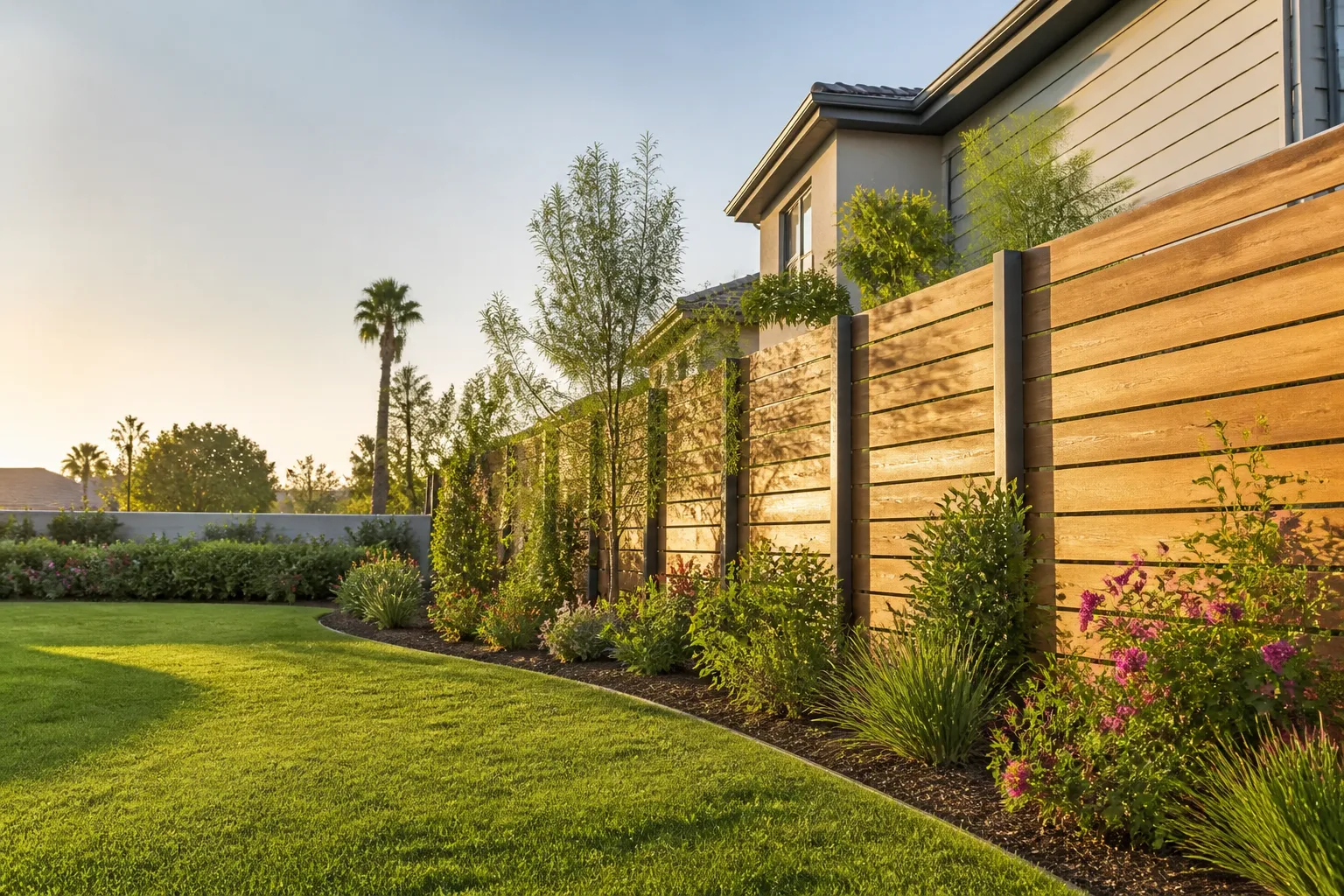
The fence material you choose changes the pace more than any other single factor. A 200-foot vinyl privacy fence installs noticeably faster than the same run in cedar because vinyl panels come pre-assembled to fixed dimensions and set in a single pass. Cedar boards go up one at a time, with individual spacing and level checks between boards, and that’s roughly 30 to 50 percent more labor time on the panel phase.
Rough comparison for a 200-foot privacy run:
- Vinyl privacy: 1 to 1.5 days for panels after cure. Fastest. Panels are modular, posts are often steel-reinforced, and there’s no board-by-board alignment.
- Cedar privacy: 1.5 to 2.5 days for panels. Slower because every board gets set, spaced, and checked against the line, and because cedar boards can be warped when delivered and need sorting.
- Chain link: Under a day. Post and rail geometry is simple and panels tension on in one pass.
- Composite: 1.5 to 2 days. Similar to vinyl for panels but heavier, and some systems require a specific post sleeve that adds layout time.
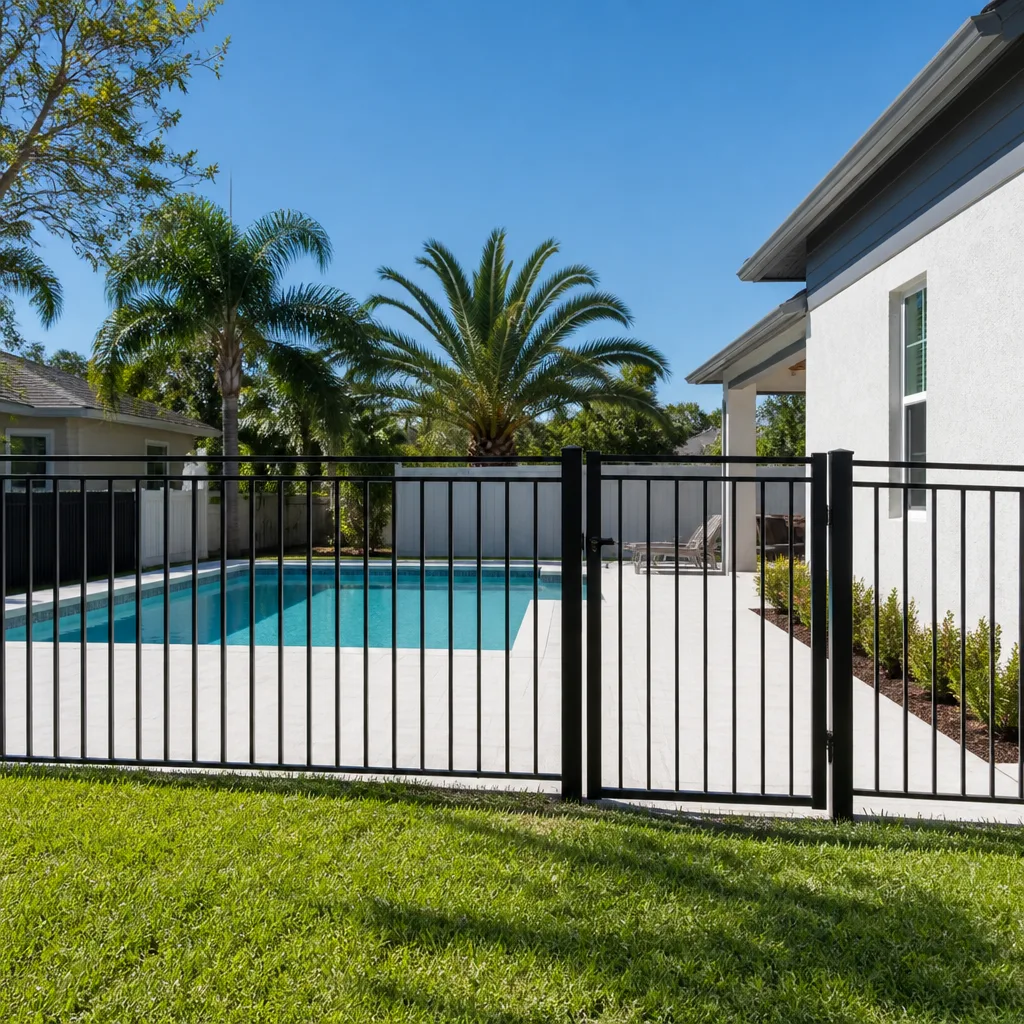
- Ornamental metal: 2 to 3 days. Sections are pre-welded but alignment tolerances are tight and every post is anchored to a footing.
There’s a secondary material effect that’s easy to miss: lead time on the material itself. Basic cedar and standard vinyl are usually in stock at Santa Rosa suppliers. Custom composite colors, non-standard heights, and ornamental metal can carry a 2 to 4 week order lead. That lead time stacks before the install phase, not inside it. If you’re scheduling around a date, ask what stock the supplier is holding before you settle on the design.
Slope, Rock, and Demo: What Adds Days
“It depends” is not an answer. Three site factors reliably add measurable days to a Santa Rosa fence job, and a contractor who’s walked the lot should quote them up front.
- Slope. A flat run sets posts at identical depths and trims each panel to the same height. Every foot of grade change means some combination of stepping the fence, racking the panels, and trimming to a line – roughly 20 to 40 percent more panel time on a lot with more than a few feet of fall. Steep hillside lots in Bennett Valley and the Fountaingrove area often add a full day.
- Rock and buried obstruction. Santa Rosa’s soil includes volcanic rock and old concrete from previous fences, paths, and hot tub pads. One rock in a posthole can turn 15 minutes into 90, and three across a run add a day. The honest way to price it is a per-hole allowance for obstruction time in the written quote, not a hopeful flat number.
- Existing fence removal. Tearing out an old fence is demo, and demo is never free. A well-set post in good concrete comes out cleanly; a rotted post in a full sack of old concrete becomes a slow, dusty dig. Allow half a day for a 150-foot removal and a full day if the old concrete footings are oversized or the old fence has been attached to older posts with embedded hardware. Hauling and disposal adds a trip.
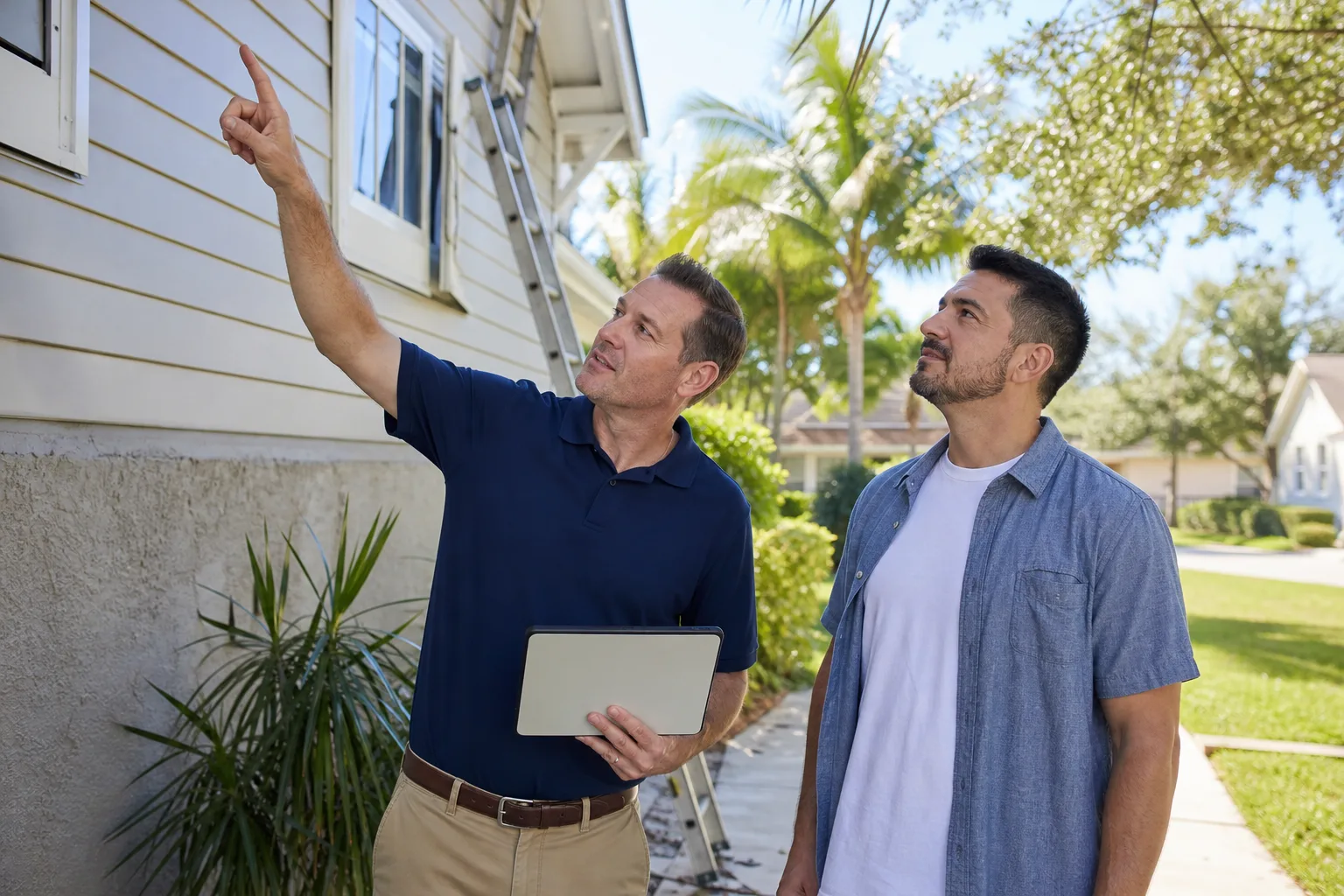
In our experience, the lot inspection is where the difference between a 2-day job and a 4-day job gets found. Anyone quoting from a photo will undercount all three of these. With typical Santa Rosa lots running 100 to 200 feet of fence line, a proper walkthrough is a 30-minute visit that pays for itself in schedule honesty.
What a Signed Project Schedule Looks Like
A written schedule on a fence job has five or six dated milestones, each tied to a trigger. This is the single best artifact to ask any contractor for before signing, because it makes the timing visible.
- Contract signed, deposit paid. Day 0. Scope and price are fixed here. No work proceeds on a change until a change order is signed – that administrative habit is the reason a fence price stays put when a rock shows up, because any extra work gets priced in writing before it happens.
- Permit or HOA submitted. Day 1 to 3. A clear date and, where applicable, the plan-review number. Ask who owns the follow-up if the permitting office comes back with questions.
- Utility locate submitted. Day 1 to 3, run in parallel with permits. Ask the contractor to confirm the 811 ticket number before the crew mobilizes.
- Material ordered. Same window. Confirm lead time in writing, and set a “material on site by” date as the gate for phase four.
- Layout and post set. The first on-site date. This is the one to put on the calendar and hold.
- Cure window end, panel install, walkthrough. Panels go up the day the cure window closes, then a walkthrough and a final invoice. A written warranty is issued here.
What a signed schedule lets you do is stop chasing updates. You know the date posts go in. You know the panel install lags that date by the cure window. If something slips, you know which milestone slipped and whether it’s the permit office, the locator, or the concrete. That’s not a small thing – the polite follow-up call you’ll make to the contractor is much shorter when both of you have the same document in front of you.
For larger property plans where fence sits alongside other projects, everything from the written milestones to the signed change orders runs the same way across trades – see our Rowan Construction Group Santa Rosa home for the full picture.
Common Mistakes to Avoid
- Quoting from the crew’s arrival date, not the sign date. A “3-day job” that takes 18 days from signature feels like a broken promise, even if the crew was perfect. Ask for the full sign-to-walkthrough window, then compare quotes on that number.
- Hanging panels before the concrete cures. This is the North Bay’s top cause of late fence fixes. Posts loaded during the first 24 hours will lean within a season, and re-setting a 150-foot run costs as much as the original install.
- Pouring concrete too wet to speed it up. Extra water makes the mix easier to work and weaker when it sets. On Santa Rosa’s clay soils, an over-wet mix in a December hole is close to guaranteed movement.
- Skipping the private-line check. 811 doesn’t mark your irrigation or septic lines. A post through a sprinkler main the day before panels go up can add days you didn’t plan for.
- Sequencing HOA and permit reviews. Run them in parallel. HOA boards that meet monthly will sit for weeks while a permit approval gathers dust in a folder.
- Measuring height from the wrong side of a sloped lot. Fence height is measured from finished grade, and on a Santa Rosa hillside it’s easy to build a “six-foot fence” that measures seven on the downhill side and needs a permit after the fact.
- Buying custom material before the schedule is set. Custom composite colors and non-standard heights carry a 2 to 4 week lead time. Order a custom order without a written schedule and the install date becomes a guess.
See the difference
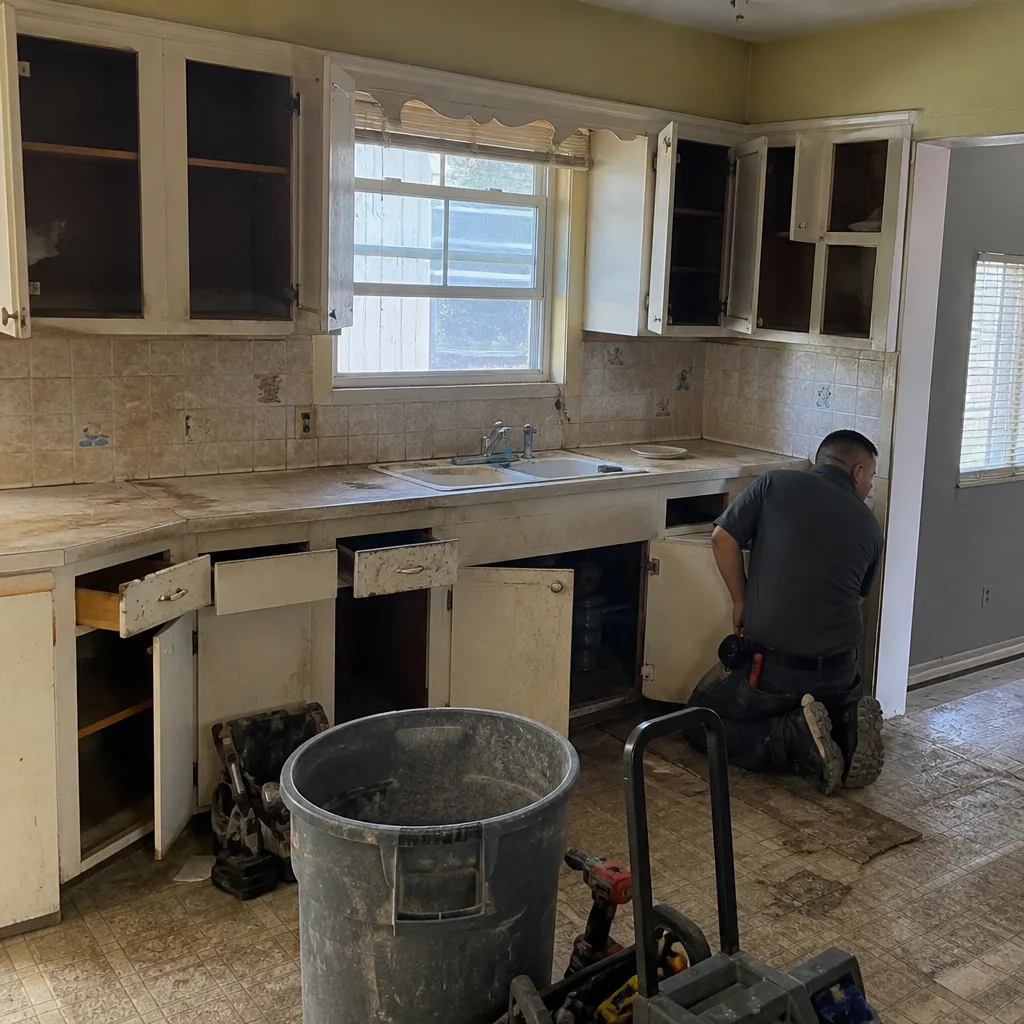 Before
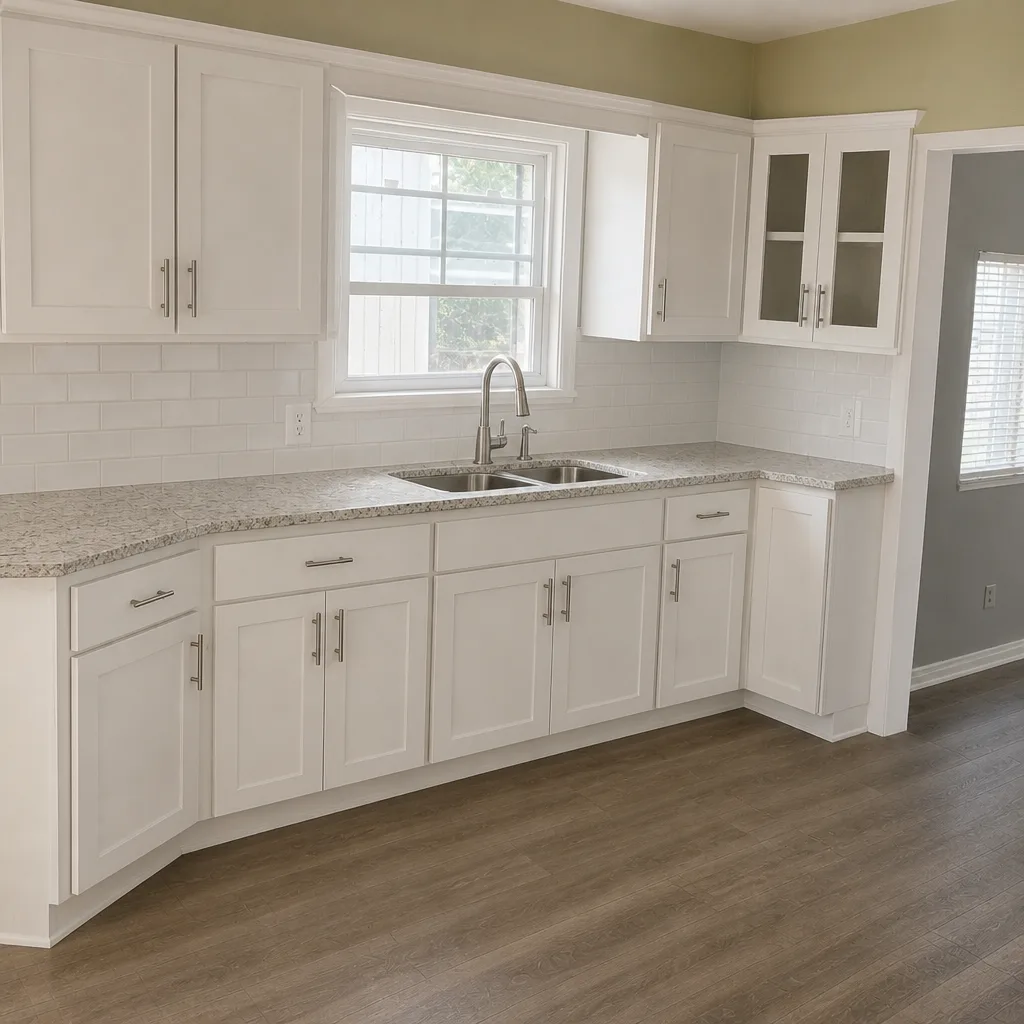 After
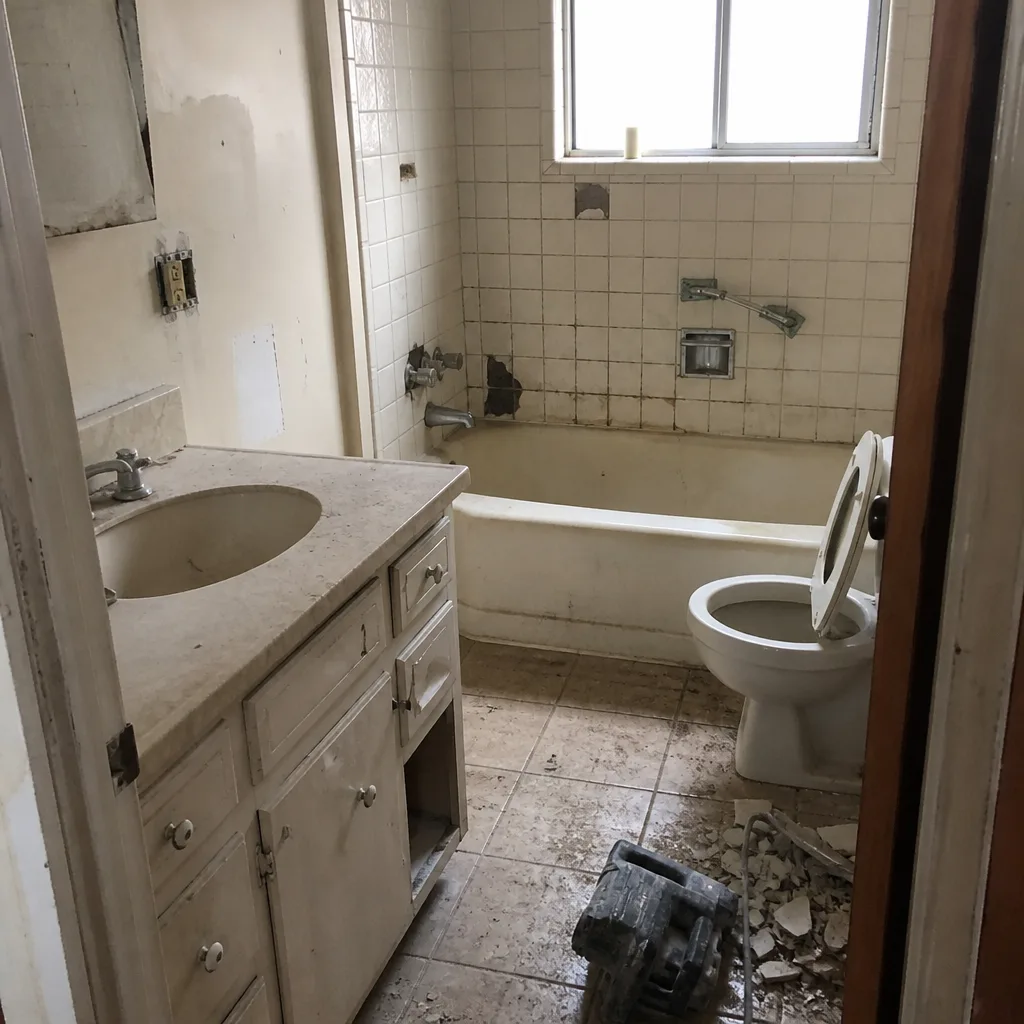 Before
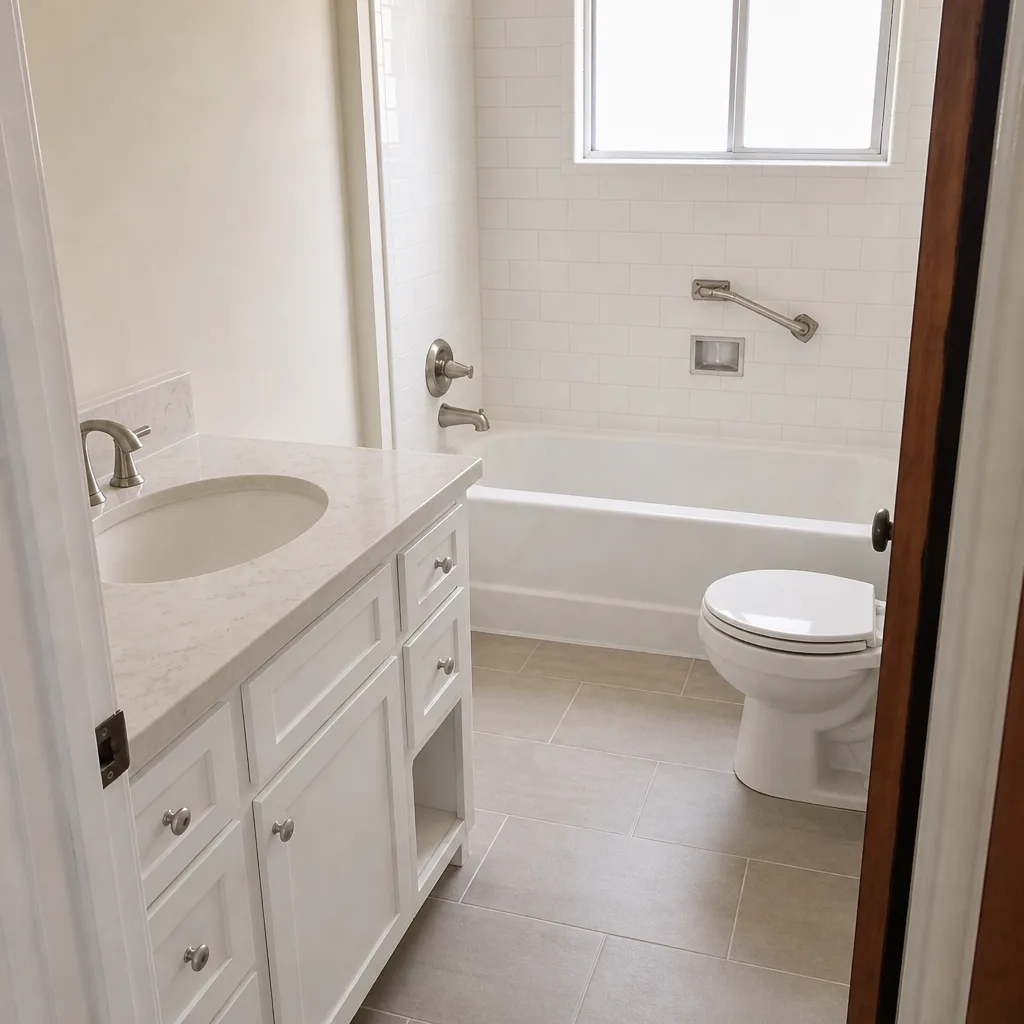 After
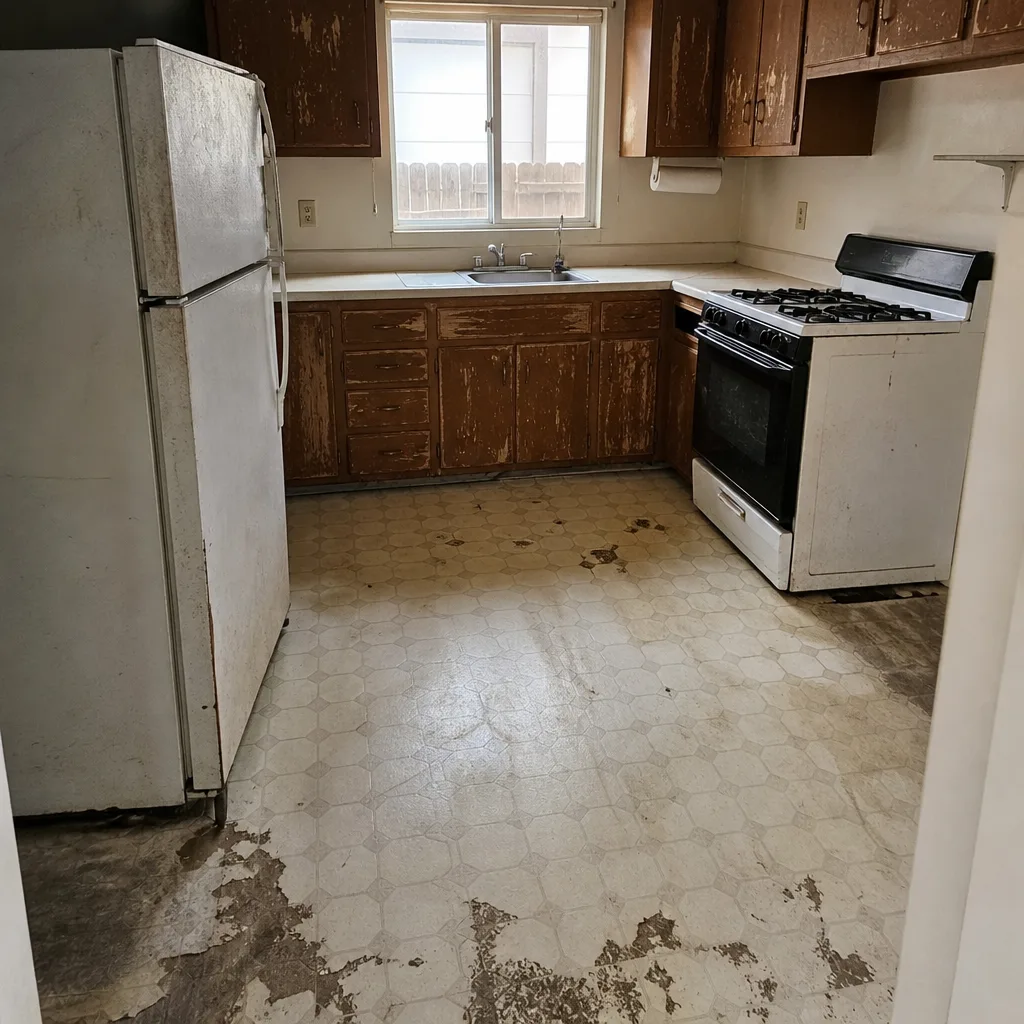 Before
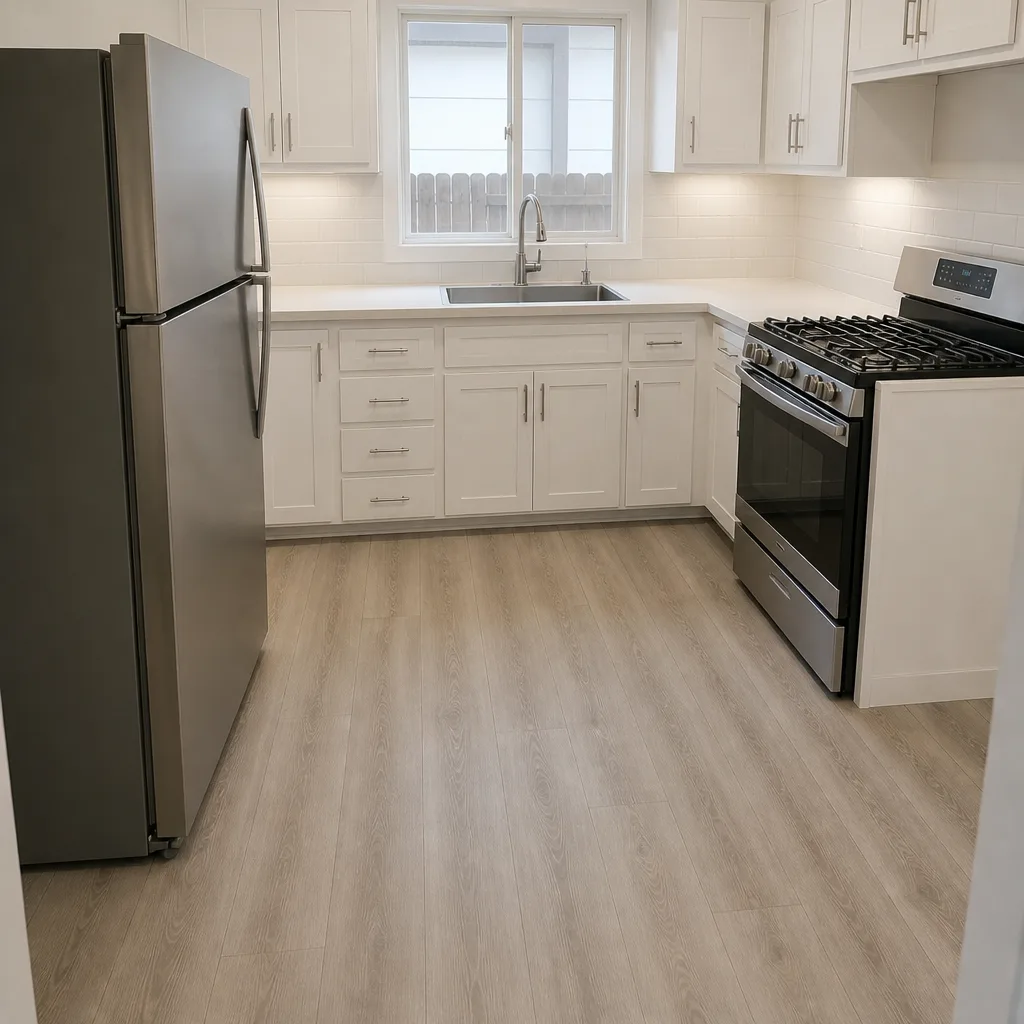 After
When to Call a Professional
Fence installation is one of the few trades where an experienced homeowner can do part of the work well, and a few more parts with genuine risk. Call a professional when the fence line runs near a utility service, when the lot is sloped enough to need stepping or terracing, when the fence is over six feet or borders open space, or when the old fence’s posts are set in concrete that has to be broken out and hauled. Call one too when you’re working with a gate – gate geometry on a sloped run is where a week of careful weekend work most often ends with a gate that drags. And if you’ve had a fence shift or lean a season after install, that’s the concrete cure problem showing itself; it’s worth a diagnosis rather than a patch. Rowan Construction Group Santa Rosa offers free estimates in Santa Rosa – call (833) 842-1866 to schedule a walkthrough of your fence line and a written schedule with dated phases.
Frequently Asked Questions
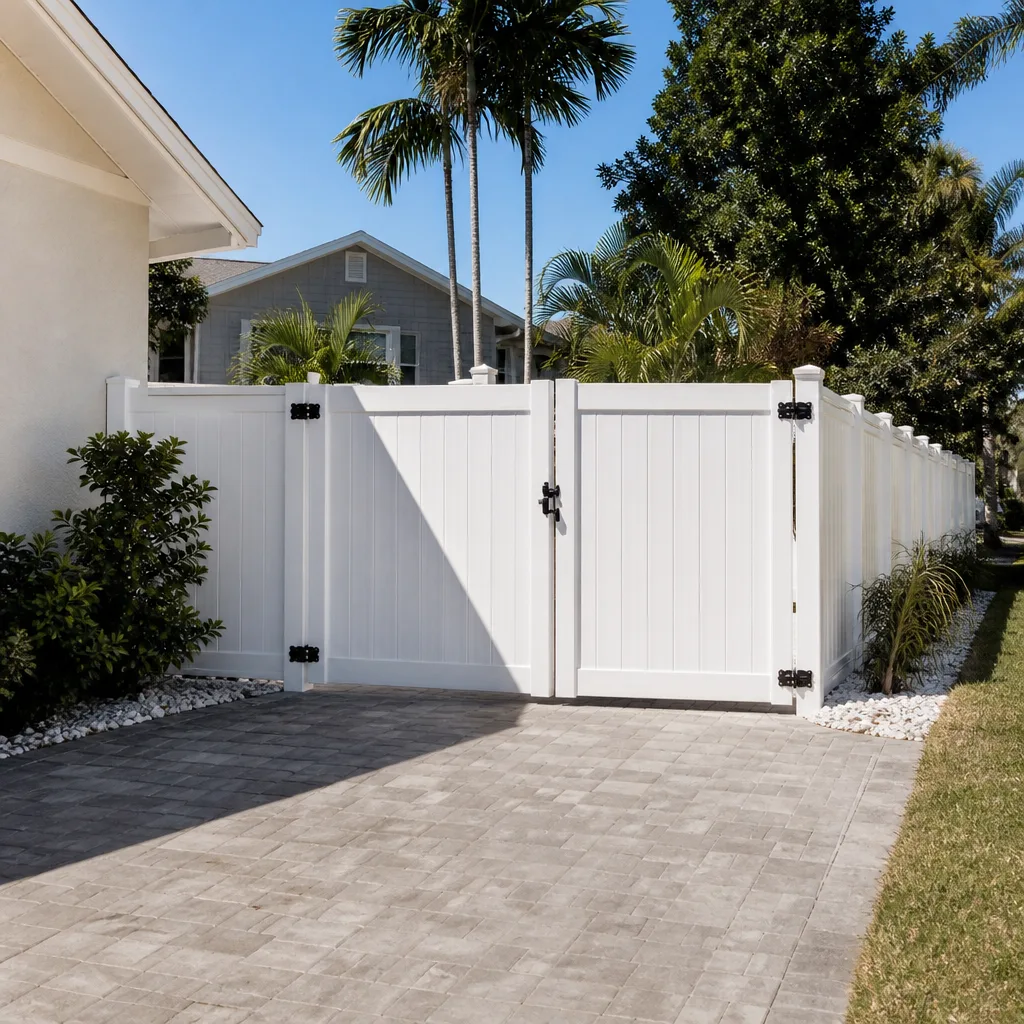
A 200-foot fence in Santa Rosa takes about 2 to 4 days of on-site work – typically 1 to 2 days for postholes and posts, a 24 to 72 hour concrete cure, then 1 to 2 days for rails and panels – but count 2 to 4 weeks from signed contract to walkthrough once permits and the 811 utility locate are included. If you’re using custom material rather than stock, add 2 to 4 weeks of order lead time. Call (833) 842-1866 for a written schedule built around your specific lot – estimates are free.
No – not properly. A one-day install means panels went up the same day the posts were set in concrete, which is the exact shortcut that sends North Bay fences out of line within a season. A 100-foot run of simple stock fence can sometimes complete in 2 days if posts are set on day one and panels on day two, but the cure window is the floor on any correct install. Ask any contractor what their cure minimum is – that answer tells you a lot. Call (833) 842-1866 for an honest schedule rather than a fast one.
A fence up to six feet tall in a rear or side yard typically doesn’t require a building permit, but anything over six feet, or a fence in a front setback or bordering open space, usually does. HOAs add a separate architectural review layer that runs on its own timeline. Confirm the height and location thresholds for your specific parcel before you buy material. Call (833) 842-1866 and we’ll tell you which path applies to your lot – estimates are free.
The single most common cause is panels hung before the concrete has cured, which shifts posts and sends the run back to the start. Second is the 811 utility-locate window – it’s a 48-business-hour minimum, and a Friday submission can effectively start the clock Monday. A close third is HOA review meetings that only convene monthly. A signed schedule with dated milestones and a hard cure gate prevents most of this. Call (833) 842-1866 for a written schedule you can follow.
Yes, in the winter. Santa Rosa’s wet season from November through March pushes back concrete cure windows because saturated soil slows both post set and the mix itself. A post set in a dry September hole reaches full strength on a predictable curve; a post set in a saturated December hole may need an over-dug and drained hole plus a day or two of extra cure. Summer heat is the opposite problem – a fast-drying mix needs to be worked quickly. Call (833) 842-1866 for a schedule matched to your install season – estimates are free.
As a working range for planning, a standard 150-foot privacy fence in Santa Rosa commonly runs in the several-thousands-of-dollars range depending on material, with basic cedar and stock vinyl on the lower end and composite and ornamental metal on the higher end. Site factors – slope, rock, and old-fence removal – add cost, and each should appear as a line item, not a lump sum. The written quote should show the price before work starts and the cure window on the schedule. Call (833) 842-1866 for a line-item written estimate – free.
The Bottom Line
Fence installation takes roughly 2 to 6 weeks from signed contract to walkthrough, and the install itself is 2 to 4 days on site. The rest of the calendar belongs to the permit office, the 811 utility locate (48-hour minimum), and the concrete cure window (24 to 72 hours), and those phases are what separate a smooth job from a slow one. Choose your material with lead time in mind, measure fence height from finished grade on any sloped Santa Rosa lot, and ask for a signed schedule with dated milestones before you sign. Under the Haven Standard, that written price and the cure window on the schedule are the same document – which is the whole point.
Rowan Construction Group Santa Rosa handles fence installation across Santa Rosa with a written price before any work starts, no change without a signed change order, and the 365-Day Done Right Promise behind every run. Call (833) 842-1866 to schedule your free estimate – and if you’re bringing a competitor’s quote, we’ll review it line by line at no charge as a free second opinion.
Written by the team at Rowan Construction Group Santa Rosa.