Last updated November 17, 2026




Free written scope consultation - allowances, timeline, and change-order rules on paper before a single trade is scheduled
Home Additions & ADU Warning Signs Every Homeowner Should Know
If an ADU bid doesn’t include a soils report, a line-itemized allowance schedule, and a named subcontractor list, the price on the page is not a price. It’s a placeholder that will grow once the work is underway and you have no leverage left. That’s the uncomfortable pattern we’ve watched play out on projects across Santa Rosa, and it almost never starts with a bad crew on site. It starts with a document nobody read closely enough. This guide walks through the warning signs that live in the contract and the pre-construction paperwork, the mid-build red flags you can still act on, and the one document (a lien waiver) that most homeowners don’t know they’re entitled to ask for.
Quick Answer
The most reliable warning signs that a home addition or ADU project is heading toward cost overruns appear before excavation, not after: a bid with lumped-in allowances and no named products, no subcontractor list, no signed change order clause, no milestone-based payment schedule, and no soils investigation requirement. A contractor who can’t produce those five items in writing either doesn’t have them or doesn’t want you to see them. By the time concrete is poured, your ability to correct any of it shrinks to almost nothing.
Styles & brands we work with
- Kitchen remodeling
- Bathroom remodeling
- Home additions & ADU
- Roofing
- Windows & doors
- Driveway & pavers
- Fence
Table of Contents
- The Five Contract Omissions That Predict Cost Overruns
- Why “Allowances for Fixtures” Is a Warning Sign
- What an Unlicensed Subcontractor Risk Actually Looks Like
- The Design-Build Warning Specific to ADUs
- Mid-Construction Warning Signs You Can Still Act On
- Lien Waivers: The Document You Have a Right to Ask For
- Soils Reports and Santa Rosa’s Expansive Clay
- Common Mistakes to Avoid
The Five Contract Omissions That Predict Cost Overruns
We review a lot of competitor estimates on second-opinion calls, and the same five gaps show up again and again on projects that later blow past their budget. A complete written scope covers all five. A bid that skips them isn’t a shortcut to a lower price; it’s a deferral of cost that will arrive later with interest.
- No line-itemized allowance schedule. The bid says “allowances for fixtures” with a single dollar figure. A real schedule names each product, the model number, and the price. Allowances without names are the most common mechanism for a mid-project increase.
- No named subcontractor list. Framing, plumbing, electrical, drywall, HVAC, and roofing subs should be listed by company name with their license number visible. If the general contractor won’t name them before signing, you can’t verify any of them.
- No signed change order clause. The contract should read that no work proceeds on a change until a change order is signed and priced. Without that clause, “we had to add framing” becomes an invoice, not a conversation.
- No milestone-based payment schedule. Payments tied to actual stages (foundation inspection passed, framing inspection passed, rough-in complete) protect you. Payments tied to calendar dates do not.
- No soils investigation requirement. On any addition with new footings, the bid should reference a geotechnical report or a soils investigation. Santa Rosa’s soils, particularly in the hills around Rincon Valley and Bennett Valley, hold expansive clay that requires specific footing design. No soils report means the footing depth was a guess.
Framing and footing work is also where the stakes are highest chemically and structurally. If a contractor proposes to skip the geotech, the conversation about whether you can even build on that slope is over before it starts. A professional contractor puts the investigation on the schedule because it protects everyone. For more on what a full written scope looks like on a Santa Rosa project, see our Home Additions & ADU in Santa Rosa page.
Why “Allowances for Fixtures” Is a Warning Sign
An allowance is a placeholder dollar amount for a product not yet chosen. Used honestly, it’s a reasonable way to keep the bid moving while you select tile or a kitchen sink. Used dishonestly, it’s how a $180,000 ADU becomes a $210,000 ADU six weeks in. The difference is whether the allowance names the product and its price or whether it names a category and a number.
Here’s what a genuinely itemized allowance looks like, using materials we actually source on Santa Rosa projects:
- Kitchen cabinets – KraftMaid or Wellborn, specific door style, per-linear-foot price
- Countertops – Cambria or Caesarstone, per-square-foot price including edge profile and cutouts
- Plumbing fixtures – Kohler or Toto, model number for the toilet, faucet, and shower valve
- Roofing – GAF or Owens Corning, shingle line identified by product name, not just “architectural shingle”
- Exterior hardscape – Belgard or Techo-Bloc, paver series named
When a bid lists “allowances for fixtures: $8,000” with no menu behind it, that number reflects a builder’s guess, not a real selection. If you choose anything above the base bid line, you pay the difference. If the contractor chooses below the line, you rarely receive a credit. That asymmetry is the whole game.
Ask for the allowance schedule in writing, item by item, before signing. If the contractor can’t produce one, that’s a signal the rest of the bid may be similarly compacted.
What an Unlicensed Subcontractor Risk Actually Looks Like
Here’s how it plays out. The general contractor engages a framing crew to save on labor. The crew’s license was never verified, or worse, they’ve been working under someone else’s. The framing goes up. The Santa Rosa building inspector red-tags the shear wall nailing pattern, or finds the hold-down requires a different anchor. The GC disputes who’s responsible for the fix. The framing sub says it built to plan. The plan says otherwise. You’re standing in the middle of a hole in the wall and nobody will take responsibility.
That scenario is not rare. It happens more often on additions and ADUs than on smaller projects because the number of trades multiplies the number of contracts the GC had to manage. Framing, MEP (mechanical, electrical, plumbing), siding, roofing, drywall, finish carpentry – each one is a chance to hire someone unverified.
How to protect yourself before signing:
- Ask for the named subcontractor list, with license numbers, in writing
- Verify each license independently through the California Contractors State License Board (CSLB) lookup
- Confirm the GC carries general liability and workers’ compensation – ask for the certificate as a document, not a verbal claim
- Require that any sub swap mid-project be communicated in writing with a new license number before they enter the site
Background-checked, uniformed crews with a documented photo record on every visit aren’t marketing frills. They’re the paperwork trail that makes it harder for a firm to hide an unverified sub in the supply chain. Our crews on Santa Rosa projects arrive with a live person answering calls 24/7 and a photo record included on every visit – a standard, not an add-on.
The Design-Build Warning Specific to ADUs
An ADU over 500 square feet in Santa Rosa, or any ADU on a slope or with unusual structural loads, will require stamped drawings from a licensed architect or structural engineer. A contractor who offers to “handle the plans” without naming the engineer of record or showing proof of a licensed stamp is setting up a permit rejection before the first shovel goes in.
This is different from a design-build firm where the architect or engineer is in fact on staff and identifiable by name and license. That’s fine. The warning sign is the contractor who says “we’ve got a guy” and never produces a name, a firm, or a license number. When Santa Rosa’s permitting office rejects the drawings for structural calculations or a setback issue, you’re the one standing in line holding an unpermitted plan the contractor said was fine.
A stamped plan set should include, at minimum:
- The engineer’s stamp and signature on the structural pages
- The architect’s stamp on the site plan and floor plan
- A cover sheet identifying the project address and scope
- Structural calculations reviewed and sealed
- A soil report referenced on the foundation plan
If any of the first three items are missing when the drawings hit the permit counter, you’re on the clock with a plan set that has no legal weight. Ask for a stamped set as a deliverable in the bid before signing.
Mid-Construction Warning Signs You Can Still Act On
Once the project is underway, the ability to fix a bad contract shrinks, but you can still escalate. These are the warning signs that show up mid-build and what each one means. They’re the reason a monthly check-in with your contractor in writing pays for itself.
- The crew disappears for more than three consecutive workdays without written notice. A short absence is normal on any project. A week-long gap with no email, text, or note is not. It’s often a cashflow symptom. Confirm in writing the reason and the plan to return; if the answer is vague, engage a construction attorney.
- A correction notice gets flagged by the inspector and the contractor dismisses it verbally. A correction notice is a legal document from the building department. If the contractor says “don’t worry about it, we’ll fix it later” without a written plan, that correction is now yours. Ask for the fix plan in writing with the corrected date and the inspector’s sign-off scheduled.
- Materials arrive that don’t match the contract specification. The spec calls for a specific shingle line, and different boxes show up. Or the concrete depth on the footing is less than the plan. Photograph what arrives before it’s installed. Compare against the contract. If they don’t match, stop the work and get it resolved in writing.
- Requests for early draws. “We need the materials draw early to secure the cabinet order” is a red flag if the cabinets aren’t anywhere near ready. Payments should follow visible milestones, not schedule requests.
- Change orders that appear only on the invoice. If a cost pops up at billing that was never priced in a change order and never signed by you, it isn’t a change order. It’s a number on a page.
The Haven Standard discipline exists to remove these ambiguities: no work proceeds on a change until the change order is signed. In our experience, that single rule is the reason projects stay within a few percent of the agreed cost instead of drifting 15 to 25 percent over.
Lien Waivers: The Document You Have a Right to Ask For
A lien waiver is a document a contractor or subcontractor signs confirming that they, and the trades and suppliers beneath them, have been paid for the work completed to that point. Under California Civil Code, on a project with a recorded construction loan or a notice of completion, homeowners are entitled to conditional lien waivers at each progress draw. “Conditional” means the waiver is only effective once payment actually clears – which protects both parties.
Why this matters: on a large addition or ADU, the general contractor pays 6 to 12 subcontractors. If the GC fails to pay the framing crew or the drywall sub, that sub can file a mechanic’s lien against your property. You paid the GC. You did nothing wrong. And you’re the one who has a lien recorded on your title until it’s cleared.
At each progress draw, ask for:
- A conditional lien waiver from the general contractor
- Conditional lien waivers from each subcontractor billing to that draw
- Any supplier materials lien waiver for delivered material
A contractor who resists providing these is telling you something important – either the sub payments aren’t current or the administrative system isn’t built to track them. Either one is a material warning sign on a project this size.
“Providing a lien waiver” is not a favor the contractor does for you. It’s a legal entitlement on a financed project, and asking for it is the single best way to confirm the sub payments are actually flowing before your final payment clears.
Soils Reports and Santa Rosa’s Expansive Clay
Soil matters in Sonoma County in a way it doesn’t in parts of the country where footing depth is a constant. Santa Rosa’s hillside neighborhoods – parts of Rincon Valley, Bennett Valley, and the areas near Annadel – sit on expansive clay and occasional fill that behaves very differently from the valley floor. An addition with a footing designed to the wrong soil profile is a foundation waiting for a problem.
If the project involves new footings, a soils investigation is not optional. Ask the contractor for the following before signing:
- The name of the geotechnical engineer who will investigate the site
- The deliverable – a written soils report with bearing capacity and expansion rating
- The date the report will be delivered relative to the design schedule
- Confirmation that the footing plan references the report’s recommendation
A bid that omits the soils investigation tells you the footing depth was priced on assumption, not evidence. That assumption is the most expensive sentence in the whole project: “We’ll figure it out when we start digging.”
Common Mistakes to Avoid
- Accepting a bid with a single lump-sum number and no line items. A lump sum has nowhere to check for padding and no way to compare against a second bid. Line items let you see where the money actually goes, and they’re the basis of every honest quote.
- Signing before the subcontractor list is named. If you don’t know who’s showing up on the site, you can’t verify their licenses. Name the subs, in writing, before you sign.
- Skipping the soils report because the contractor says the bearing is “probably fine.” In Santa Rosa, this is where footing surprises start. The report costs less than 1 percent of the project and prevents the most expensive kind of change order.
- Letting a correction notice go unanswered in writing. A verbal “we’ll handle it” doesn’t answer an inspection correction. Every notice deserves a written resolution plan with a date.
- Payments driven by the calendar, not by milestones. Payments tied to dates give the contractor the money whether or not the work happened. Payments tied to inspection sign-offs do not.
- Paying the final draw without lien waivers. This is the point where your leverage is highest. Use it. Get the sub lien waivers before the last check goes out.
- Accepting “handled plans” without a stamped engineering set. An ADU that stalls at the permit counter is a project you paid for that never got built.
See the difference
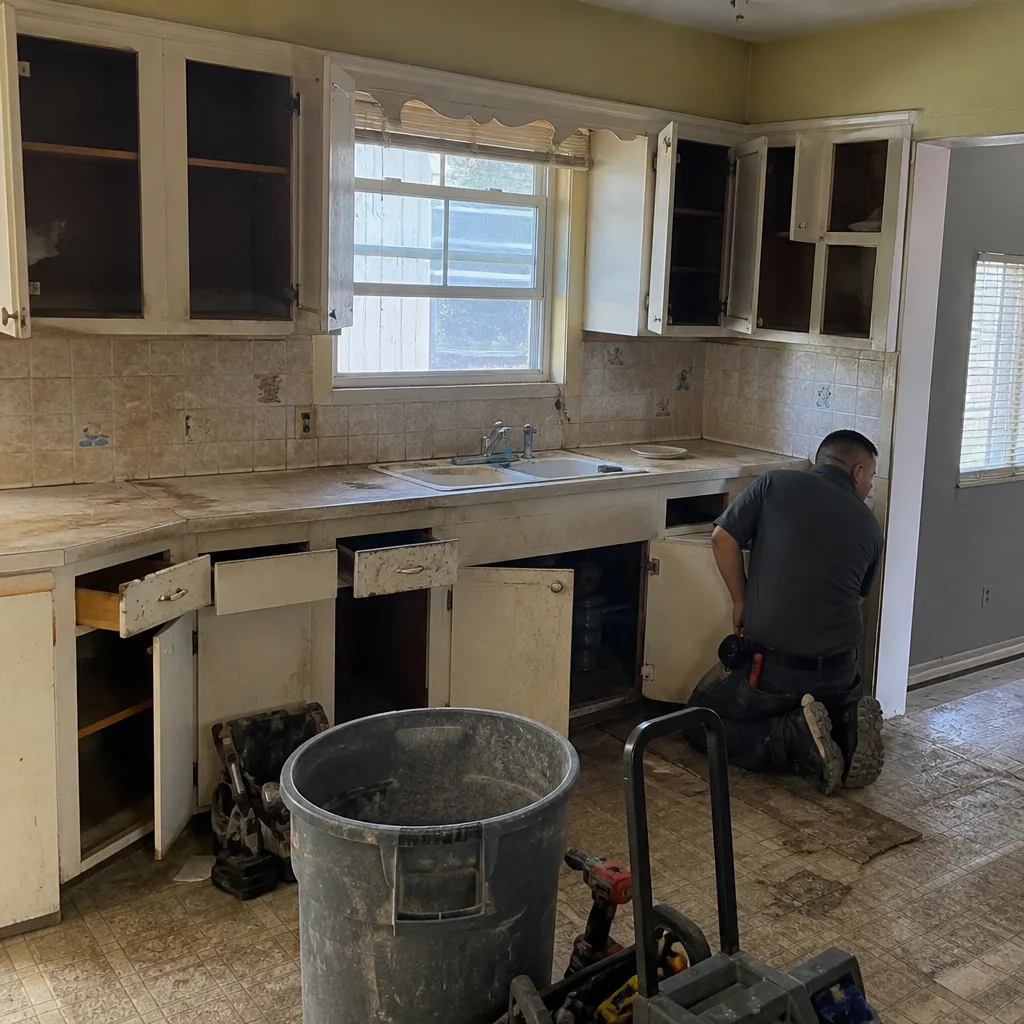 Before
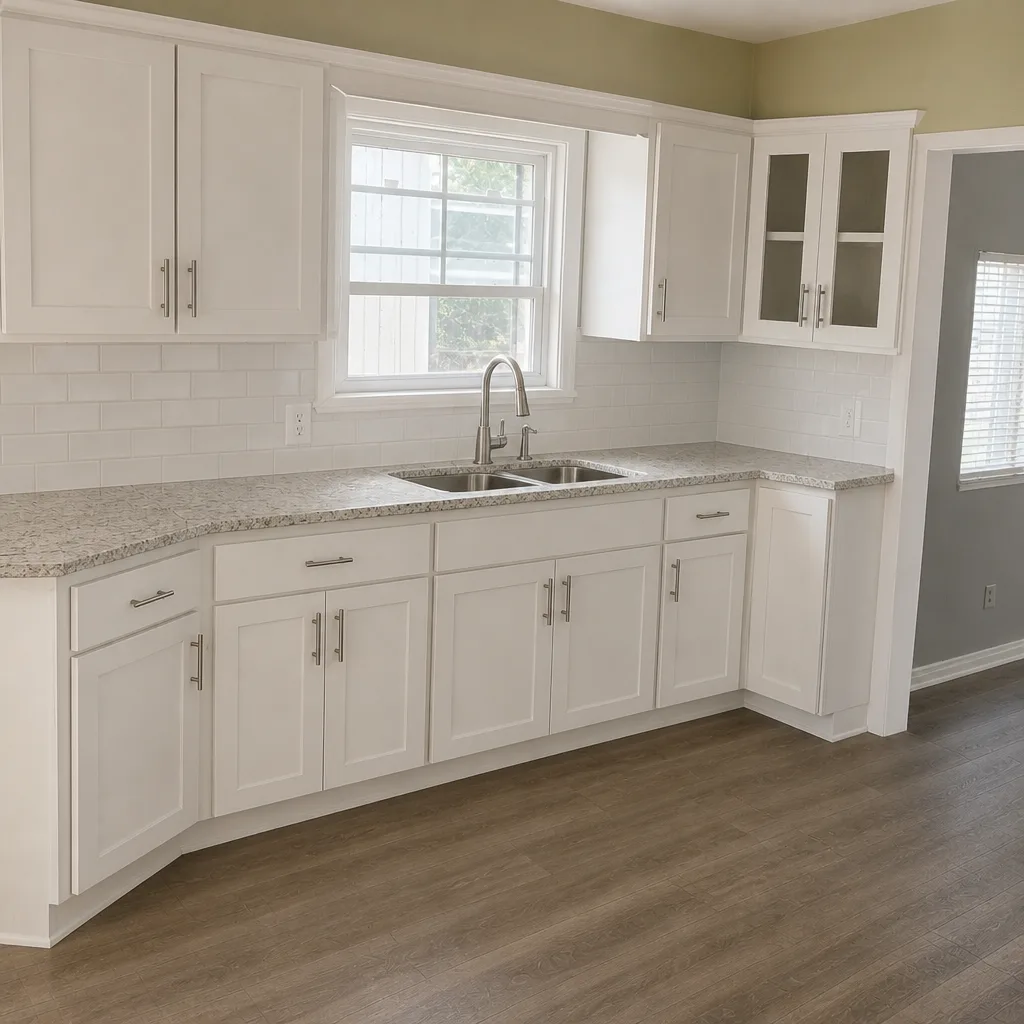 After
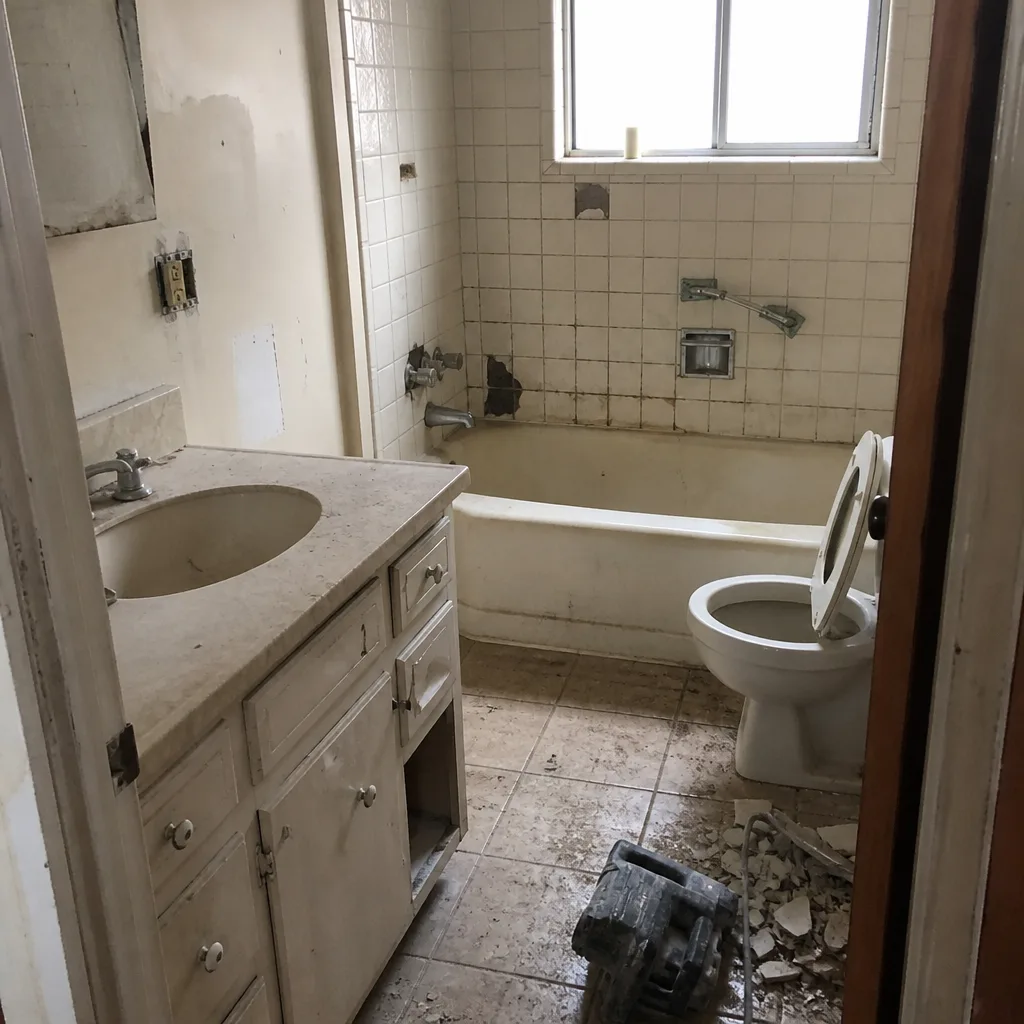 Before
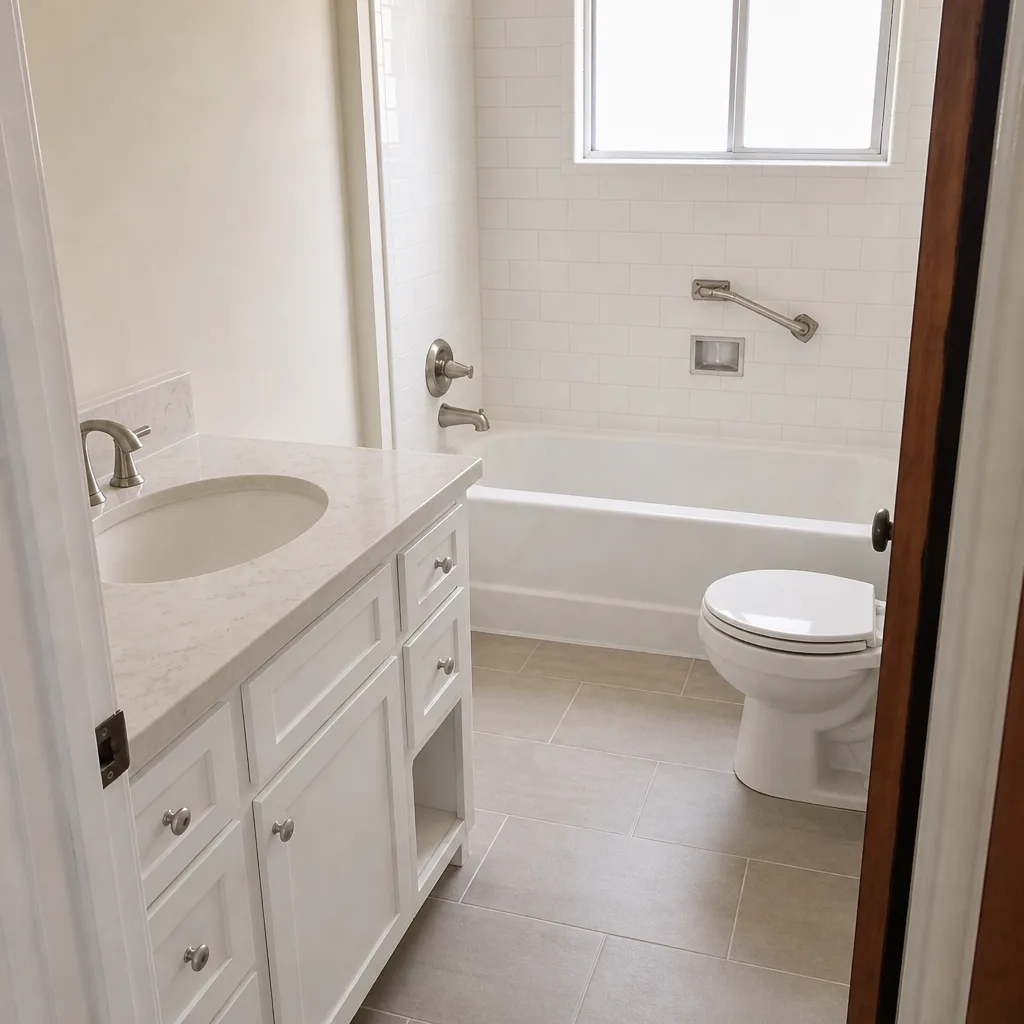 After
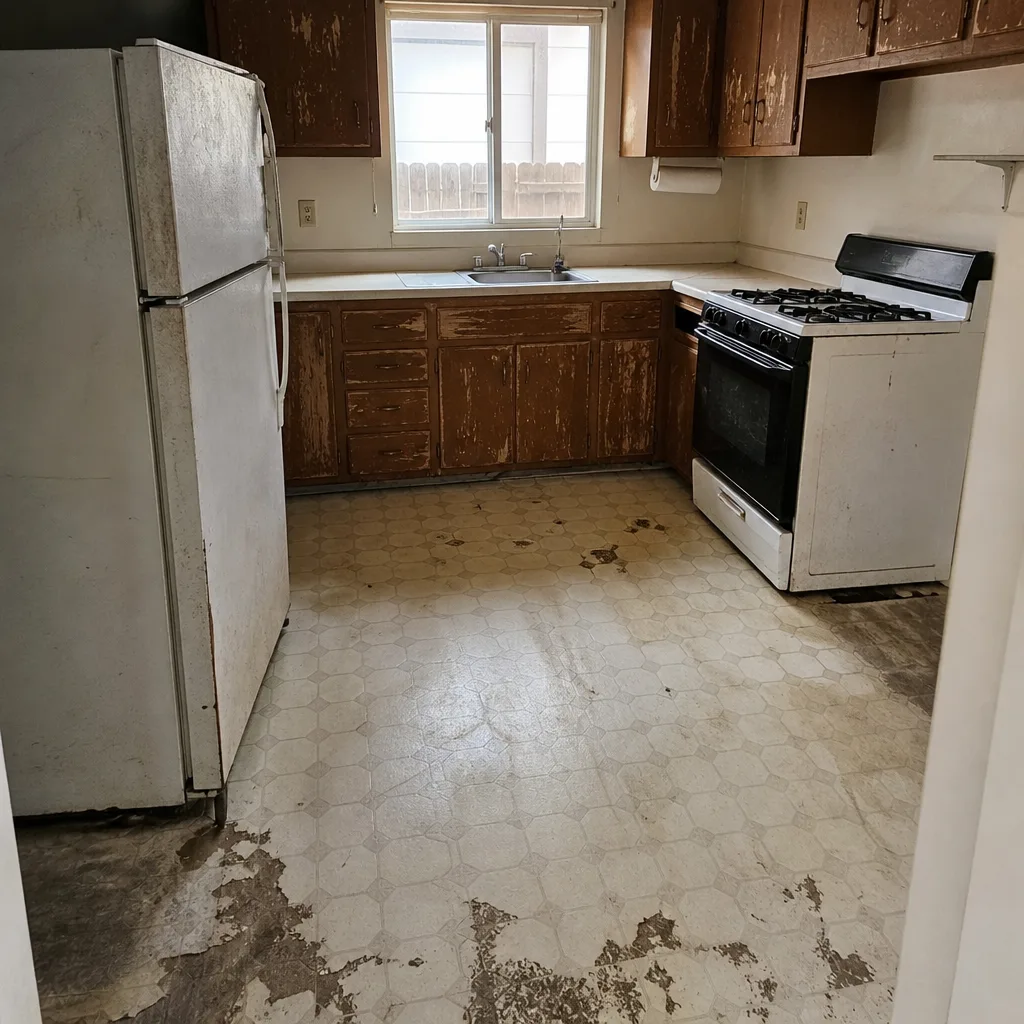 Before
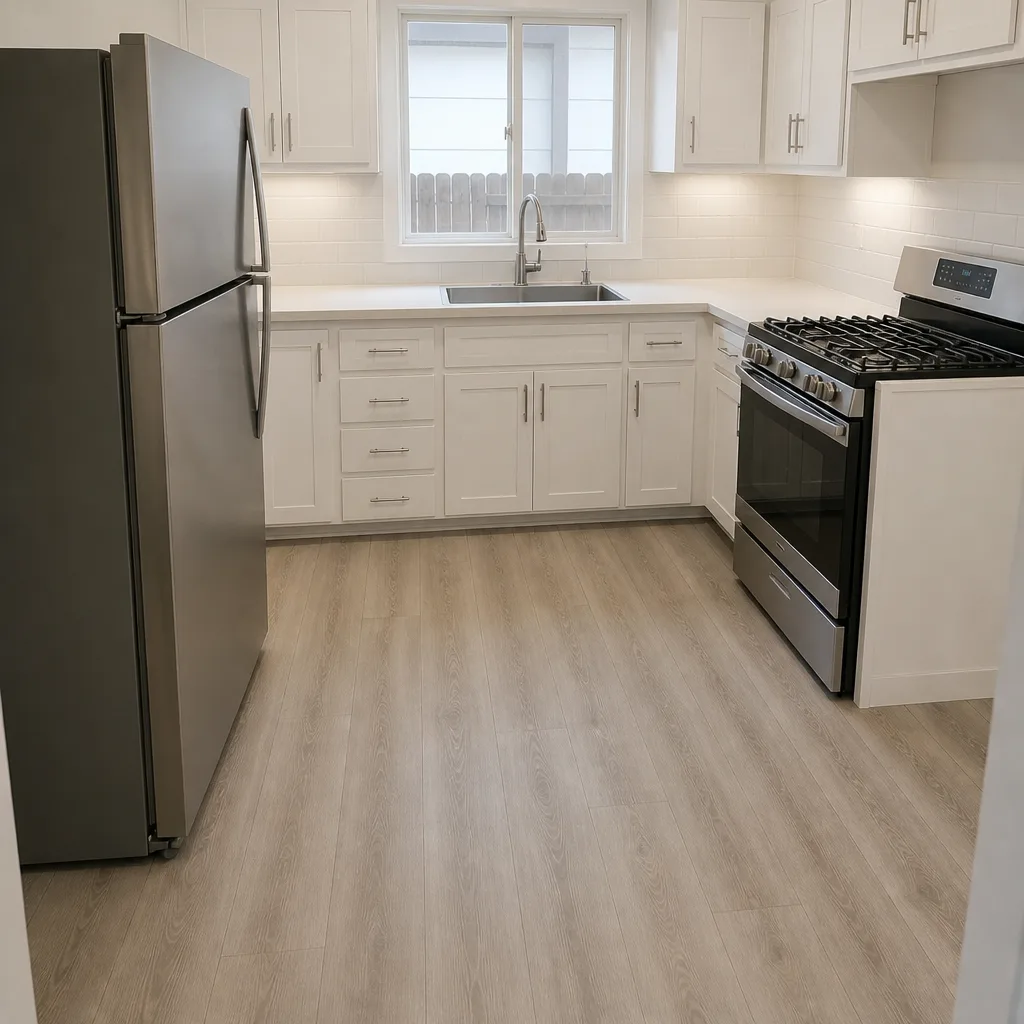 After
When to Call a Professional
If any of these apply, get a professional set of eyes on the paperwork before you sign or before the next payment clears: a bid that omits the soils report, a subcontractor who isn’t named, a change order that appeared only on an invoice, an inspector’s correction notice that got brushed off verbally, or a payment due without lien waivers attached. Any one of those is enough to pause and review. Rowan Construction Group Santa Rosa offers free estimates in Santa Rosa – and we’ll review any written estimate you’re holding, line by line, at no charge, under our Free Second Opinion. Call (833) 842-1866. Every quote comes as a flat written price with a written scope and a written warranty before any work starts – no “call for a quote” step, no verbal numbers. If you’re also planning to bring hardscape or a fence into the project scope, our teams on Driveway & Pavers in Santa Rosa and Fence Installation in Santa Rosa work to the same standard.
Frequently Asked Questions
The five biggest are: no line-itemized allowance schedule, no named subcontractors, no signed change order clause, no milestone-based payment schedule, and no soils investigation requirement. A bid missing any of these is not a complete written scope and the number on the page will move. Call (833) 842-1866 to walk through a bid you’re holding; our Free Second Opinion is line by line and costs nothing.
A lien waiver is a document a contractor or subcontractor signs confirming they’ve been paid for the work completed to date. Under California Civil Code, you’re entitled to conditional lien waivers at each progress draw on a financed project, and asking for them confirms the sub payments are actually flowing. A contractor who resists providing them is a material warning sign – call us at (833) 842-1866 to talk it through.
Only if they have a licensed architect or engineer of record producing the stamped drawings. A contractor who says “we’ve got a guy” without naming the architect or engineer, or who can’t show a license number, is setting up a permit rejection. Santa Rosa’s building department will not accept unstamped structural drawings for an ADU of any real complexity, and you’re the one holding the rejected set. Call (833) 842-1866 for a free estimate that names the engineer as a deliverable.
Any addition with new footings should have one. Santa Rosa’s hillsides around Rincon Valley and Bennett Valley hold expansive clay that requires a specific footing design, and a soils report is how the engineer confirms bearing capacity and expansion. A bid without the investigation priced in is pricing the footing depth on assumption, not evidence. Call (833) 842-1866 to schedule a free estimate that includes it.
Get the reason in writing the same day, with the date they’ll return and a plan for any schedule slip. A short absence is normal; more than three consecutive workdays with no written notice is a cashflow warning sign. If the answer is vague or the return date keeps moving, engage a construction attorney before releasing the next payment. Call (833) 842-1866 if you want a second set of eyes on the contract and the payment schedule.
It shouldn’t. Under our founder’s discipline and Clause 1 of the Haven Standard, the price is written before any work begins, and no work proceeds on a change until the change order is signed. That’s why our projects run within a few percent of the agreed number rather than 15 to 25 percent over. Call (833) 842-1866 for a free written estimate; the number won’t move unless you sign a change order. Our latest work on Santa Rosa projects reflects this across every trade, from a Rowan Construction Group Santa Rosa home remodel through full additions. Browse the site for context and compare the bids side by side.
The Bottom Line

Cost overruns on home additions and ADUs don’t start on the job site. They start in the contract and the pre-construction paperwork – in the missing allowance schedule, the unnamed subcontractor, the unsigned change order clause, the calendar-based payment schedule, and the soils report that never happened. Any one of those five gaps is enough to walk away from a bid. If you’re holding an estimate and want it reviewed line by line, that’s a free service. Our team at Rowan Construction Group Santa Rosa backs every project with the 365-Day Done Right Promise, a written price before any work starts, and a documented photo record on every visit. Call (833) 842-1866 for a free estimate, and read more about our Santa Rosa Home Additions & ADU process before you sign anything.
Written by the team at Rowan Construction Group Santa Rosa.