Last updated November 17, 2026


Free written scope consultation - allowances, timeline, and change-order rules on paper before a single trade is scheduled
Windows & Doors Maintenance Schedule: What to Do and When
Milgard’s full lifetime warranty on its windows requires that hardware be lubricated and weep holes kept clear. Two tasks, about 20 minutes a year. And yet hardware failures from dried-out operators are among the most common reasons a warranty claim gets denied. The manufacturer published the requirement; almost nobody reads it until a window won’t close. This guide works backward from those maintenance intervals and warranty terms, so every task on the schedule has a documented reason behind it. You’ll get exact frequencies, product specs, and the Santa Rosa timing that matters for our wet winters.
Quick Answer
Clean weep holes every 6 months and lubricate casement operators with a light machine oil like 3-IN-ONE Multipurpose Oil every 12 months. Inspect and tighten door hinges, test weatherstripping with the dollar-bill drag test, and reseal exterior caulk each October before Sonoma County’s rains arrive. Replace door threshold seals every 3 to 5 years. West-facing wood windows in Santa Rosa may need repainting every 4 years; north-facing ones can go 7.
Styles & brands we work with
- Kitchen remodeling
- Bathroom remodeling
- Home additions & ADU
- Roofing
- Windows & doors
- Driveway & pavers
- Fence
Table of Contents
- Why the Manufacturer’s Fine Print Sets Your Schedule
- The 12-Month Maintenance Calendar
- Window Hardware: Lubrication and Weep Holes
- Door-Specific Maintenance: Hinges, Thresholds, Weatherstripping
- How Santa Rosa Sun Exposure Changes Your Paint Interval
- The October Pre-Rainy-Season Inspection
- Which Maintenance Omissions Void Which Warranties
- When Maintenance Turns Into Replacement
Why the Manufacturer’s Fine Print Sets Your Schedule
Window and door warranties are conditional documents. They cover defects in materials and workmanship, not the consequences of neglect, and the manufacturer writes the distinction into the terms you agreed to by not reading them. Milgard’s lifetime warranty, for example, conditions coverage on reasonable maintenance: hardware kept lubricated, drainage paths kept clear. Skip both for a few years, and the operator seizes. When you call for service, the failure gets classified as neglect, and the claim is denied.
This is why a generic seasonal checklist misses the point. “Check your windows in spring” isn’t a maintenance schedule; it’s a suggestion. The schedule that protects your money is the one the warranty terms describe, with tasks tied to specific intervals and specific consequences. Here is what the three biggest names in residential windows publish:
- Milgard requires reasonable maintenance and care, including hardware lubrication and clear weep holes, as a condition of its full lifetime warranty.
- Andersen excludes damage from failure to perform reasonable maintenance, and its care guides specify periodic cleaning of drainage passages and lubrication of moving parts.
- Pella ties coverage to proper installation and normal use with recommended maintenance, and publishes care instructions per product line.
None of those requirements are hard. All of them are documented. We’ve seen Santa Rosa homeowners with failed operators in homes under 10 years old because nobody told them the warranty had a maintenance clause. Consider this the telling.
The 12-Month Maintenance Calendar
This is the schedule in one place. Frequencies come from manufacturer care guides and the practical realities of Santa Rosa weather: leaf fall in autumn, rain from late October through April, dry summers with high UV.
- Every 6 months (April and October): Clean weep holes on every window with a toothpick or a burst of compressed air. October matters most here because Santa Rosa’s leaf-fall season fills the drainage channels right before the rain that tests them.
- Every 12 months (October): Lubricate casement and awning operators, hinges, and locking mechanisms with 3-IN-ONE Multipurpose Oil. Not WD-40, which is a solvent-based water displacer that degrades rubber seals and leaves moving parts drier than it found them.
- Every 12 months (October): Inspect every exterior caulk joint and re-caulk any that has cracked, pulled away, or gone chalky.
- Every 12 months: Tighten hinge screws on all exterior doors and check striker plate alignment. Run the dollar-bill drag test on weatherstripping.
- Every 3 to 5 years: Replace door threshold seals. Sun exposure pushes it toward 3; a shaded north-facing door can stretch to 5.
- Every 4 to 7 years: Repaint or restain wood window exteriors. West-facing units on the 4-year end, north-facing on the 7-year end, with east and south in between.
That’s the whole schedule. The trick is the October cluster, which we’ll get to. If a window or door has moved past maintenance into failure, Rowan Construction Group Santa Rosa home lays out the trades we cover and how we quote them.
Window Hardware: Lubrication and Weep Holes
Casement and awning windows fail at the operator, the crank mechanism that pushes the sash open. It’s a geared arm under load every time you open the window, and the factory grease dries out in three to five years in a dry climate. Once it’s dry, the gears wear against each other instead of sliding, and the operator strips. That repair runs $150 to $300 per window, against 20 minutes of oiling a year.
Lubricate the operator with 3-IN-ONE Multipurpose Oil, which is a light petroleum-based machine oil formulated for small mechanisms. Apply it along the geared arm and at the pivot points, work the crank open and closed a few times to distribute it, then wipe off the excess so it doesn’t attract dust. Skip the silicone sprays for this job, and definitely skip WD-40. The latter is a common and expensive mistake: it displaces the existing lubricant, evaporates, and leaves the mechanism drier than before. Rubber seals and weatherstripping absorb it and degrade.
Weep holes are the small drainage slots at the bottom of window frames and door sills. Their job is to let water that gets behind the sash drain out. When they clog with leaf litter, pollen, or insect debris, water sits in the frame. In Santa Rosa, where we get the majority of our rain in a five-month window, a clogged weep hole after the first storm can mean water finding the interior wall cavity. Clear every weep hole with a toothpick, a pipe cleaner, or compressed air. Do it in spring and again in October, before the leaves really come down.
Door-Specific Maintenance: Hinges, Thresholds, Weatherstripping
Exterior doors take more abuse than windows and get a fraction of the attention. Three tasks keep them sealing properly, and skipping any one of them shows up on the energy bill and eventually in the wall framing.
Hinge screws. Check them once a year, and tighten any that turn freely. Door weight pulls screws loose over time, especially on a heavy solid-core or fiberglass exterior door. When a top hinge backs out, the door sags, the latch misaligns, and the weather seal opens at the top corner. A torque check means confirming each screw is snug, not overtightened into stripped wood. If a screw spins, it’s stripped, and the fix is a longer screw or a hardwood dowel plug rather than continuing to turn it.
Threshold seals. The rubber or vinyl seal in the door threshold compresses over time, and after 3 to 5 years it stops making contact. Replace the whole threshold seal when you can slide a business card between the sweep and the sill at any point. Sun exposure is the schedule driver: a west-facing door in Santa Rosa sees brutal afternoon UV and will need the seal replaced closer to the 3-year mark.
Weatherstripping. The dollar-bill drag test is the standard. Close the door on a dollar bill at three points along the open edge: top, middle, and bottom. Pull the bill out. It should drag noticeably at all three. If it slides out easily anywhere, the seal has failed at that point and needs replacement. Pass standard: a firm, consistent drag at all three locations, no feel of a free slide, no visible light around the perimeter.
How Santa Rosa Sun Exposure Changes Your Paint Interval
Exterior paint and stain on wood windows is a sacrificial layer. It fails from UV radiation, and Santa Rosa gets a lot of it: a UV index that regularly hits 8 to 10 in summer, low humidity most of the year, and no cloudy season to blunt the light. The failure mode is chalking, then cracking, then water getting behind the film and lifting it.
Orientation matters more than people expect. West-facing wood windows absorb the full, direct afternoon sun load and get the same UV dose as a roof. In our experience, those units need repainting every 4 years to stay ahead of film failure. East-facing units take the gentler morning light and can run 5 to 6 years. North-facing windows never get direct sun and can go 7 years. South-facing sits in the middle at about 5 years.
Check for trouble between the scheduled repaints with a fingertip test. Rub a pale cloth across a painted sill. A chalky white residue means the paint film has broken down at the surface and is on the way out. For stained windows, look for the finish going dull or grey, or water beading failing: when the surface stops repelling water, it’s time to re-oil or re-stain rather than waiting for the calendar.
This scheduling logic carries over to exterior wood elsewhere on the house. The same UV math drives how often you inspect and finish the gate, the fence, and the front door, which is why Fence Installation in Santa Rosa conversations usually end up covering wood finishing intervals alongside the install itself.
The October Pre-Rainy-Season Inspection
Sonoma County’s rainfall has a shape. Nearly all of it lands between late October and April, and the first serious atmospheric river of the season tends to arrive in November or early December. That gives you a specific, predictable window in October to finish exterior work before the water starts testing it. This is the single most important maintenance block on the calendar in Santa Rosa, and it’s 90 minutes of work.
Run it as a checklist:
- Walk every exterior caulk joint. Caulk around window and door frames, corner joints, and where trim meets siding. Any joint that’s cracked, pulled loose, or no longer flexible gets cut out and re-caulked with an exterior-grade sealant. Water that gets behind a failed joint in October has four months to soak into the wall.
- Test weep drainage. Pour a cup of water into the window’s drainage channel. It should exit through the weep holes at the sill within seconds. If water pools, clear the holes and check for debris behind the sash.
- Confirm door sweep contact. Run the dollar-bill drag test at all three points on every exterior door. A door that fails the test before the rain will whistle and leak all winter.
- Check the door thresholds and drip caps. Look for standing water staining, dark wood, or a gap under the sweep. Water at a door threshold is the first sign of the seal failure above.
- Clear gutters and downspouts. Not a window task, but a window task by consequence: an overflowing gutter dumps water directly against window frames and door openings.
Do the October inspection and the lubrication at the same time. Both are outdoor-accessible, both are drying-weather tasks, and doing them together once a year makes the whole schedule harder to forget.
Which Maintenance Omissions Void Which Warranties
Warranty denial is the part of this schedule with the highest dollar cost, so it’s worth knowing the exact language. Manufacturers don’t void a whole warranty over one missed task; they deny specific claims where a documented maintenance requirement wasn’t met. That distinction matters.
Milgard’s warranty conditions coverage on reasonable maintenance. A casement operator that fails because its hardware was never lubricated is a maintenance failure, and that’s a class of claim Milgard publishes as excluded. Andersen’s terms exclude failures caused by not performing reasonable maintenance, and Andersen’s published care instructions require clearing drainage passages and lubricating moving hardware, so a claim that traces back to blocked weep holes or a seized operator falls into that exclusion. Pella’s warranty structure ties coverage to proper installation and normal use with recommended maintenance, and Pella publishes per-product care guides that specify hardware cleaning and drainage upkeep.
The pattern across all three is the same: the manufacturer required the lubrication and the drainage. If you can document that you did those tasks, the claim is a defect claim. If you can’t, it’s an exclusion. A simple note in your phone – date, task, product used – is worth more than you’d expect if you ever have to make a call.
When Maintenance Turns Into Replacement
Maintenance keeps hardware working and seals sealing. It does not fix a failed window seal (the hazy cloudiness between panes of insulated glass), a rotting wood sill, or a frame that has lost structural integrity. Those are replacement decisions, and the tell is usually moisture you can find with your hand: a soft, dark sill, a spongy frame at the bottom corner, or water staining on the interior wall below a window.
When you’re weighing repair against replacement, a written number for both makes the call. Full-frame replacement versus insert replacement, with the scope spelled out, is the comparison that actually decides it. If your replacement plans connect to a larger project, the sequencing matters: Home Additions & ADU in Santa Rosa has to place its window and door openings before finishes, and existing Driveway & Pavers in Santa Rosa work sometimes needs to be laid out around the drainage you’ll add at a new entry.
Common Mistakes to Avoid
- Using WD-40 on casement operators. It’s the most common wrong product for the job. It displaces the proper lubricant, evaporates, and degrades the rubber seals nearby, leaving the mechanism drier than before.
- Skipping the October weep-hole cleaning. The fall leaf drop in Santa Rosa fills drainage channels right before the rain season. Cleaning in spring alone leaves the worst window unaddressed.
- Painting a wood window without checking the film first. Paint over a chalky or lifting surface fails in a year. Sand and prime first, or the new coat peels with the old.
- Ignoring a loose door hinge. A backed-out screw lets the door sag, misaligns the latch, and opens the weather seal at the top corner. Tighten it before it becomes a frame adjustment.
- Judging weatherstripping by eye. Light around a door is not a reliable test. The dollar-bill drag test is, and it costs a dollar.
- Assuming the warranty covers a seized operator. Nearly all major manufacturers list maintenance requirements that deny claims tied to neglect. Do the 20 minutes and keep the coverage.
- Replacing a whole window when the seal is the only failure. Haze between panes is a glass unit problem, not a frame problem. Sometimes the cheaper repair path applies, and a written quote on both tells you which.
See the difference
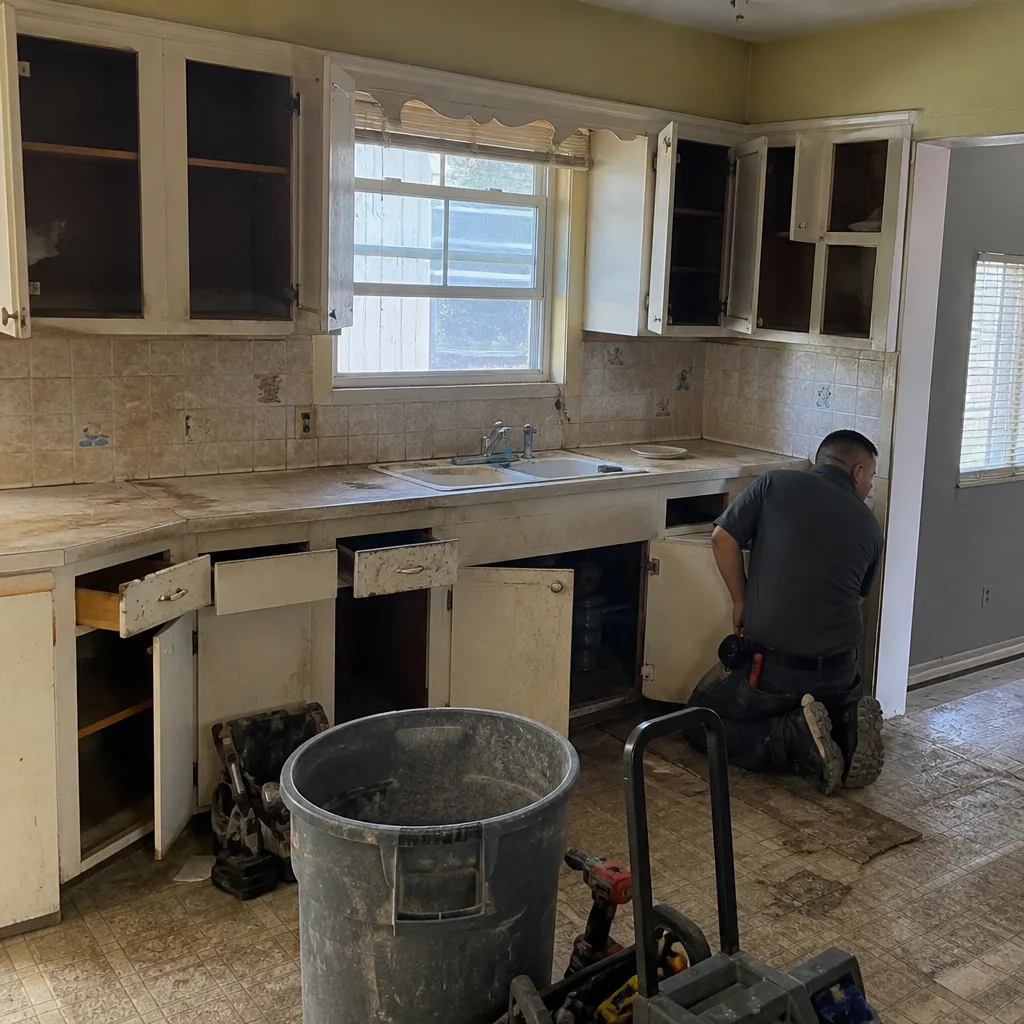 Before
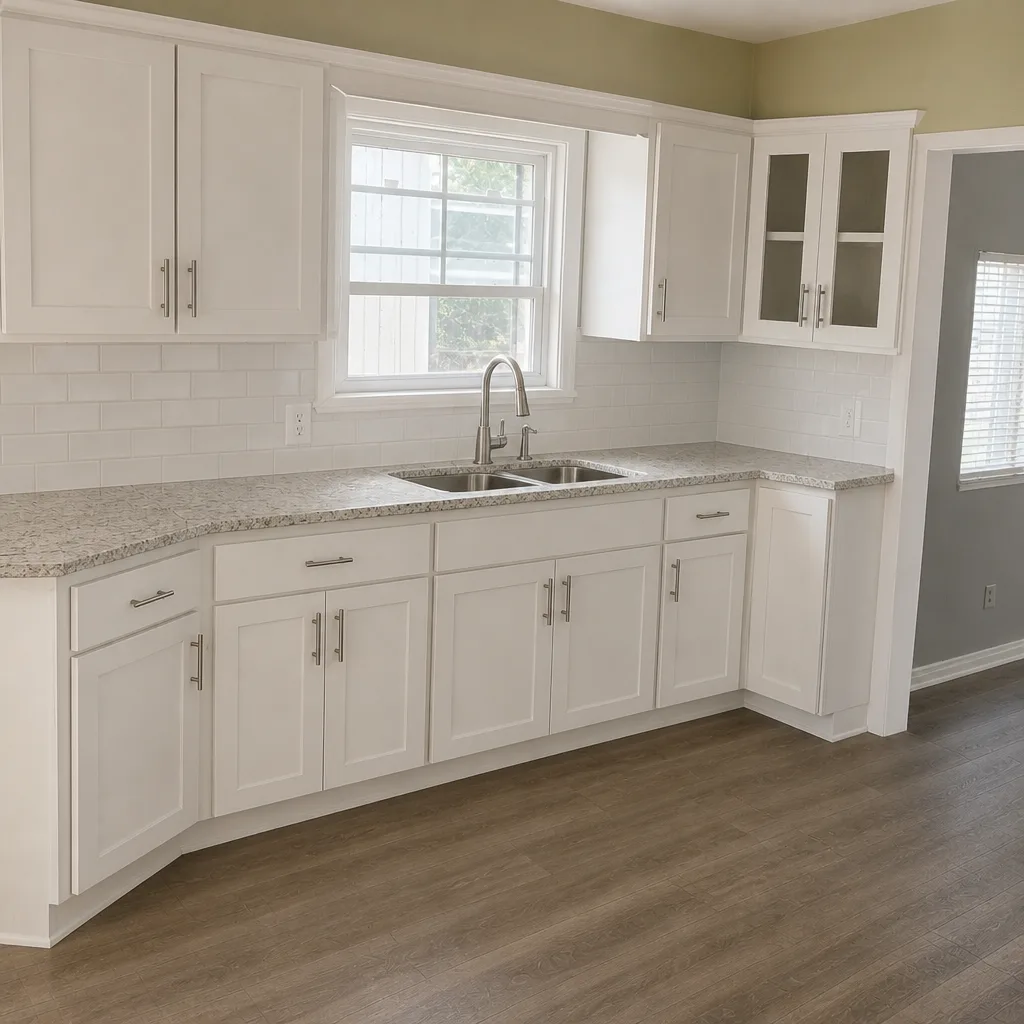 After
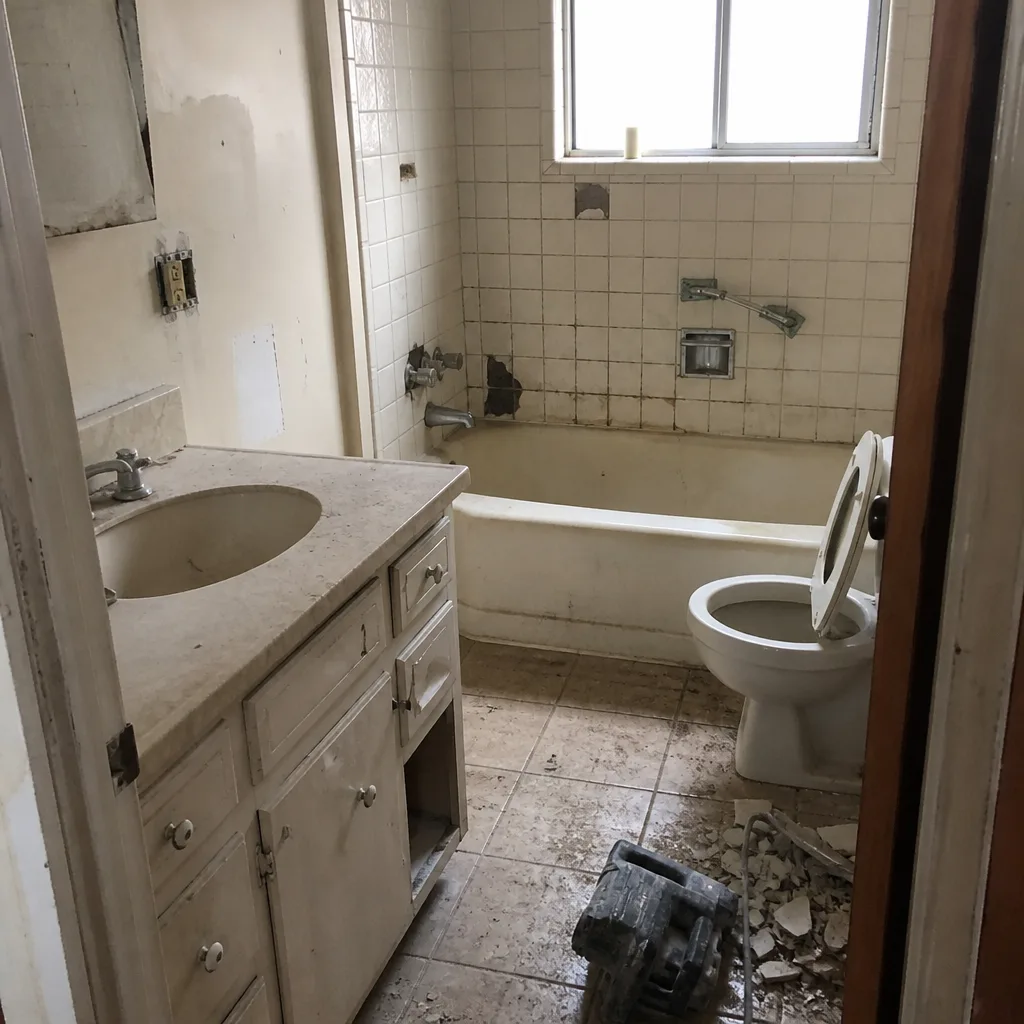 Before
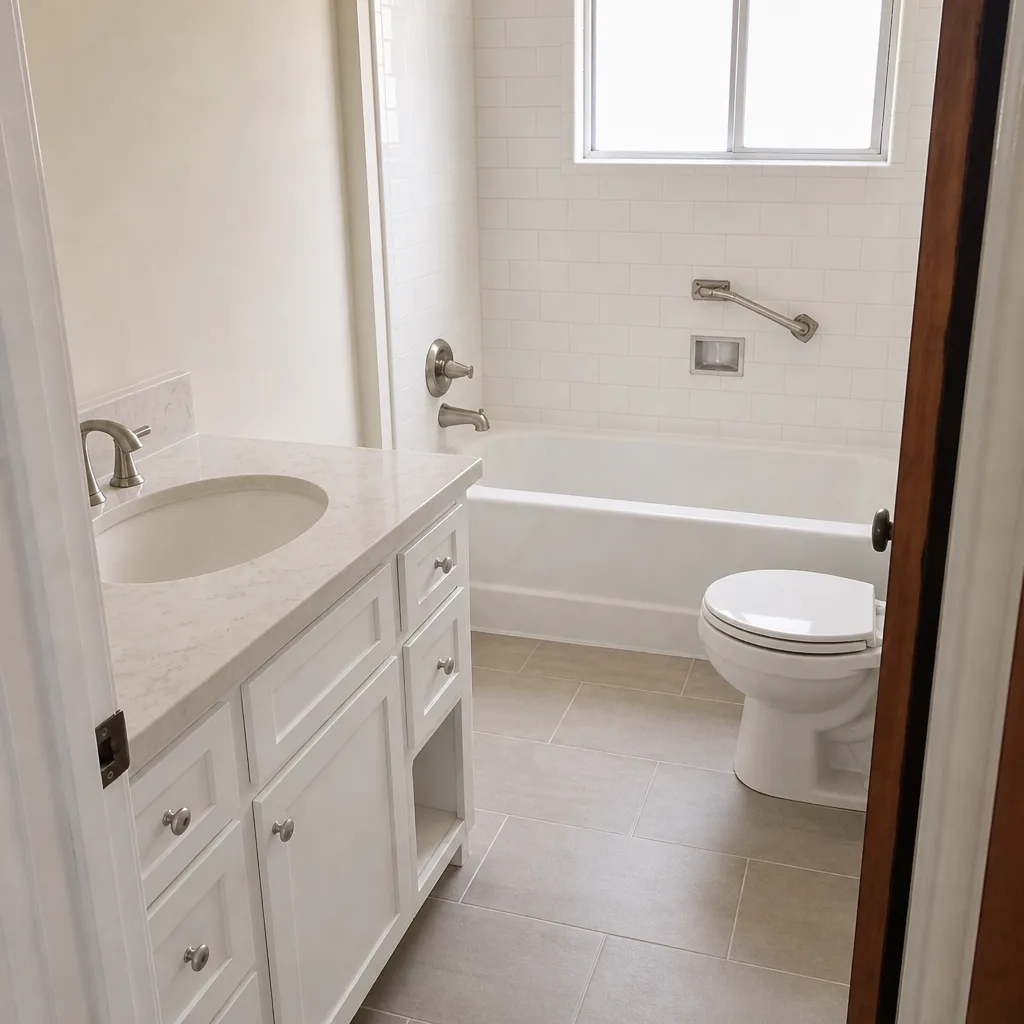 After
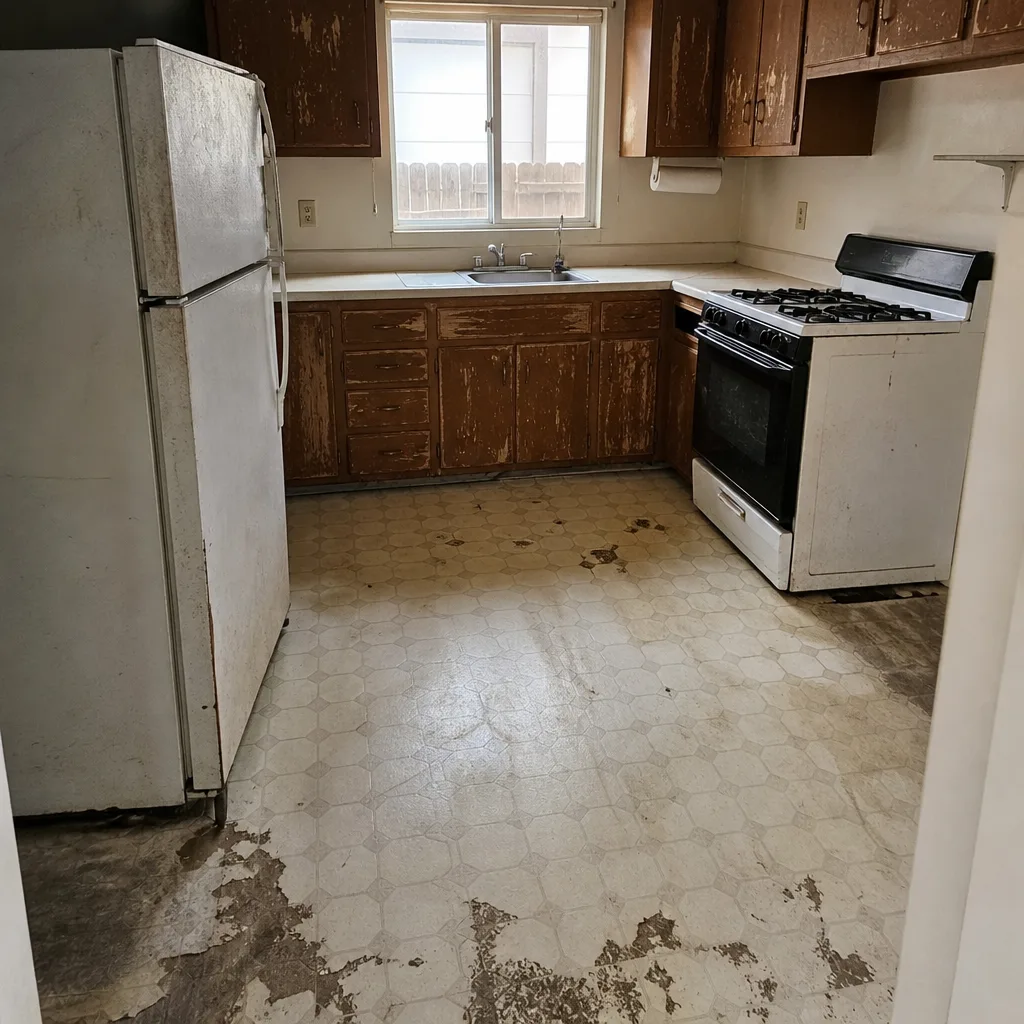 Before
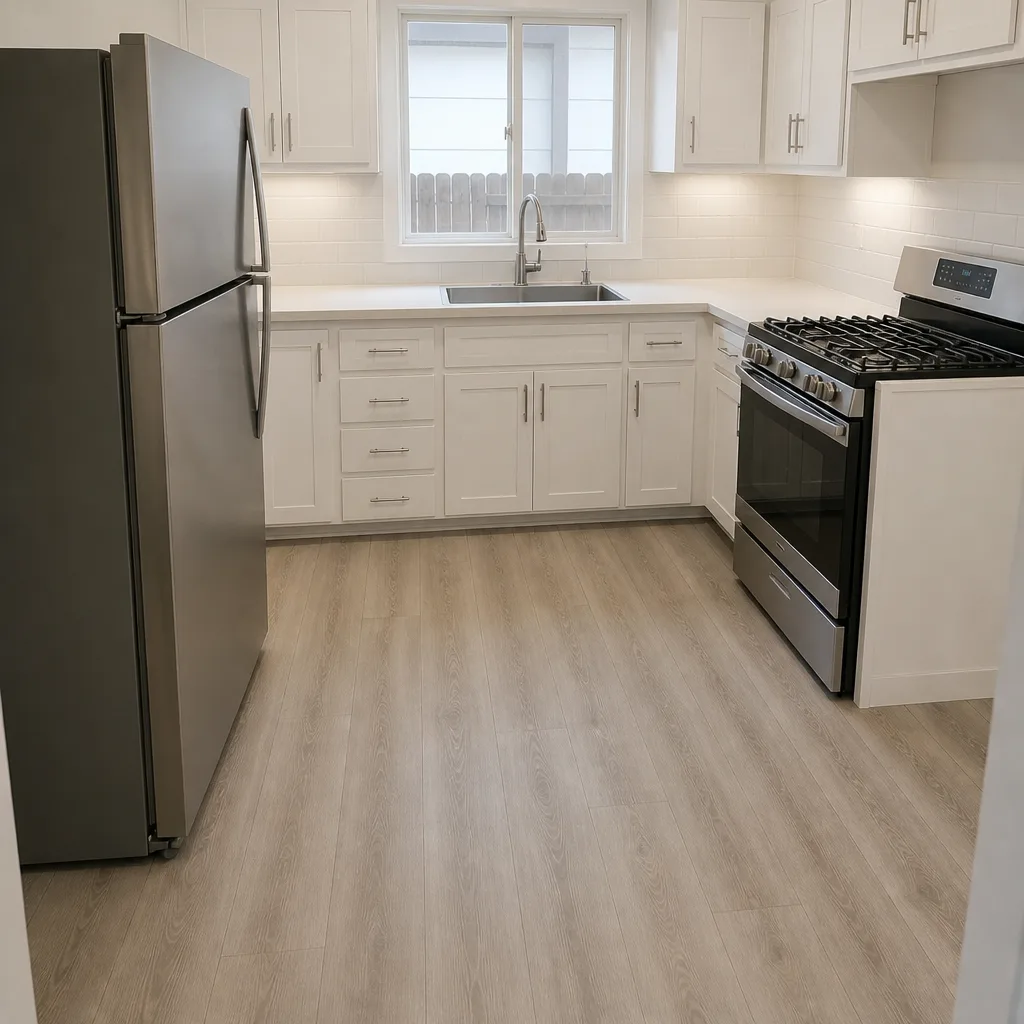 After
When to Call a Professional
Call a professional when maintenance stops being enough. That means a casement operator that won’t turn even after lubrication, water stains on interior walls below a window after the first Santa Rosa storm, a door frame that’s out of square, or a threshold that has rotted into the subfloor. It also covers anything involving glass replacement on a large or elevated unit, exterior trim at height, or a wood window where the paint film has failed across more than the sill area. In our experience, most of these are decisions best made with a written scope in front of you: what’s failing, what it costs, and what the alternative is. Rowan Construction Group Santa Rosa offers free estimates in Santa Rosa, with a flat written price before any work begins and no change order without a signature – call (833) 842-1866. Every visit includes a documented photo record of what we found.
Frequently Asked Questions
Once every 12 months is the standard, and the manufacturer care guides for most major brands require it. Use 3-IN-ONE Multipurpose Oil on casement operators and hinges. A 20-minute annual task prevents the $150 to $300 per-window operator repair that neglect causes. If your windows are more than five years old and have never been lubed, do it this October.
A toothpick, a pipe cleaner, or a short burst of compressed air clears a weep hole in seconds. Clean them every 6 months, and prioritize the October cleaning in Santa Rosa because leaf fall fills the channels right before the rain season. If water pools in the channel instead of draining out, the weep path needs another pass. Call (833) 842-1866 if a window won’t drain after clearing.
Every 3 to 5 years, depending on sun exposure. A west-facing door in Santa Rosa takes heavy afternoon UV and needs it closer to every 3 years. The test: if a business card slides under the door sweep at any point, the seal has lost contact and it’s time. It’s a low-cost seal, and it’s the first line of defense before water reaches the threshold.
Close the door on a dollar bill at three points along the opening edge (top, middle, bottom) and pull. You should feel a firm, consistent drag at every point. If the bill slides out freely anywhere, the seal has failed there and needs replacement. Light around the door is not a reliable test; the drag test is.
It can deny specific claims. Milgard, Andersen, and Pella all publish maintenance requirements (hardware lubrication, clear drainage) as conditions of coverage. A failure traced to neglect – a seized operator, blocked weep holes – can be excluded as a maintenance failure rather than a defect. Doing the 20-minute annual task and keeping a short note protects the claim. Call (833) 842-1866 for a free second opinion on any written estimate if a claim gets denied.
Because west-facing surfaces absorb direct afternoon sun, which carries the highest UV load of the day in Santa Rosa’s dry, high-UV summers. West-facing windows often need repainting every 4 years, versus 5 to 6 for east, about 5 for south, and up to 7 for north-facing units that never get direct sun. Test with a fingertip and a pale cloth: chalky white residue means the film is failing.
The Bottom Line
Window and door maintenance is not a general suggestion, it’s a set of specified tasks with specified intervals, and the manufacturers built their warranty terms around them. Weep holes every 6 months, operators lubricated with 3-IN-ONE every 12, door seals replaced on the 3-to-5-year clock, weatherstripping checked with the dollar-bill drag test, and paint intervals set by which way the window faces. The October cluster – caulk, drainage, door sweeps – is the one Santa Rosa’s rainfall pattern makes non-negotiable. Do the 20 minutes a year, keep the notes, and the schedule runs itself. Call (833) 842-1866 to schedule a free estimate.
Written by the team at Rowan Construction Group Santa Rosa.