Last updated November 17, 2026
Free written scope consultation - allowances, timeline, and change-order rules on paper before a single trade is scheduled
Windows & Doors Troubleshooting: Common Problems and How to Fix Them
A drafty window is not always a seal failure. In our experience across Santa Rosa homes, it’s frequently a sash that has drifted out of square by an eighth of an inch. In a wood or fiberglass frame, that’s a ten-minute adjustment with a screwdriver, not a $900 replacement. The gap between those two outcomes is diagnosis: knowing which component moved, testing it a specific way, and adjusting or replacing the right part. This guide walks through the most common window and door failures we see in Santa Rosa, organized by symptom, with the exact sequence we use to sort a small adjustment from a real structural problem.
Quick Answer
Most window and door problems trace to one of six causes: a sash or door slab out of square, worn hardware, seasonal wood movement, a failed insulated glass seal, frame racking, or foundation and header movement. Confirm which one you have before spending money. A draft that appears only in winter is usually contact, not seal. Fog between panes is a confirmed seal failure with no field repair. A door that sticks in spring and swings free in fall is wood absorbing Sonoma County humidity, not a hardware defect. The fix follows from the symptom, and roughly half the problems on this list are adjustments under $50 rather than replacements north of $1,000.
Styles & brands we work with
- Kitchen remodeling
- Bathroom remodeling
- Home additions & ADU
- Roofing
- Windows & doors
- Driveway & pavers
- Fence
Table of Contents
- Drafty Windows: Test Sash Contact Before You Assume Seal Failure
- Condensation Between Panes: What It Means and What It Costs
- Sticking Windows and Doors: Wood Swell, Hardware, or Frame Racking
- How to Test a Door for Square With a Digital Level
- Replacement Hardware: Names, Part Numbers, and Where to Buy
- The Door Latch That Won’t Catch: A Three-Step Sequence
- When the Problem Is Structural, Not Hardware
- Common Mistakes to Avoid
- When to Call a Professional
- Frequently Asked Questions
Drafty Windows: Test Sash Contact Before You Assume Seal Failure
A window that leaks air is telling you something moved. In double-hung and casement units, the air seal depends on the sash pressing evenly against the frame or against the weatherstripping in the jamb. When the sash drifts, the contact weakens at one corner and you feel air. Replace the whole window and you may fix a symptom you could have adjusted away.
Run this test in order:
- Close the window and press on each corner of the sash. If the sash rocks, the gap is contact, not weatherstrip. Try a business card at the corners. If the card slides through at one corner and grabs at the opposite corner, the sash is out of square.
- Check the sash lock. A double-hung sash lock that’s loose or misaligned pulls the upper and lower sash together and closes the meeting-rail gap. Tighten the lock screws and check that both sash meet flush. If the lock cams over easily but the gap remains, the lock is misaligned and needs adjustment.
- Inspect the weatherstripping along the jamb for compression. Worn bulb seal with a flat, shiny wear pattern is a wear issue, not a seal failure. New bulb seal and a lock adjustment usually solve it.
- Check the frame for gaps at the wall. A dark line of separation between the interior trim and the drywall means the frame has separated from the wall, which is a different problem than sash contact.
If the sash test shows a drift, the adjustment is at the sash balance or at the hinge side of a casement. That’s a ten-minute task. If the card slides freely all the way around the sash, the frame itself has moved, and you’re in the structural section of this guide.
The reason this matters in Santa Rosa specifically is the way our housing stock was built. Homes from the 1950s through the 1980s in neighborhoods like Montgomery Village and Bennett Valley were framed with wood and fiberglass sashes that are still serviceable when they haven’t cracked. The problem we see most often is not the sash age; it’s movement. A frame that was set true in 1968 has racked slightly since, and the sash follows the frame.
Condensation Between Panes: What It Means and What It Costs
Fog between the panes of a double-pane unit means the insulated glass unit (IGU) has failed. The perimeter seal that keeps moisture and argon gas inside has a breach. There is no field repair. You cannot refill argon in a sealed unit in your driveway, and you cannot dry the cavity out.
Here’s the diagnosis that separates a seal failure from surface condensation:
- Fog inside the glass (you can see it from the outside, and it doesn’t wipe away from the interior): confirmed IGU seal failure. The only fix is replacing the glass unit, not the whole window.
- Condensation on the room-side face (wipes clear with a cloth): interior humidity, usually from a bathroom, kitchen, or laundry without enough exhaust. Not a window defect. A wet interior pane with fog in the corner is a glass unit that’s been temperate and running hard, and it’s worth noting before you replace it.
- Condensation on the outside face (wipes off with a cloth from the exterior): telltale sign of a well-performing unit. The outside pane is running colder than the outside air, which is what a good IGU is supposed to do.
When the fog is inside the glass, you have a decision. Replacing the IGU (the glass unit only) is usually a fraction of a full window replacement, and it’s the right call when the frame and sash are sound. Replacing the entire window is right when the frame is warped, the sash is cracked, or the unit is past the point where the frame is worth keeping. In Santa Rosa, the marine-layer humidity that rolls in from the coast through summer mornings is a known stressor on older perimeter seals, so the same failure shows up on the west and northwest faces more often than the east.
If you’re weighing whether to repair the glass or replace the unit, our team has installed thousands of these, and we’ll say which option is the cheaper honest answer. Rowan Construction Group Santa Rosa home is where our written pricing system starts, and every estimate includes a written scope so you know which part of the window is being replaced.
Sticking Windows and Doors: Wood Swell, Hardware, or Frame Racking
A window that stuck all summer and slides free in winter is not a hardware problem. It’s wood and fiberglass absorbing humidity and swelling. The three causes look similar and need different fixes.
Wood swell
The sash binds at one edge or across the sill, and the fit changes with the season. In Santa Rosa, the wet season from November to March grows wood sash a few thousandths of an inch, and that’s enough to make a tight sash bind. The first fix is a light sanding of the binding edge with 120-grit paper, then a coat of wax on the jamb contact surface. Do not plane the sash until you’ve confirmed the frame is plumb, because planing a plumb sash in a racked frame solves nothing.
Hardware failure
The sash binds even when the weather is dry. That points to a sash balance that’s failed (double-hung) or an operator that’s stripped (casement). Test by lifting the sash to see if it stays put. If it drops freely or catches on a click, the balance is the problem and it’s a replacement part, not an adjustment.
Frame racking
The window binds on every opening and the gap between frame and sash is wider on one diagonal than the other. This is a squareness problem in the rough opening, not the window. You can’t adjust the sash out of a racked frame. The fix is re-shimming the frame, and that’s a job for someone who can also check what’s moving at the wall and foundation.
For patios and exterior doors that rack, our Fence Installation in Santa Rosa crews regularly see how movement in the ground translates to hanging doors at the property line. The diagnosis is the same: measure the opening, don’t guess at the hardware.
How to Test a Door for Square With a Digital Level
A twelve-dollar digital level does the test a framing square can’t do because it reads to a tenth of a degree. Here’s the sequence:
- Set the door closed and latched. The door must be in its closed position for the reading to reflect the hinge side and the strike side together.
- Place the level on the hinge-side jamb face, plumb. Note the reading and the reference against a known plumb surface such as a level wall in another room.
- Place the level on the strike-side jamb face. Subtract the two readings. If the difference is more than 3/16 inch across the height of the door, the frame is out of plumb, and the hinge adjustment can only fix part of it.
- Measure the door slab diagonals. Corner to corner, top to bottom. A square slab reads within 1/8 inch on both diagonals. A slab that’s off by more than that has racked, and no hinge adjustment will fix a racked slab.
- Read across the top and bottom of the door with a straight edge. A dip in the middle or a high spot at a corner tells you the slab is warped. Warped slabs are a replacement conversation.
What a reading of more than 3/16 inch out of plumb at the hinge side means: the frame has moved relative to the rough opening, and the correct fix is shimming behind the hinge jamb toward plumb, not cranking on the hinges. Hinge adjustment can recover 1/16 to 1/8 inch of fit. Pushing a hinge to correct a 3/16-inch frame problem loads the hinge leaf awkwardly and shortens the life of the hinge. So the decision is frame shimming before hinge adjustment, every time. Shimming requires pulling the casing and re-setting the frame; it’s a 1 to 2 hour job for one door and doesn’t require replacing anything.
Replacement Hardware: Names, Part Numbers, and Where to Buy
We name parts because generic advice (“replace the operator”) is useless when you’re standing in a hardware aisle. The hardware on a casement or double-hung unit wears out in years, not decades, and the replacement is specific.
- Casement operators: Truth Entrygard operators (the name on the box) are the standard replacement for most crank-out casement windows. Match the operator to the arm length stamped on the existing part, usually a number in inches. Pull the old operator and bring it to a window-parts counter, because the arms and the spline pattern vary by model.
- Double-hung sash balances: Ashland and Blaine balancers are the standard replacements for metal-tension balances. The balance number is stamped on the channel, not the sash. If the number is gone, measure the sash weight and match to the balance reference chart.
- Sash locks: A loose lock is the cheapest fix on the list. Replace the lock set with the same screw-hole spacing or, when the spacing doesn’t match, use a filler plate.
- Door hinges: Match the hinge to the door’s weight class. A hollow-core door and a solid oak exterior door don’t take the same hinge. A hinge with the same leaf size and screw pattern is a straight swap; the weight class on the packaging tells you which.
Where to buy locally versus online: the patios and windows we see most in Santa Rosa homes are older wood and fiberglass units, and the local window-parts counters in the county carry more of these than the big-box chains. Online sellers are often the only source for discontinued balances and operators, and shipping is fast. The order of operations is to pull the part, get the number, and buy the exact replacement rather than a “universal fit” that requires drilling.
The Door Latch That Won’t Catch: A Three-Step Sequence
The most common cause of a latch that won’t catch in older Santa Rosa homes is seasonal wood movement, not a worn latch. The strike plate is on the frame and the latch is on the door, and when the frame swells, the two drift apart. The sequence matters because it moves from the free fix to the expensive fix, and you should never skip step one.
- Adjust the strike plate first (free). Draw the latch position on the jamb with a pencil, check where the latch actually meets the strike, and file or re-mount the strike plate in the direction that fixes the contact. A strike with an elongated screw hole can be moved 1/16 to 1/8 inch without filling and re-drilling. If the latch is striking the top of the plate, lower the plate with a screwdriver; if the latch is striking the bottom, the door has dropped or the frame has moved and the plate needs to move up.
- Plane the door second ($80 – $200). When the latch is striking the plate but the door binds on the jamb before the latch reaches the plate, the door has swelled past the frame. Plane the hinge-side edge and re-hang, or plane the latch-side edge and re-cut the strike. This is a trade task if you’re not comfortable with a plane and a finish cut. It’s an 80 to 200 dollar job done well.
- Replace the threshold last ($150 – $400). A dropped threshold tilts the door out of alignment and the latch can’t reach the strike regardless of the plate. Replacing the threshold moves the door back to level and the latch catches. Do this only after the strike and the slab have been tested and eliminated.
The sequence is the point. Most of the homes we see in Santa Rosa resolved the problem at step one, and the ones that went straight to a new door spent $900 to solve a free problem. Patio doors over an older slab need the same test because the threshold is often the part that moved.
When the Problem Is Structural, Not Hardware
Not every window problem is a window problem. Some findings say the framing, the foundation, or the header is moving, and no amount of adjustment will fix that.
- Doors and windows that bind in the same corner of the floor plan. If a door won’t latch, the window above it won’t open, and a bathroom door two rooms over is sticking, the movement is in the floor system or foundation, not in three separate hardware sets.
- Diagonal cracks from the corners of window and door openings. Hairline cracks that run from the corner of a window opening toward the ceiling or floor are the classic sign of settling at the opening.
- Gaps between the wall and the frame that open and close with the season. A gap at the head of the frame that’s wide in one season and closed in another is foundation movement, not a weatherstrip problem.
- A door that swings on its own and won’t stay still. A door that drifts open or closed is telling you the floor and the door are no longer parallel, which is a framing or foundation symptom.
- A header that sags. Look at the top of a window or door opening from across the room and check with a straight edge. A visible sag in the header above the opening is a structural finding, not a hardware one.
When these signs show up, the fix is not new hardware. It’s an assessment of what’s moving and a repair at the source, followed by re-setting the opening. Our Home Additions & ADU in Santa Rosa work is where these findings turn up first, because additions and ADUs open up walls where movement shows plainly. If you’re planning a project near an older opening, that’s the time to correct the framing before finish work covers it up.
The line between a part and a structural repair is the most valuable judgment in this guide. A window that won’t open because the sash balance failed gets a $60 part. The same window with a cracked jamb and a sagging header gets a framing repair first. Taking the cheaper route on the structural version is the most expensive mistake on the list.
Common Mistakes to Avoid
- Replacing the whole window when the sash is out of square. A sash that’s drifted an eighth of an inch is an adjustment, and the money saved is in the hundreds.
- Planing a sash in a racked frame. If the frame isn’t plumb, the sash will bind again after the first wet season, and you’ll have removed material for nothing.
- Cranking on hinges to fix a frame that’s out of plumb. Hinge adjustment recovers a fraction of an inch; more than that loads the hinge and the door becomes a bigger repair.
- Trying to fix fog between the panes yourself. The cavity is sealed and the argon is gone. Field repair is not a real option, and the only fix is a new glass unit.
- Skipping the strike-plate test before the plane or the threshold. In older Santa Rosa homes the free adjustment at the strike plate solves the latch problem more often than either of the more expensive fixes.
- Misreading interior condensation as a window defect. Surface moisture on the room-side glass is a ventilation question, not an insulated-glass failure, and the fix is exhaust, not a new window.
- Treating a structural symptom as a hardware symptom. Doors binding in a pattern and diagonal cracks at openings get an assessment, not a new latch. Doing otherwise is the fastest way to spend on a repair that comes back.
When to Call a Professional
Most of the problems in this guide are within reach of a homeowner with a screwdriver, a level, and an hour. The ones that aren’t fall into four categories. A door or window that binds in a pattern across the floor plan, a header that sags, a frame separated from the wall, or an insulated-glass unit that needs replacement all point to a professional assessment. We’d also add the cases where the fix requires pulling the casing and re-setting the frame, because doing that without a plan is where the exterior flashing and weather barrier get compromised. For that, we bring a written price before any work starts, plus the documented photo record of what we found, and our Driveway & Pavers in Santa Rosa and window crews use the same diagnostic record for the exterior envelope. Rowan Construction Group Santa Rosa offers free estimates in Santa Rosa; call (833) 842-1866 to schedule a diagnostic visit.
Frequently Asked Questions
A diagnostic visit that identifies the cause and gives you a written recommendation typically runs $150 to $350 in Santa Rosa, and that fee is often credited toward the repair. Simple adjustments such as a sash lock tighten or a strike plate adjustment are usually free or under $50 when done during another job. Call (833) 842-1866 for an exact quote; estimates are free.
You can replace the whole insulated glass unit only if you can source the correct unit dimensions and remove the existing glazing safely. The casual DIY route of trying to dry or refill the cavity never works. The IGU is a factory unit, and when the sash and frame are sound, swapping the glass unit rather than the whole window is the right call. Call (833) 842-1866 if you want the frame assessed before you order.
Wood and fiberglass frames absorb moisture during the wet season and swell, and the fit changes with the humidity. In Santa Rosa that cycle runs from roughly November to March, and a door that binds in that window is moving, not failing. If the binding continues in the dry months, that points to frame movement or hardware wear, and it’s a different diagnosis.
No. Fog between panes confirms the insulated glass unit’s seal failed, and the fix is replacing the glass unit, not the entire window. Whole-window replacement is the right answer only when the frame or sash is warped or cracked. The two options have very different price ranges, so get the frame assessed first. Call (833) 842-1866 to have it looked at.
Seasonal movement of the door and frame is the most common cause in older Santa Rosa homes, followed by a dropped threshold and worn hardware. The right sequence is to adjust the strike plate first, plane the door second, and replace the threshold last. Going straight to a new door to solve a latch problem is the most expensive mistake we see.
When doors and windows bind in a pattern across the floor plan, when diagonal cracks run from opening corners, or when a header visibly sags. Those findings point to foundation or framing movement, and the repair has to address the source before the opening is re-set. If you’re seeing two or more of those signs, get the opening assessed. Call (833) 842-1866 for a free estimate.
The Bottom Line
Most window and door problems in Santa Rosa trace to one of six causes, and diagnosis before spending is the whole game. A draft that shows up with a card test is a sash contact adjustment. Fog between panes is a confirmed glass failure with no field repair. Sticking operation sorts into wood swell, worn hardware, or frame racking, and the fix for each is different. The latch that won’t catch follows a three-step sequence from free to expensive. Structural findings get an assessment, not a new latch. Every one of these outcomes starts with a test you can run with a level and a business card, and every repair deserves a written price before anyone picks up a tool. Rowan Construction Group Santa Rosa handles the window and door work that follows, with background-checked, uniformed technicians and a documented photo record on every visit. Call (833) 842-1866 to schedule your free estimate, and if you already have a written quote from another contractor, bring it for a free second opinion before you sign.
Written by the team at Rowan Construction Group Santa Rosa.
See the difference
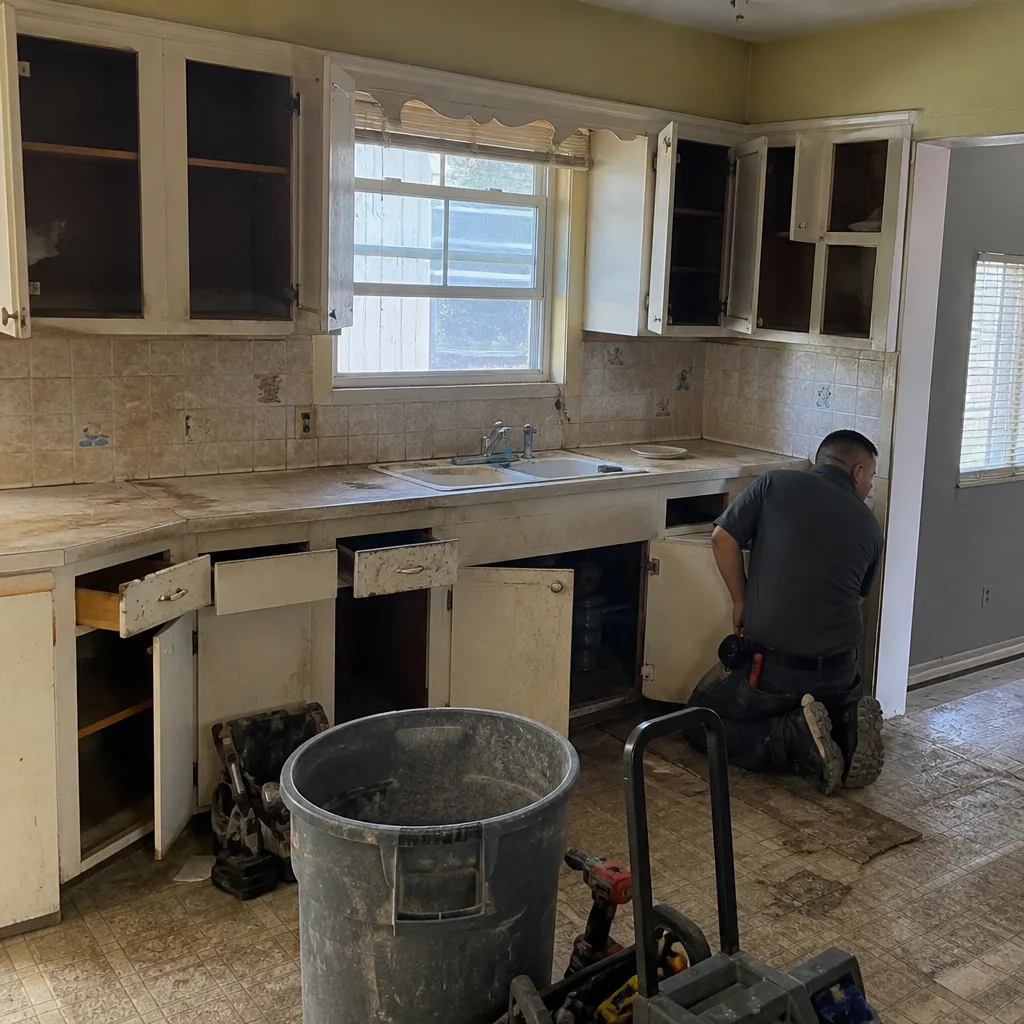 Before
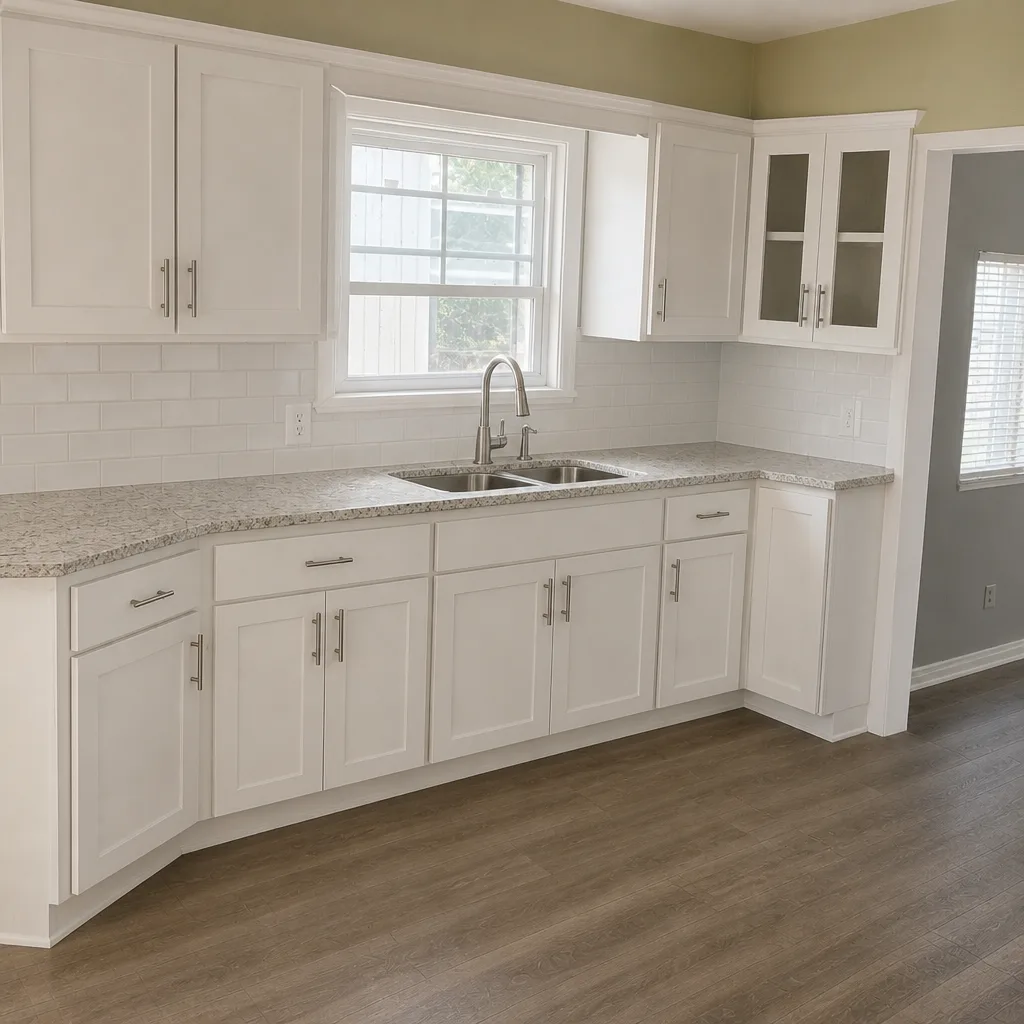 After
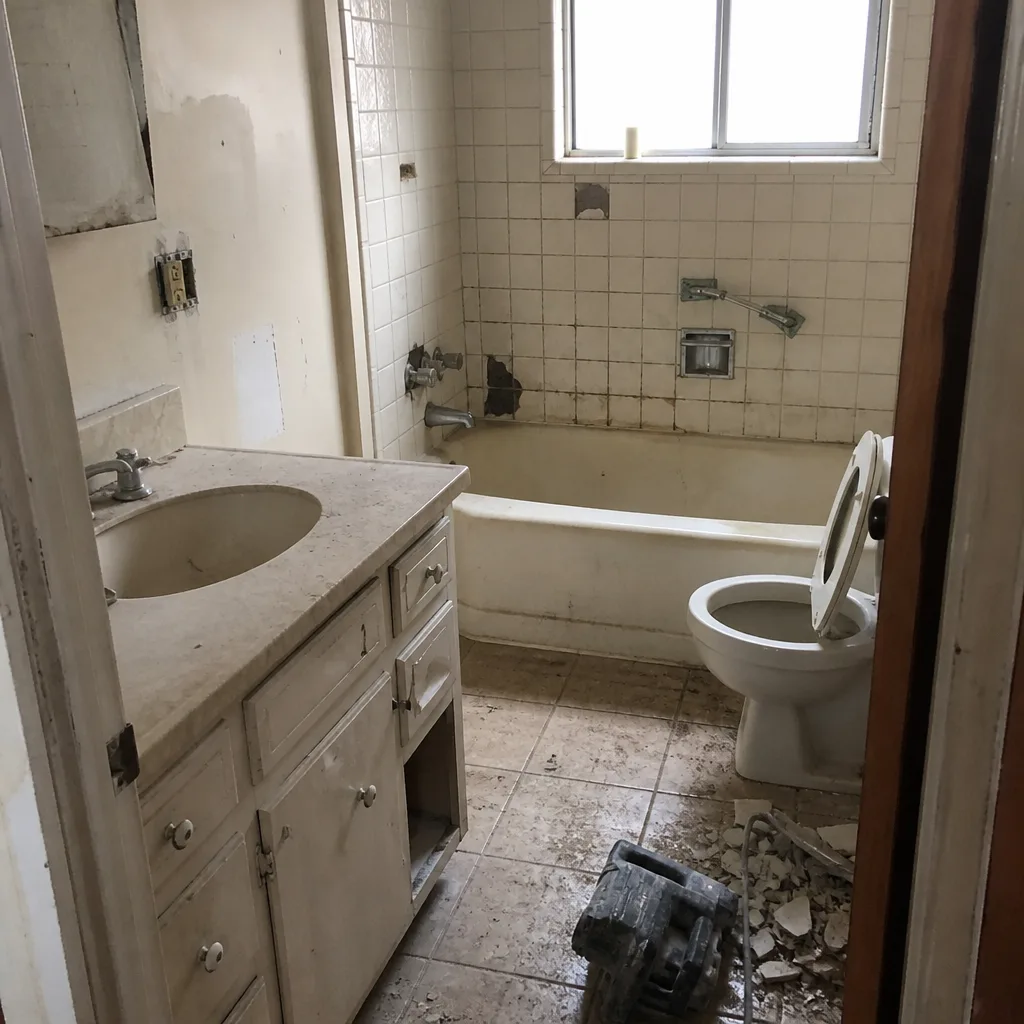 Before
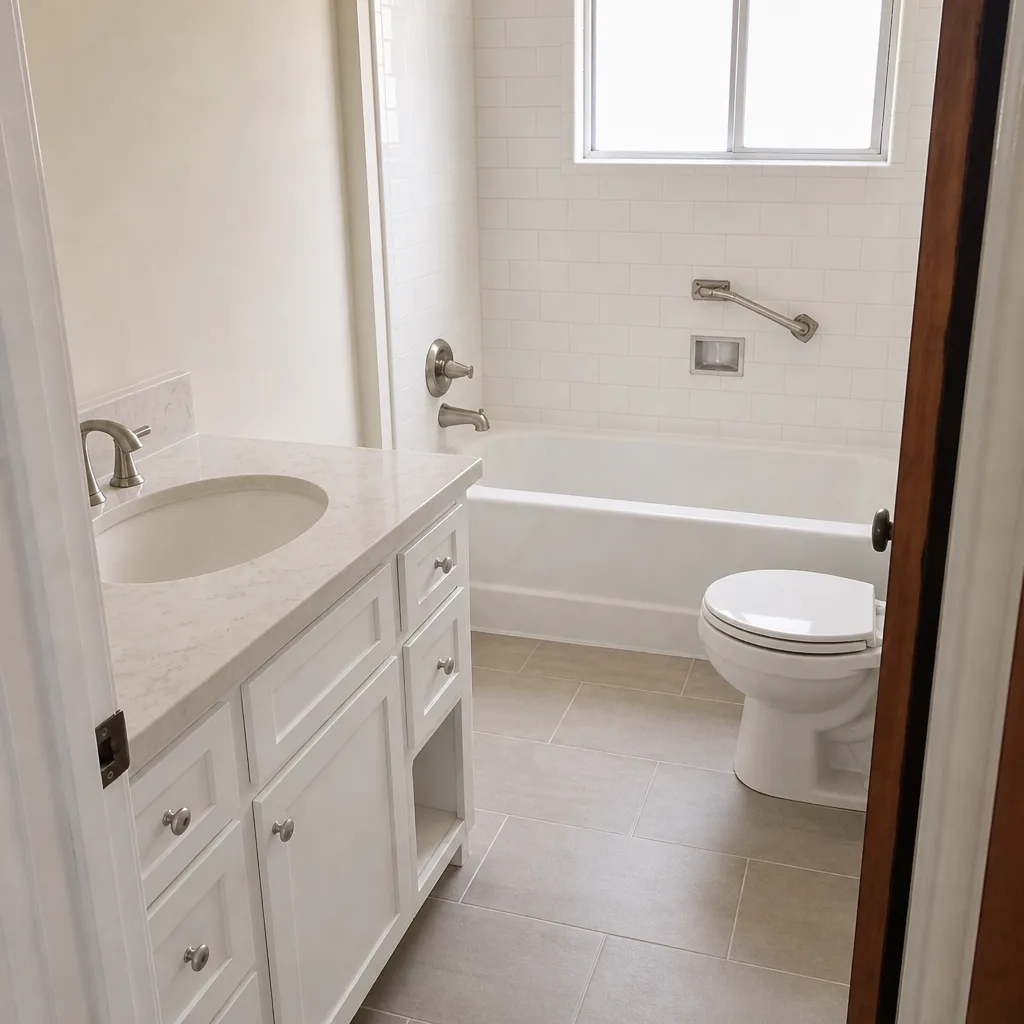 After
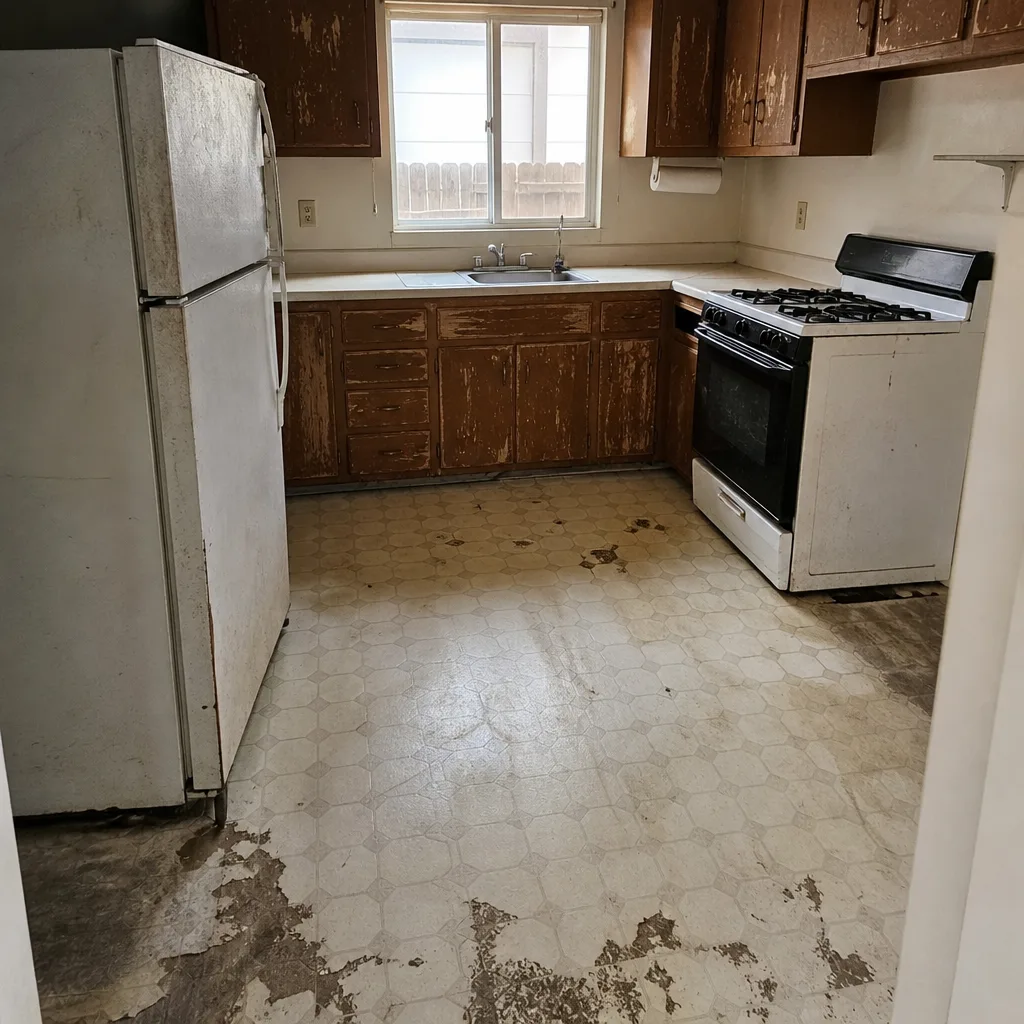 Before
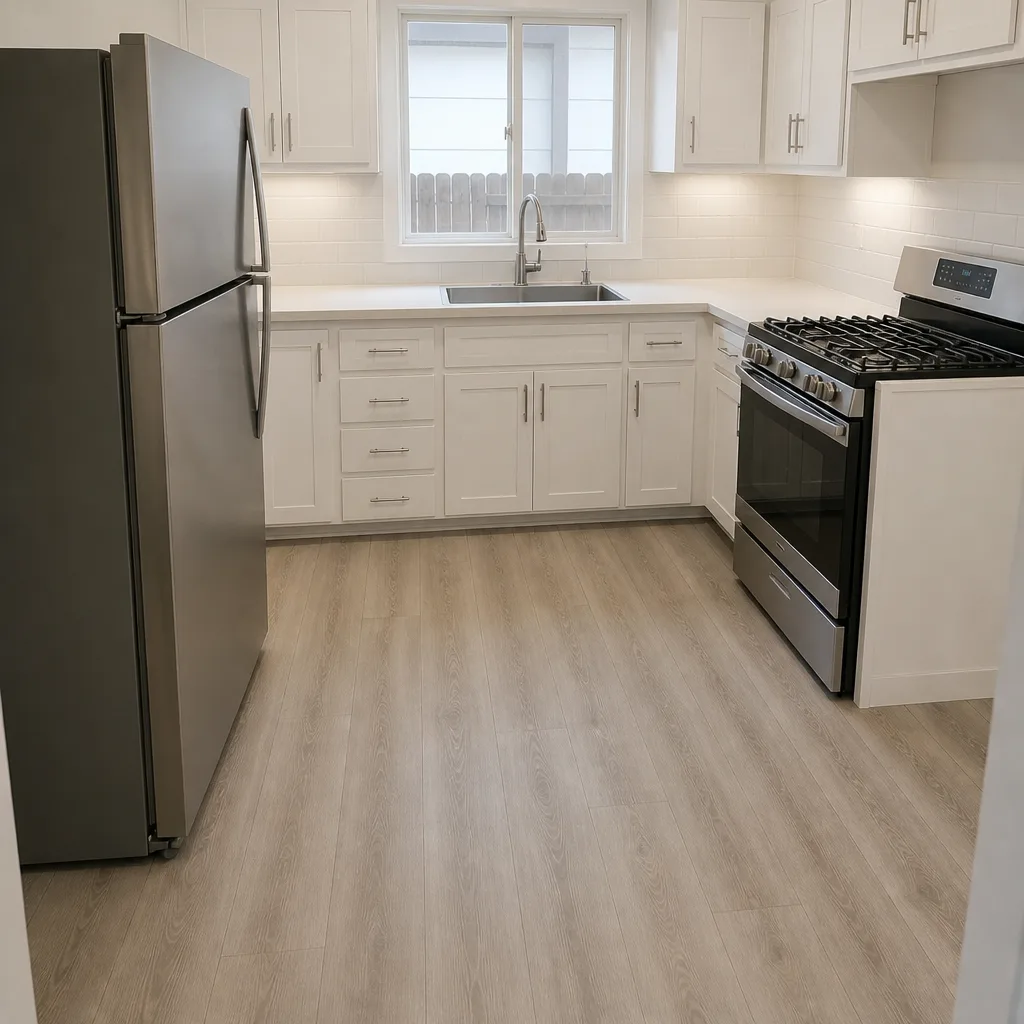 After