
Last updated November 17, 2026

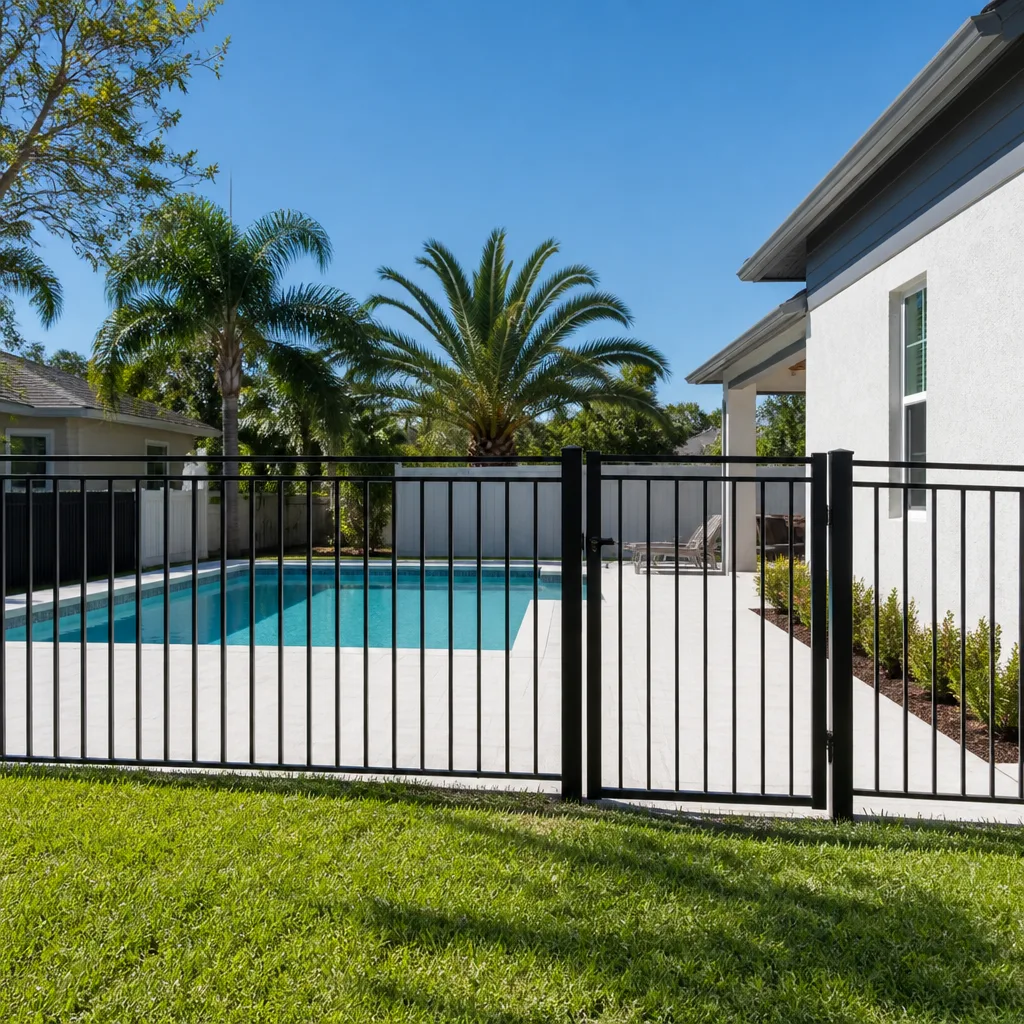






Free written scope consultation - allowances, timeline, and change-order rules on paper before a single trade is scheduled
Fence Installation Warning Signs Every Homeowner Should Know
Most fence jobs in Santa Rosa go wrong in the first hour, not the last. The concrete hasn’t been mixed, no board has been cut, and the failure is already set: the crew never called 811 to mark utilities, or they’re squinting at a property line they never pulled a survey to confirm. In our experience walking Santa Rosa properties, those two omissions sit behind the majority of fence removals, cut irrigation lines, and neighbor boundary disputes we get called in to correct. This guide covers what a legitimate crew does on day one, what improper post depth looks like from the surface, and how to catch a material swap or a handshake scope change before it costs you. You’ll finish knowing exactly which warning signs to watch for before the truck leaves your driveway.
Quick Answer
The biggest fence installation warning signs are: no printed 811 utility clearance ticket, no survey or plot plan referenced before digging, posts set too shallow for Santa Rosa’s expansive clay soils, materials that don’t match the written contract, and verbal “we’ll add it to the final bill” scope changes. Any one of these before work starts is grounds to pause the job and get it in writing.
Styles & brands we work with
- Kitchen remodeling
- Bathroom remodeling
- Home additions & ADU
- Roofing
- Windows & doors
- Driveway & pavers
- Fence
Table of Contents
- The Pre-Dig Checklist Every Legitimate Crew Walks Through on Day One
- Why the Property Line Is the First Thing That Should Slow You Down
- What Improper Post Depth Looks Like From the Surface
- The Material Substitution Warning Sign
- The Concrete Mixing Warning: Dry-Pour Done Wrong
- What a Signed Change Order Should Contain
- Why Santa Rosa Soil and Climate Change the Rules
- Red Flags in the Bid Itself
The Pre-Dig Checklist Every Legitimate Crew Walks Through on Day One
A professional fence crew arrives with paperwork, not just tools. On day one, before the first shovel hits the ground, a legitimate installation should walk through a documented sequence. Ask to see it. If the crew can’t produce it, that’s your first warning sign.
- 811 utility clearance ticket. The crew (or you) calls 811, and utility locators mark gas, electric, water, and communication lines. The crew should have a printed ticket showing the request date and the ticket number. Digging without it risks a cut gas line or a severed electrical service. In Santa Rosa, where older neighborhoods mix overhead and buried utilities, this step isn’t optional.
- Plot plan or survey reference. A survey, plat map, or the plot plan from your closing documents establishes where your property actually ends. Eyeballing it against the neighbor’s existing fence is how encroachment disputes start.
- Written scope and material list. Board grade, post size, post spacing, concrete type, and gate hardware should all be on paper before the crew unloads.
- Hole layout marked and confirmed. Posts should be laid out and marked before digging, so you can verify spacing and the line before irreversible work begins.
- Photo record of the starting condition. A documented photo record of the property line, existing fence, and layout protects both sides.
Each step prevents a specific failure. The 811 ticket prevents a utility strike. The survey reference prevents an encroachment claim. The written material list prevents a substitution. The layout confirmation prevents a fence built six inches inside your own lot. If a crew skips any of these, the risk is yours to absorb. For a fuller picture of how a documented installation should run, see our Fence Installation in Santa Rosa page.
Why the Property Line Is the First Thing That Should Slow You Down
Fence contractors who work fast skip the survey. They pace off the distance from the house to the street, line the new fence up with whatever the neighbor already built, and start digging. That’s how a fence ends up straddling a lot line, and in Sonoma County a boundary built in the wrong place can mean removal of a finished fence plus a surveyor’s bill.
Here’s what to watch for:
- No plot plan on site. If the crew leader can’t show you the document they’re using to establish the line, they’re guessing.
- Following the old fence blindly. Existing fences drift. A fence built in 1985 can sit a foot off the true line, and copying it just repeats the error.
- Agreeing with the neighbor verbally. “We’ll just meet in the middle” is not a boundary agreement. If there’s a dispute or uncertainty, a licensed surveyor settles it before anyone digs.
- No stake-and-string confirmation with you. Before digging, a careful crew marks the layout and walks it with you. That’s your last easy chance to catch a problem.
We’ve seen Santa Rosa homeowners in the older blocks near downtown and the Railroad Square area deal with lot lines that shifted over decades of additions and re-fencing. The survey reference isn’t bureaucracy. It’s the difference between a fence you build once and a fence you tear out and rebuild. When you get a written quote, a good contractor states the property line assumptions explicitly rather than leaving them to be discovered mid-dig.
What Improper Post Depth Looks Like From the Surface
You can’t see post depth once the concrete’s poured, but you can catch the warning signs before that point. Watch the crew dig. If the holes look shallow, or if the crew is setting posts in holes that reach little more than a foot into the ground, ask what depth they’re using and why.
In most of the country the conversation is about frost depth. Santa Rosa isn’t a frost-heave market. Our issue is clay. The soils around Santa Rosa expand and contract with seasonal moisture, and a post set too shallow or in an undersized hole gets levered loose by the same movement that cracks driveways and foundations here. The wind load on a six-foot privacy fence does the rest.
The depth formula that governs a well-built fence:
- Rule of thumb: post embedment should run roughly one-third of the fence’s above-ground height, adjusted for the local soil. A six-foot fence means posts set significantly deeper than a casual dig, and heavier or taller sections push that number up.
- Hole diameter matters too. The hole should be wider than the post so the concrete can surround it and provide lateral resistance against clay movement and wind.
- Deeper posts mean more concrete. If the crew is using too little concrete per hole, that’s a related warning sign.
- Drainage and grade. Post bottoms should sit below the influence of standing water. A Santa Rosa winter can leave water pooling in a hole for days.
What does it look like from the surface when it’s wrong? Posts that feel loose in the first month. Fence sections that lean after the first wet season. Gate posts that sag because a gate holds real weight and needs a heavier embedment and often a larger post than the rest of the run. If a crew dismisses your depth question, that’s the warning sign.
The Material Substitution Warning Sign
The crew pulls up with a different board grade or post size than your contract specifies and mentions “supply issues.” Maybe the posts are a size down, the boards are a thinner nominal thickness, or the wood is a different grade than the written quote. This is one of the most common fence installation warning signs, and it’s easy to miss if you don’t check the paperwork against what’s on the ground.
Material substitution without a written change order is not a logistics hiccup. It’s a scope change you didn’t approve, and it usually shortens the fence’s life. Thinner boards cup and warp faster. Undersized posts handle wind and gate weight poorly. Lower-grade lumber weathers unevenly, especially through Sonoma County’s wet winters and dry summers.
What to do if the material looks off:
- Compare against the written contract. The board grade, post size, and any brand specification should be listed. If it’s not listed, that’s a warning sign in the quote itself.
- Hold the line. Ask them to stop and produce a written change order describing the substitute material, the reason, and any price adjustment before anything is installed.
- Check for a paper trail. Genuine supply problems come with order confirmations and a documented reason. “Trust me, it’s the same thing” is not documentation.
- Watch brand naming. If the quote names a paver or material brand (Belgard or Techo-Bloc, for example), the delivered product should match. Off-brand delivery is a substitution, not a courtesy.
At Rowan Construction Group, Clause 1 of the Haven Standard is simple: the price is written before anyone starts, and no work proceeds on a change until the change order is signed. We name the material and grade in the quote so the crew and the customer are comparing the same document. That discipline is also why we offer a free second opinion on any written estimate, line by line, so you know what your current quote actually promises.
The Concrete Mixing Warning: Dry-Pour Done Wrong
Dry-poured concrete, where the dry mix goes into the hole and you add water afterward, is acceptable in some soil conditions. Done wrong, it leaves posts vulnerable for the life of the fence. Watch how the crew sets posts. If they shovel dry mix into a hole and give it a splash without the mix actually setting around the post, you have a problem.
Dry-pour works when the soil moisture is right and the mix can absorb water evenly. It fails when the hole is already saturated, when the mix is added too thin around the post, or when no water is added at all on a dry Santa Rosa day and the mix never properly cures. The result is a loose sleeve around a post that provides little lateral resistance. The same seasonal clay movement that a properly set post resists will gradually work a poorly set post loose. This is the same failure mode that makes Driveway & Pavers in Santa Rosa installation tricky when the base isn’t compacted right: the ground does the moving later.
What a careful crew does:
- Mixes or sets concrete to the manufacturer’s spec and knows why wet-mix is called for on a given site versus dry-pour.
- Adds the right amount of water and doesn’t leave dry pockets above or below the mix.
- Crowns the concrete slightly above grade so water runs away from the post, not into the wood.
- Uses appropriate hardware and post bases for posts that aren’t direct-buried, keeping wood out of soil contact where the design allows.
Ask the crew leader how they’re setting posts on your soil type and why. A crew that can explain the choice is a crew that knows what it’s doing. A crew that shrugs and reaches for the hose should concern you.
What a Signed Change Order Should Contain
Verbal “we’ll add it to the final bill” agreements are the leading cause of fence-job disputes. Mid-project scope changes are normal: a gate that needs a different swing, a rotten section discovered when the old fence comes out, a post that hits a buried irrigation line. What separates a clean job from a billing fight is whether those changes were written down before the work happened.
A signed change order should contain all of the following:
- A description of the added or changed scope in plain terms, specific enough that both sides know what’s included.
- The price impact, stated as a dollar amount, whether added or credited.
- The schedule impact, if any, and how it affects the completion date.
- Material specifics for the change, in the same detail as the original contract.
- A signature line and date for both parties, executed before the change begins.
No work should proceed on a change until the change order is signed. That single rule is the administrative discipline behind projects finishing within a few percent of the agreed cost, and it’s the reason a flat written price you approved in the beginning stays the number on the final invoice. When a crew tells you “we’ll sort it out at the end,” the question to ask is: sorted how, and at what price? Get it in writing or don’t approve the change.
Why Santa Rosa Soil and Climate Change the Rules
Generic fence advice written for the Midwest doesn’t fit Santa Rosa. Understanding the local ground is its own form of due diligence, and it’s often where the warning signs hide.
- Expansive clay. Much of Santa Rosa sits on clay soils that swell with winter rain and shrink through the dry season. Post embedment and hole width need to account for that movement. A depth that works in sandy soil can fail here.
- Seasonal moisture swing. Between wet winters and dry summers, the soil moves. Fence posts that aren’t set deeply enough get levered loose over a few seasons.
- No frost-depth rule. Contractors from colder markets sometimes quote a frost depth that doesn’t apply. The conversation should be about soil load, wind load, and drainage, not frost.
- Mature landscaping and older utilities. Established Santa Rosa neighborhoods often have undocumented irrigation and older service lines. The 811 ticket and a careful layout matter more here, not less.
- Drainage patterns. A slope that sends winter runoff across a fence line can undermine posts that would hold fine on flat ground. A careful installer checks grade before digging.
When we assess a Santa Rosa property, we look at the soil, the grade, and what the existing fence is doing before we quote. The same scrutiny applies across every trade, which is why we frame every job against the Rowan Construction Group Santa Rosa home standard: a written price, a written scope, and a documented record. The Home Additions & ADU in Santa Rosa work we do follows the same discipline, because the ground under a fence and the ground under an ADU are the same ground.
Red Flags in the Bid Itself
Half of the installation warning signs are visible before a single post is set, printed on the quote. A bid that can’t survive a careful read is your first clue about how the job will run.
- No written price, just a range. “Call for a quote” or a vague number is not a bid. You want a flat price with a written scope, or a clear price range with line items you can compare.
- No material specification. Board grade, post size, post spacing, concrete type, and gate hardware should all appear. If the quote just says “wood fence,” you’ve been given nothing to hold them to.
- No property line assumption stated. A bid that doesn’t mention how the line will be established is leaving the encroachment risk to be discovered later.
- No mention of utilities. Any quote that doesn’t account for 811 clearance is a quote from a crew that digs first and asks questions later.
- No warranty in writing. The quote should state what’s covered and for how long. A handshake warranty is no warranty.
- Pressure to sign now. Urgency to close has no place in a considered purchase. Take the quote home, read it against a second bid, and compare line by line.
Common Mistakes to Avoid
- Letting the crew dig before the 811 ticket is in hand. In Santa Rosa, with mixed buried utilities, digging blind risks a cut gas or electrical line and a bill nobody wants to pay.
- Trusting the existing fence as the property line. Old fences drift. Pull the plot plan or survey reference before layout, or you risk a boundary dispute with your neighbor.
- Accepting a material swap without a change order. “Supply issues” without documentation is a substitution you didn’t approve, and it rarely improves the fence.
- Ignoring shallow post holes because the crew seems professional. In Santa Rosa’s clay, undersized embedment fails after the first wet season, and you won’t see it from the surface until the fence leans.
- Agreeing to verbal scope changes. “We’ll add it to the final bill” is how fence jobs end in billing disputes. Make it a signed change order or decline the change.
- Skipping the second opinion on a written estimate. A free line-by-line review of a competitor’s quote often surfaces missing material specs or a price that doesn’t match the scope.
- Booking the cheapest bid without reading the specification. The low bid is often low because the material, post depth, or documentation is thinner than the bid you compared it to.
See the difference
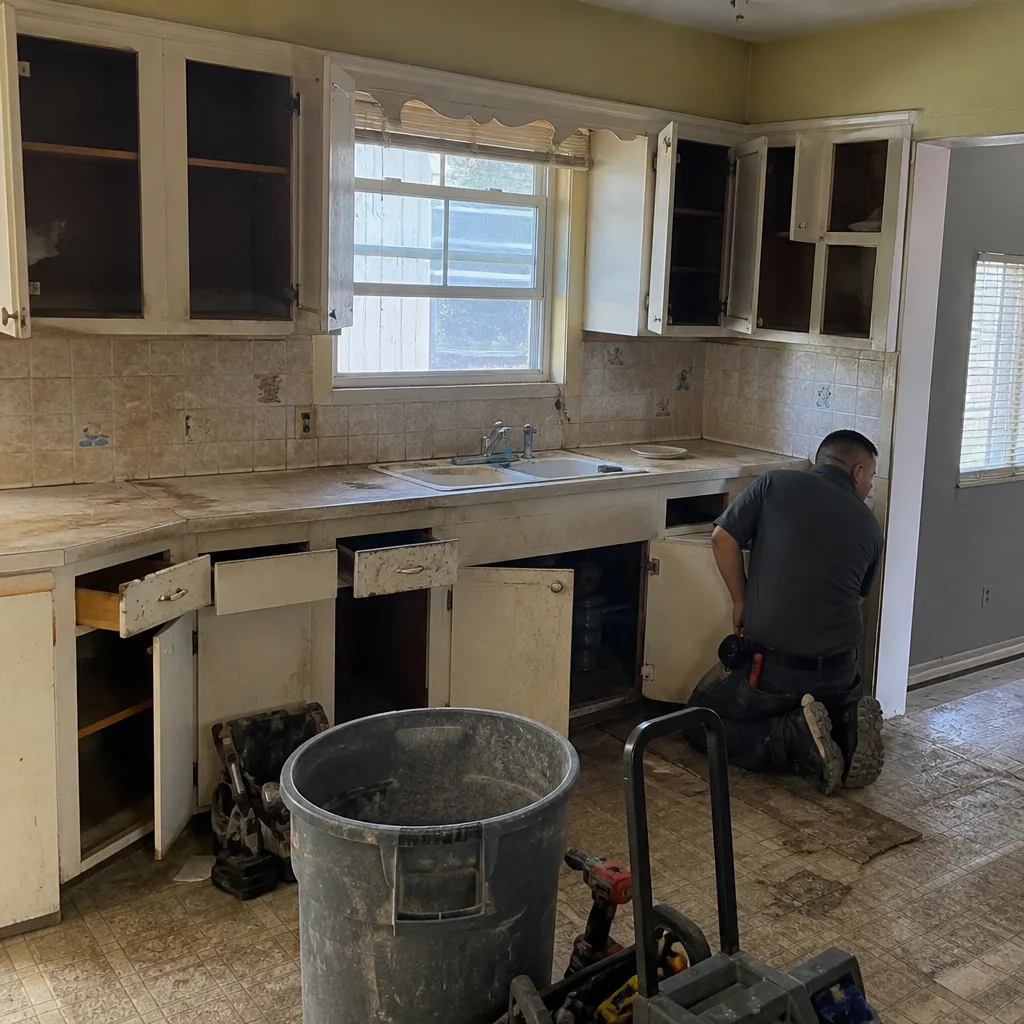 Before
 After
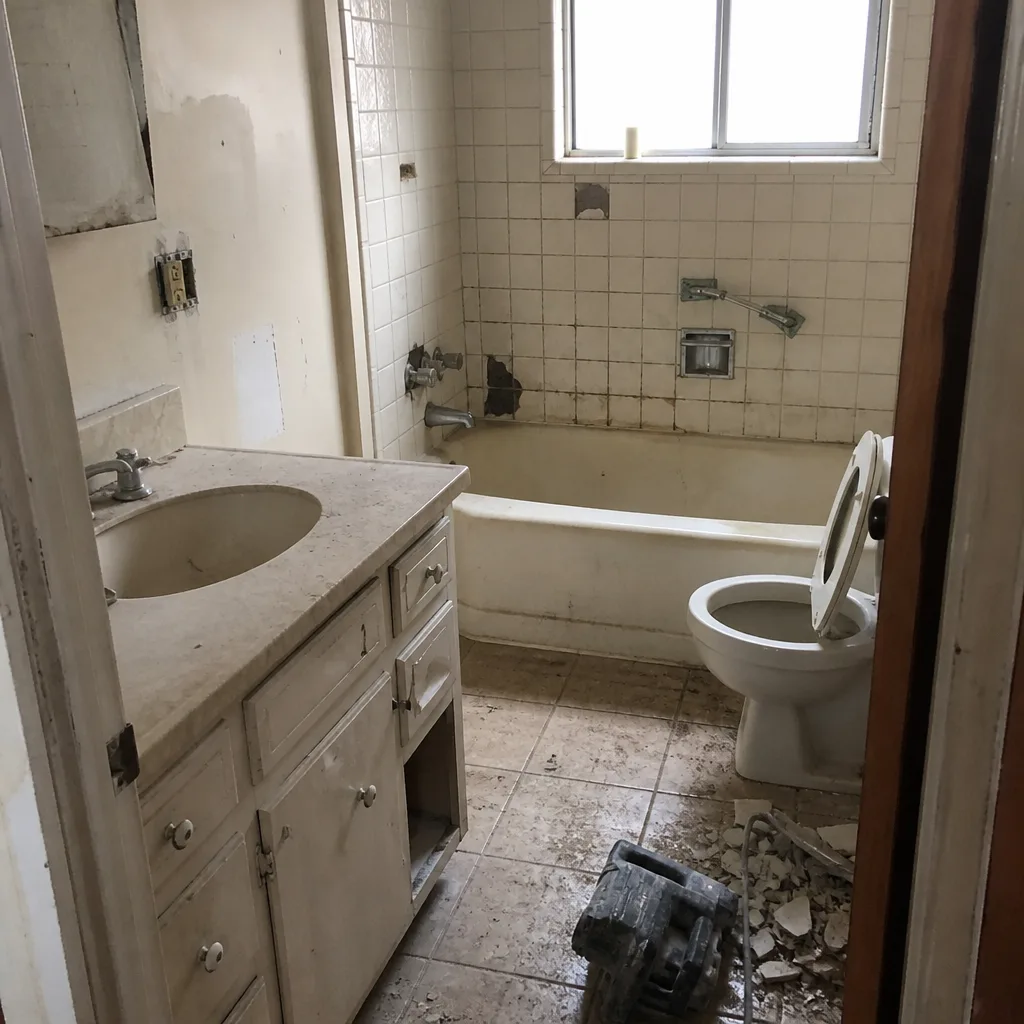 Before
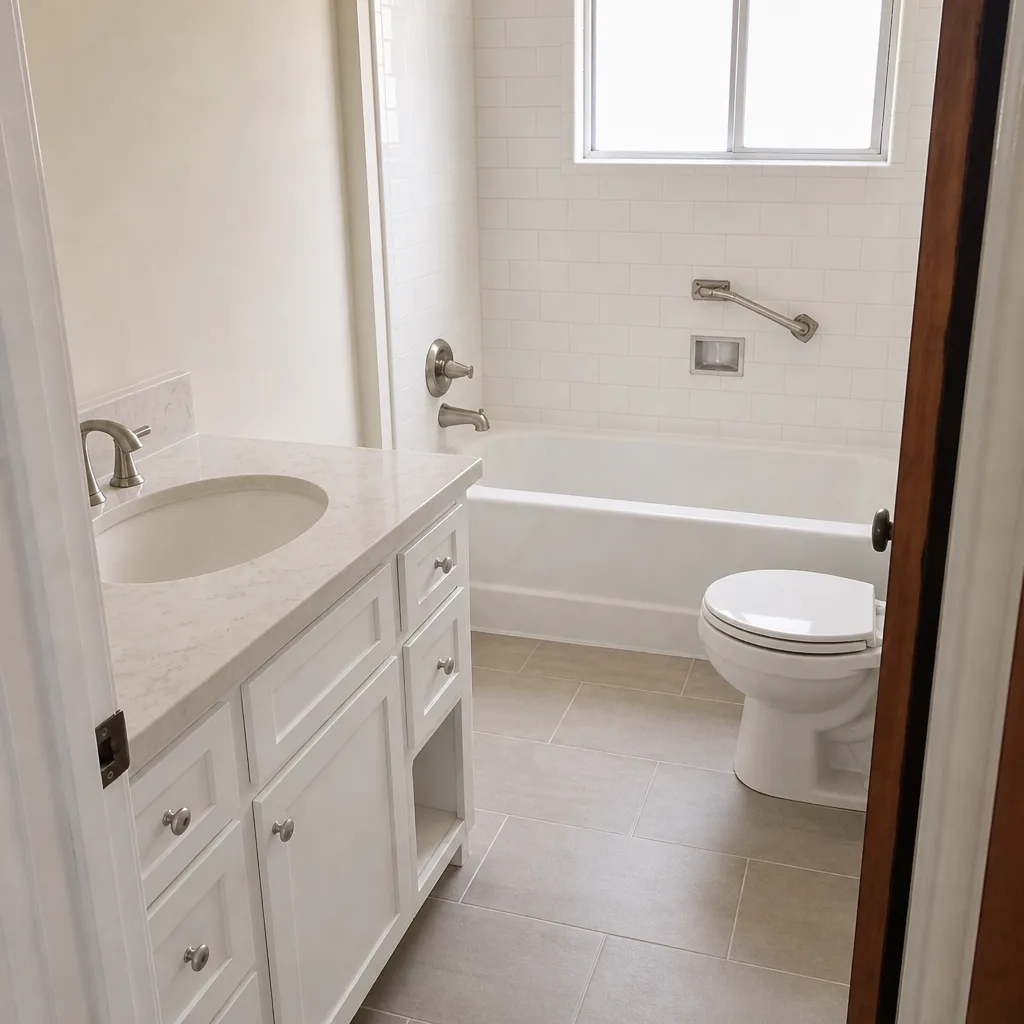 After
 Before
 After
When to Call a Professional
If any warning sign on this page shows up before work starts, call a professional and get a second opinion before the crew digs. The same goes for a fence on a shared or uncertain property line, a line that crosses a slope or drainage path, a job where utility locates are unclear, and any gate or heavy privacy section bearing real weight. Fence installation is a documented process, and the documentation is what protects you. Rowan Construction Group Santa Rosa offers free estimates in Santa Rosa. Call (833) 842-1866 to schedule yours, and bring any written estimate you already have for a free second opinion reviewed line by line.
Frequently Asked Questions
The first warning sign is a crew that shows up without a printed 811 utility clearance ticket. Without it, the crew is digging blind near gas, electric, and water lines, and that omission accounts for many of the fence removals and utility strikes we see in Santa Rosa.
Fence posts in Santa Rosa are typically set to roughly one-third of the fence’s above-ground height, adjusted for local clay soils, wind load, and gate weight. Because Santa Rosa doesn’t have a frost-depth problem, the governing factor is expansive clay movement and wind, not frost. Call (833) 842-1866 for an exact recommendation for your soil and fence height.
Dry-pour concrete is acceptable only in the right soil and moisture conditions, and it’s often misused. When the mix doesn’t absorb water evenly or sets too thin around the post, the post loosens over a few seasons. Ask the crew how they’re setting posts on your soil and why before they pour.
Stop the work and ask for a written change order describing the substitute material, the reason, and any price adjustment. Material substitution without documentation is a scope change you didn’t approve. Call (833) 842-1866 if you want a line-by-line look at the substitution against your original quote.
Verbal “we’ll add it to the final bill” agreements are the leading cause of fence-job disputes because no one agrees on the price or scope once the work is done. A signed change order before the work begins keeps the price honest and the project on budget.
You need a reliable reference for the property line, which is often the plot plan from your closing documents. If the line is uncertain or disputed, a licensed surveyor settles it before installation. Following an old fence or agreeing verbally with a neighbor is not a substitute.
The Bottom Line
Fence installation warning signs are observable before the crew leaves the driveway. A printed 811 ticket, a survey or plot plan referenced before digging, post depth fitted to Santa Rosa’s clay, materials that match the written contract, and a signed change order for any scope change are the marks of a job that will hold up. Skip any of them and you’re the one carrying the risk. If your quote or your crew is missing one of these, get a second look before the first shovel goes in. Rowan Construction Group Santa Rosa builds to a written price, a written scope, and a documented record on every job. Call (833) 842-1866 to schedule your free estimate.
Written by the team at Rowan Construction Group Santa Rosa.