Last updated November 17, 2026
Free written scope consultation - allowances, timeline, and change-order rules on paper before a single trade is scheduled
Home Additions & ADU Maintenance Schedule: What to Do and When
A detached ADU with its own electrical sub-panel, mini-split heat pump, and tankless water heater has roughly six systems that need annual service. None of them are covered by a standard home warranty. Three of them will void manufacturer coverage if the service isn’t documented. That’s the surprise most Santa Rosa ADU owners hit around year four or five: the unit was built to code, inspected, signed off, and then quietly began a maintenance cycle nobody wrote into the handover folder. This guide lays out that cycle month by month, system by system, with the Santa Rosa specifics that change the timing, and it names the documentation worth keeping because your lender will ask for it later.
Quick Answer
An ADU needs five maintenance jobs done on a fixed schedule: mini-split filters every 90 days, tankless water heater descaling once a year (Santa Rosa’s water is moderately hard), sub-panel breaker exercise annually, weatherstripping inspection each spring, and a slab foundation walk-through twice a year because Sonoma County’s expansive clay soils move. Plan on two to three hours total per year for the recurring items, plus exterior painting on a 10 – 15 year cycle if the ADU is clad in fiber cement.
Styles & brands we work with
- Kitchen remodeling
- Bathroom remodeling
- Home additions & ADU
- Roofing
- Windows & doors
- Driveway & pavers
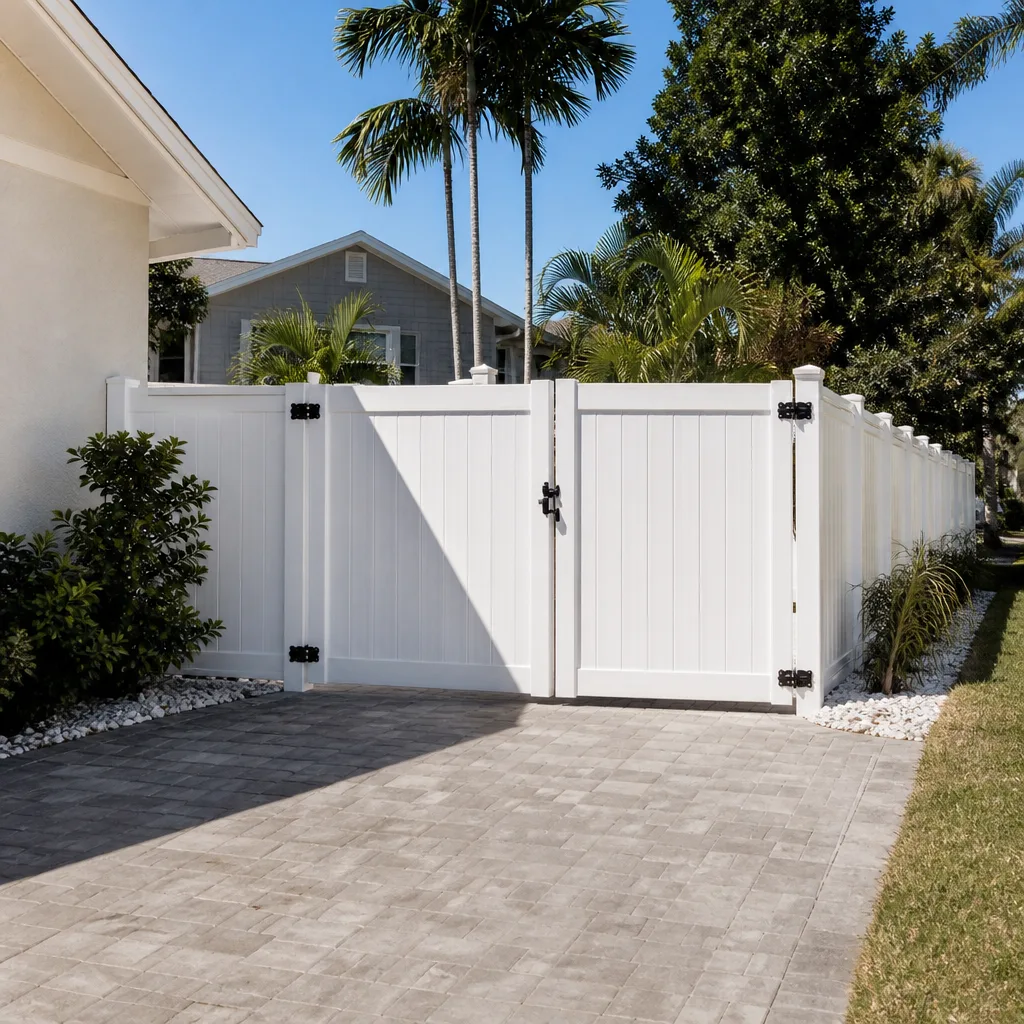
- Fence
Table of Contents
- Why an ADU’s Maintenance Cycle Differs From Your Main House
- The Month-by-Month ADU Maintenance Checklist
- Foundation Inspections for Slab-On-Grade ADUs in Santa Rosa’s Clay Soils
- Utility Connection Maintenance Most ADU Owners Overlook
- Exterior Maintenance: HardiePlank vs. Wood Siding Costs
- The Documentation File You Should Keep (and Why It Matters)
- Common Mistakes to Avoid
- When to Call a Professional
Why an ADU’s Maintenance Cycle Differs From Your Main House
A main house in Santa Rosa has been added to, repaired, and re-inspected over decades. Its systems have a service history. An ADU built in the last decade, common across Rincon Valley, Coffey Park, and the newer infill lots off Mendocino Avenue, is different. It has a shorter track record and a different set of connections.
Three structural reasons explain why the maintenance calendar isn’t a scaled-down copy of the main house schedule:
- Separate utility stubs. The ADU has its own service lateral tied into the main house utility line at a shared connection point. That connection is a maintenance item the main house doesn’t have.
- Separate sub-panel. The sub-panel feeding an ADU carries its own breakers and its own load. Breakers that sit unexercised for years can seize.
- Slab-on-grade foundation. Most ADUs on Santa Rosa infill lots are built on a slab rather than a raised perimeter foundation. A slab in clay soil behaves differently from one on sandy ground, and the inspection cadence changes to match.
We’ve seen ADU owners run a perfect maintenance schedule on the main house and skip the ADU entirely, because the ADU felt new. New doesn’t mean maintenance-free. It means the maintenance is scheduled by the manufacturer’s warranty rather than by a home inspector’s punch list. And under the 365-Day Done Right Promise, the warranty is backed by The Haven Standard, which means the schedule matters to whoever installed the equipment, not just to the homeowner. Compare that with the broader approach to Home Additions & ADU in Santa Rosa, where the documentation package is part of the finished product.
The Month-by-Month ADU Maintenance Checklist
Here’s the schedule laid out the way we’d hand it to a client at final walk-through. The dates assume a Santa Rosa climate, so February through April is your rain and wind season, July through September is dry heat, and the shoulder months are the calm windows for service that requires opening the unit up.
- January: Walk the exterior for storm damage and check the weatherstripping seal on the ADU’s exterior door.
- February: Open the sub-panel and exercise every breaker by flipping it off and back on. This is the only maintenance the breakers need, and it’s the one most people skip.
- March: Clean the mini-split filters (quarterly item, so this is one of four). Wipe the indoor head and inspect the condensate drain line for clogs.
- April: Inspect the roof flashing around the ADU’s penetrations and check gutters if it has them. Walk the slab perimeter and note any new hairline cracks.
- May: Service the tankless water heater. In Santa Rosa’s moderately hard water, descaling once a year keeps the heat exchanger from losing efficiency.
- June: Clean the mini-split filters (second of four). Check window and door screens, and look at any exterior caulking around windows.
- July: Test smoke and carbon monoxide detectors, and inspect the pressure-reducing valve if the ADU runs off the main house water line. A failing PRV will show up as higher water pressure at the taps.
- August: Repaint touch-ups and check exterior stain or sealant if applicable. Fiber cement paint cycle runs 10 – 15 years; wood is 5 – 7.
- September: Clean the mini-split filters (third of four). Check the condensate drain again, since summer run time is higher.
- October: Clear the sewer cleanout access if it’s on the shared line. Make sure nothing has grown over the cleanout cap.
- November: Clean the mini-split filters (fourth of four). Do a final exterior weatherstripping check before the wet season starts.
- December: Second slab foundation walk-through. Photograph the exterior of the ADU from all four sides so you have a year-over-year comparison.
The order matters less than the fact that each item gets a calendar entry. The photo record on each walk-through visit is what turns maintenance into evidence, which is why we include one as standard deliverable rather than treating it as an upgrade.
Foundation Inspections for Slab-On-Grade ADUs in Santa Rosa’s Clay Soils
Sonoma County’s expansive clay soils swell when they take on water and shrink when they dry out. That cycle pushes a slab foundation up and down slightly every year, and it’s the reason a slab ADU in Santa Rosa needs a slab inspection twice a year rather than once every five years like a slab in a stable soil area.
What to look for during the walk-through:
- Hairline cracks less than 1/16 inch wide that haven’t changed since the last inspection: cosmetic, monitor only.
- Cracks wider than 1/8 inch, or any crack that’s visibly wider than it was 12 months ago: call a structural engineer for an evaluation.
- Doors and windows that stick more in the dry season and swing free in the wet season: that’s a sign of slab movement, worth documenting with photos at both extremes.
- Any crack that runs diagonally from a corner or that shows displacement (one side of the crack higher than the other): call an engineer.
- Sunken or heaved areas around the slab perimeter where the soil contact has changed: needs evaluation.
The threshold we use is straightforward. A crack that’s under 1/16 inch wide and hasn’t grown since the previous six-month check is cosmetic. A crack that’s grown, that’s wider than 1/8 inch, or that shows displacement crosses the line and warrants a California-licensed structural engineer’s written opinion. The engineer’s report is also the document your future buyer’s lender will want if the question comes up at sale. Keep it in the same file as the construction documents.
One more local note: if the ADU sits near a mature oak, eucalyptus, or redwood, the soil moisture profile changes more than usual, and the annual movement can be amplified. In that case the six-month inspection cadence is a minimum, not a ceiling.
Utility Connection Maintenance Most ADU Owners Overlook
An ADU shares three things with the main house: the electrical service, the water service, and the sewer lateral. All three have a connection point that belongs to nobody’s maintenance schedule unless you write it into one.
The connection point between the ADU’s service lateral and the main house line. This is where the new conduit ties into the existing service. Check the conduit fittings and the LB (the L-shaped conduit body at the wall) once a year for corrosion, insect intrusion, and any sign the seal has failed. In Santa Rosa, the wet winter months are when a compromised fitting shows up as moisture in the conduit. That’s an electrician call, not a homeowner repair; the panel and service connection carry live voltage and are dangerous.
Cleanout access for the shared sewer. Most ADUs share the main house sewer lateral and the cleanout cap sits somewhere on the exterior. Twice a year, clear vegetation from around the cap so a plumber can get to it without a landscaping job. If the cap is cracked or the threads are stripped, replace it before you need the cleanout. Many homeowners discover a buried cleanout on the day of an emergency; finding it in advance is free.
The pressure-reducing valve (PRV). This is the valve that drops the incoming municipal water pressure to a range the ADU’s fixtures and appliances can handle. A failing PRV produces higher-than-normal pressure at every tap, which stresses the tankless water heater, the flexible connectors, and the fixture cartridges. Check the pressure at an outside hose bib once a year with a simple gauge. If the reading has crept up since the prior year, have the PRV replaced. A plumber can do this in an hour, and it’s much cheaper than replacing the tankless unit early.
For the outdoor parts of this same property-maintenance discipline, the schedule carries over to Fence Installation in Santa Rosa perimeters and to Driveway & Pavers in Santa Rosa hardscape around the ADU. A Belgard or Unilock paver walkway set against a slab ADU is a separate inspection item from the slab itself, and worth checking once a year for settling.
Exterior Maintenance: HardiePlank vs. Wood Siding Costs
The single biggest exterior maintenance variable on a detached ADU is the cladding. James Hardie fiber cement (HardiePlank is the plank profile most Santa Rosa ADUs use) and wood siding carry completely different repaint cycles, and the cost difference over twenty years is substantial.
- HardiePlank fiber cement: repaint cycle of 10 – 15 years. For a typical 400-square-foot exterior on a detached ADU, a full repaint runs roughly $2,800 – $5,500 depending on prep, height access, and trim detail.
- Wood siding (cedar, redwood, or pine): repaint or restain cycle of 5 – 7 years. Same 400-square-foot exterior, roughly $2,200 – $4,800 per cycle, and the cost lands twice as often.
Over a 15-year window, the fiber cement number lands once, the wood number lands two or three times, and the paint on fiber cement is the cheaper total despite costing more per cycle. The trade-off is that fiber cement shows its wear more slowly, so it’s easier to under-maintain without noticing until the paint is failing on the south and west faces.
Weatherstripping is the other exterior detail worth scheduling. A detached ADU has its own exterior door, and the weatherstripping along the strike jamb, the sill, and the head gets compressed season after season. Inspect it every spring. A $20 replacement strip is a fifteen-minute job; a failed seal on a detached unit leads to moisture intrusion that’s more expensive to chase.
The Documentation File You Should Keep (and Why It Matters)
The file that travels with an ADU is what makes the maintenance legible. When you sell, when you refinance, or when a manufacturer’s warranty claim comes up on the mini-split or tankless, the documented record is what settles the question.
Keep these in a single physical folder and a single cloud folder:
- Warranty registrations. The mini-split compressor, the tankless heat exchanger, the sub-panel, the siding, and the roof material each have their own warranty terms. Most require registration at install and documented annual service; without both, coverage can be denied.
- Annual service records. A one-line entry for each service visit with the date. Descaling the tankless in Santa Rosa once a year with a dated log is the standard evidence of proper maintenance.
- Inspection sign-off sheets. The final inspection sign-off and any subsequent permits (a panel upgrade, a mini-split replacement, a re-roof) belong here.
- Change order log. Every signed change order from the original construction. This is the record a lender or appraiser reads to confirm the finished ADU matches what was permitted and what was paid.
- Photo record of annual inspections. Four exterior elevations photographed each December, plus the slab perimeter photos and the sub-panel photo each February. Year-over-year comparison is the cheapest early-warning system there is.
The written change order log is the same discipline that kept the original project within a few percent of the agreed price. Clause 1 of The Haven Standard puts the price in writing before anyone starts, and signed change orders before any change proceeds. The documentation folder is where that discipline keeps paying for itself years later, at appraisal or at sale.
Common Mistakes to Avoid
- Assuming the home warranty covers the ADU’s mini-split and tankless. Most standard home warranties exclude detached structures and equipment in them. Read the exclusion page before you assume coverage.
- Skipping the sub-panel breaker exercise because “nothing’s wrong.” Breakers that sit unexercised for five or more years can seize. The exercise takes ten minutes and prevents a service call.
- Forgetting the tankless descaling on Santa Rosa’s moderately hard water. The heat exchanger scales. A tankless unit that skips annual descaling loses efficiency and eventually fails outside warranty.
- Ignoring a growing slab crack as “just settling.” A crack that’s under 1/16 inch and stable is cosmetic. A crack that’s grown or is wider than 1/8 inch needs an engineer’s look.
- Painting wood siding on a fiber cement schedule. Wood siding in Santa Rosa’s wet-winter, dry-summer swing needs repaint every 5 – 7 years, not every 12. Deferred paint on wood siding is where rot starts.
- Losing the change order and inspection file. Owners who can’t produce the sign-off and change order log get delayed at refinance, sometimes by weeks.
- Never checking the PRV. A failing pressure-reducing valve shows up as early tankless failure or appliance connector leaks, and a $150 gauge check at the hose bib catches it before the $2,500 replacement.
When to Call a Professional
Some of this schedule belongs in your hands. Walking the slab, photographing the exterior, replacing weatherstripping, and keeping the file up to date are homeowner items. Other items belong to a licensed trade. Call for the following:
- Opening or working in the sub-panel. The sub-panel and service connection carry live voltage; that’s an electrician’s job, full stop.
- Descaling the tankless water heater if you don’t have prior experience with the flush kit and the isolation valves. Done wrong, a tankless flush can damage the heat exchanger.
- Any slab crack that has grown, exceeds 1/8 inch in width, or shows displacement. A California-licensed structural engineer writes the report.
- Any sign of moisture intrusion at the ADU exterior, especially after the winter rains. Water intrusion is always cheaper caught in February than in June.
- Any plumbing at the service lateral connection, the cleanout, or the PRV. These are pressure-bound systems and best handled by a licensed plumber.
Rowan Construction Group Santa Rosa offers free estimates in Santa Rosa on any maintenance or repair that crosses into trade work. Estimates include a written price, a written scope, and a written warranty before any work starts, and we’re glad to review a competitor’s estimate line by line at no charge if you have one. Call (833) 842-1866 to schedule.
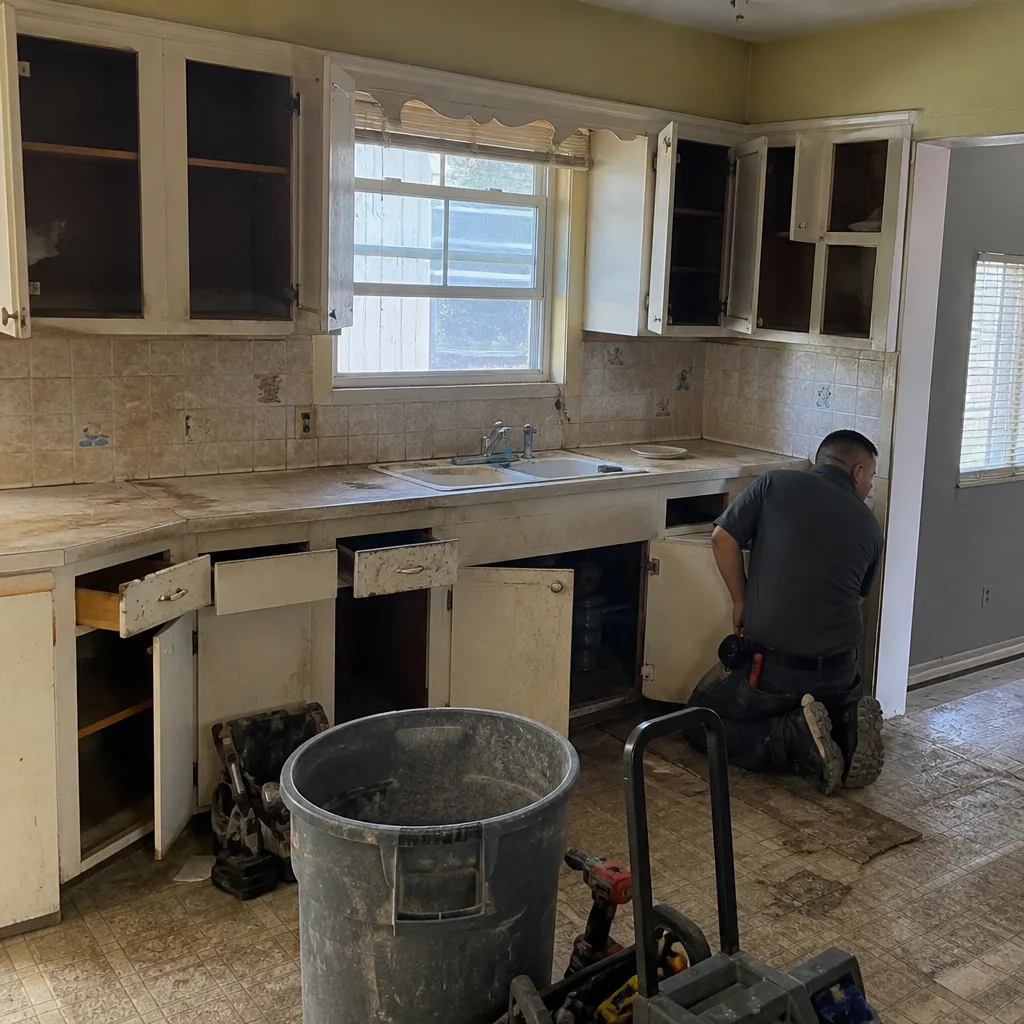
See the difference
 Before
 After
 Before
 After
 Before
 After
Frequently Asked Questions
Five jobs recurring annually, plus two quarterly items. Mini-split filters every 90 days (four times a year), tankless descaling once a year, sub-panel breaker exercise once a year, weatherstripping inspection each spring, and a slab foundation walk-through twice a year. Total time commitment is two to three hours a year for the recurring items. Call (833) 842-1866 for an exact quote on any service item; estimates are free.
Usually not. Most standard home warranty policies exclude detached structures and the equipment inside them, which means your mini-split, tankless water heater, and sub-panel are outside coverage. Read the exclusion page carefully before assuming the warranty will handle a failure. Call (833) 842-1866 if you want a second opinion on any maintenance estimate; we review them free.
Santa Rosa’s municipal water is moderately hard, which means the calcium scale builds up inside a tankless heat exchanger without a descaling cycle. Annual descaling keeps the heat exchanger working at rated efficiency and is often a condition of the manufacturer’s warranty. Skipping it is one of the most common warranty-voiding oversights we see on Santa Rosa ADUs.
A crack under 1/16 inch wide that hasn’t grown since the last inspection is cosmetic. A crack wider than 1/8 inch, one that’s visibly grown, or one showing displacement (one side higher than the other) warrants a California-licensed structural engineer’s written opinion. Sonoma County’s expansive clay soils push slabs up and down slightly every year, so a six-month inspection cadence catches movement before it becomes expensive.
HardiePlank fiber cement repaints every 10 – 15 years; wood siding every 5 – 7 years. For a typical 400-square-foot exterior, a fiber cement repaint runs roughly $2,800 – $5,500 and a wood repaint roughly $2,200 – $4,800 per cycle. The lower per-cycle cost on wood is offset by the shorter interval, which means the 15-year total is higher. Call (833) 842-1866 for a written estimate on repaint or any exterior work; estimates are free.
Five things: warranty registrations for every piece of equipment, dated annual service records, inspection sign-off sheets and permits, the signed change order log from construction, and a photo record of annual inspections. The change order log and inspection file are what a lender or appraiser reads at refinance or sale. Call (833) 842-1866 if you want a second opinion on any repair estimate before you sign; we review them free.
The Bottom Line
An ADU’s maintenance schedule is predictable once you know what to plan for: four mini-split filter cleanings a year, one tankless descaling, one breaker exercise, two slab inspections, and one spring weatherstripping check. The Santa Rosa specifics are what shift the timing. Clay soils mean a six-month foundation cycle, moderately hard water means the tankless descaling is mandatory rather than optional, and the wet-winter dry-summer swing drives a shorter paint cycle on wood siding than on fiber cement. Do all of that, keep the file in good order, and the ADU will still be in warranty-compliant shape when the main house needs its first major repair. To schedule any maintenance item or to price a repair in writing, call Rowan Construction Group Santa Rosa at (833) 842-1866 for a free estimate. You can also start from our Rowan Construction Group Santa Rosa home page to see the seven trades we run under The Haven Standard.
Written by the team at Rowan Construction Group Santa Rosa.