Last updated November 17, 2026

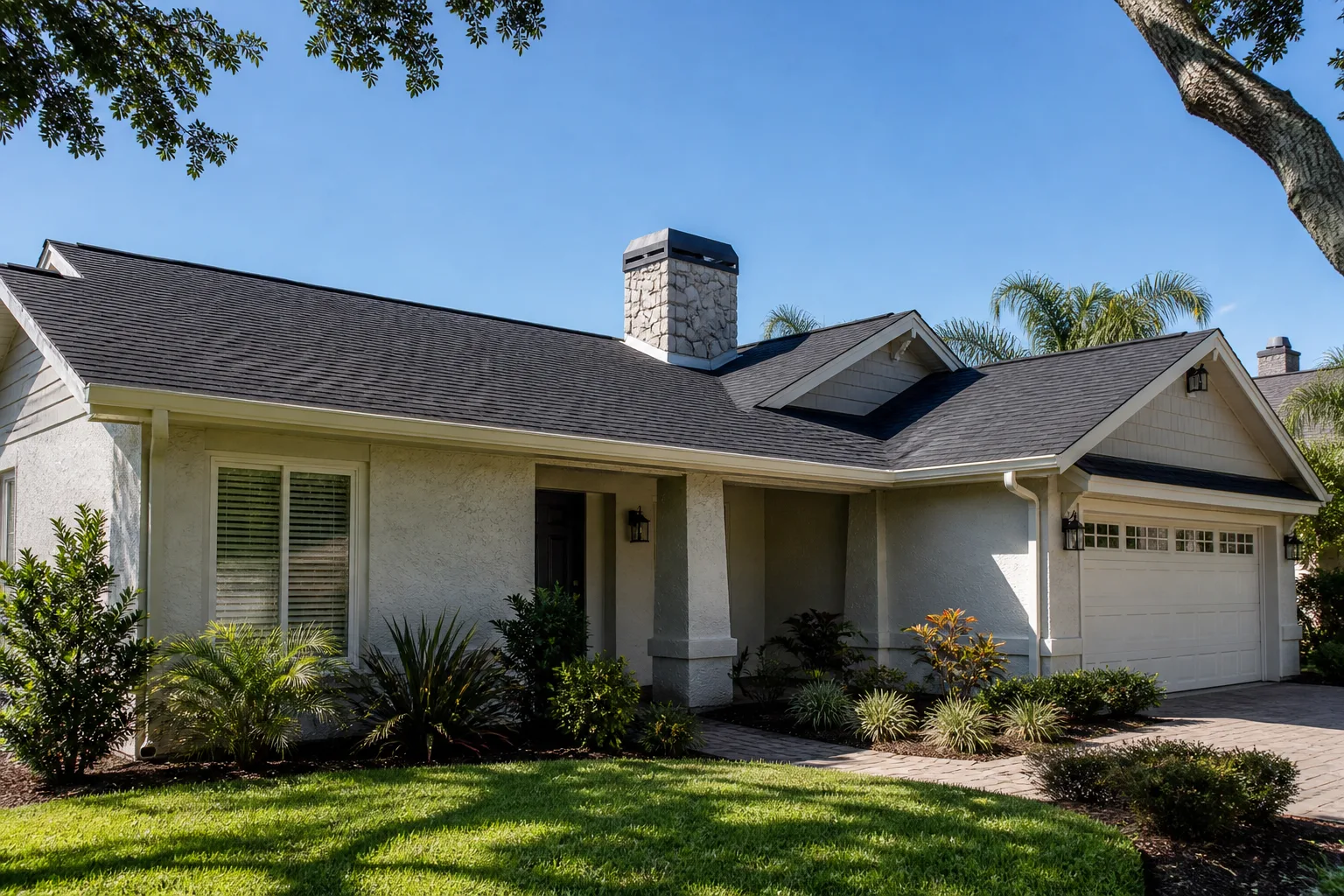
Free written scope consultation - allowances, timeline, and change-order rules on paper before a single trade is scheduled
How to Hire a Construction Contractor in Santa Rosa: A Step-by-Step Guide
California’s Contractors State License Board fields thousands of complaints against licensed contractors every year, and Sonoma County consistently ranks among the counties with the heaviest complaint volume in the North Bay. Read through a stack of them and a pattern emerges: the disputes are rarely about whether the tile was set straight. They’re about money that moved without a piece of paper to explain it. The homeowner agreed to one number, the job ended on another, and no one can produce a signed change order to show why. The steps that actually prevent that outcome aren’t glamorous. They’re a license lookup done field by field, and a contract clause read before the pen touches the page. This guide walks through both, plus everything in between, for anyone hiring a contractor in Santa Rosa.
Quick Answer
To hire a construction contractor in Santa Rosa, verify the contractor’s license classification, bond amount, and workers’ compensation status on the CSLB database before you sign anything, then read the change-order clause in the written contract and confirm it requires a signed order before any extra work proceeds. Get at least three written bids on the same scope, and insist the contract meets California Business & Professions Code §7159. Those steps, done in sequence, prevent most cost overruns.
Styles & brands we work with
- Kitchen remodeling
- Bathroom remodeling
- Home additions & ADU
- Roofing
- Windows & doors
- Driveway & pavers
- Fence
Table of Contents
- Step 1: Verify the License on the CSLB Database
- Step 2: Build an Apples-to-Apples Bid Comparison
- Step 3: Read the Contract Against Business & Professions Code §7159
- Step 4: Understand the Change-Order Clause Before You Sign
- Step 5: Read the Insurance Certificate Correctly
- Step 6: Confirm Who Pulls the Permits
- What Santa Rosa Construction Actually Involves
Step 1: Verify the License on the CSLB Database
The CSLB lookup is free, public, and takes about four minutes. Four fields matter, and each tells you something different. Look them up in this order.
- License number and status. A license can be active, inactive, expired, suspended, or revoked. Suspended often means a bond lapsed or a judgment went unpaid. Ask why before you go further.
- Classification. The classification is the specific trade the contractor is licensed for. A General Building Contractor (B) can take a whole-house job but must subcontract specialty trades. A specialty license (C-39 for roofing, C-27 for landscaping, C-13 for fencing) limits what the contractor can legally contract for. If a C-39 roofing contractor quotes your kitchen remodel, that’s a violation, not a bargain.
- Bond amount. California requires licensed contractors to carry a contractor’s bond. This is the money a homeowner can claim against if the contractor fails to pay for permits or materials or abandons the job. The amount is set by statute; what matters is that the bond is current, not cancelled.
- Workers’ compensation status. If the contractor has employees and no workers’ comp, you as the homeowner can be exposed to liability if a worker is injured on your property. The database shows whether coverage is on file, exempt, or missing. If it’s missing, ask for a certificate.
California also requires that any contractor taking a job of $500 or more in labor and materials be licensed. That threshold catches a lot of Santa Rosa sidewalk-repair and small-fence jobs that homeowners hand off to an unlicensed handyman. It’s a legal line, not a suggestion. If the work touches structural elements, electrical, or gas, the license question is non-negotiable.
Step 2: Build an Apples-to-Apples Bid Comparison
Three bids rarely line up. One contractor quotes cabinets by brand and model; another lumps “cabinetry” into a single line. One lists permit fees; another expects you to pull them. Comparing side by side that way is noise. The fix is a reference spreadsheet you build once and hand to every bidder.
The reference spreadsheet has fixed rows. Every contractor quotes against the same rows, in the same order, or their bid doesn’t get compared. Keep the rows generic enough to fit any project, but specific enough that a bidder can’t hide cost.
- Scope summary (one line describing the work)
- Demolition and disposal (explicitly including dumpster fees)
- Materials by brand and model (e.g., KraftMaid vs. Wellborn cabinets, Cambria vs. Caesarstone counters, James Hardie vs. fiber-cement alternatives)
- Labor (broken out from materials)
- Permits and plan review (who pulls and who pays)
- Inspection coordination
- Project management and site protection
- Cleanup and haul-away
- Warranty terms
- Payment schedule with milestone descriptions
Once you’ve laid it out, discrepancies become obvious. One bid is $8,000 lower because it lists no permit fees and no dumpster – not because the labor is cheaper. That is information you can use. In our experience reviewing Santa Rosa estimates, the biggest gaps between the low bid and the middle bid are almost always in the rows a homeowner doesn’t check: permits, disposal, and warranty.
Bring any written estimate to us and we’ll review it line by line at no charge. That’s a standing offer, and it’s the fastest way to spot a bid that’s missing cost.
Step 3: Read the Contract Against Business & Professions Code §7159
California Business & Professions Code §7159 spells out what a home improvement contract must contain for jobs over $500. A compliant contract isn’t a courtesy; it’s the statute. If a contractor’s agreement is missing these elements, that’s a red flag regardless of how good the reviews are.
The mandatory elements include the contractor’s name, business address, and license number; the date the contract was signed; a description of the work and the materials to be used; the total price; a payment schedule that complies with the statutory cap on the down payment; a notice of the right to cancel; a statement about the contractor’s bond; and a schedule of payments tied to identifiable progress. If the contract also includes a three-day right to cancel, it must be printed in the right font size in the right place.
Which clauses are negotiable? Payment schedule details, specific milestone dates, the timing of the final punch walk, and warranty length are all fair game. What is not negotiable is anything the code requires. A contractor who offers to skip the right-to-cancel notice or the down payment cap is signaling how they handle other rules too. Home additions and ADUs in Santa Rosa carry more documentation than a bathroom remodel because the project is larger, inspected more, and touches more trades – all the more reason the contract has to be complete.
Step 4: Understand the Change-Order Clause Before You Sign
This is the step that separates a job that stays on budget from a job that doesn’t. A change order is a written amendment to a signed contract that describes extra work, a deduction, or a change in materials, and it includes the new price and the new schedule impact. The clause in the contract should answer three questions plainly.
- Who can authorize a change? It should name the person on the homeowner’s side who signs, and the person on the contractor’s side who prepares the order. If the clause says “the crew on site,” that’s not authorization – that’s a verbal promise.
- What triggers a written order? Look for a defined trigger: any scope increase over a stated dollar threshold, any material substitution, any delay caused by a condition discovered on site. “Substrate rot discovered during demo” is a real Santa Rosa trigger; older homes in neighborhoods like the West End and Railroad Square routinely turn up surprises behind the drywall.
- What happens to the schedule? A change order should state whether the completion date moves and by how many days. Silent change orders are how a two-week project stretches to six.
If the change-order clause isn’t specific, ask the contractor to rewrite it before signing. The good ones will. Ours is printed on every contract because Clause 1 of the Haven Standard requires the price to be in writing before anyone picks up a tool. If the crew can’t proceed without a signature on a change, the schedule moves only when everyone agreed to it in writing. That’s the discipline that keeps projects within a few percent of the agreed cost.
Step 5: Read the Insurance Certificate Correctly
Ask for the certificate of insurance and read it with this distinction in mind: a certificate holder is someone who gets a copy. An additional insured is someone who is protected by the policy. Those are not the same thing, and the difference has real money behind it.
If your name appears as certificate holder only, you have proof of coverage on file – it doesn’t mean the policy will step in if you’re sued for an injury on your property. If you’re listed as an additional insured, the contractor’s liability policy extends to protect you too. For any job involving excavation, roofing, or work near the street, ask to be added as additional insured, and ask the contractor to have their carrier email you an endorsement confirming it.
Look for the general liability limit, the workers’ compensation status, and the effective dates on the certificate. A certificate that expires the month after your project starts is worth about as much as the paper it’s printed on. Request an updated copy the week before work begins.
Step 6: Confirm Who Pulls the Permits
The permit should be pulled by the contractor, in the contractor’s name, and the inspection should be coordinated by the contractor. If the contract reads “owner to obtain permits,” that shifts the schedule risk and the code-compliance risk onto you – and a Santa Rosa homeowner pulling their own permit generally can’t pull a permit for plumbing or electrical work they aren’t licensed to do.
Permits also drive cost. A fence installation over a certain height may require a permit in Santa Rosa depending on the parcel’s zoning. A home addition triggers planning review, structural, energy (Title 24), and multiple inspections. A paver driveway that changes lot drainage may touch grading requirements. Ask every bidder to list permit fees explicitly in their estimate and to state who pulls the permit – no exceptions, no “we’ll handle it later.”
None of this replaces what a permit engineer will check; it just means the homeowner isn’t discovering the requirement after the work has begun. You can read more on what that looks like per project in our pages on Rowan Construction Group Santa Rosa home improvements, Driveway & Pavers in Santa Rosa, and Fence Installation in Santa Rosa.
What Santa Rosa Construction Actually Involves
Santa Rosa has a few specifics that matter more than any generic contractor advice.
- Permit volume drives wait times. The City of Santa Rosa’s permit counter handles thousands of applications per year; plan check for a larger addition or ADU can take weeks longer than a bathroom remodel. Ask the contractor upfront how they sequence plan review against material ordering.
- Soils and drainage vary by neighborhood. The west side toward the Laguna de Santa Rosa can run to heavy clay in places; the east side toward the hills transitions to rockier, faster-draining ground. That changes drainage plans for driveways, paver patios, and foundations. Ask a contractor to look at your actual soil condition, not the general area.
- Older housing stock in central Santa Rosa turns up surprises. Neighborhoods like the West End, Cherry Street, and the streets near downtown frequently carry pre-1950 construction with sub-slab plumbing and older electrical that shows up during a remodel. A change-order clause with a clear trigger for “condition not visible at bid time” is what keeps those surprises from becoming disputes.
- Wine country smoke seasons stress roofing. Roofers in Santa Rosa regularly find that older underlayments have aged faster than the shingles above them. That’s a detail a written bid should include – brand of underlayment, not just brand of shingles (GAF and Owens Corning both publish product-specific warranties).
Home additions and ADUs pull all of these factors together – planning, permits, soils, and multi-trade coordination – which is why we treat them as a category apart; you can read more in our guide to Home Additions & ADU in Santa Rosa. Fixing what you already have is often a smaller and faster decision: Rowan Construction Group Santa Rosa home is a good place to start if you’re still mapping out the project.
Common Mistakes to Avoid
- Trusting the license lookup only for status, not classification. An active license in the wrong classification is a problem. A C-39 roofing license doesn’t cover your kitchen remodel, even if the contractor is honest and experienced.
- Comparing three bids line by line without a reference spreadsheet. If the quotes don’t share the same rows, you’re not comparing price; you’re comparing layout.
- Skipping the change-order clause because the total price looks reasonable. The price is not the problem on most disputed jobs – the problem is what happens when the price changes mid-project.
- Accepting “certificate holder” when “additional insured” is available. It’s a five-minute ask to your contractor, and it’s meaningful if something goes wrong.
- Pulling your own permits to save money. It shifts inspection coordination and code-risk onto the homeowner, and the savings are usually less than the permit fee is worth.
- Signing a contract that leaves the down payment off the statutory cap. California limits the down payment that can be collected before work begins; a contract that asks for a bigger deposit is non-compliant, regardless of reasoning.
- Believing “call for a quote.” A written, line-item price before work starts is the deliverable that lets you actually compare contractors. If a contractor won’t produce it, ask what they produce instead.
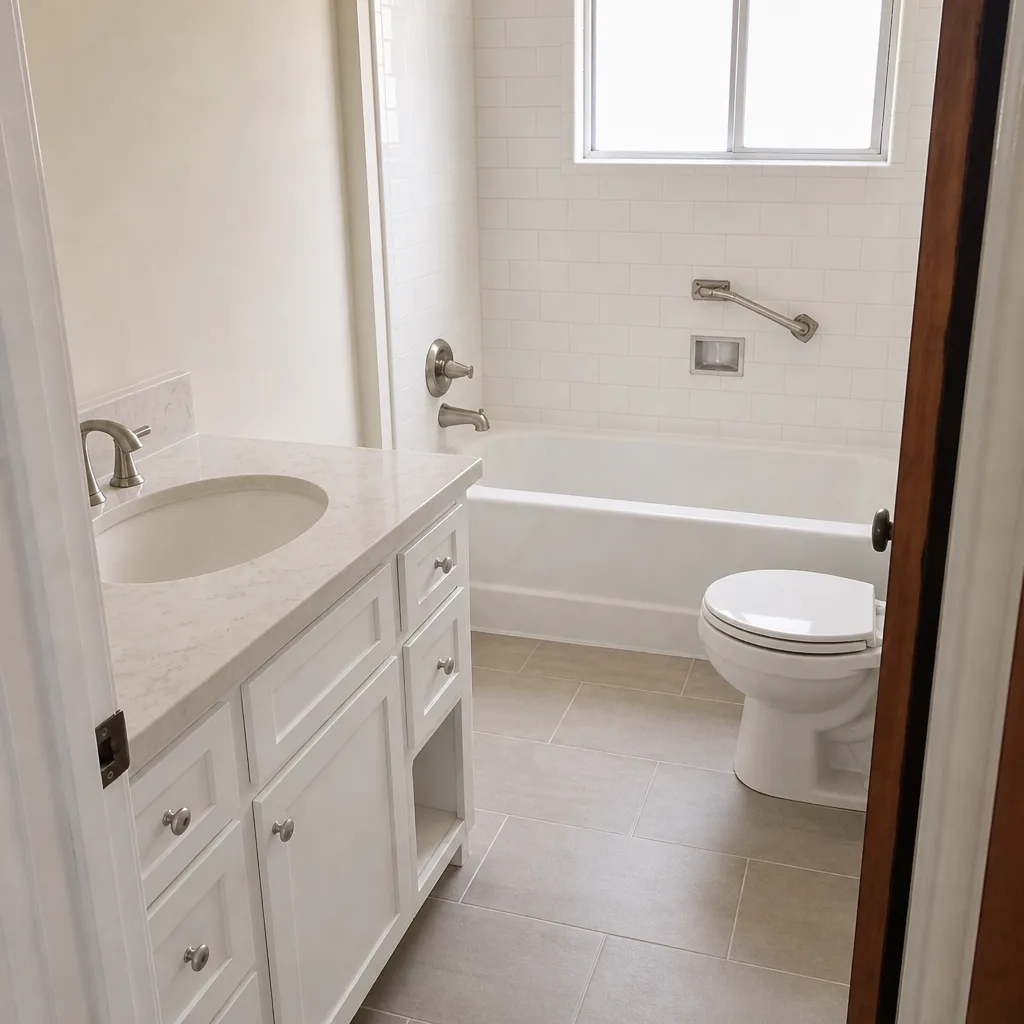
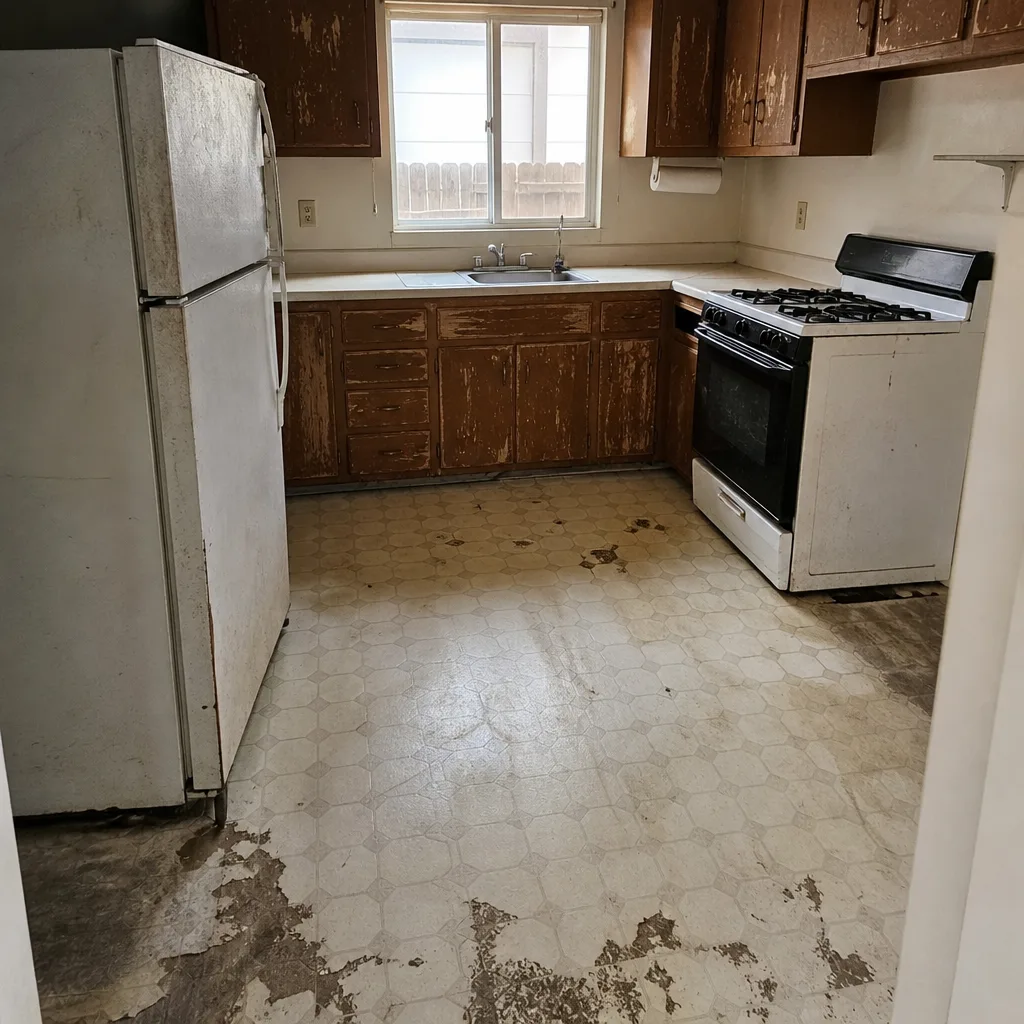
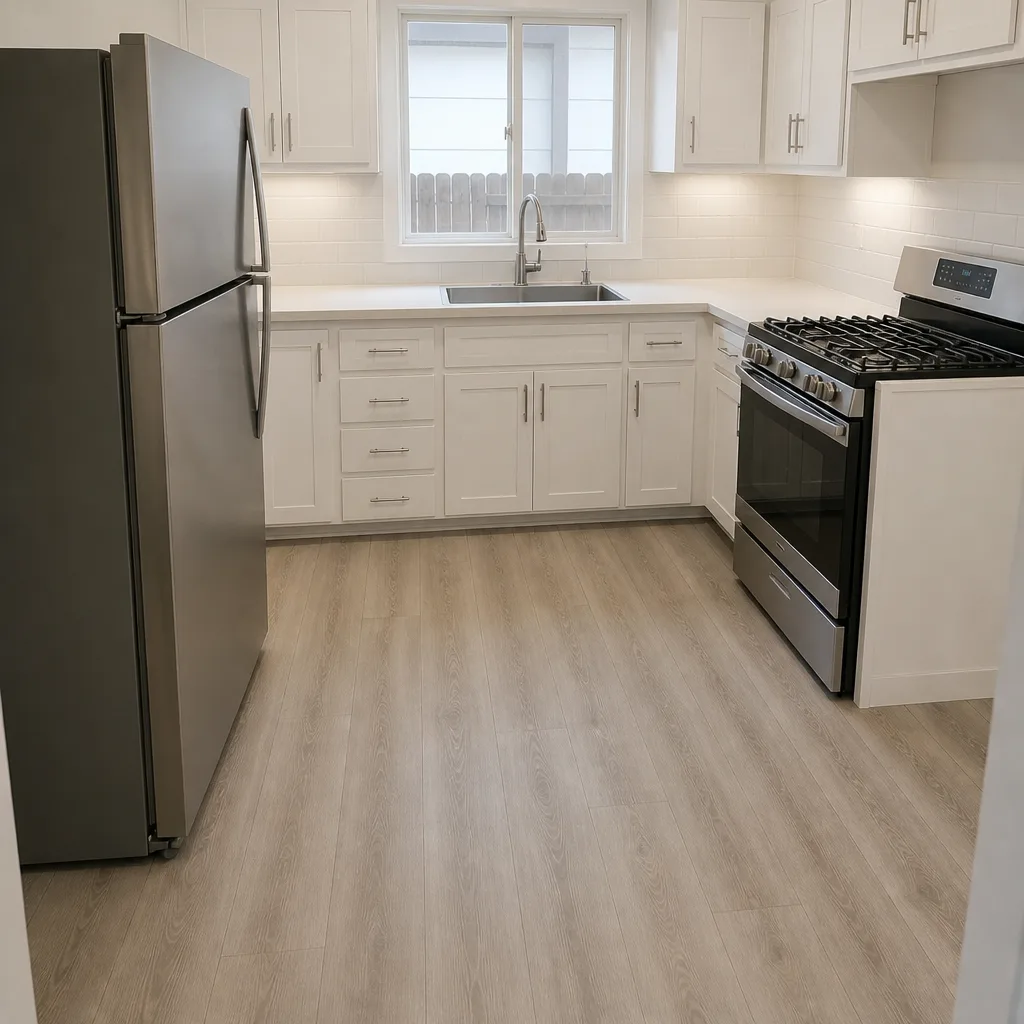
See the difference
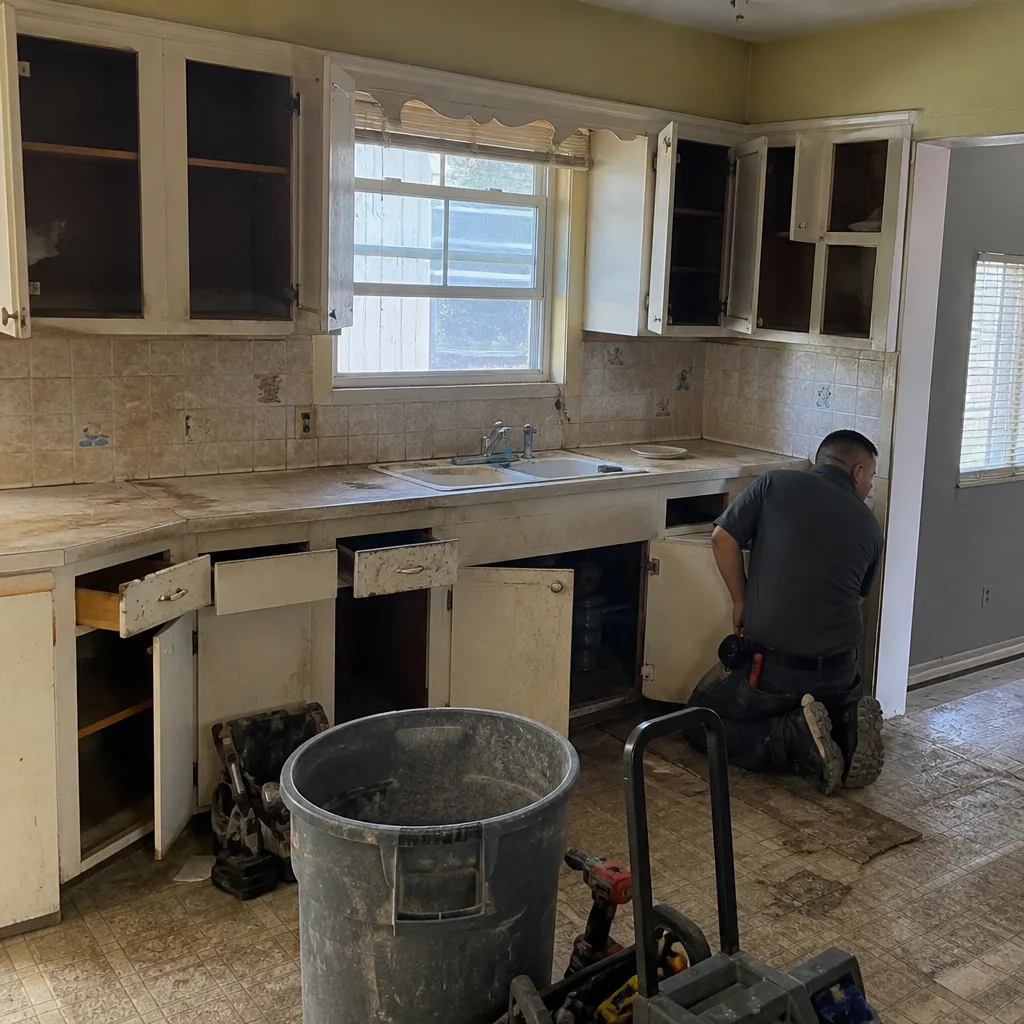 Before
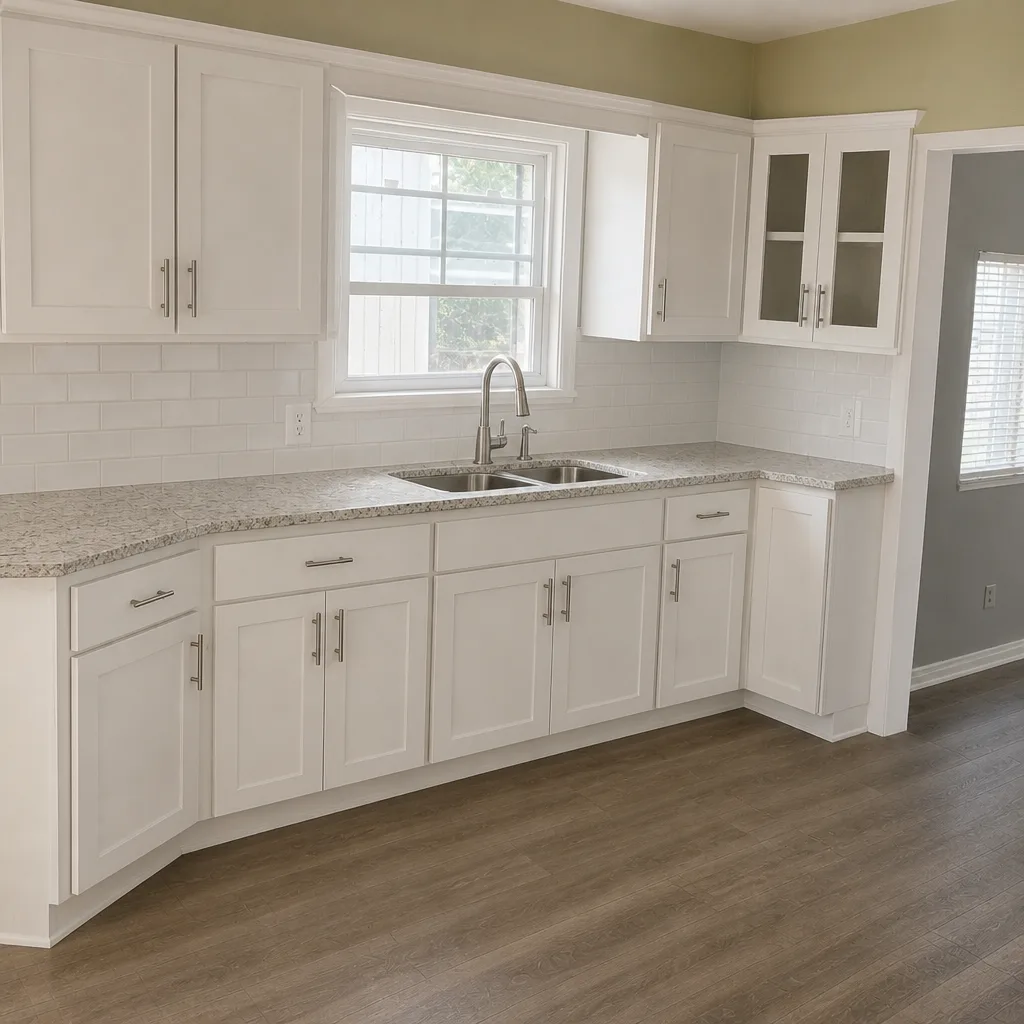 After
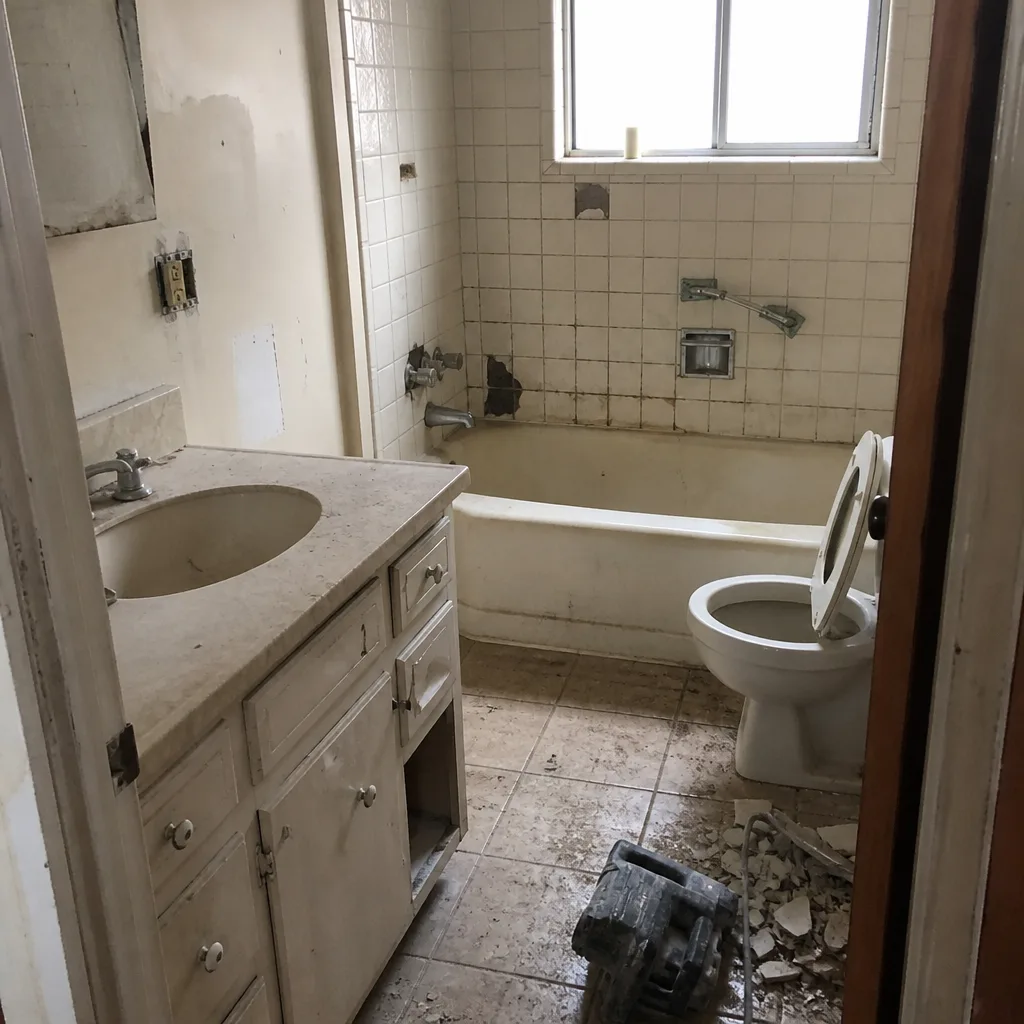 Before
 After
 Before
 After
When to Call a Professional
Some jobs look small and aren’t. Anything touching the electrical panel, gas lines, high-tension garage-door springs or cables, or work on a roof with meaningful height or pitch should be handled by a trained professional – not because it’s complicated to describe, but because the failure modes are serious. Structural repair, load-bearing wall removal, and foundation work fall in the same category. So do permit-triggering projects: once the city is going to inspect, the paperwork matters as much as the build.
Where a homeowner can realistically self-manage: paint, landscaping refresh, small trim work, and cleanup. Where they shouldn’t: anything the CSLB requires a licensed contractor to handle, and anything the city requires a permit for. If you’re not sure which category your project falls into, that’s a good question to ask before you sign anything. Rowan Construction Group Santa Rosa offers free estimates in Santa Rosa – call (833) 842-1866 and we’ll walk through the scope with you.
Frequently Asked Questions
Santa Rosa construction pricing varies widely by trade, but as a general outline: bathroom remodels commonly run $18,000 to $45,000; kitchen remodels $35,000 to $90,000; roofing $12,000 to $28,000 depending on square footage and material; fence installation runs roughly $30 to $65 per linear foot installed; paver driveways typically fall between $14 and $26 per square foot depending on base prep. A written line-item estimate is the only way to know your number. Call (833) 842-1866 for an exact quote – estimates are free.
Yes, always. California requires a CSLB license for any home improvement job over $500, and the CSLB database shows license status, classification, bond amount, and workers’ compensation on file, all for free. Verify before signing, not after. Call (833) 842-1866 if you want a written estimate to compare against anyone else’s.
An apples-to-apples bid comparison uses the same fixed list of line items across every contractor’s estimate, so differences in price reflect differences in work rather than in formatting. Without that structure, a low bid often turns out to be missing permits, disposal, or warranty – not missing labor. Our free second-opinion review on any written estimate will catch those gaps.
Not without a signed change order. Under California contract standards and under our own terms, extra work is added only through a written order that both sides sign, with the new price and the schedule impact stated on the order. That’s the discipline that keeps the final invoice within a few percent of the written price. Call (833) 842-1866 for a written price before any work begins.
Yes. On every project that requires one, we pull the permit in our name and coordinate the inspection. City of Santa Rosa plan review for larger additions and ADUs takes weeks, not days, so plan the timeline accordingly. A written scope from us will list the permit fees as a line item, not leave them as an estimate to be corrected later.
A bathroom remodel in Santa Rosa typically runs four to eight weeks once permits are in hand; a kitchen remodel runs six to twelve weeks, with the largest swings driven by cabinet lead times (KraftMaid and Wellborn are common choices) and stone fabrication scheduling for Cambria or Caesarstone counters. Plan review time adds to both. Call (833) 842-1866 and we’ll write a schedule into the estimate, not just a duration.
The Bottom Line
Hiring a construction contractor in Santa Rosa comes down to two disciplines: verify the license on the CSLB database field by field, then read the contract against Business & Professions Code §7159 before you sign. Everything else – the bid comparison, the insurance certificate, the permit list – flows from those two. Add a reference spreadsheet so bids are actually comparable, ask for additional insured status rather than certificate holder, and refuse to proceed on any scope change that isn’t signed on paper. Do those things and you’re ahead of most of the disputes filed in Sonoma County. Skip them and the low bid becomes the expensive one. Get the written price before anyone picks up a tool.
Rowan Construction Group Santa Rosa works in all seven trades – kitchens, bathrooms, roofing, windows and doors, fencing, driveways and pavers, and home additions including ADUs – with background-checked, uniformed technicians, a live person answering calls 24/7, a documented photo record on every visit, and the 365-Day Done Right Promise. Bring us any competitor’s written estimate and we’ll review it line by line at no charge. Call (833) 842-1866 to schedule your free estimate and get the price in writing before any work starts.
Written by the team at Rowan Construction Group Santa Rosa.