Last updated November 17, 2026




Free written scope consultation - allowances, timeline, and change-order rules on paper before a single trade is scheduled
Seasonal Construction Care for Santa Rosa: Year-Round Homeowner’s Guide
Santa Rosa averages about 29 inches of rain a year, and nearly all of it lands between November and March. That compression matters more than the total. A hairline joint that opens during the long dry season sits harmless through July, then funnels water into a deck ledger board all winter. The repair runs $800 to $2,400. A tube of high-quality sealant costs about $12. This guide walks through what to check in Santa Rosa, month by month, so the cheap fix happens before the expensive one becomes necessary.
Quick Answer
Seasonal construction care in Santa Rosa comes down to one pattern: close every gap the dry season opens before the rain season finds it. Inspect and seal caulk joints, roof-to-wall flashing, and concrete control joints in September and October, monitor for active water infiltration from November through February, assess and photograph any damage in March and April, and schedule exterior painting in May or June rather than late summer. Santa Rosa’s Zone 9b climate is mild on paper, but the dry-then-wet cycle is hard on buildings, and most of the expensive repairs we see trace back to a $12 tube of sealant that was never applied in October.
Styles & brands we work with
- Kitchen remodeling
- Bathroom remodeling
- Home additions & ADU
- Roofing
- Windows & doors
- Driveway & pavers
- Fence
Table of Contents
- Why Santa Rosa’s Climate Stresses Buildings Differently
- July Through September: The Dry-Season Inspection List
- October: The Pre-Rain Protocol
- November Through February: Monitoring Water Infiltration
- March and April: Post-Rain Assessment
- May and June: When to Schedule Exterior Painting
- Caring for Concrete, Pavers, and Fences
- Common Mistakes to Avoid
Why Santa Rosa’s Climate Stresses Buildings Differently
Santa Rosa sits in USDA Zone 9b, which means mild winters, low freeze risk, and a growing season that runs long. That sounds easy on a house. It isn’t, and the reason is timing rather than temperature. The rain arrives in a concentrated five-month window, often in a handful of atmospheric river events that drop several inches in a day. Between storms, the ground dries. Then it soaks again. That wet-dry-wet rhythm is what opens joints, swells wood, and pushes water into places a gentler climate never reaches.
In our experience working across Sonoma County, the failures cluster in specific spots. Window headers on the south and west faces take the most sun and the most rain-driven wind. Door thresholds sit low enough that splash-back reaches them on any hard rain. Roof-to-wall flashing, especially where a lower roof meets a second-story wall, is where we find the most historic staining that a homeowner never noticed. Each of these is cheap to inspect and expensive to ignore.
The dry season also does quiet damage. Soil shrinks as it dries, and slab-on-grade foundations in Santa Rosa shift with it. You’ll see it first as hairline cracks in stucco, then as cracks in drywall corners, then as doors that stick in August and free up in December. Most of that movement is normal and cosmetic. The point is to know which cracks are seasonal and which are telling you something. Photographing them with a date is how you build that record.
July Through September: The Dry-Season Inspection List
The dry season is when you can see the gaps. Everything is at its widest, the wood is at its driest, and the caulk has had months of UV exposure. Walk the exterior in July or August with a notepad and a tube of sealant, and you’ll catch most of what the winter would otherwise find.
Work through this list once, then write down what you found:
- Window and door headers. Look for caulk that has cracked, pulled away from the frame, or gone chalky. Run a finger along the top edge and the sides. Any gap wider than a credit card edge is a candidate for resealing.
- Door thresholds. Check the sill and the gap beneath the door sweep. A threshold that lets a dime slide under it will let a driving rain in. Replace the sweep rather than shimming it.
- Roof-to-wall flashing. From the ground with binoculars, look at where the roof plane meets a vertical wall. You’re checking for lifted metal, separated caulk, or staining on the stucco below. If it’s hard to see, a roofer can photograph it from the roof safely.
- Concrete control joints. Fill any joint that has widened past about a quarter inch with a polyurethane joint sealant. A bag of Quikrete self-leveling sealant runs a few dollars and closes several linear feet.
- Deck ledger connections and railings. The ledger is where the deck attaches to the house, and it’s the single most water-sensitive joint on the whole structure. Check for loose bolts, soft wood, and rusted fasteners.
Budget for the caulk itself: a tube of a quality paintable exterior sealant runs $8 to $14 and covers roughly 12 to 20 linear feet at a normal bead. A typical single-story Santa Rosa home has 150 to 250 linear feet of exterior joints worth inspecting, so the material cost for a full reseal is usually under $200. If the joints have opened far enough that caulk alone won’t close them, that’s the point to get an opinion.
October: The Pre-Rain Protocol
October is the month that decides whether your winter is quiet or expensive. The rain season starts in November, and everything you’re going to seal, clean, or secure needs to be done before the first real storm. This is the single highest-value maintenance window on the Santa Rosa calendar.
Clear and size the gutters
Santa Rosa’s peak storm intensity can run well over an inch of rain an hour during a strong atmospheric river. A standard 5-inch K-style gutter handles that on a properly sloped roof, but only if the downspouts can keep up. A rule of thumb: one 3-inch-by-4-inch downspout handles about 600 to 800 square feet of roof area. A 2-inch-by-3-inch downspout handles roughly half that. If you’re not sure which you have, look at the outlet. The bigger rectangular profile is the 3×4.
Why the detail matters: a blocked downspout doesn’t just overflow. It dumps water at the foundation. Over one wet season, repeated saturation against a stem wall in a Santa Rosa soil that expands as it wets is how you get a $2,000 to $8,000 foundation drainage repair. Cleaning gutters in October costs an afternoon.
October checklist
- Clear gutters and downspouts of leaves and debris. Flush downspouts with a hose until water runs clear at the base.
- Confirm downspouts discharge at least 4 feet from the foundation, ideally onto a splash block or a graded swale.
- Re-seal any joints flagged in July and August that you haven’t gotten to yet.
- Check the grading around the foundation. Soil should slope away from the house at about 6 inches over 10 feet.
- Look at window wells, basement areaways, and low spots for water pooling from last winter.
November Through February: Monitoring Water Infiltration
Once the rain starts, your job shifts from sealing to watching. The key skill is telling active infiltration apart from historic staining. They look similar and mean very different things.
Active water is wet, dark, and grows. You’ll see a fresh water mark on stucco or drywall within a day of a storm, a drip, a mineral streak that’s still damp, or a soft spot in a ceiling corner. Historic staining is dry, has a defined edge, and doesn’t change from storm to storm. That old brown ring on the ceiling texture may have been there since the last owner. The one that’s damp after Tuesday’s rain is a live problem.
Sort what you find into two piles.
- Call a contractor now: water actively entering the house, a ceiling or wall that’s soft to the touch, a light fixture with water in it, a deck ledger that’s soft or showing rust streaks on the hardware, or any water at the base of a wall inside the house.
- Note it for spring: a dry stain with a defined edge, a minor drip onto a deck or porch (not into the house), a gutter that overflows in one corner only, or a hairline crack in the slab that isn’t moving.
Photograph everything, with a date. That photo record is exactly what lets you and a contractor make a decision in April instead of guessing. It’s also what we ask for when a homeowner brings us a written estimate for a second opinion. If you’re dealing with a roof that’s already leaking, our team can look at it now rather than waiting. Our technicians have up to 19 years of experience reading the difference between weather wear and a real failure.
March and April: Post-Rain Assessment
When the rain tapers off, the building tells you what happened. This is the assessment window, and it’s when the documentation you kept all winter pays off. Do a full exterior walk in March, rain boots on, and check these systems in order.
- Concrete flatwork. Look for surface scaling on driveways and walkways, which shows up as a flaky, white, powdery top layer. Scaling happens when water enters the concrete, freezes in a cold snap, and pops the surface. In Santa Rosa it’s less about deep freezes and more about repeated wetting, insufficient air entrainment, and de-icing salt tracking from the street.
- Wood trim and siding. Push the pins of a moisture meter into the bottom edges of trim boards, fascia, and window sills. A reading above 19% means the wood is saturated and needs to dry before you paint or seal it. Painting wet wood traps the moisture and the paint fails within a season.
- Fence posts. Check the bottom foot of any wood fence post in the yard. It’s the first place wood rots, and it’s the post that holds the panel up. If you find soft wood, the honest fix is a new post, not a patch.
- Deck boards and railings. Walk the deck with a screwdriver and probe any spot that looks discolored. Soft wood under a tight board is a sign to replace that board now, before it fails underfoot.
Take a photo of every finding and date it. When you get quotes for spring repairs, you’ll be comparing apples to apples. When you decide to move into a bigger project, like a home addition, the record gives a contractor a real place to start. Our crews pull permits and pass inspections (Santa Rosa projects run through the city’s building department), and the photo record we deliver on every visit is meant to stand in for the memory of what the house looked like in March.
May and June: When to Schedule Exterior Painting
Exterior paint needs three things to bond: a surface that’s dry, a surface temperature inside the product’s range, and a stretch of weather that won’t wet the surface before it cures. In Santa Rosa, the window for all three is narrow and it isn’t August.
By August, the south and west faces of a house can hit surface temperatures over 120°F by midday. Most exterior acrylic paints have a surface temperature range of roughly 50°F to 85°F for application. Above that, the paint skins over before it bonds, and you get premature peeling on the very faces that take the most sun. May and early June give you moderate temperatures, reliable dry weather, and humidity that’s usually low enough for a proper cure. The paint has the whole dry season to harden before the rain returns in November.
Schedule painting in May, budget for it in your spring planning, and plan to wash the surface first. A pressure wash (or a soft wash on stucco) removes the pollen, dust, and airborne grime that keeps paint from sticking. If you’re painting a wood-sided home, a moisture meter reading of 19% or below is the go/no-go threshold. Let the wood dry to that number before the first coat goes on.
Caring for Concrete, Pavers, and Fences
Driveways, walkways, and hardscape take the direct hit of the dry-then-wet cycle. Concrete control joints open, paver joints wash out, and the surface takes whatever the season throws at it. The fixes are simple if they’re done on schedule.
For concrete, seal the control joints in the fall with a polyurethane sealant. If you see surface scaling in the spring, don’t paint over it; the failed layer has to come off first. For pavers, top up the joint sand in the fall so the pavers can’t shift when the wet season starts. Techo-Bloc and Cambridge Pavers both hold up well in Santa Rosa’s climate when the joints are maintained; the failures we see are almost always joint sand that was never replenished rather than the paver itself. For fences, seal wood every two to three years, and check post-to-rail connections each spring.
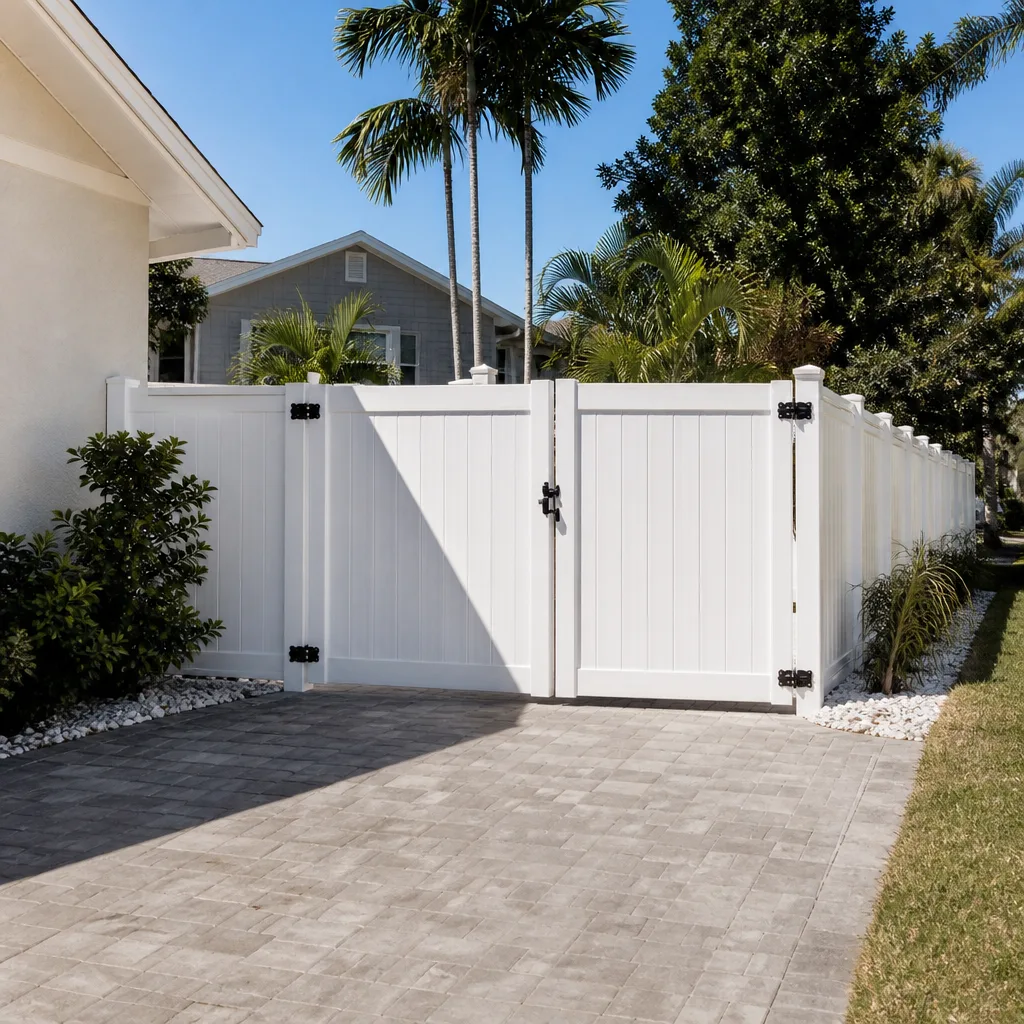
The long view matters here. If you’re planning a full replacement, the design and material choice determine how much seasonal care the surface will need. That’s the case we make for installing a driveway and pavers with proper base prep and joint design rather than just laying blocks over existing dirt. Fence installation deserves the same scrutiny, because a post set in the right concrete and drainage outlasts a post set in a hole with no drainage by a wide margin.
Common Mistakes to Avoid
- Waiting until January to seal. Water is already inside by then, and you’re sealing over a wet joint. Seal in October, when the gap is open and the wood is dry enough for the product to bond.
- Caulking over wet or dirty joints. Sealant sticks to a clean, dry surface. A wet joint or one with old failing caulk under it will fail again before the next winter is over.
- Painting wood above 19% moisture. The paint traps moisture, the wood keeps moving, and the paint blisters or peels within a year. Check the reading with a meter before the first coat.
- Scheduling exterior painting in August. Surface temperatures on sun-facing walls can get too hot for the paint to cure properly. May and June give you a better result for the same labor.
- Ignoring a blocked downspout. The overflow ends up at the foundation, and repeated wetting against a stem wall is how small drainage issues become large repair bills.
- Confusing historic stains with active leaks. A dry stain is a record. A damp one after a storm is a live problem that needs a call, not a spring repair.
- Skipping the photo record. Without dated photos, you can’t tell what’s new, what’s old, or whether a crack has moved. Document every inspection and assessment.
Get our free estimate on any of it. If you’re unsure whether a finding is small or large, we’ll give you a written price with a clear scope, and there’s no work until you agree. That’s the whole point of the process, and it’s what we ask you to hold us to.
When to Call a Professional
Some findings are routine and some need eyes with training. Call a professional now if water is actively entering the house, if any structural wood feels soft underfoot, if a deck ledger or railing connection is loose or rusted, if you see water staining around a light fixture or ceiling, or if a fence post has rot at the soil line and the panel depends on it. High work belongs to trained professionals too: roof flashing, second-story trim, and any repair that puts you on a ladder near a height fall risk is not a homeowner task, and the injury cost dwarfs the repair. For everything else, our free second opinion on any written estimate is a standing offer – bring a competitor’s quote and we’ll review it line by line at no charge. Rowan Construction Group Santa Rosa offers free estimates in Santa Rosa – call (833) 842-1866 to schedule.
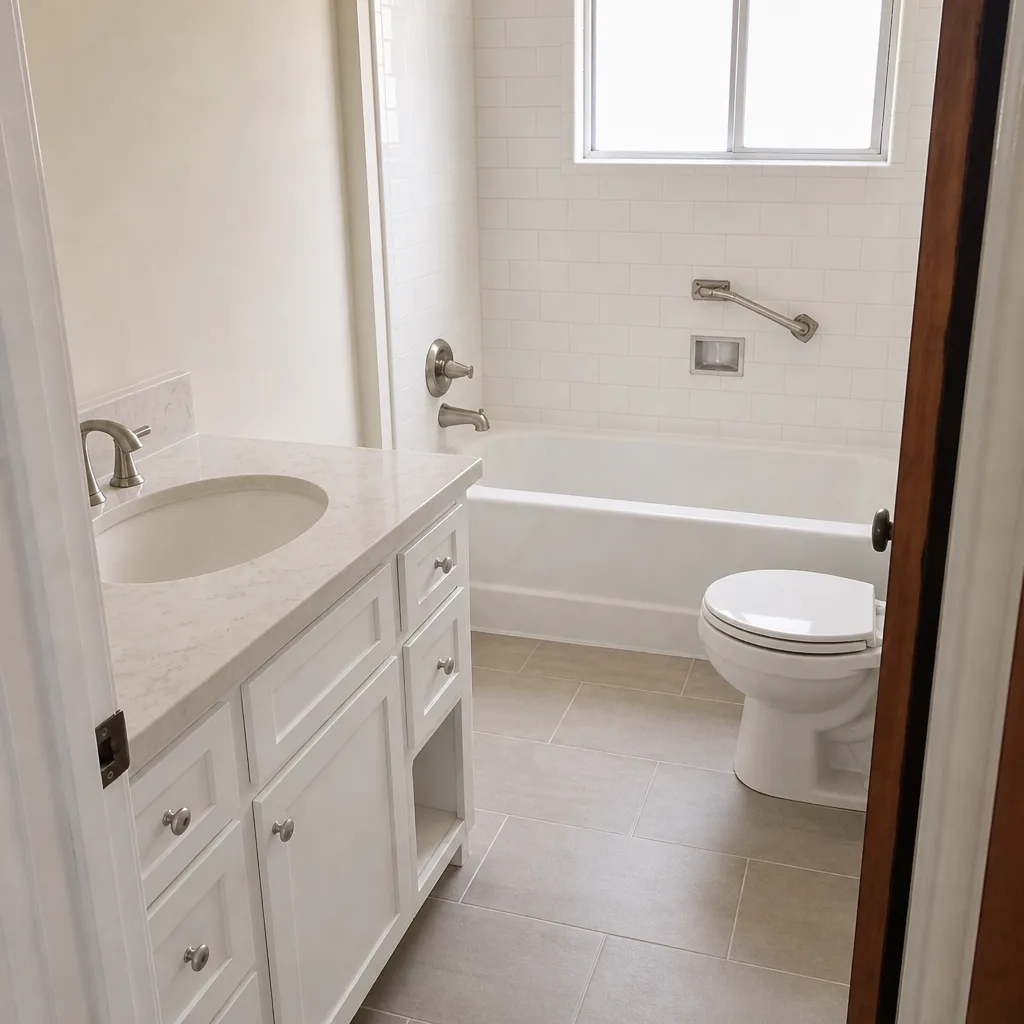
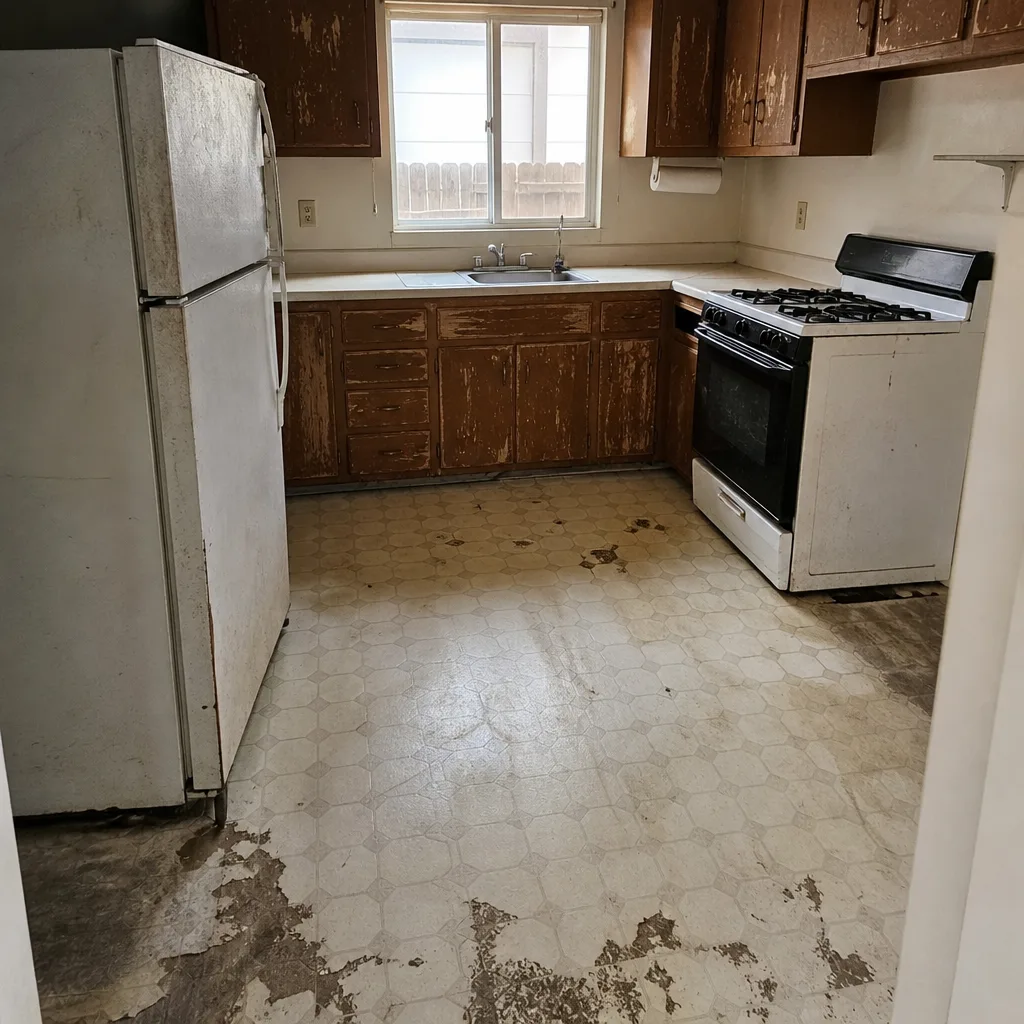
See the difference
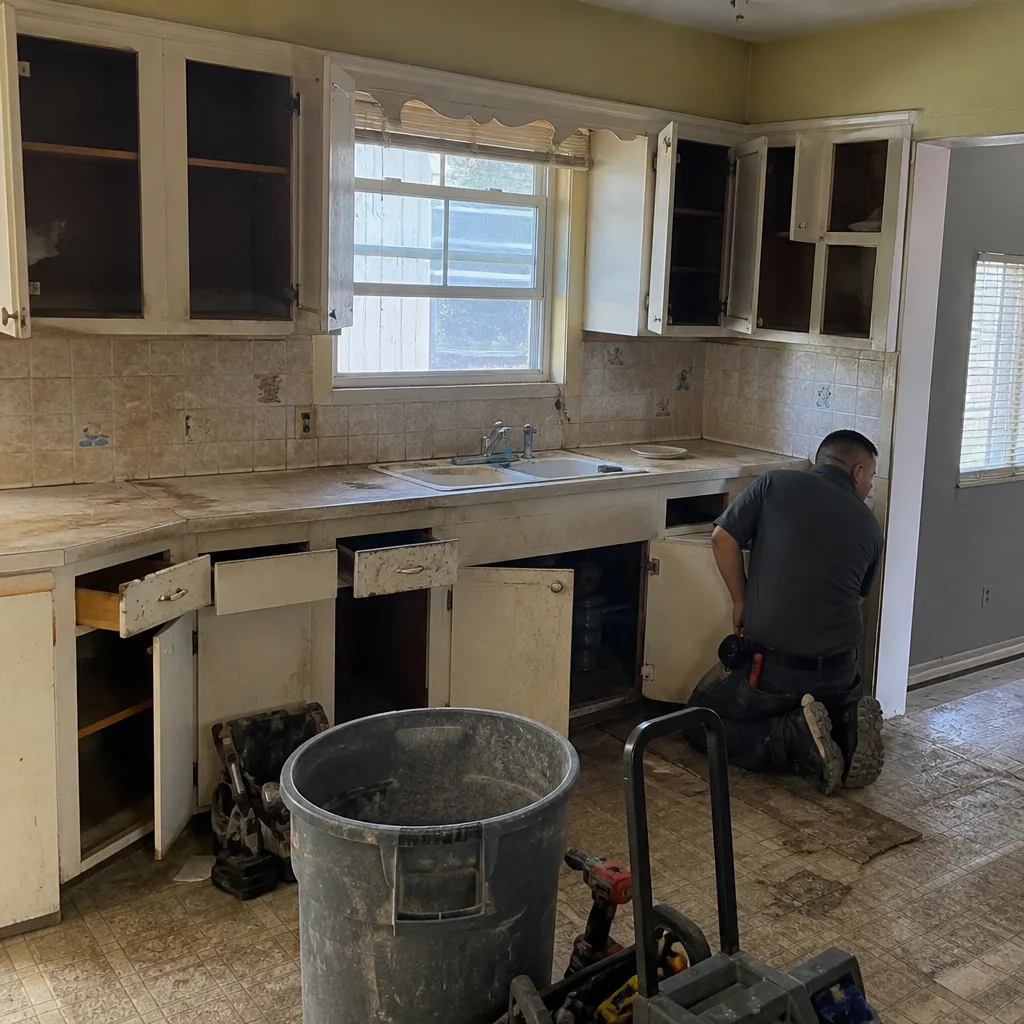 Before
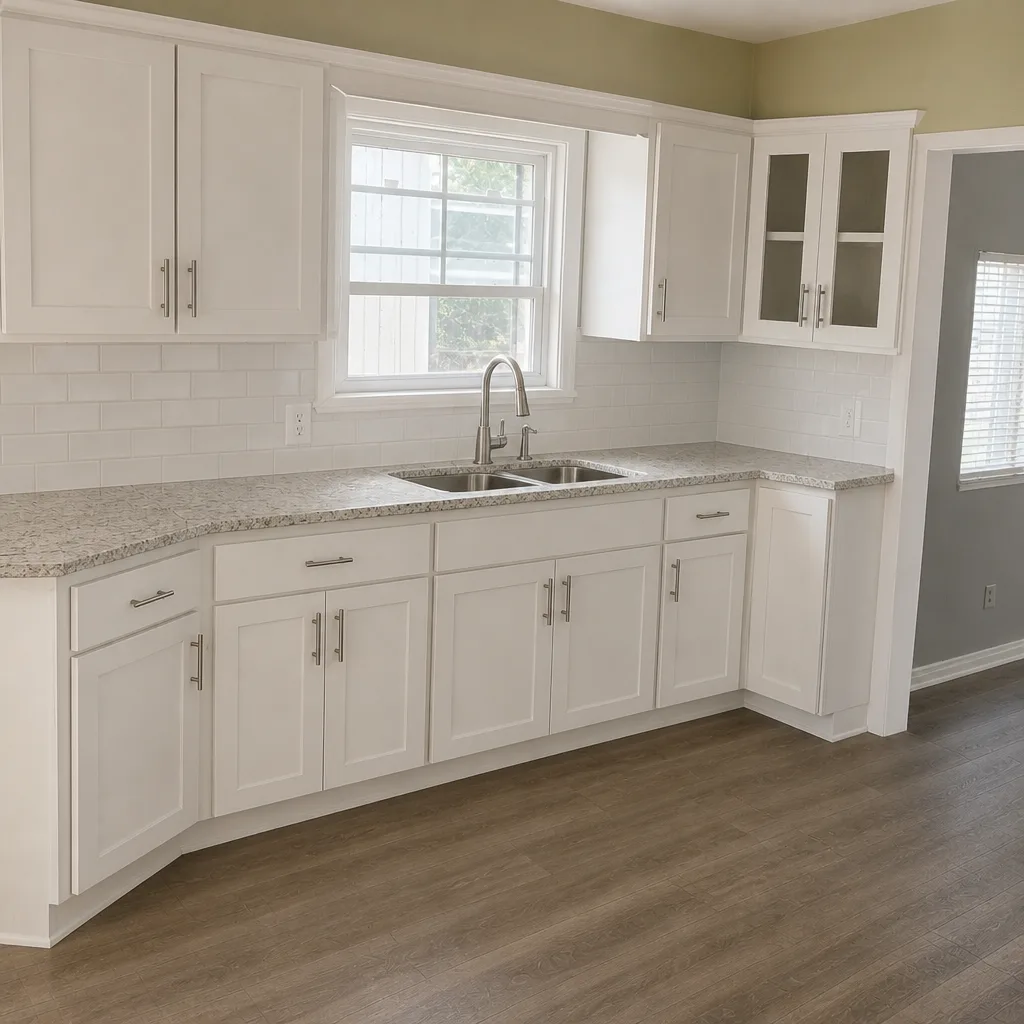 After
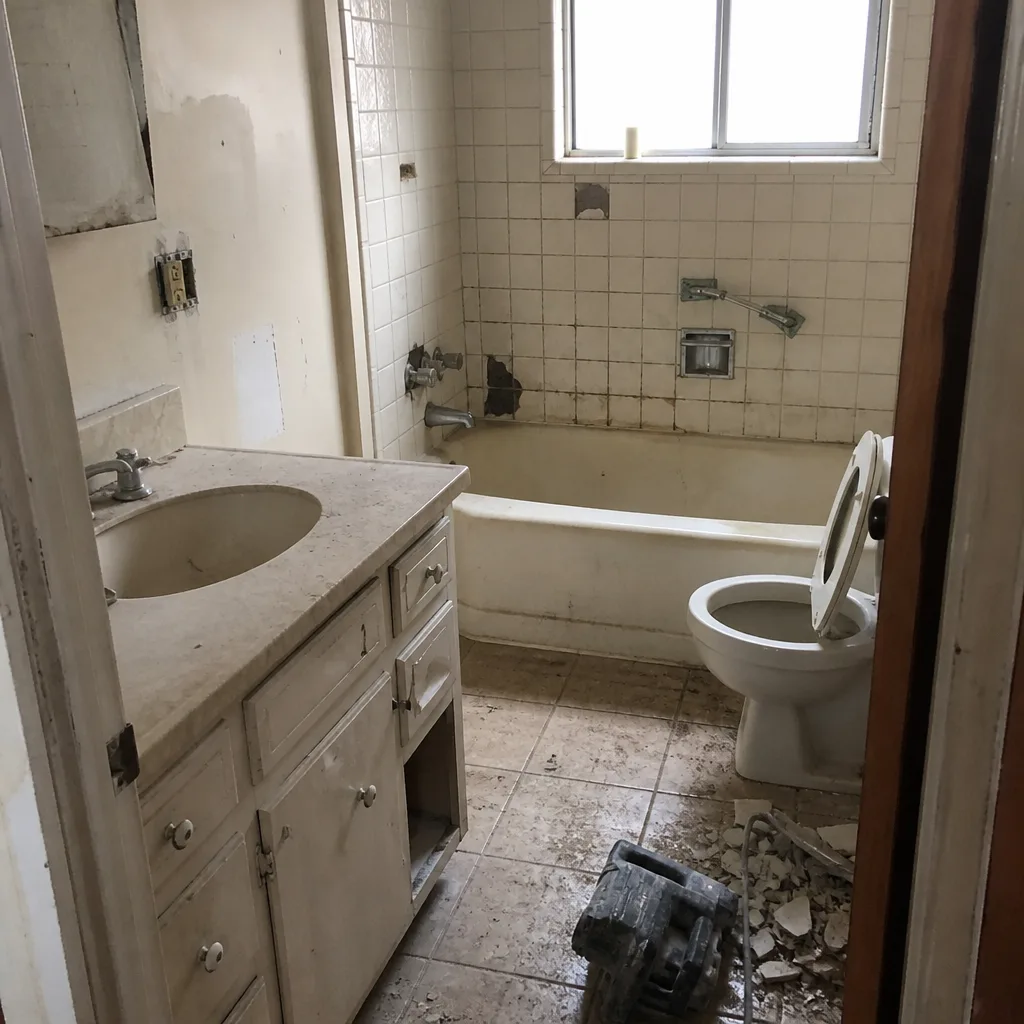 Before
 After
 Before
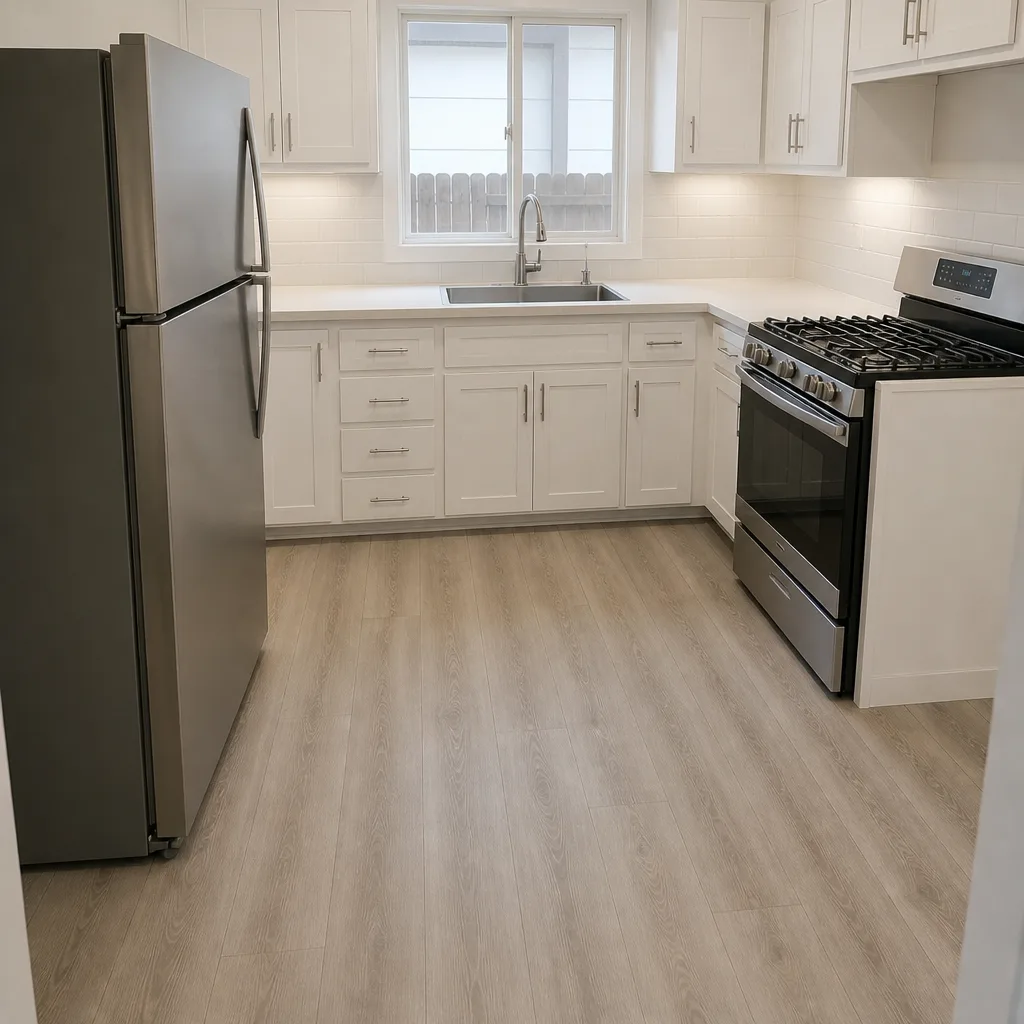 After
Frequently Asked Questions
A full exterior inspection and reseal typically runs $150 to $400 in materials and a weekend of your time, or $600 to $1,200 if you hire it out. The expensive items are the ones you avoid: a foundation drainage repair runs $2,000 to $8,000, and a deck ledger replacement runs $800 to $2,400. The math favors doing the cheap work in October. Call (833) 842-1866 for a free estimate on anything you’re not comfortable handling.
Inspect and seal in late September and October, before the rain season starts in November. The dry months leave joints at their widest, so you can see and fill the gaps before the winter drives water into them. A second light inspection in March and April catches anything the season opened.
Active water damage is damp, dark, and grows after a storm; old staining is dry, has a defined edge, and doesn’t change. Touch the spot after a rain. If it’s wet or soft, it’s live and needs a call now. If it’s dry, photograph it with a date and note it for spring.
You can paint in summer, but May and June give better results than August. Surface temperatures on sun-facing walls can exceed the paint’s upper application limit by mid-morning in August, and the coating skins over before it bonds. Plan the job for late spring, after the wood has dried below 19% moisture.
No. Under our written-price process, the quote is a flat price with a written scope, and no change proceeds without a signed change order. You’ll know the number before anyone picks up a tool, and the crew won’t start a change you didn’t approve. For a free written quote on your Santa Rosa project, call (833) 842-1866.
Yes, when the work requires them, and Santa Rosa projects go through the city’s building department for the review and inspection that applies. Structural changes, additions, and re-roofs typically require permits; simple caulk and paint maintenance usually does not. We’ll tell you which side of the line your project is on before we start. Call (833) 842-1866 for a free estimate and we’ll spell out the permit path in writing.
The Bottom Line
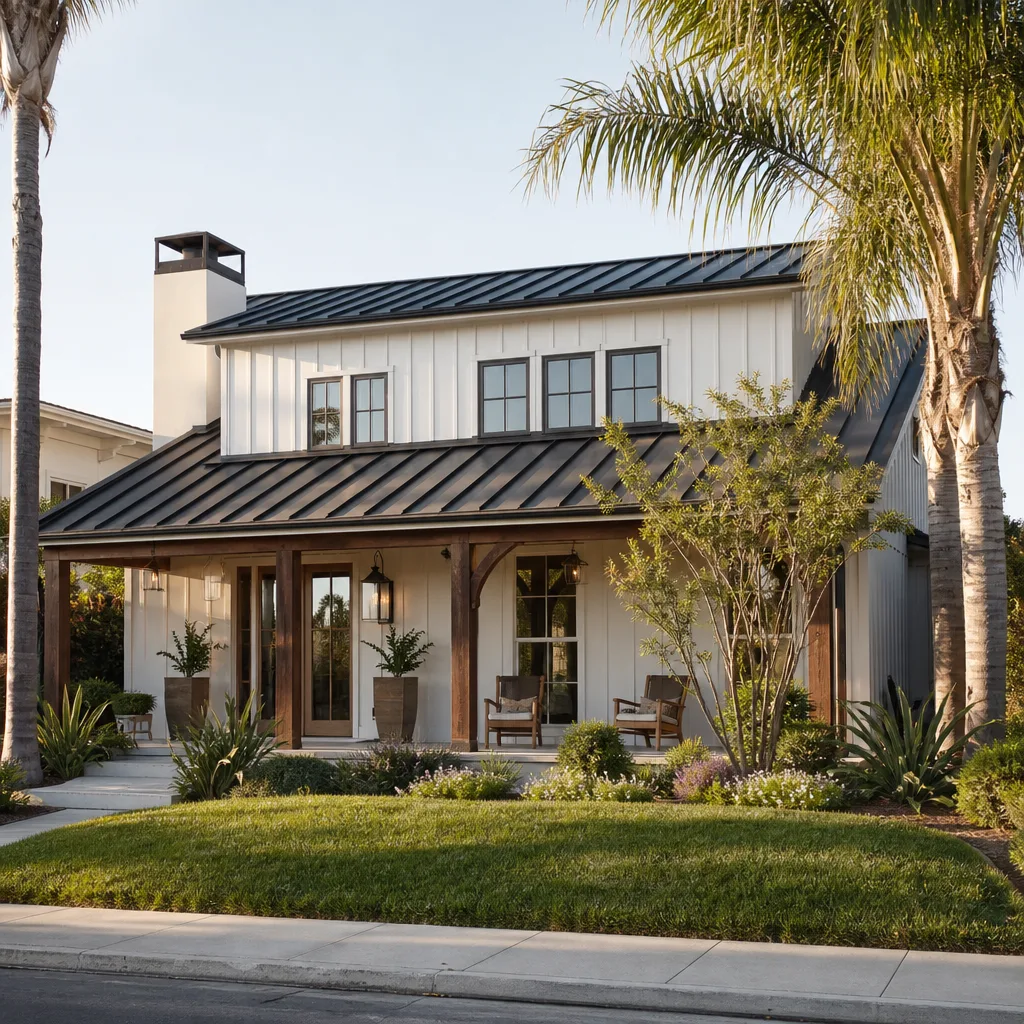
Santa Rosa’s climate rewards a specific rhythm of care. Inspect and seal in July through September, clear and size gutters and downspouts in October, monitor for active infiltration through the wet season, assess and photograph findings in March and April, and schedule exterior painting in May or June. The joints you close now are the repairs you don’t make later. A $12 tube of sealant in October is cheaper than a $2,400 ledger repair in February, and the dated photo record you keep along the way is what lets a contractor give you an honest number instead of a guess. That record is standard on every visit we make.
Learn more about how we work across all seven trades on the Rowan Construction Group Santa Rosa home page, and when you’re ready to plan a bigger project, see our Home Additions & ADU in Santa Rosa overview. For hardscape and fence replacements, the Driveway & Pavers in Santa Rosa and Fence Installation in Santa Rosa pages cover base prep, materials, and joint design in detail.
Ready to Get a Written Price?
If this season’s inspection turned up something you’re not sure about, don’t guess. Call (833) 842-1866 for a free estimate, and we’ll put the price in writing before any work starts, with a written scope, a written warranty, and a documented photo record of what we find. Under our 365-Day Done Right Promise, if it’s not done right, we make it right. The 24/7 line is answered by a live person, and our crews are background-checked, uniformed, and verified before they arrive. Background-checked technicians with up to 19 years of experience are ready to walk the property with you and give you the number first.
Written by the team at Rowan Construction Group Santa Rosa.