Last updated November 17, 2026


Free written scope consultation - allowances, timeline, and change-order rules on paper before a single trade is scheduled
DIY vs Professional Construction: The Santa Rosa Homeowner’s Decision Guide
California Insurance Code §533 gives an insurance carrier the right to deny a claim for a loss caused by work the policyholder did without a permit. In Sonoma County, where the Tubbs Fire alone produced roughly $12 billion in insured losses, that statute is not an abstract legal footnote. It’s the reason a homeowner who wires a subpanel or installs a mini-split without pulling a permit in Santa Rosa can find a fire claim denied years later. This guide maps the real decision: which projects are legally yours to do as an owner-builder, which require a licensed contractor under CSLB law, and how permit exposure and insurance gaps should drive the call.
Quick Answer
In Santa Rosa, the DIY-versus-hire decision comes down to three variables: project type, permit requirement, and total project value. Cosmetic work with no permit and low replacement cost (interior paint, tile, landscaping) is legitimately DIY. Anything that touches electrical, gas, structural framing, roofing, or requires a building permit exposes you to insurance voidance and resale problems that outweigh the labor savings. Hire a licensed, bonded contractor for those, and get a written price before work starts.
Styles & brands we work with
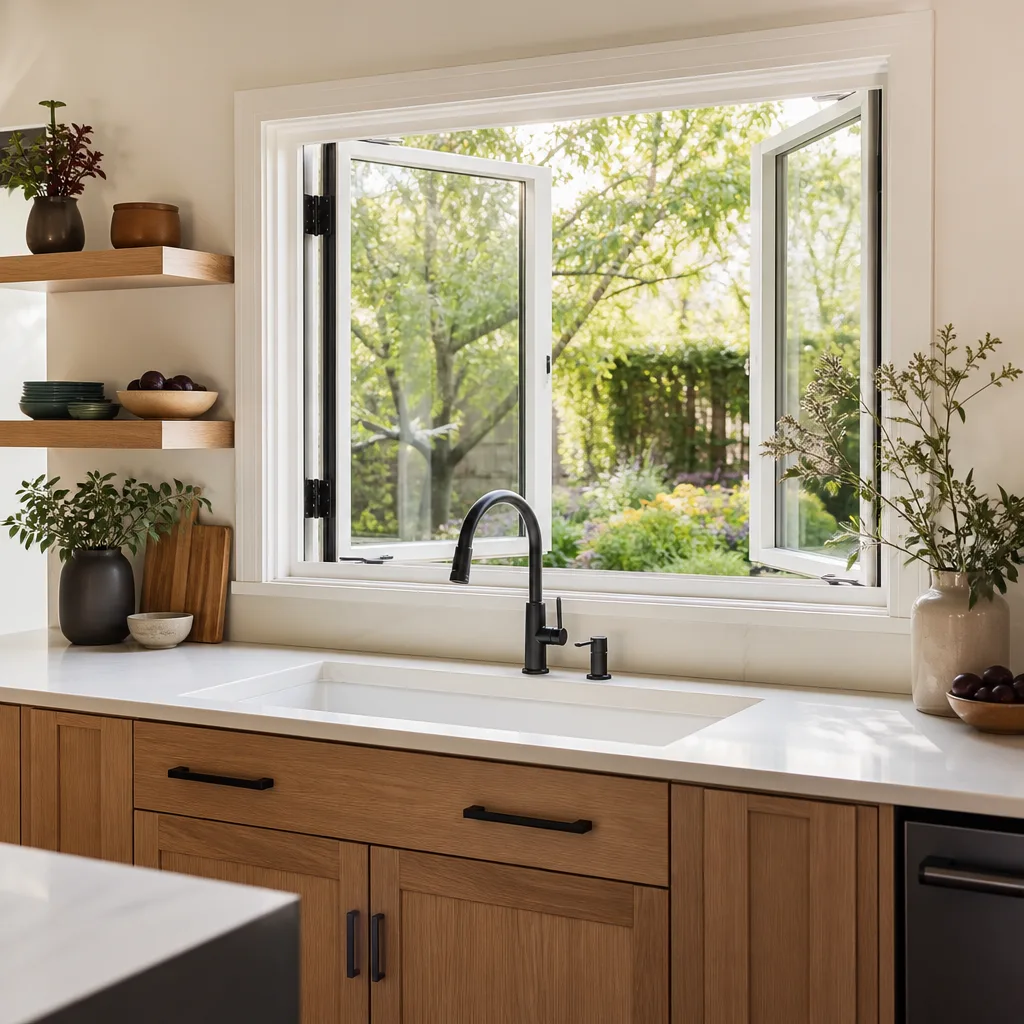
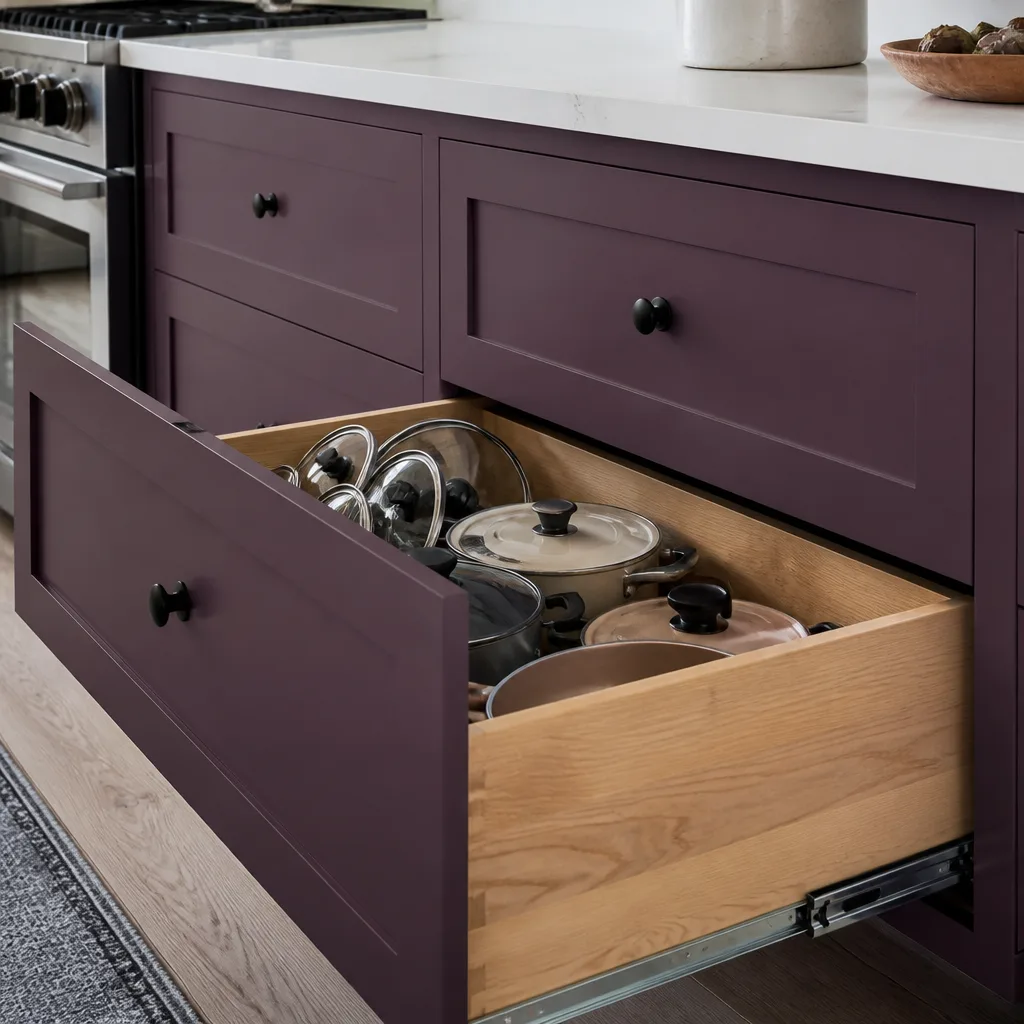
- Kitchen remodeling
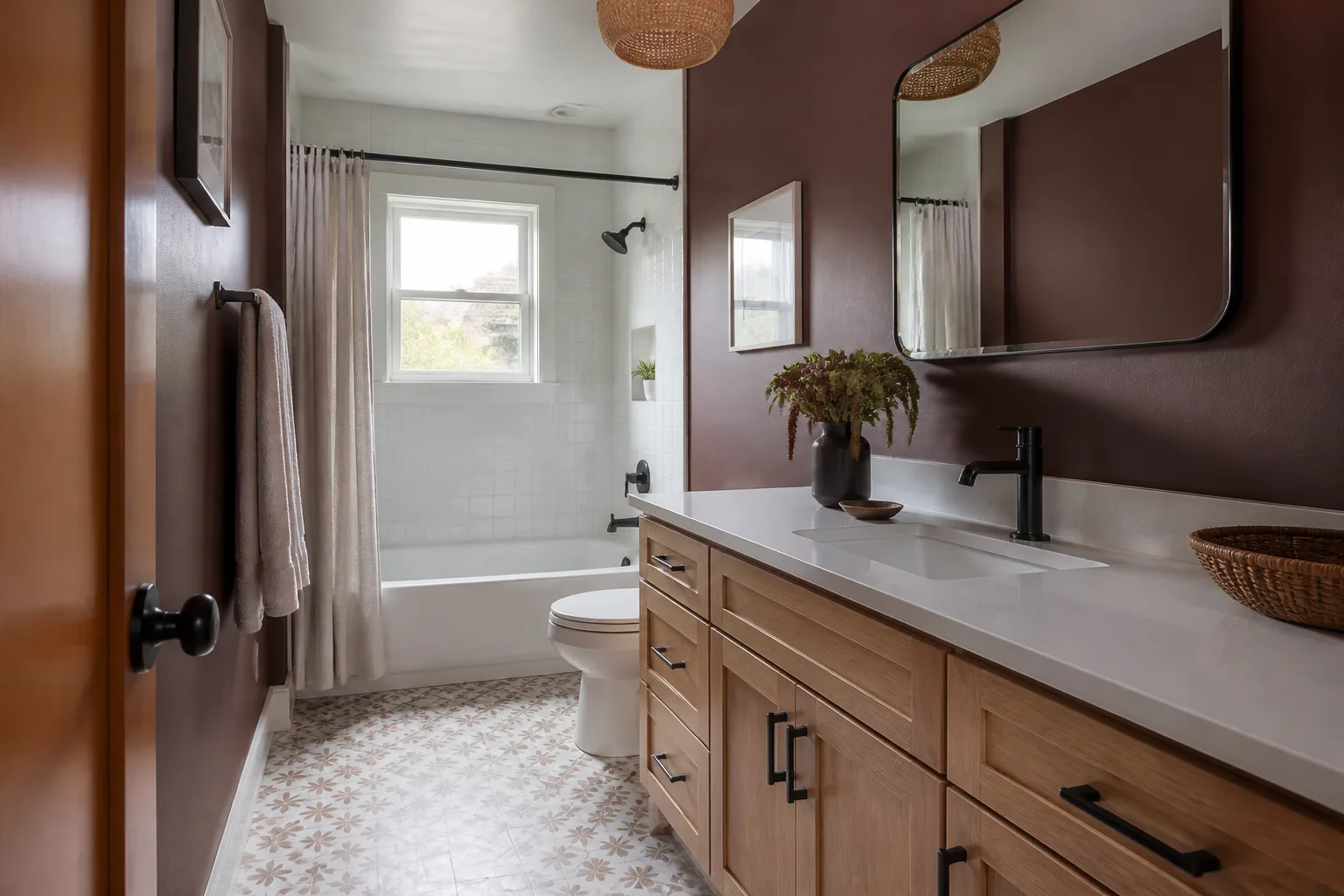
- Bathroom remodeling
- Home additions & ADU
- Roofing
- Windows & doors
- Driveway & pavers
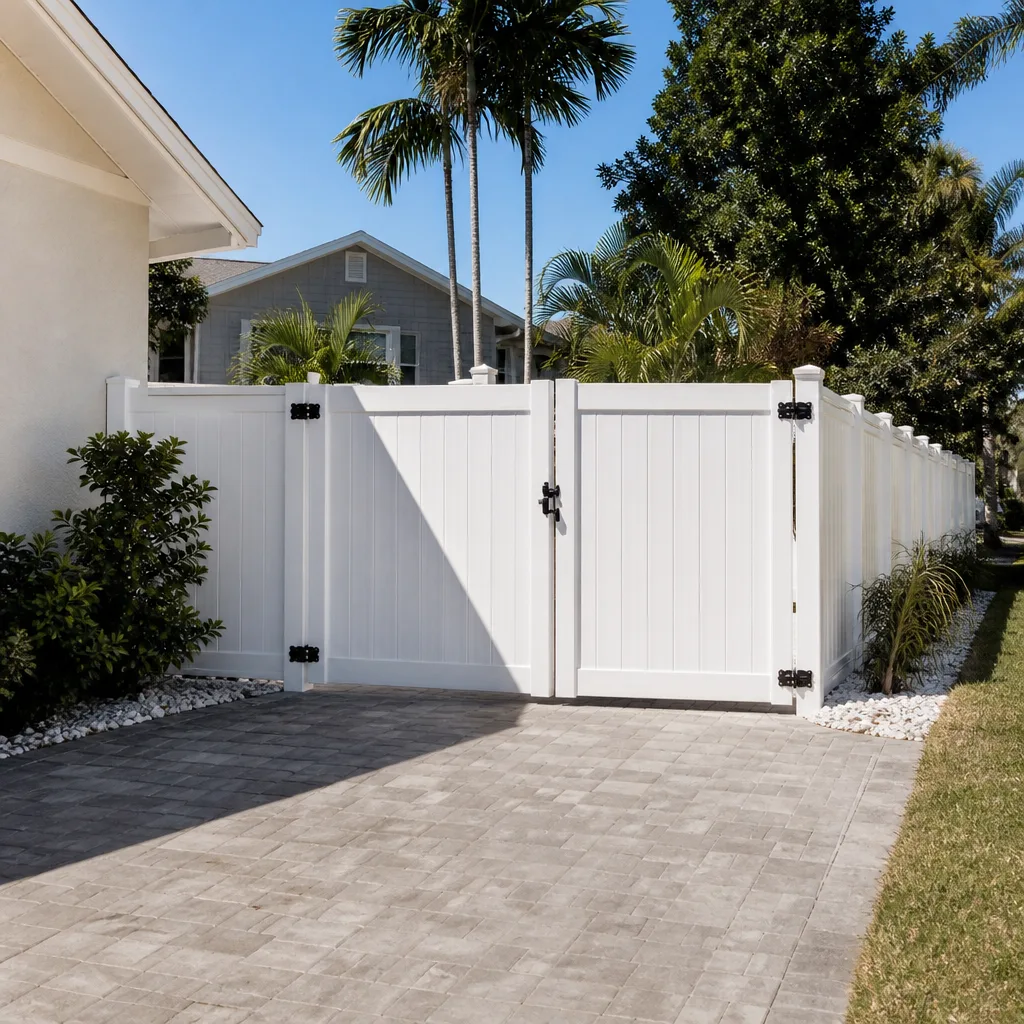
- Fence
Table of Contents
- Where California Draws the Legal Line
- What an Owner-Builder Permit Actually Requires
- The Insurance Exposure Matrix: What Voids Coverage
- The Real Cost of a DIY Permit Pull in Santa Rosa
- Skill-Independent Reasons to Hire: Bonding, Workers’ Comp, and Liens
- A Decision Framework You Can Defend
- Common Mistakes to Avoid
- When to Call a Professional
- Frequently Asked Questions
Where California Draws the Legal Line
California law allows a homeowner to act as an “owner-builder” on residential work, but the exception is narrower than most people assume. Under Business and Professions Code §7044, an owner-builder is someone who builds or improves a structure for their own use and occupancy, and the exception doesn’t transfer. The moment you sell a home you improved as an owner-builder, disclosure obligations follow the property. The permit record, the inspection reports, and any unpermitted work become visible to a buyer’s inspector and title company.
What this means in practice:
- Owner-builder permitted: Non-structural alterations, cosmetic remodels, landscaping, fences under height thresholds, and work the city permit office accepts from a named owner.
- Licensed contractor required: Projects over $500 in combined labor and materials that fall under CSLB Contractors State License Law, including most structural, electrical, plumbing, and HVAC work performed by anyone other than a licensed tradesperson.
- Specialty licensing: Electrical, plumbing, and HVAC each require their own C-10, C-36, or C-20 license, or a licensed contractor who carries them. A general contractor pulling an electrical permit on your behalf without a licensed electrician is a red flag, not a shortcut.
One in eight homes in Santa Rosa sits in a wildland-urban interface (WUI) zone, which adds a layer of code requirements on top. Deck material, roof class, and exterior venting are all regulated under Chapter 7A of the California Building Code. An unpermitted deck replacement in a WUI zone doesn’t just fail inspection; it can trigger a re-inspection at resale that delays or kills the sale.
What an Owner-Builder Permit Actually Requires
Filing as an owner-builder in Santa Rosa is a documented commitment, not a checkbox. The city permit counter will ask you to sign an Owner-Builder Declaration under penalty of perjury, and you’ll typically need to show evidence that you’ll occupy the property for some period after the work is complete. That commitment has teeth: if you sell within the coverage window and the work fails, you carry the liability, not a licensed contractor’s bond.
The documentation burden runs through every stage:
- Application: You submit plans, a scaled site plan, and a declaration of owner-occupancy. For structural work, this means stamped engineer drawings if the scope requires them, at your cost.
- Permit fees: Calculated against a valuation you self-report. Under-report the valuation to lower the fee and you’ve created a documented discrepancy that undermines any future insurance claim.
- Inspection calls: You schedule every inspection: footing, framing, rough electrical, rough plumbing, insulation, drywall, final. Miss a rough-in and you may have to open finished walls to expose the work.
- Final sign-off: You collect the signed-off permit and inspection history. This becomes part of the property record and must be disclosed at sale.
Owner-builder work also voids the standard workers’ compensation protection that comes with a licensed contractor’s crew. If a helper is injured on your project, the injury lands on your homeowner’s liability exposure, and California courts have been consistent in treating uninsured helpers on owner-builder jobs as the owner’s responsibility.
The Insurance Exposure Matrix: What Voids Coverage
Standard homeowner’s insurance (ISO HO-3 form, current version) covers the structure from most perils, including fire. But the form excludes loss caused by workmanship that doesn’t meet code or by work completed without required permits. In the aftermath of a wildfire, insurers increasingly check permit records when processing claims. A home rebuilt without a permit on electrical or HVAC work, in a county with documented fire history, gets flagged in claims review.
The exposure isn’t evenly distributed. Map it by project type:
- Voids or severely restricts coverage: Unpermitted electrical panel work, unpermitted gas line work, unpermitted HVAC installation, unpermitted structural framing alterations, unpermitted re-roofs (fire rating noncompliance).
- Restricts coverage: Unpermitted plumbing (water damage exclusion disputes), unpermitted additions that alter square footage.
- Rarely affected: Interior paint, flooring, cabinet replacement, landscaping, non-permitted cosmetic changes.
In our experience, the failure mode isn’t the fire itself – it’s the insurance adjuster’s inspection report. A homeowner who finishes the claim process discovers that the electrical work in the affected area was unpermitted, and the carrier disputes a portion of the rebuild. That single finding routinely costs more than the licensed contractor bid for the same electrical work ever would have. It’s why the question isn’t “can I do this?” but “will my carrier still pay if the house burns?”
The Real Cost of a DIY Permit Pull in Santa Rosa
Every DIY cost comparison on the internet stops at the permit fee. The fee is the smallest part of the cost. The real expense is plan-check turnaround, inspection scheduling, and rework after a failed inspection.
A typical Santa Rosa residential permit for a mid-scope project (deck, subpanel, bathroom remodel with plumbing move) runs through a plan-check cycle of several weeks for a first submittal. First-submittals frequently come back with corrections, especially from owner-builders who aren’t familiar with the plan-checker’s expectations. Each correction cycle adds weeks and a resubmittal fee.
- Plan-check turnaround: Concrete numbers vary, but several weeks for a first review is a realistic baseline, and a correction cycle adds another period of similar length.
- Inspection scheduling: Rough-in inspections happen on the city’s schedule, not yours. If your electrician has to be on site for the inspection and didn’t plan for the wait, that schedule conflict becomes a labor cost.
- Failed inspection rework: Failure rates vary by scope, but each failed inspection means a re-inspection fee, rework labor, and lost time. A failed rough-in after drywall is hanging means demolition, drywall replacement, re-taping, re-texturing, and repaint – often the entire project’s labor savings.
- Missed framing and structural inspections: The single biggest risk. Framing inspections must occur before cover. If the inspector flags a header or hanger that needs correction, you may be opening the wall the same day.
We’ve watched this play out on Santa Rosa jobs in the West End and along the older blocks near downtown, where houses were built on a mix of 1950s and 1970s framing conventions and a resident’s DIY addition runs into reality at the framing inspection. The rework cost that follows frequently exceeds the original licensed bid by 20% to 40%.
Skill-Independent Reasons to Hire: Bonding, Workers’ Comp, and Liens
Even if you’re the most capable DIYer on your block, three things change when you hire a licensed and bonded contractor, and none of them have anything to do with skill level.
Workers’ compensation. A licensed contractor’s carrier covers injuries on site. When you’re the general contractor of your own project, there’s no such policy, and the liability for an injured helper lands on you. In a market as active as Santa Rosa, with multiple trades working a single project, that exposure compounds.
Bonding. California contractors are required to carry a surety bond as a condition of licensure. That bond is a claim mechanism: if the contractor fails to complete work or abandons the project, you have a documented path to remedy. Owner-builders have no such mechanism.
Lien rights. California’s Preliminary Notice process under Civil Code §8200 lets material suppliers and subcontractors file a mechanic’s lien against your property if they aren’t paid – and that right exists whether you knew they were on the job or not. A licensed and bonded general contractor is responsible for issuing and managing preliminary notices and for ensuring subs and suppliers are paid. When you self-manage, a supplier you never met can record a lien against your home after the contractor walks.
Beyond those three: warranty. A licensed contractor warrants the work. On a re-roof, that matters. On a bathroom remodel, that matters. Under our own 365-Day Done Right Promise, whatever we install is on us if it’s not right, backed by The Haven Standard – not a handshake. An owner-builder has no equivalent recourse.
A Decision Framework You Can Defend
Skip the intuition. Run the project through three questions and the answer gets clear fast.
- Does the project require a permit? If yes, the insurance exposure and the resale problem are automatically in play. Even if you can pull the permit as an owner-builder, the owner-builder documentation burden and the loss of everyone else’s protection (bonding, workers’ comp, warranty, licensee accountability) shift the math toward hiring.
- Does the project touch a safety-critical system? Electrical, gas, structural, HVAC, and roofing are safety-critical. Skill is not the deciding factor: code compliance, insurance approval, and inspection documentation are. Hire.
- What’s the total project value, worst case? Add the naive estimate (labor and materials) plus the permit fee, plus the plan-check timeline risk, plus the rework cost if an inspection fails, plus the insurance exclusion risk if the work is unpermitted and later contributes to a loss. When the worst-case sum is two to three times the naive estimate, hire. This isn’t algebra for its own sake: it’s the number you’ll be defending if the project goes wrong.
The framework produces these results in Santa Rosa:
- Interior paint, tile, flooring, landscaping, cabinet swap: DIY valid.
- Fence installation: DIY valid for low fences out of height-threshold zones. Above-threshold fences and fences in WUI-adjacent zones benefit from a licensed pro who handles the permit and documentation. See our notes on Fence Installation in Santa Rosa.
- Driveway and pavers: DIY possible but cost-ineffective once base prep and drainage are honestly accounted for. See Driveway & Pavers in Santa Rosa.
- Roofing, electrical, plumbing, HVAC, structural: Hire. Safety-critical, permit-required, and covered by the framework’s third test.
- Additions and ADUs: Hire. Every variable in the framework stacks against DIY, and the permit path (plan check, engineer stamps, WUI overlay, multiple inspection stages) is not something a first-time owner-builder realistically manages without a licensed contractor. See Home Additions & ADU in Santa Rosa.
For the full menu of what we build, see the Rowan Construction Group Santa Rosa home page.
Common Mistakes to Avoid
- Skipping the permit to save the fee. A permit fee on a subpanel is small. The insurance dispute on the other end of an unpermitted subpanel is not. In a county with documented fire history, carriers are checking.
- Acting as your own general contractor on multi-trade projects. Multi-trade means electrical, plumbing, and one or more specialty trades on one schedule. Without the documentation that a licensed contractor manages – preliminary notices, sub agreements, inspection coordination – you become the insurer of last resort for everyone.
- Trusting an unlicensed “friend of a friend” for structural work. The homeowner who hires an unlicensed contractor for structural work in an unincorporated Sonoma County WUI zone creates a title problem that surfaces at resale. Title companies ask for the permit record. If it’s missing, the work either comes out or gets disclosed and priced in.
- Under-reporting valuation on a self-issued permit. It lowers the permit fee, and it creates a documented discrepancy that undermines the insurance claim later. Don’t do it.
- Using a DIY cost comparison that doesn’t include plan-check time. The permit is not the cost. The schedule and the rework are the cost.
- Assuming you can amend the scope without a change order. On any project where you’re managing trades, undocumented scope changes create exactly the disputes a written change order is designed to prevent. If you’re managing the project, you own the paperwork.
- Hiring a contractor on a verbal price. “Call for a quote” is a process signal, not a convenience. A written price with a written scope and written warranty is the only material you can hold anyone to. Our Free Second Opinion service exists for exactly this: bring a written estimate from any contractor and we’ll review it line by line at no charge.
When to Call a Professional
Call a licensed professional when any of these are true: the project requires a permit; the project touches electrical, gas, structural, or HVAC systems; the total project value is unclear or likely to exceed your savings if anything goes wrong; or you’re in a WUI zone where Chapter 7A compliance is required. Those are the four triggers, and they cover the majority of what Santa Rosa homeowners actually consider tackling themselves.
Our technicians have up to 19 years of experience in residential construction across seven trades, and every project we take gets a flat written price before any work starts – no “call for a quote,” no verbal estimate. We’re background-checked, insured & bonded, licensed, and every visit includes a documented photo record as standard. If you’re weighing DIY against hiring on a specific project, Rowan Construction Group Santa Rosa offers free estimates in Santa Rosa – call (833) 842-1866.
Frequently Asked Questions
You can perform certain electrical work on your own single-family residence under California’s owner-builder exception, but you still have to pull the permit and pass the inspections, and you remain personally liable for the outcome. Unpermitted electrical work voids coverage under Insurance Code §533, which is the more consequential problem. For anything beyond simple fixture swaps, we recommend a licensed electrician. Call (833) 842-1866 for an exact quote – estimates are free.
Yes, a carrier can deny a claim for a loss caused by work done without a permit, and insurers increasingly check permit records when processing fire claims in fire-prone counties. The denial usually isn’t total – it’s a dispute over a portion of the rebuild, which is still thousands of dollars. Call (833) 842-1866 if you want a written second opinion on a project before you start it.
More than most homeowners expect. You sign a declaration under penalty of perjury, you carry the drawing and engineering cost, you schedule every inspection, and you own the correction cycles. For a simple deck or a non-structural interior remodel, it’s manageable. For anything that touches structure or safety systems, it isn’t. Call (833) 842-1866 for a written price – estimates are free.
The permit fee itself is usually a small part of the total; the plan-check turnaround, correction cycles, and failed-inspection rework add the bulk of the cost. In our experience, the rework cost after a failed framing inspection routinely runs 20% to 40% above a licensed contractor’s original bid for the same scope. Call (833) 842-1866 for a written line-item quote before you commit to the DIY path.
You need a licensed contractor for the portions that touch plumbing, electrical, and waterproofing membrane work, and a bathroom remodel almost always touches all three. The Schluter and Grohe products we install are warrantied, and the work underneath them (drain slope, membrane continuity, framing) is what fails when it isn’t done to code. Call (833) 842-1866 for a flat written price before work starts.
That creates a title problem that surfaces at resale. The permit record is part of the property’s documentation, and if it’s missing on structural work in a WUI zone, the buyer’s inspector flags it and the title company asks for sign-off that doesn’t exist. The work either comes out or is priced in at sale. Call (833) 842-1866 for a free estimate – we pull every permit on every project.
The Bottom Line
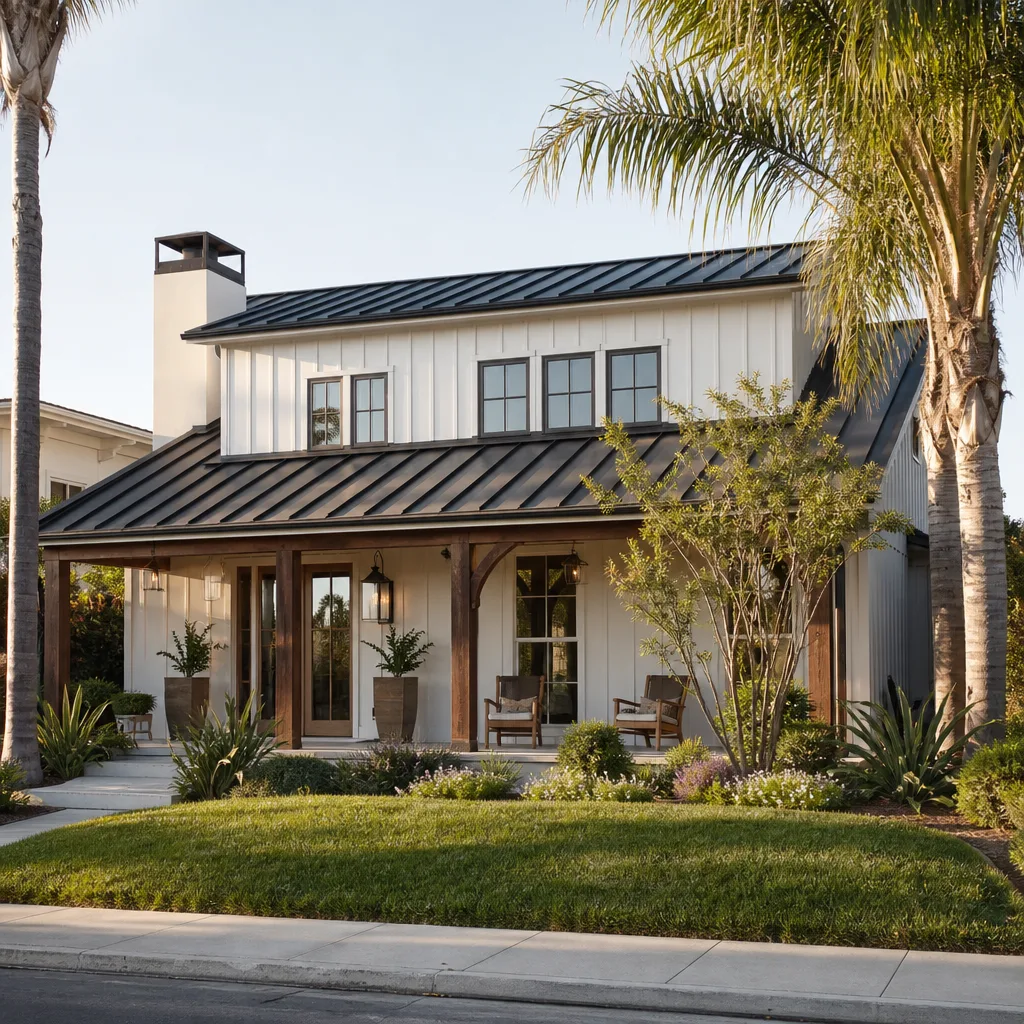
The DIY-versus-hire decision in Santa Rosa is about permit exposure and insurance gap, not skill level. Pull the permit or don’t start the project. If you pull the permit as an owner-builder, plan for the documentation burden, the plan-check schedule, the rework risk, and the loss of bonding, workers’ comp, lien protection, and warranty. On any project that touches electrical, gas, structural, or HVAC – or sits in a WUI zone – the honest number is what a licensed contractor’s written price includes, and it’s cheaper than the claim you might not collect.
Call (833) 842-1866 for a free estimate in Santa Rosa. Every quote is a flat written price with a written scope and a written warranty, backed by our 365-Day Done Right Promise. No work proceeds on a change until the change order is signed, and every visit gets a documented photo record you keep.
Written by the team at Rowan Construction Group Santa Rosa.
See the difference
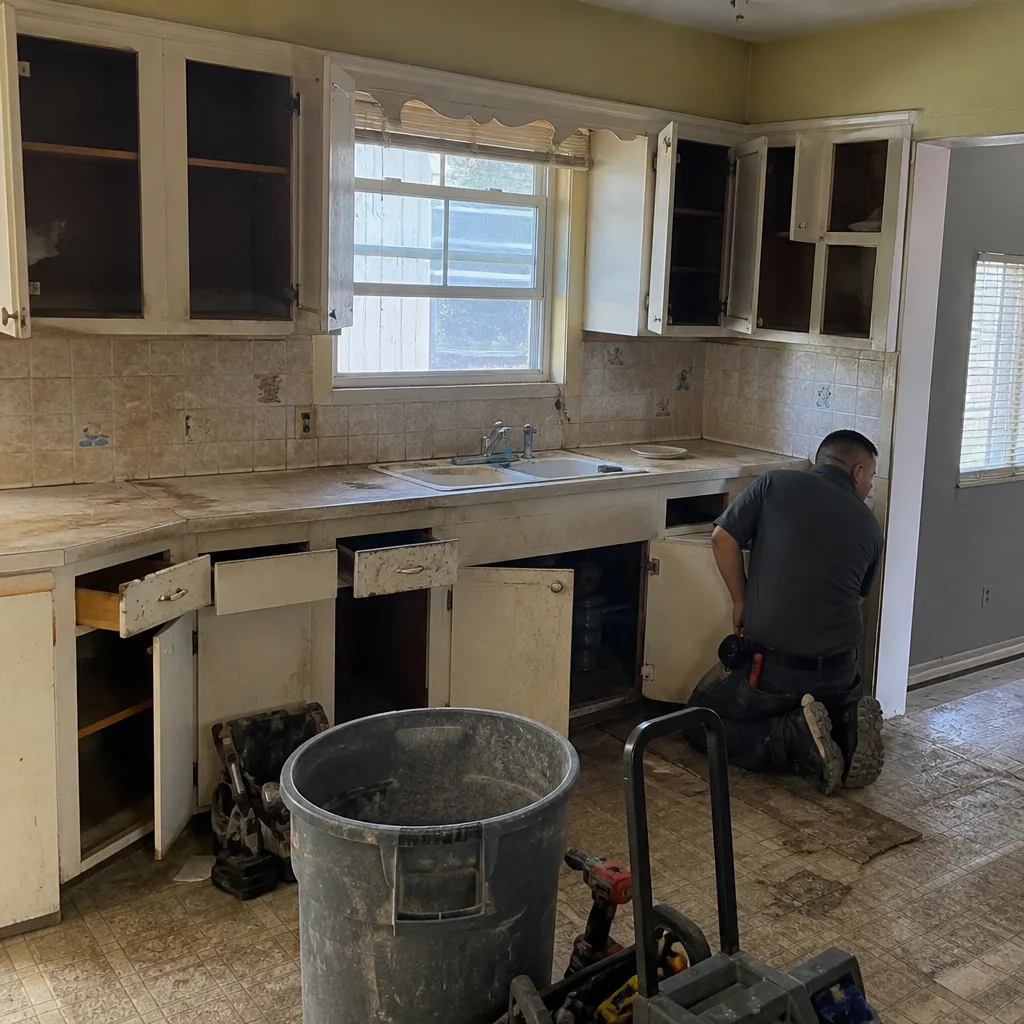 Before
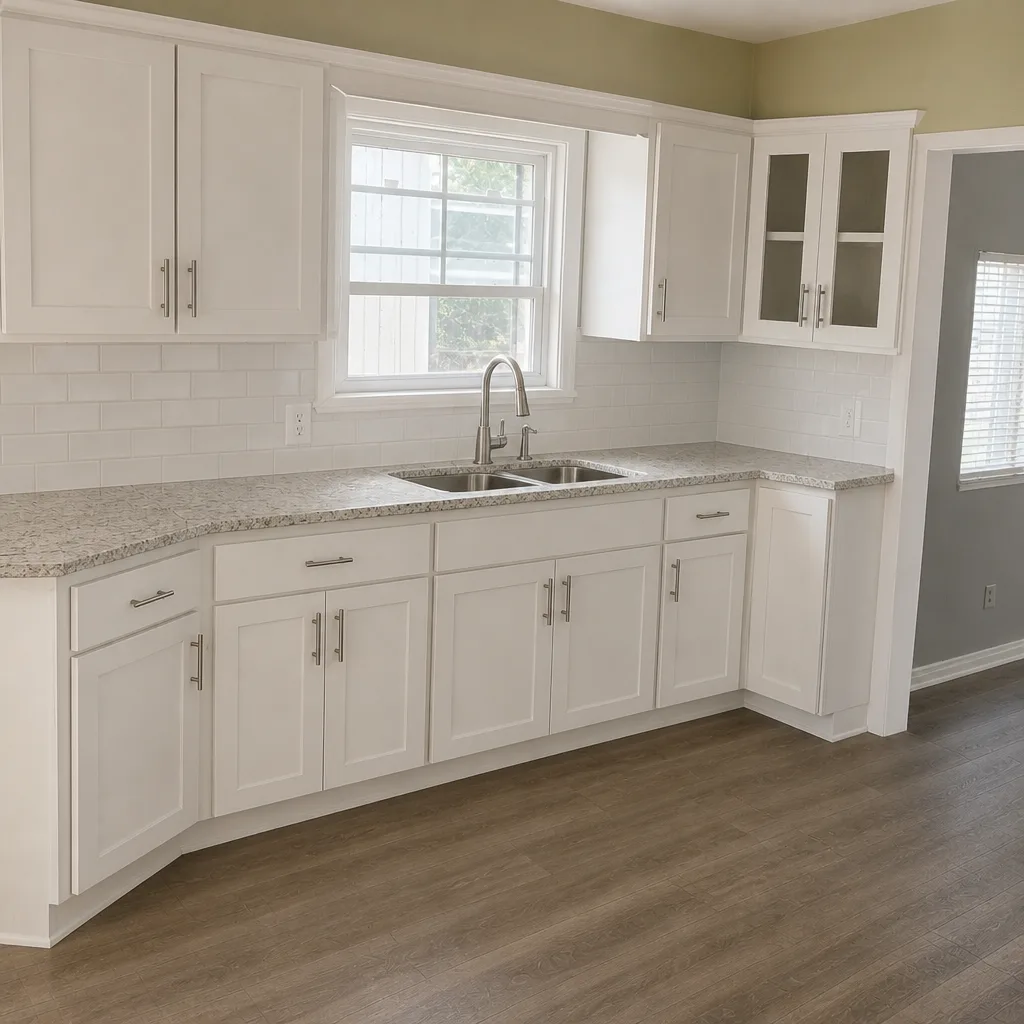 After
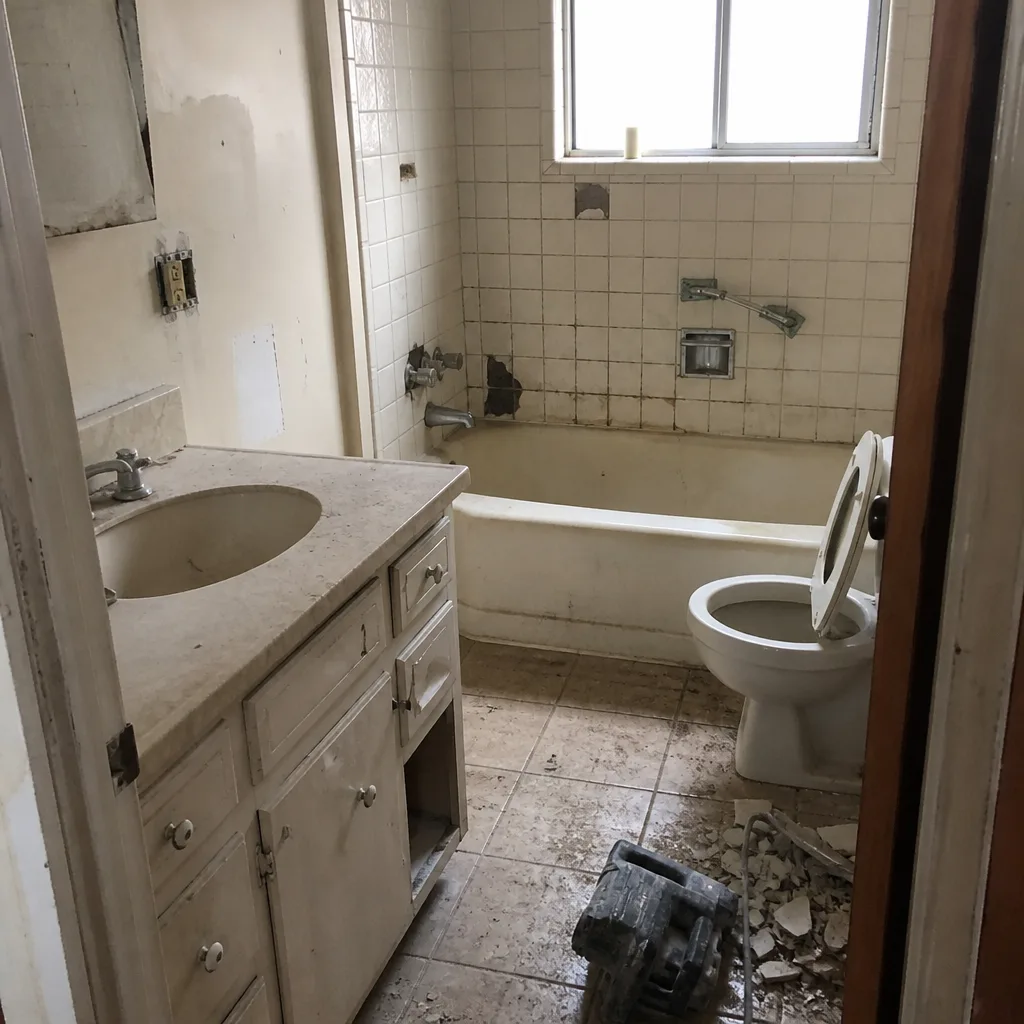 Before
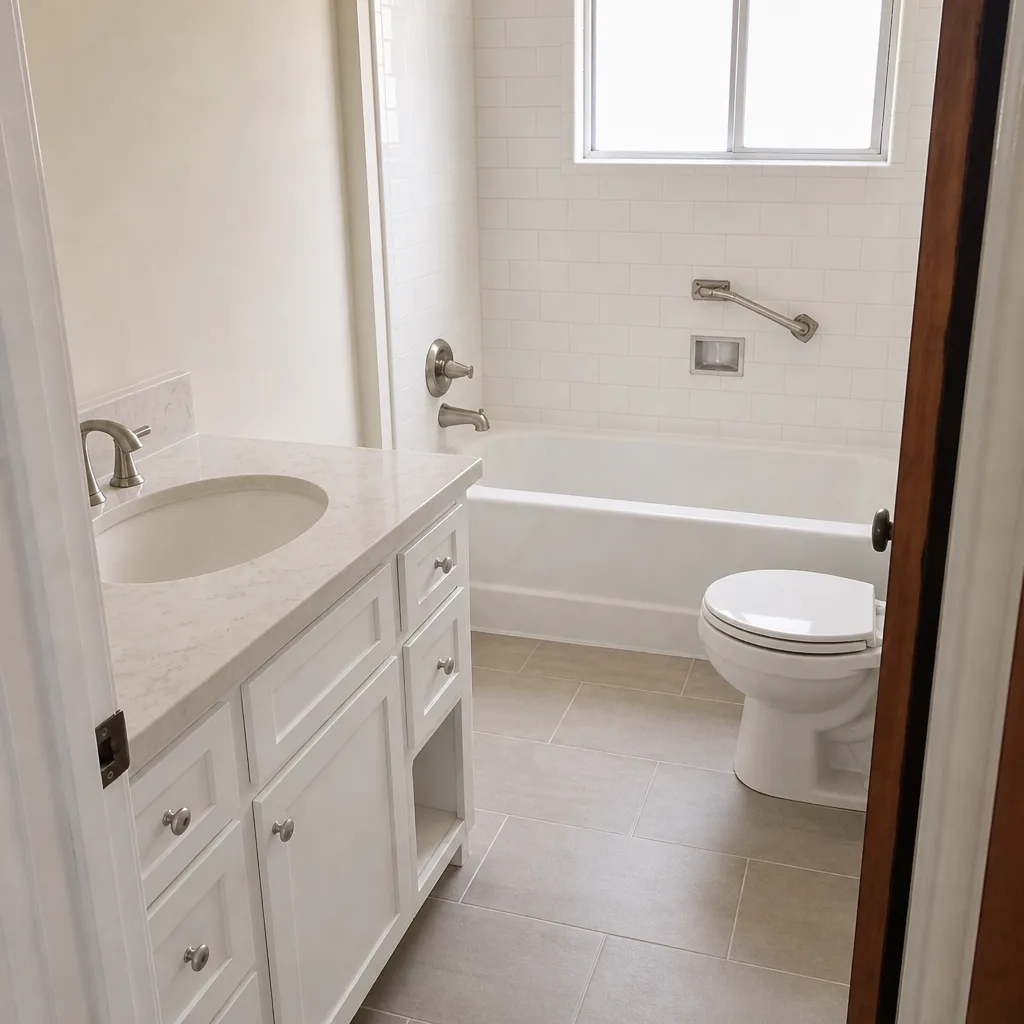 After
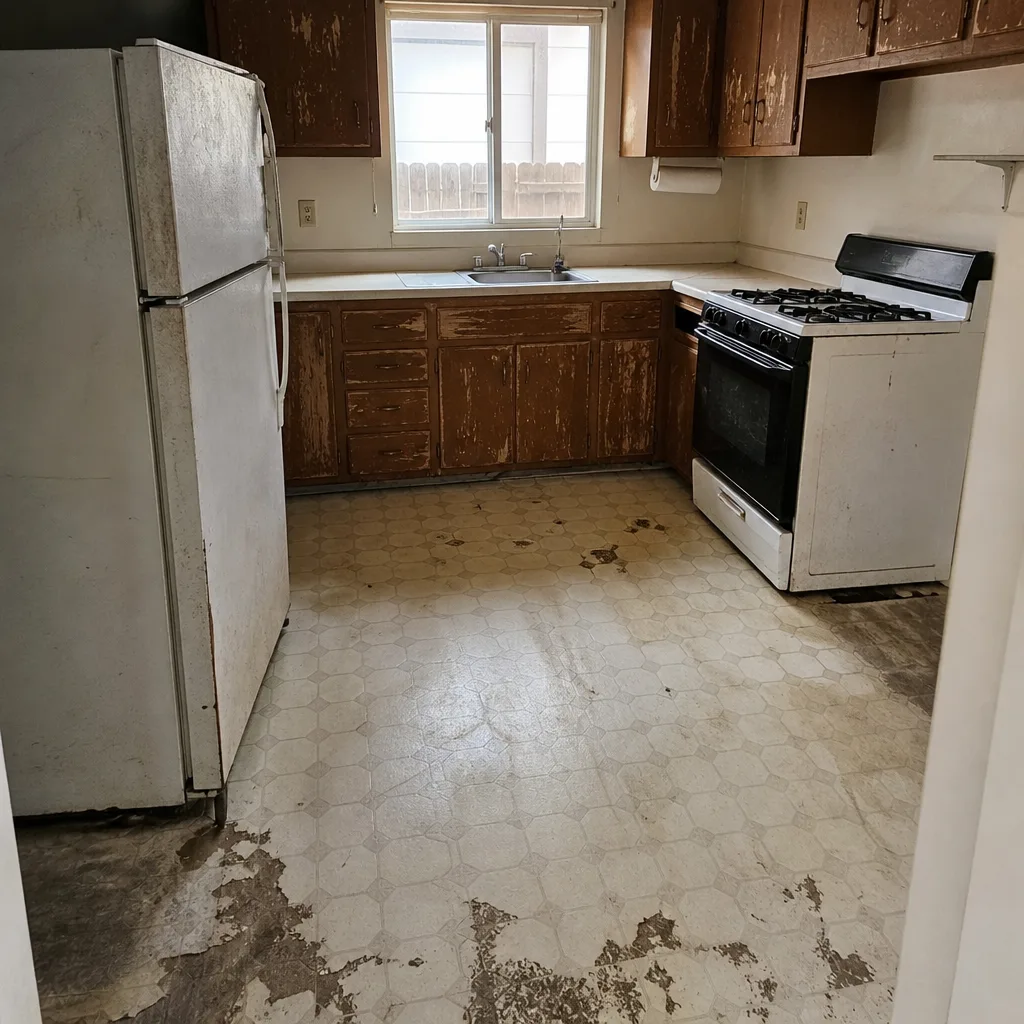 Before
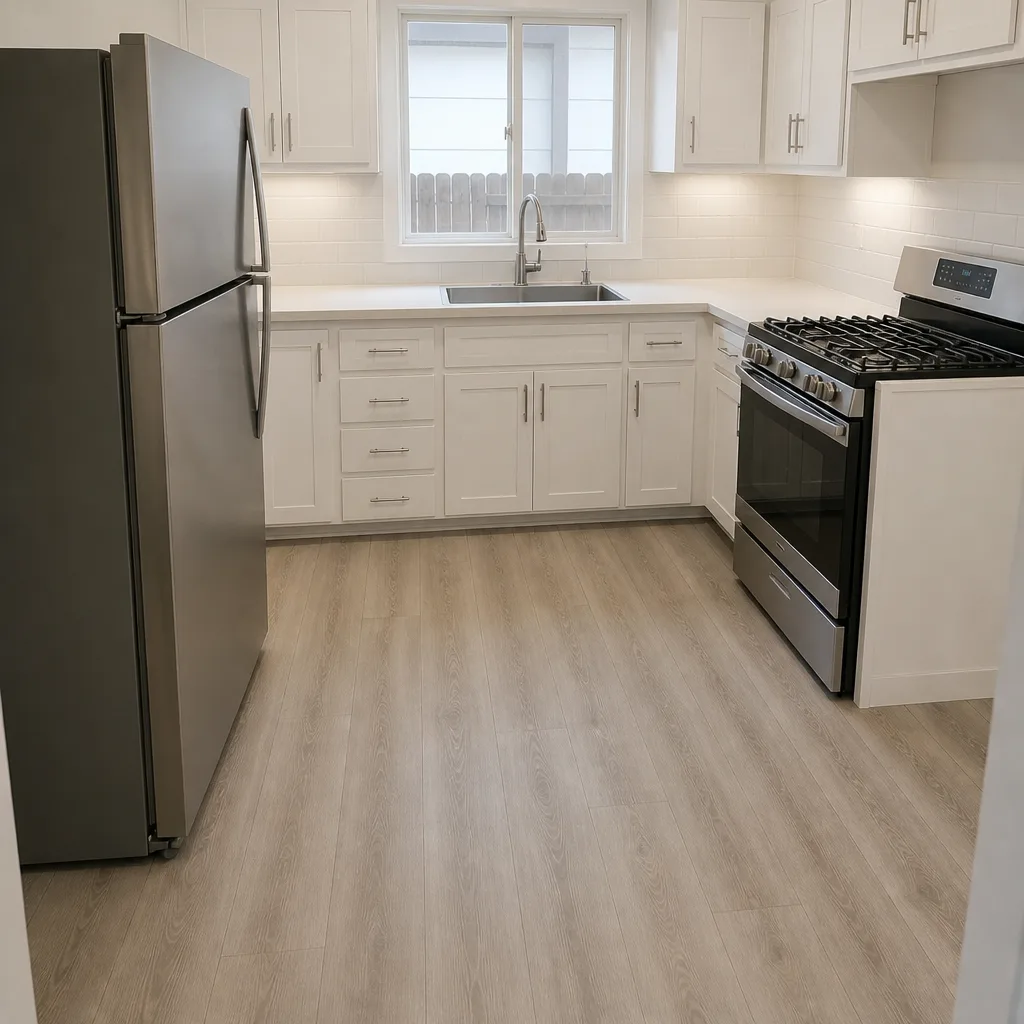 After