Last updated November 17, 2026
Free written scope consultation - allowances, timeline, and change-order rules on paper before a single trade is scheduled
DIY vs Professional Driveway & Pavers: What’s Safe to Do Yourself
Renting a plate compactor and setting your own pavers is a reasonable plan. Skipping the compaction step because you already own a hand tamper is how a $4,000 DIY driveway becomes a $7,000 contractor repair. The DIY-versus-professional question for a paver driveway isn’t really about your skill level. It’s about which phases carry cost consequences when they go wrong, and which phases are genuinely forgiving. We’ve watched both kinds of projects finish in Santa Rosa: the careful homeowner who saved real money, and the one who paid twice because the base was never right. This guide walks through each phase, the equipment rentals, the permit rules, and the time it actually takes.
Quick Answer
Most paver driveway phases are DIY-viable for a capable homeowner: demolition, excavation with rented equipment, base compaction done in the correct lifts, edge restraint, cutting, and polymeric sand. Two phases decide whether the project holds up: base preparation and edge restraint, where small errors compound into settling and spreading. The one scenario where DIY isn’t viable is hitting an unmarked utility during excavation, which turns a weekend project into a legal and safety matter for the utility owner.
Styles & brands we work with
- Kitchen remodeling
- Bathroom remodeling
- Home additions & ADU
- Roofing
- Windows & doors
- Driveway & pavers
- Fence
Table of Contents
- Phase-by-Phase: What’s DIY and What Isn’t
- The Equipment Rental Reality Check
- The One Scenario Where DIY Isn’t Viable
- How Santa Rosa’s Permit Process Changes the Calculus
- How Long a DIY Driveway Actually Takes
- Common Mistakes to Avoid
- When to Call a Professional
Phase-by-Phase: What’s DIY and What Isn’t
A paver driveway is built in six sequential phases, and each one sits on the one before it. Judge them separately, because “DIY-viable” doesn’t mean “easy” – it means an error here is correctable without tearing out finished work. Here’s the binary call for each.
- Demolition – DIY-viable. Breaking out old concrete or lifting existing pavers is labor, not craft. A rented electric breaker and a dumpster handle it. The catch is disposal cost and the chance you find something underneath that changes the scope.
- Excavation – DIY-viable with equipment rental. You’re removing 6 – 10 inches of soil depending on base depth and Santa Rosa’s soil conditions, which run heavy clay in many neighborhoods near the Laguna. Clay doesn’t drain, so excavation depth and slope away from the house matter more here than in sandy markets.
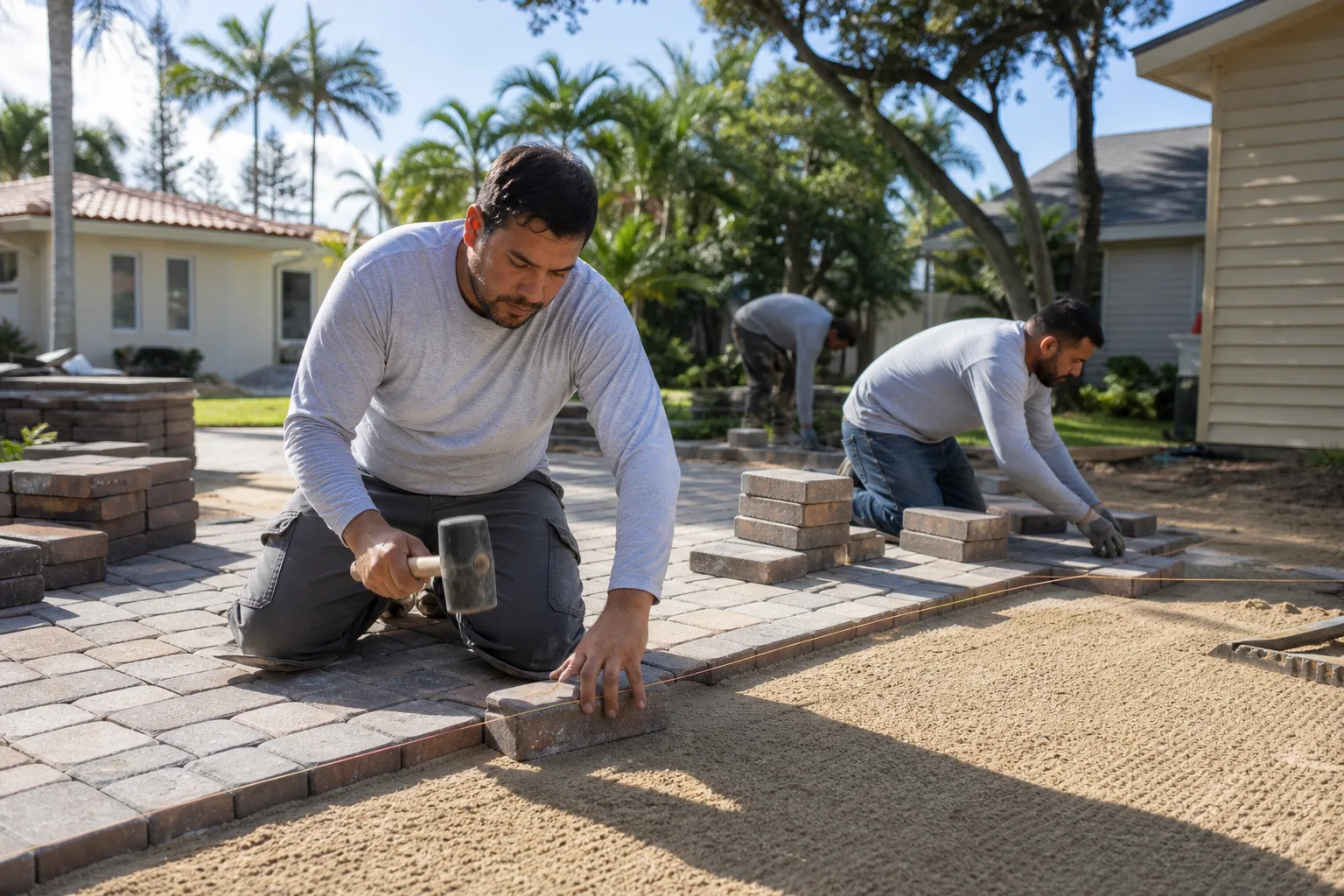
- Base compaction – DIY-viable if done in lifts with the right equipment. This is the phase that decides the driveway’s life. Base goes down in 2 – 4 inch lifts, each compacted before the next, with a plate compactor or vibratory roller. A hand tamper cannot reach proper density. This is where we see the most expensive mistakes.
- Edge restraint – DIY-viable. The edge holds the field in place. Without it, pavers creep outward under car weight and rain, and joints widen season after season. Spike-down plastic or aluminum edge set in concrete is within reach of a careful homeowner, but it’s unforgiving of shortcuts.
- Paver cutting – DIY-viable with a wet saw. A 14-inch wet saw rents for $55 – $80 a day and produces clean cuts on the field and borders. The skill is measuring twice and cutting the border course last, not the cutting itself.
- Polymeric sand – DIY-viable. Sweeping sand into joints, misting, and letting it cure is one of the most forgiving phases on the list. Timing matters: sand goes in when the pavers are dry and the forecast is clear for 24 hours.
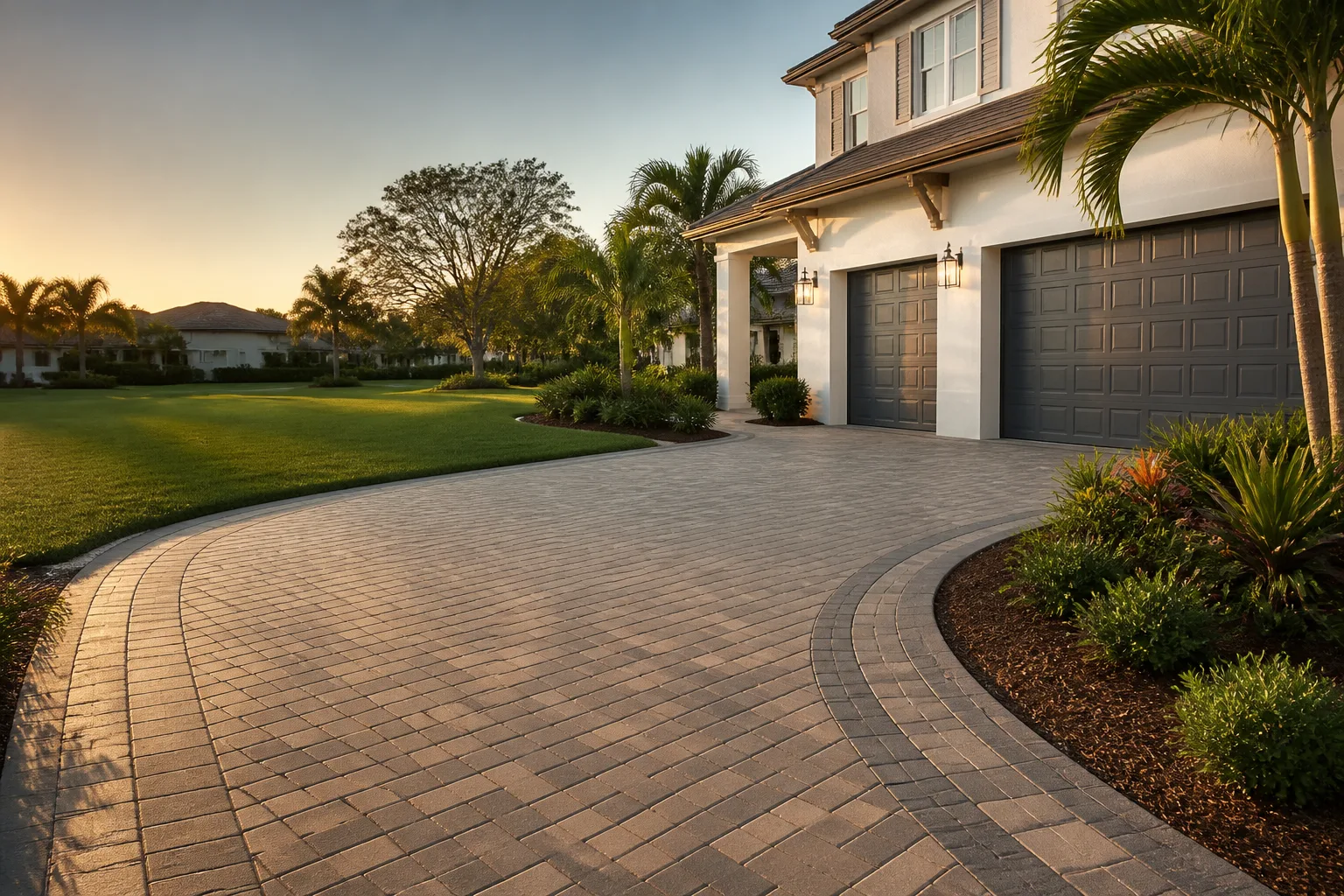
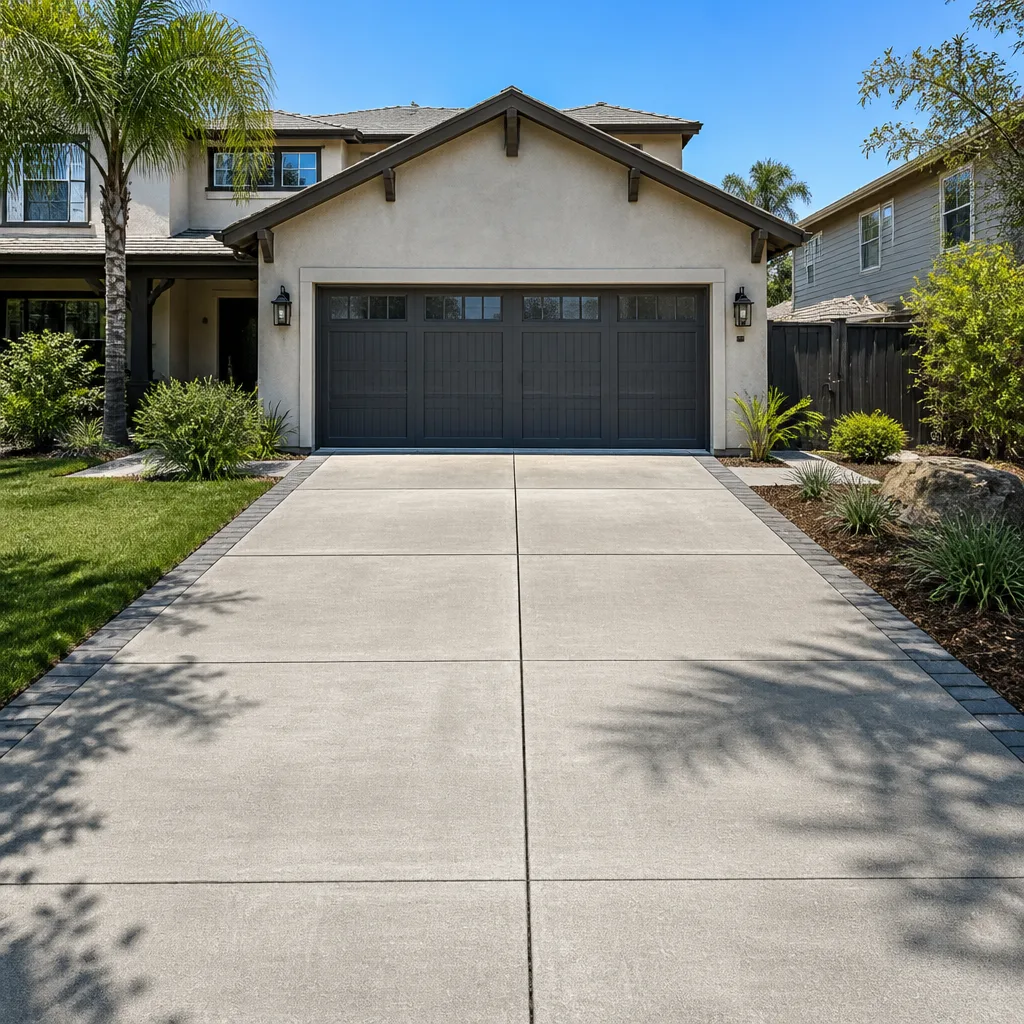
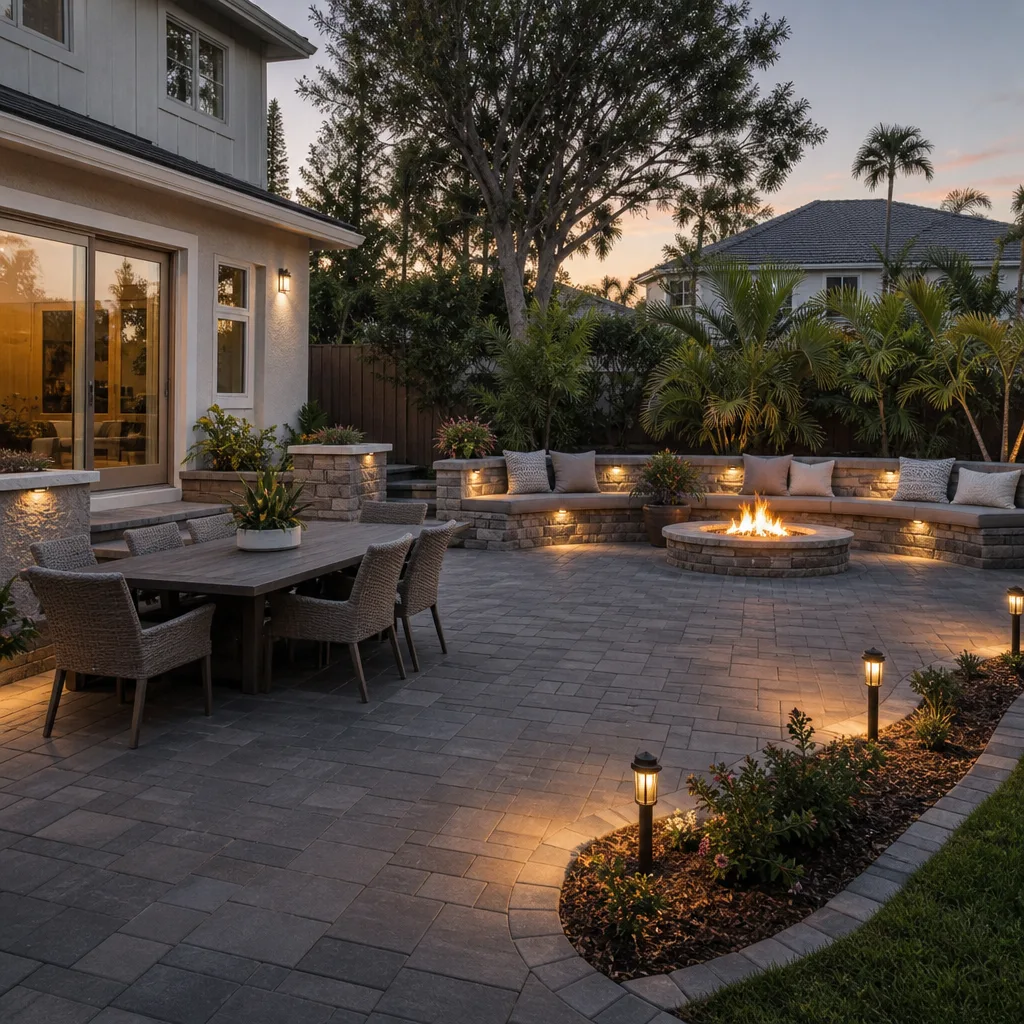
Placement and sanding are where a patient homeowner performs identically to a crew. Compaction and restraint are where the crew’s experience shows up as a driveway that’s still flat in year ten. For a full walkthrough of the finished product, our Driveway & Pavers in Santa Rosa page covers materials and layout options.
The Equipment Rental Reality Check
DIY math only works when the equipment line is honest. For a 500-square-foot driveway, here’s what the rentals actually cost in the Santa Rosa area, based on typical daily rates:
- Excavator or skid steer: $350 – $500 per day. A mini-excavator handles the digging; a skid steer moves soil and base faster but needs a little practice to grade cleanly.
- Plate compactor: $85 – $120 per day. You’ll want it for multiple days, since compaction happens across the whole base build.
- Wet saw: $55 – $80 per day. One day usually covers the cuts on a driveway this size.
- Delivery, fuel, and dumpster: $300 – $600 for the job, depending on how far the rental yard is and how much spoil you’re hauling.
Total equipment spend lands somewhere near $900 – $1,400 for a project this size, before you buy a single paver. A crew bringing its own machines carries that cost inside its labor rate, so the DIY “savings” is the difference between your rental line and the contractor’s labor line – not the whole contractor price. On a 500-square-foot driveway with mid-grade pavers, that delta often works out to $2,000 – $4,000, which is real money. It’s also the number that disappears if you have to rent the compactor twice because the first pass didn’t hold.
The One Scenario Where DIY Isn’t Viable
Excavation sometimes turns up a utility line nobody marked: a private irrigation line, a landscape lighting run, or an old gas stub from a previous build-out. The moment your shovel or bucket strikes an unmarked line, the project stops being a driveway and becomes a safety and liability question.
In California, the call-before-you-dig system is 811 (Underground Service Alert). Every excavation project, DIY or professional, requires a ticket, and the wait is typically two working days. The service marks public utilities only. Private lines – anything on your side of the meter – are your responsibility to locate, and that’s where DIY excavation most often gets into trouble. If you hit a gas line, stop work, clear the area, and call the utility. If you hit a water or sewer line, call the utility or a plumber before backfilling.
We’ve seen a homeowner in Santa Rosa’s Junior College neighborhood strike a private gas line three feet from the fence and spend the rest of the month waiting on repairs and inspections. That scenario is why our crews confirm private locates before the excavator starts, and why we treat “call 811 first” as non-negotiable on any driveway of ours. A community resource like this matters more than whether you place your own pavers.
How Santa Rosa’s Permit Process Changes the Calculus
Replacing a driveway surface – swapping pavers for pavers, or pavers over existing base – usually doesn’t require a permit in Santa Rosa. Changing the driveway’s footprint, cutting a new curb approach, altering drainage, or building a driveway where none existed does. The City of Santa Rosa’s permit counter is the authority, and a call before you order materials is worth the ten minutes.
Here’s the part most DIY guides skip. A homeowner-pulled permit for a driveway that changes grade or drainage requires inspection at the base stage, before a single paver is set. That inspection is a genuine quality check on the most important phase of the build: base depth, compaction, and slope. An inspector who signs off on your base has effectively protected you from the error we see most often. In that sense, pulling the permit is good for a DIYer, not just a hurdle.
If you’re adding a driveway as part of a larger project – an ADU or home addition in Santa Rosa – the driveway permitting moves inside the larger plan and the sequencing gets tighter. That’s the kind of move where the paperwork discipline matters as much as the pavers.
How Long a DIY Driveway Actually Takes
For a 400-square-foot driveway, a capable adult working weekends should plan on three to four weekends. Here’s how it maps out, assuming the weather cooperates:
- Weekend one – prep and permits. Call 811, wait for the marks, pull any required permit, order the dumpster, reserve the excavator and plate compactor, and demo the old surface. This is also where you confirm the base depth your soil needs.
- Weekend two – excavation and base. Dig to depth, haul spoil, bring in base rock, and compact in lifts. This is the weekend that can stretch; if the soil is heavy clay, plan on more excavation than you’d guess. Compact each lift, then check grade with a string line.
- Weekend three – restraint and pavers. Set edge restraint, lay the field, cut the border course, and tap everything into alignment. A helper halves the time here.
- Weekend four – sand and cleanup. Sweep polymeric sand into the joints, mist, cure, and clean up. Weather-dependent; rain in the forecast pushes it.
Santa Rosa’s rainy season, roughly November through March, shortens the workable window and can turn a three-weekend job into five. Fall is the worst time to start a DIY driveway here, because compaction and polymeric sand both need dry conditions. Spring gives you the longest dry stretch.
Common Mistakes to Avoid
- Compacting with a hand tamper. It feels like progress and it isn’t. Base density is the whole ballgame; rent the plate compactor and do it in lifts.
- Skipping the 811 call. It’s free, it’s fast, and every contractor in Santa Rosa calls before digging. So should you.
- Under-excavating in clay soil. Heavy clay near the Laguna holds water, and a shallow base will heave and settle. Depth matters more here than in fast-draining soil.
- Leaving out edge restraint. It looks cosmetic and it isn’t. Without it, pavers spread outward within a few winters.
- Sand in wet joints. Polymeric sand needs dry pavers and 24 dry hours. Setting it the afternoon before a storm wastes a full day and a bag of sand.
- Buying pavers before the base is graded. Grade changes shift how much material you need. Order pavers after excavation, not before.
- Forgetting the disposal line. Concrete spoil and soil haul-away can cost as much as the compactor rental. Budget for it before the dumpster arrives.
When to Call a Professional
Call a professional when your driveway changes grade or drainage, when excavation hits an unmarked utility, when soil conditions look like heavy clay without a clear drainage path, or when the driveway size pushes past what you can finish in a season. A 400-square-foot driveway is a manageable DIY project. A 1,200-square-foot apron with a slope and a drainage swale is a project where the equipment, sequencing, and inspection rhythm pay for themselves. The other trigger is time: if you can’t give the project four full weekends, the base compaction phase is the first thing that gets rushed, and it’s the one that matters most.
Rowan Construction Group Santa Rosa offers free estimates in Santa Rosa – call (833) 842-1866. Every quote is a flat written price with a written scope, delivered before work starts. Bring a competitor’s quote and we’ll review it line by line at no charge.
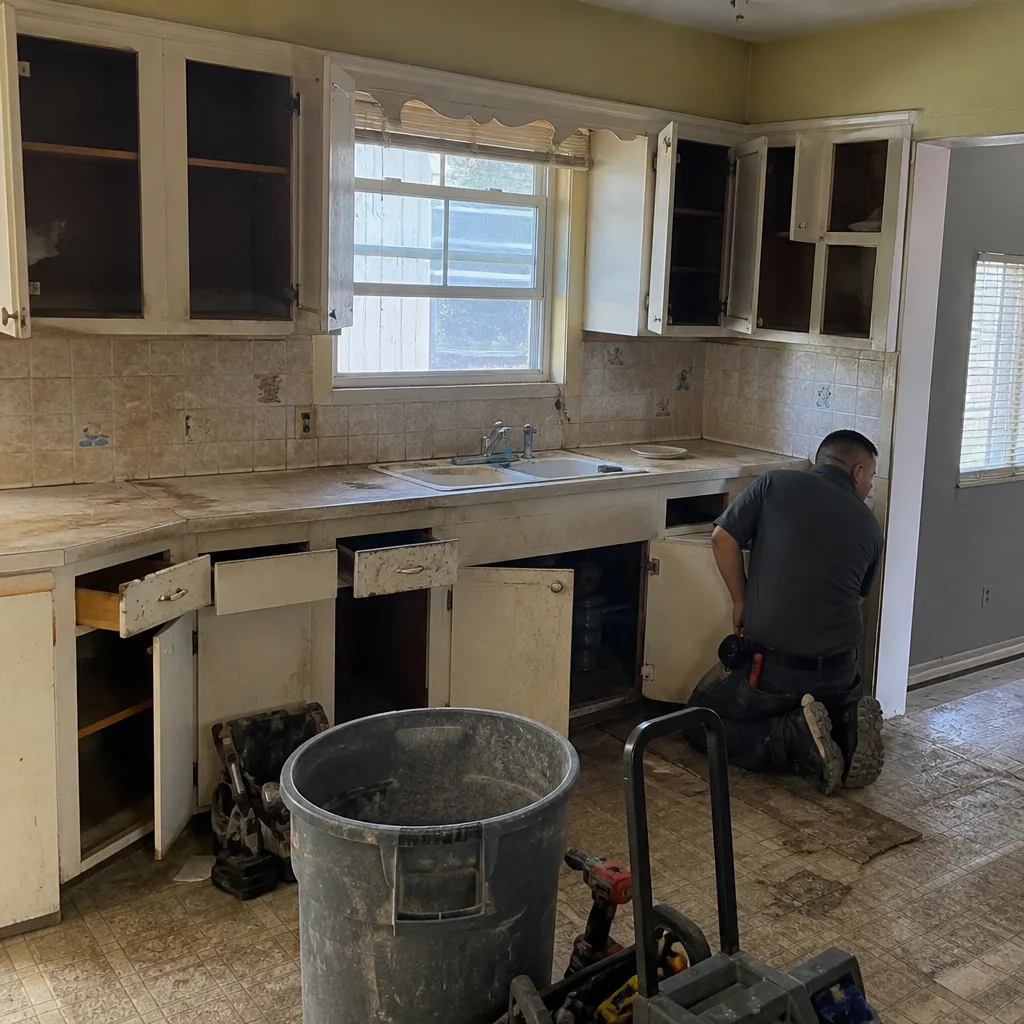
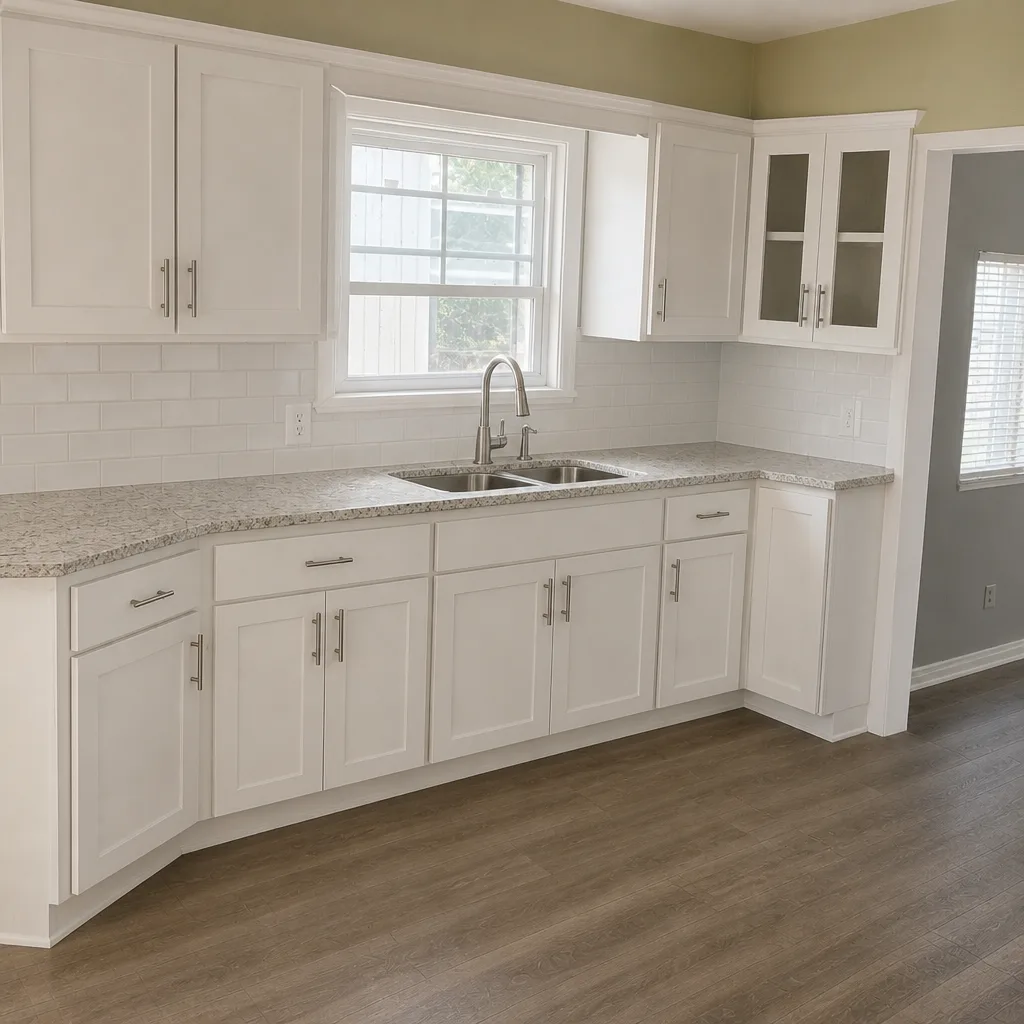
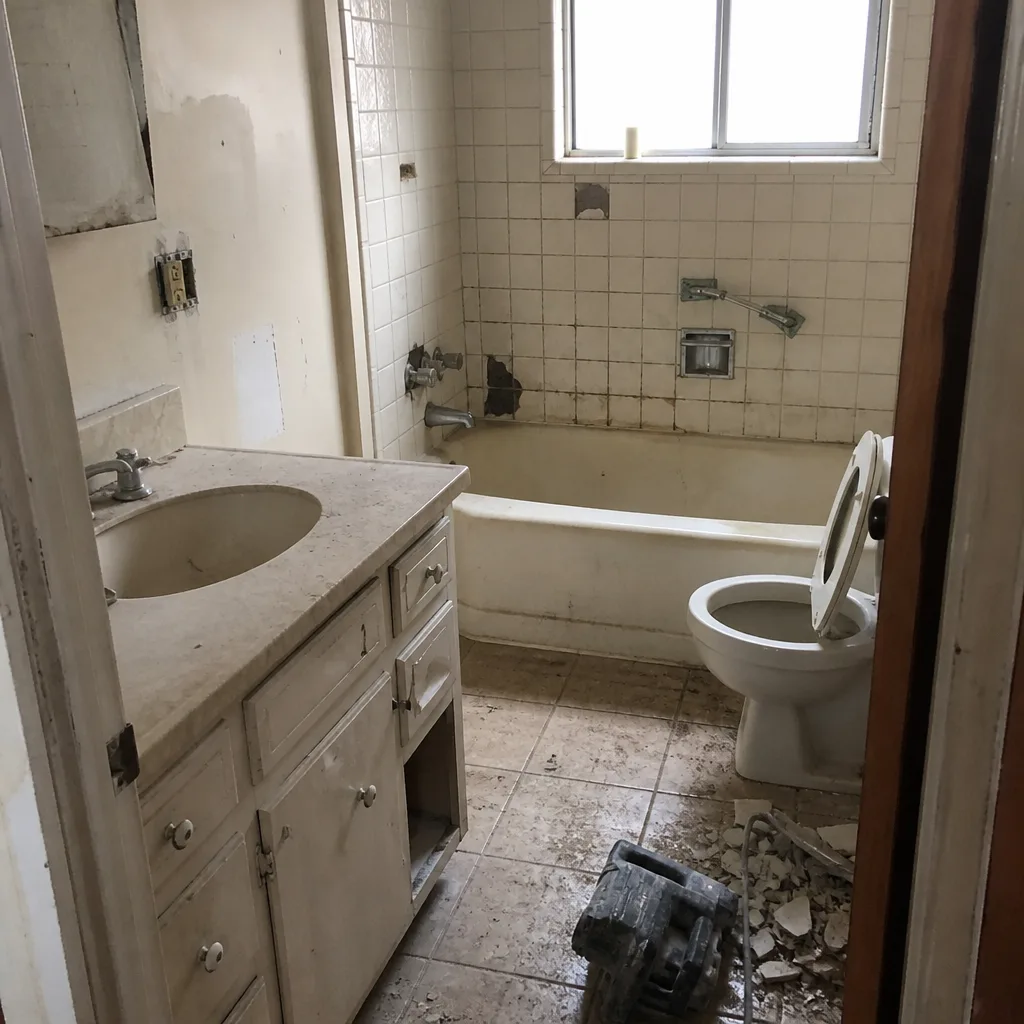
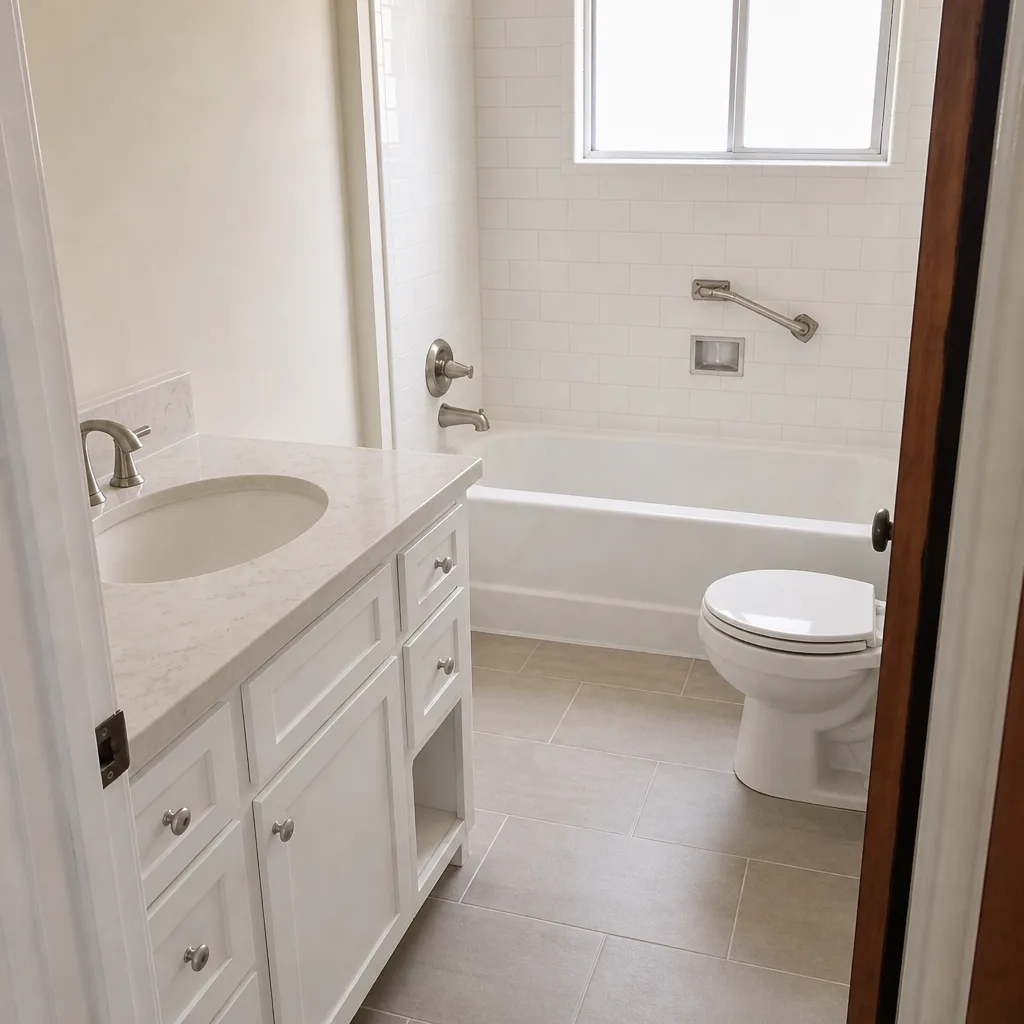
See the difference
 Before
 After
 Before
 After
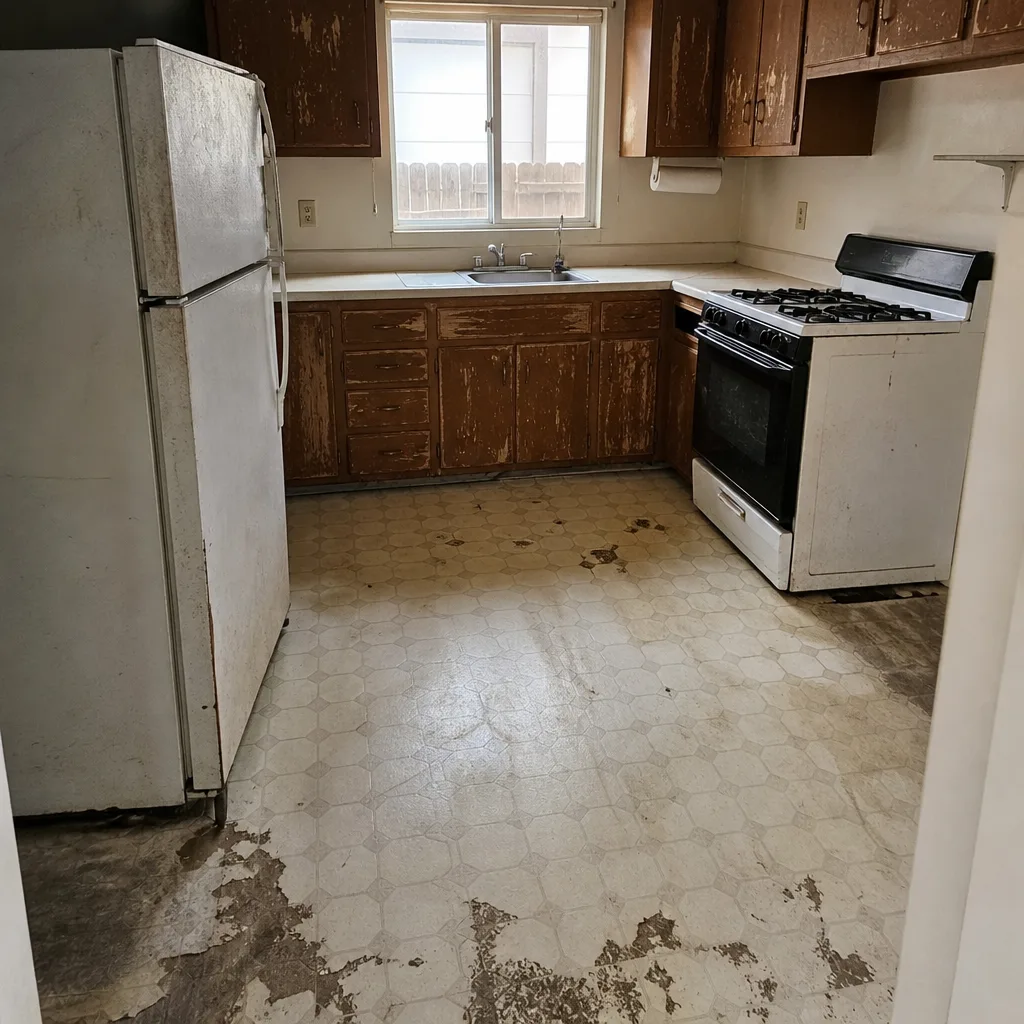 Before
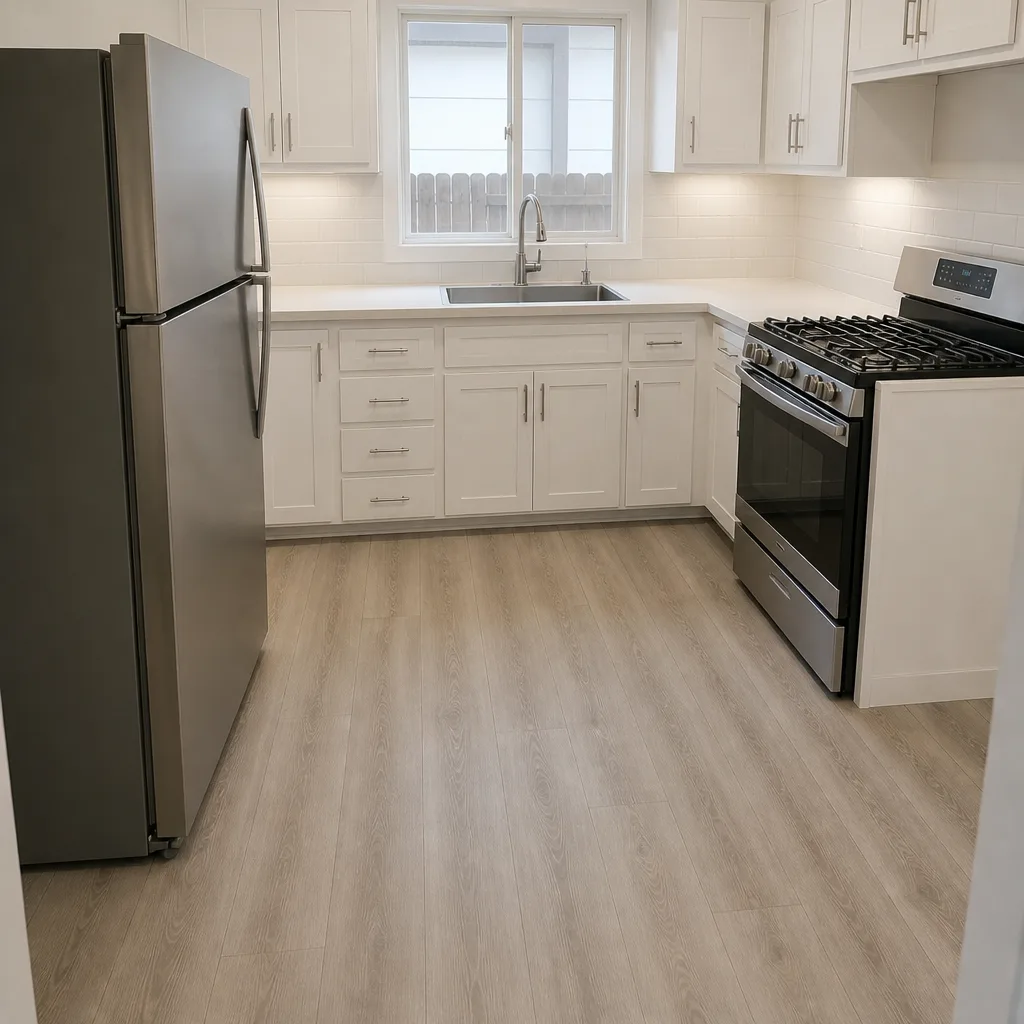 After
Frequently Asked Questions
DIY is cheaper on labor but close on equipment. For a 500-square-foot driveway, equipment rentals run roughly $900 – $1,400, while a contractor’s labor adds $2,000 – $4,000 over the DIY number. The savings are real if you own the time; they evaporate if you have to redo compaction or edge restraint. Call (833) 842-1866 for a free written estimate you can compare against your DIY budget.
Yes, for most standard driveway replacements. A homeowner-pulled permit may be needed if you’re changing footprint or drainage, and the base inspection protects the phase most DIYers get wrong. For a full breakdown of materials and layout, see our Driveway & Pavers in Santa Rosa page.
Skipping compaction or doing it with a hand tamper instead of a rented plate compactor. The base is the part you never see and the part that decides whether the driveway is flat in ten years. Every other mistake on a paver driveway is cosmetic by comparison.
Replacing an existing driveway surface usually doesn’t require one. Changing footprint, cutting a new curb approach, or altering drainage does, and that permit requires a base inspection before pavers go down. Call the City of Santa Rosa permit counter to confirm for your address. If a driveway is part of a larger build, we can walk through it – call (833) 842-1866.
Most residential driveway pavers sit on 6 – 8 inches of compacted aggregate base over compacted subgrade, with deeper base where the soil is heavy clay. The exact number is set by soil conditions and traffic load. A base inspection or a contractor’s site visit is the right way to lock it in. Call (833) 842-1866 for a free estimate.
Yes. Mini-excavators, plate compactors, and wet saws are all available at Santa Rosa rental yards on daily rates, and renting is the standard DIY path. What you don’t rent is experience, and the two phases that matter – compaction and edge restraint – are the two where that shows up. For a written price to compare against, call (833) 842-1866.
The Bottom Line
Most paver driveway phases are within reach of a careful homeowner. Demolition, excavation with rented equipment, cutting, and polymeric sand are forgiving. Base compaction and edge restraint are the two phases where DIY errors compound, and both are cheap to get right if you rent the correct equipment and slow down. Call 811 before digging, pull any permit your project requires, and give the job four weekends – not two. If the driveway is large, sloped, or the ground turns up something unexpected, a professional crew is the honest call. On any other trade – fencing, windows, roofing – the same principle holds: know which phase carries the consequence.
Rowan Construction Group Santa Rosa puts the written price on the table before anyone picks up a tool. Call (833) 842-1866 for a free estimate, a flat written price, and a documented photo record of every visit. If you’re planning beyond the driveway, our team also installs fence installation in Santa Rosa and handles the full range of residential construction through Rowan Construction Group Santa Rosa.
Written by the team at Rowan Construction Group Santa Rosa.