Last updated November 17, 2026
Free written scope consultation - allowances, timeline, and change-order rules on paper before a single trade is scheduled
The Complete Driveway & Pavers Guide for Santa Rosa Homeowners
A 1,000-square-foot paver driveway installed on an under-excavated base in Santa Rosa’s clay soils can show lateral creep within 18 months. The paver brand is irrelevant if the first 8 inches below grade are wrong. Most paver guides sold to homeowners assume sandy soil and a 6-inch base, which is roughly half of what eastern Santa Rosa can require. This guide sizes every layer in inches, names the compaction equipment and its rental cost, lists installed material prices in current Sonoma County dollars, and explains the City of Santa Rosa permit trigger that stops projects mid-build every spring.
Quick Answer
Driveway pavers in Santa Rosa cost about $12 to $26 per square foot installed, and a big chunk of that number is dirt work, not stone. Santa Rosa’s heavy clay soils under the 95401 to 95409 zip codes demand a 10 to 12 inch excavation instead of the 6 inches most national guides call for. The base, drain rock, and compaction usually decide how the driveway looks at year five; the paver choice decides how it looks at year one.
Styles & brands we work with
- Kitchen remodeling
- Bathroom remodeling
- Home additions & ADU
- Roofing
- Windows & doors
- Driveway & pavers
- Fence
Table of Contents
- Why Clay Soil Is the Silent Failure Point in Santa Rosa
- How Deep Do We Excavate in Santa Rosa?
- The Base Layer: Class II Road Base, 3-Inch Lifts, and Compaction
- Paver Material Costs in Sonoma County Dollars
- Permits, Stormwater, and the 500-Square-Foot Trigger
- Edge Restraint: The Detail That Voids Warranties
- Drainage and Grading in a 25-Inch Rain Climate
- The Build Process, Step by Step
Why Clay Soil Is the Silent Failure Point in Santa Rosa
Santa Rosa sits on a soil system the Natural Resources Conservation Service groups under the Montecito Series in most of the plain between the Mayacmas and the Sonoma Mountains. Those soils are dominated by expansive clay minerals that swell when wet and shrink hard when dry. In a permeable-paver installation, the difference between a wet February and a dry September moves clay inches, not millimeters.
Here’s what that does to an underbuilt driveway. The subgrade pushes up beneath the pavers in the wet months, the surface layer loses joint sand, and the paver bed migrates laterally out past the edge restraint. You see the result as ridges in January and gaps in August. The paver isn’t failing; the subgrade is moving beneath it.
We’ve seen this over and over in the Rincon Valley and Skyhawk neighborhoods, where driveways sit on shallow clay with a lot of roof runoff. In the Coffey Park rebuild, contractors working on new lots had to dig old clay out to grade before any surface work could begin. The soil doesn’t care what brand of paver goes on top.
This is why we treat soil condition as the first line item in a Driveway & Pavers in Santa Rosa specification. A quote that lists pavers and labor without a soil line is a quote that hasn’t looked under the driveway yet.
How Deep Do We Excavate in Santa Rosa?
The typical Santa Rosa paver driveway needs a 10 to 12 inch excavation, top to bottom, before any stone goes down. That’s roughly double the standard on sandy or decomposed granite lots in other parts of California. The excavation depth is determined by how the surface load transfers into clay, not by the pavers themselves.
- Measure the existing subgrade. We proctor a soil sample or send one to a soils lab when the clay looks deep. A quick hand-test works for shallow jobs: squeeze a damp ball and see how far it breaks apart.
- Strip organic material fully. The top 2 to 4 inches of clay with grass root and topsoil has to come off entirely. Paver beds fail fastest when organic material is left under them.
- Excavate to 10 inches for pedestrian driveways, 12 inches for vehicle traffic. The number climbs when roofs, slopes, or gutters run water onto the drive.
- Over-excavate and re-compact with drain rock where subgrade is very wet. Rincon Valley and the lower elevations near Santa Rosa Creek often need an extra 4-inch drain rock layer, bringing total depth to 14 inches.
- Proof-roll the subgrade with a plate compactor before base goes down. Any soft spot shows up as a deflection and is repaired before concrete or pavers are placed.
On slopes over 5%, we step the excavation into 6-inch terraces. Paver beds on clay fail faster on slopes because water runs under the surface instead of through it. Stepping the beds is cheap at the dirt stage and expensive once stone is down.
The Base Layer: Class II Road Base, 3-Inch Lifts, and Compaction
Santa Rosa driveways should be built on Class II road base compacted in 3-inch lifts to 95% relative compaction. Class II is the aggregate grade the city’s own public works standard accepts for sub-base; it’s a well-graded crushed material with a mix of stone sizes down to fines. Anything labeled “decomposed granite” or “pit run” on a Santa Rosa clay lot is a downgrade.
- Lift thickness: 3 inches. Six-inch lifts compact at the bottom and stay loose at the top, which shows up as ruts by the second winter.
- Moisture: near optimum. Dry aggregate won’t compact; soaking wet gives a springy finish. We test with a spray bottle and a hand squeeze.
- Compaction target: 95% relative compaction, verified with a nuclear or sand cone test on larger drives. Foot traffic on a big residential drive doesn’t hit that without proper equipment.
- Plate compactor rental: $85 to $120 a day at most Santa Rosa rental yards. For long runs against a tight curb or fence, a jumping jack (also called a trench rammer) runs $90 to $140 a day and gets tighter compaction into corners.
A plate compactor is fine for open areas. The jumping jack is what we rent when the drive runs tight against the house, fence, or curb, where a plate can’t reach. If a proposal names base depth but never names compaction equipment or lift thickness, the contractor hasn’t decided how the base gets built.
For anyone laying out an adjacent shed pad or garden wall while we’re already on site, coordinating with a shed installer that knows Santa Rosa clay is worth a call. We’ve watched sheds shift on a base that wasn’t compacted to spec; the Santa Rosa home side of the lot needs the same discipline as the drive.
Paver Material Costs in Sonoma County Dollars
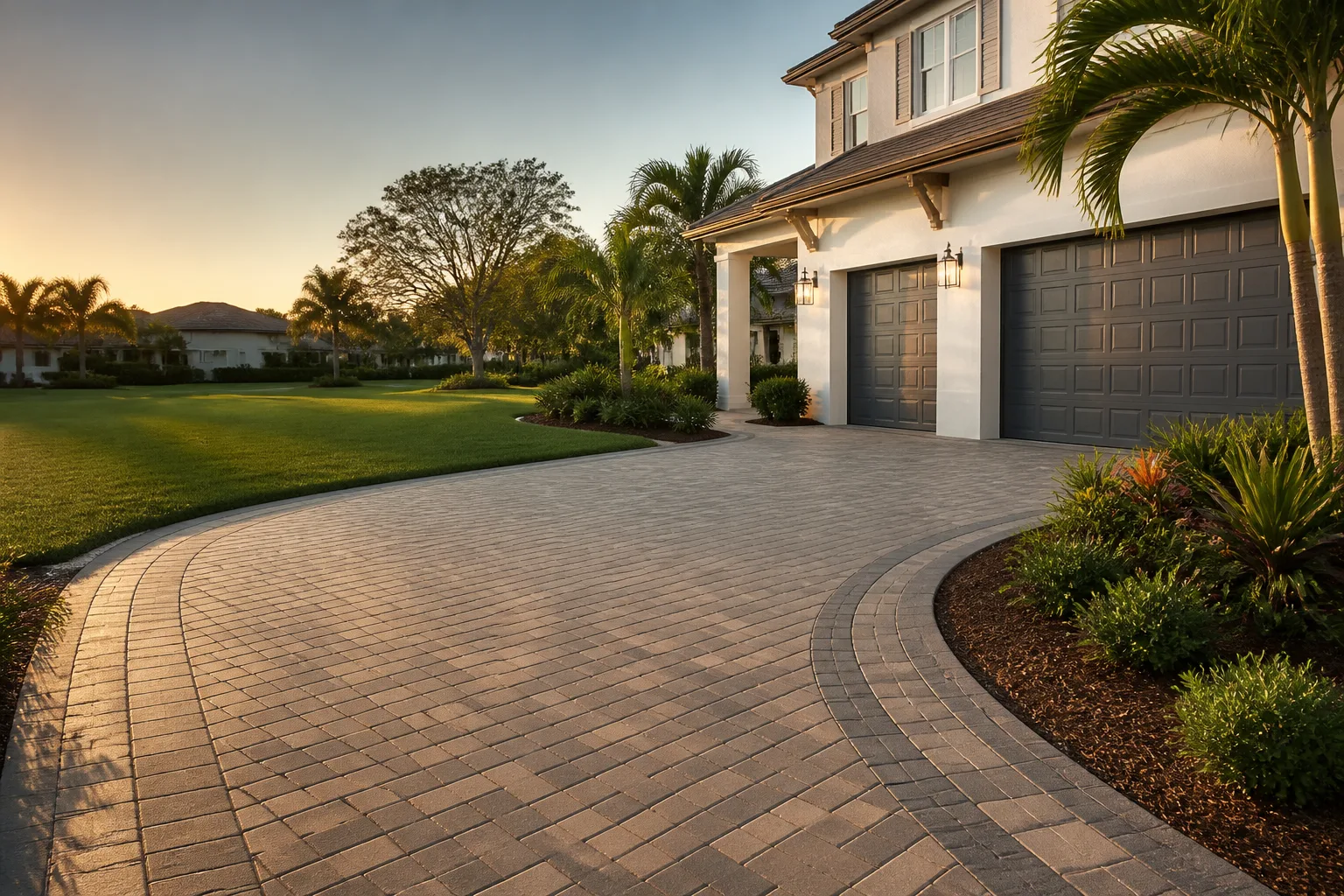
Installed paver costs in Santa Rosa vary by material and by how much excavation each drive requires. The table below is what a typical 1,000-square-foot residential driveway costs in Sonoma County dollars, including excavation, Class II base, compaction, edge restraint, and sand joint fill. Rock-only costs are shown separately because those are the numbers a homeowner can verify directly with a supplier.
| Material | Installed cost per sq ft | Paver-only cost per sq ft | What it does well |
|---|---|---|---|
| Concrete pavers (Holland stone, interlocking) | $14 to $20 | $4 to $8 | Repairability; traditional look; brand options from Belgard and Techo-Bloc |
| Travertine pavers | $18 to $26 | $6 to $12 | Cool-to-the-touch surface; premium look; limited slip resistance when wet |
| Permeable pavers (open-graded joint) | $16 to $24 | $5 to $10 | Stormwater compliance; reduced runoff; needs an infiltration base profile |
| Stamped concrete (comparison only) | $10 to $15 | n/a | Lower upfront cost; not repairable, no manufacturer warranty of note |
Permeable pavers are the only material that can reduce the impervious surface count for a stormwater submittal, which can matter on larger drives in Santa Rosa. They need the same Class II base plus a clear stone reservoir beneath, so they aren’t a shortcut. Travertine is beautiful in Napa and Sonoma County, but it stains with our oak-leaf tannin and needs a sealant plan from day one.
Belgard and Techo-Bloc are the two paver lines we most often quote into Santa Rosa. Suppliers along the 101 corridor carry the standard Holland profiles; special-order shapes can add two to three weeks of lead time. Plan the special order before demolition starts, not after.
Permits, Stormwater, and the 500-Square-Foot Trigger
The City of Santa Rosa requires a permit when a driveway project alters impervious surface area by more than 500 square feet, because that’s the trigger for C.3 stormwater compliance. C.3 is the regional stormwater standard that requires new impervious area to be treated or infiltrated on site rather than dumped into the storm drain. In plain terms, the city won’t sign the permit until the plan shows where the water goes.
What C.3 compliance looks like on a residential driveway in Santa Rosa:
- Site plan with a drainage narrative. The plan shows where runoff from the new pavers drains after the build. Bio-retention, a dry well, or permeable pavers with a subsurface reservoir are common solutions.
- Calculated impervious area. Every new square foot added subtracts from the build’s stormwater budget. This is why replacing a 1,000-square-foot concrete drive with a 1,000-square-foot paver drive usually qualifies as replacement, not new impervious surface.
- Inspection before backfill. The city inspects the base prep and any stormwater components before the pavers go on.
- Final inspection and as-built. The as-built has to match the plan, or the permit won’t close.
Permit timelines in Santa Rosa run three to six weeks on a clean submittal. The most common reason a driveway submittal gets bounced back is a missing drainage narrative, not a missing structural drawing. Whoever writes your drainage narrative should be the same person who answered the phone about the base spec, because the two are the same conversation. Pulling the permit and passing the inspection is a standing part of every build we accept.
The same city code that governs the driveway will eventually govern the fence that meets it. If you’re planning to replace the fence while the driveway is open, coordinate the Fence Installation in Santa Rosa scope with the paver plan so both are inspected together. Paver crews hate cutting in two feet of finished paver after a fence line moves.
Edge Restraint: The Detail That Voids Warranties
A paver driveway without proper edge restraint will spread along the outside edges within 18 to 24 months. That’s not a style argument; it’s warranty language. Most paver manufacturers void the product warranty if the manufacturer’s edge restraint requirement is not met. Two systems are common in Santa Rosa: snap-edge plastic and steel spike.
- Snap-edge plastic (also called paver edging or flexible restraint) is a plastic channel pinned into the base with 8- to 12-inch spikes. It works well on straight runs and gentle curves for pedestrian drives, and runs about $1.50 to $2.50 per linear foot in materials.
- Steel spike restraint is a milled steel edge spiked through the base at closer intervals. Higher cost, roughly $4 to $7 per linear foot in materials, and it’s the standard we use on vehicle driveways in Santa Rosa clay.
- Concrete curb or cast-in-place edge is the strongest option on steep drives or where the drive meets city curb. Adds cost but handles water and load simultaneously.
The failure mode without restraint is called lateral creep. The pavers spread, the joint sand empties, and the surface loses the interlock that makes pavers strong. We have seen plastic restraint pulled out of the base by the third summer on a Rincon Valley drive because it was pinned into uncompacted clay instead of compacted Class II. Restraint goes into the base, not the subgrade.
If a quote names the paver brand but never names the edge restraint, the quote isn’t finished. Bring the proposal to us for a free second opinion and we’ll review it line by line at no charge, including the restraint spec.
Drainage and Grading in a 25-Inch Rain Climate
Santa Rosa receives roughly 25 inches of rain in a normal year, with most of it arriving between November and March. On a paver driveway, that pattern creates two specific problems: winter water sitting in the paver bed and spring clay movement as the soil dries. Both are managed through grading and drainage, not through the paver.
- Grade the finished driveway to a minimum 1% slope away from the house. More slope on the apron to the street; less slope creates ponding, which is the fastest path to joint sand loss.
- Set a channel drain at the garage apron if the drive slopes back toward the garage. A common Santa Rosa layout: garage at grade with the street eight feet below. Without a channel drain, winter rain runs under the garage door.
- Direct roof runoff into a separate drainage line. Roof water onto pavers is the number one cause of failed base in Santa Rosa homes. A gutter downspout extended to a dry well or daylight is cheap; rebuilding the paver bed is not.
- Use permeable pavers with a clear stone reservoir where stormwater rules push you there. The reservoir depth runs 6 to 12 inches of #57 or similar clear stone under the Class II base, sized per the drainage calculation on the permit.
- Keep the paver joint sand topped up each fall. Small maintenance item, big effect. A 50-pound bag of polymeric sand runs $30 to $45 at most Sonoma County yards.
Runoff from a paver driveway and runoff from an adjacent home addition or ADU project should get designed together. The Home Additions & ADU in Santa Rosa scope changes roof area, which changes where the stormwater goes. Getting the drainage plan right twice costs double; getting it right once is the whole point of the plan review.
The Build Process, Step by Step
What a Santa Rosa paver driveway build actually looks like, in order. Each step has a decision point where the price or the timeline changes, and each one shows up in the written scope.
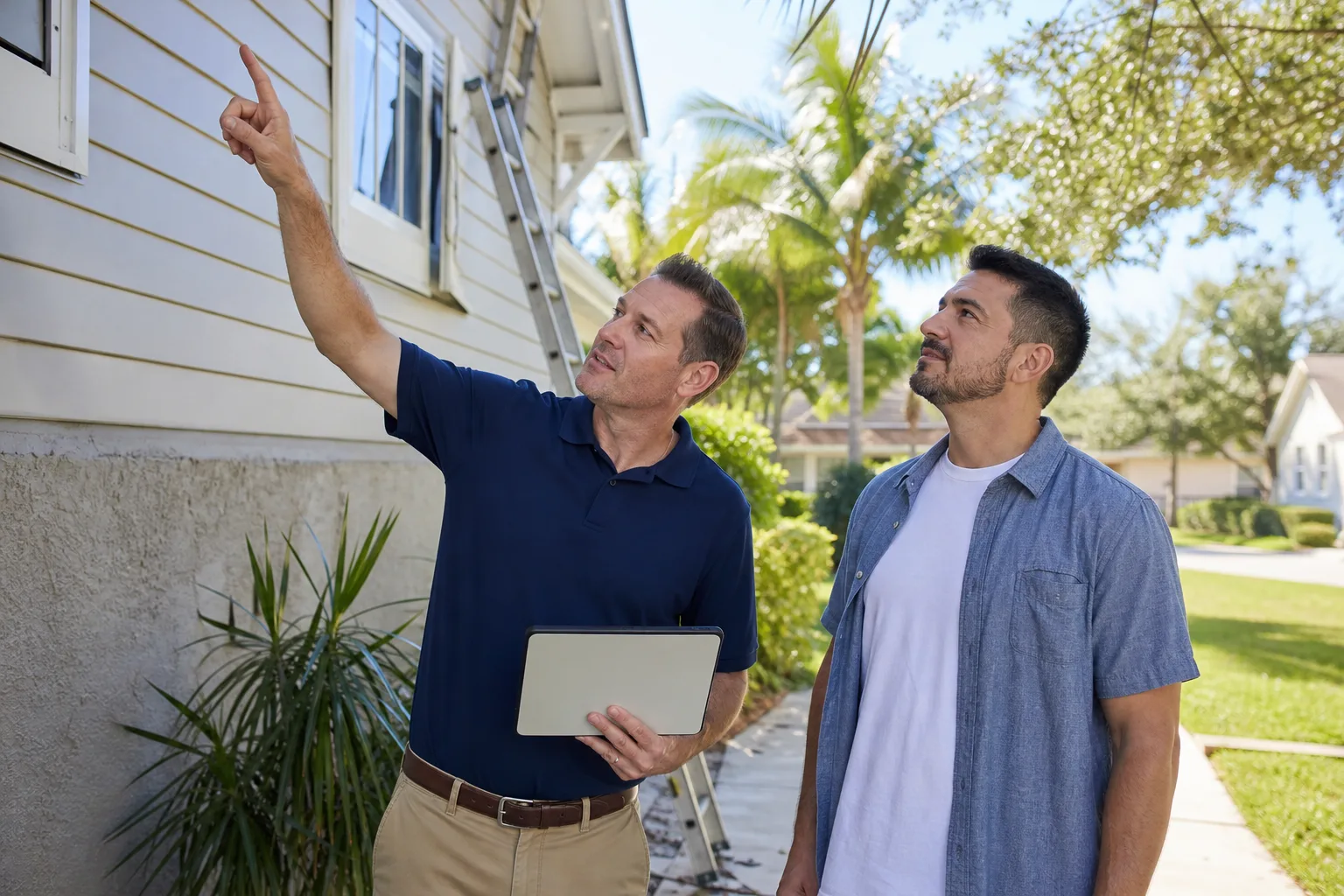
- Site walk and soil observation. We dig a test hole 24 to 30 inches deep to see the clay profile and note any perched water. Cost and timeline come out of this.
- Written price and scope. Flat price, line-item quantities, paver brand and color, edge restraint system, drainage solution, permit handling. Signed before any work starts.
- Permit submittal (where required). Three to six weeks for City of Santa Rosa review on drives over 500 square feet of new impervious surface.
- Demolition and haul-off. Existing concrete or asphalt goes to a Santa Rosa-area recycling yard. Old base is not reused on clay soil.
- Excavation to 10 to 12 inches and subgrade proof-roll. Wet spots are over-excavated and refilled with drain rock at this stage.
- Class II road base in 3-inch lifts, compacted to 95%. Plate compactor or jumping jack depending on run and access.
- Edge restraint installation. Steel spike on vehicle drives; snap-edge where appropriate.
- Bedding sand and pavers. One-inch bedding sand on the compacted base, pavers set to the layout plan.
- Plate compaction over the finished pavers. Final compaction seats the joints and locks the interlock.
- Polymeric sand joint fill and cleanup. Photo record taken and delivered to the homeowner as standard.
The build runs 4 to 7 days on a 1,000-square-foot residential driveway once the permit clears, depending on site access and how much excavation the clay demands. Every project Rowan takes on carries a flat written price before work begins and a signed change order before any change proceeds; that’s the discipline that keeps the final invoice within a few percent of the number the homeowner agreed to. Crews are background-checked and uniformed, and the photo record of the work is included, not an upgrade.
Common Mistakes to Avoid
- Using a 6-inch base because a national guide said so. That’s a sandy-soil spec. Santa Rosa clay needs 10 to 12 inches of excavation and a compacted Class II base. The base depth on the quote is the first thing to check.
- Compacting in 6-inch lifts. Lift thickness beyond 3 inches leaves soft spots in the middle of the base. Re-compacting after failure costs more than doing it right the first time.
- Skipping the drainage plan for a “small” project. A 600-square-foot paver drive still requires a drainage narrative on a Santa Rosa permit. Skipping it stalls the permit at the first inspection.
- Buying pavers before the base is specified. The brand and color can be decided at any time. The base spec and restraint system are the decisions that determine whether those pavers stay level for a decade.
- Replacing a driveway without checking the 500-square-foot threshold. Crossing 500 square feet of new impervious surface without a permit in Santa Rosa invites a stop-work order and a retroactive C.3 review.
- Ignoring the fence line before the pavers go down. Fence posts set after a driveway is finished mean cutting into the pavers later, and patched paver joints never match a fresh install.
- Letting roof runoff discharge onto new pavers. Most of our rebuild calls start with a downspout pointed at a paver driveway. Cheap to redirect, expensive to correct.
See the difference
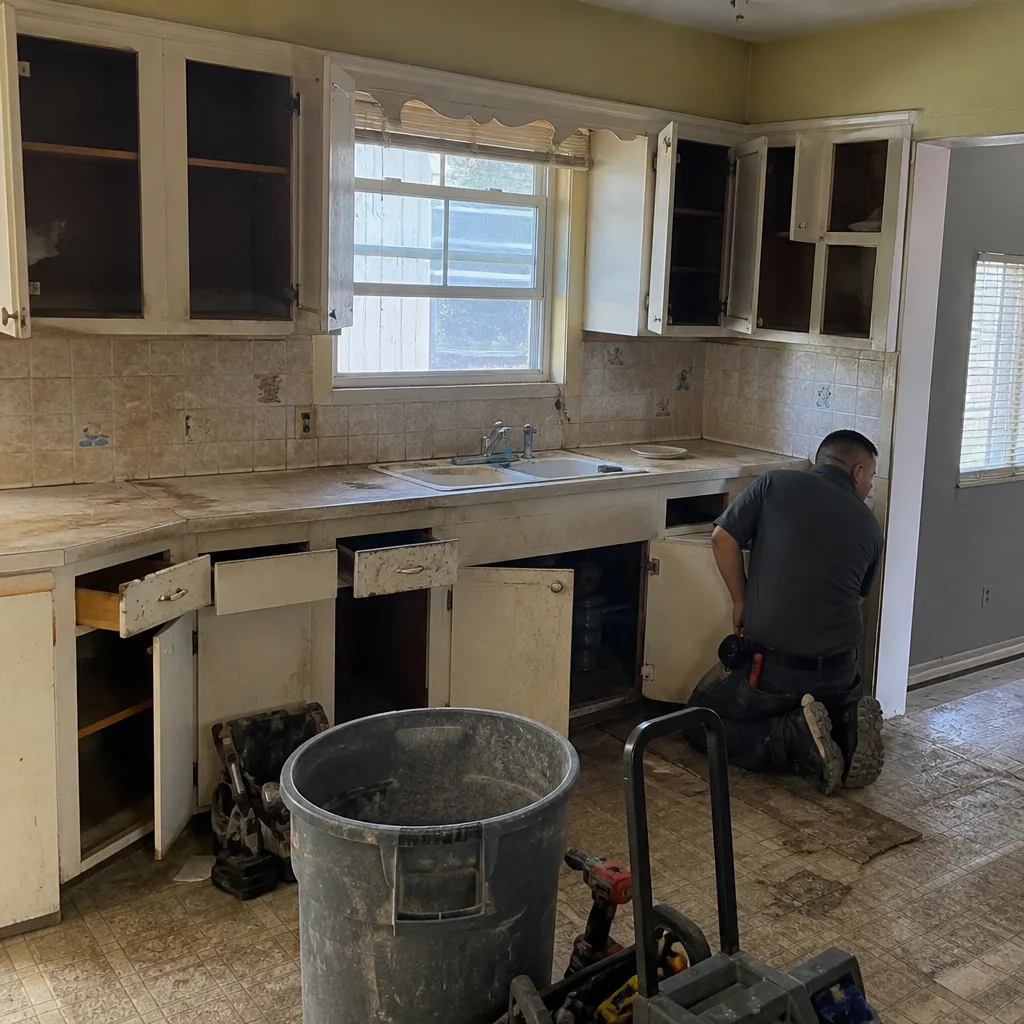 Before
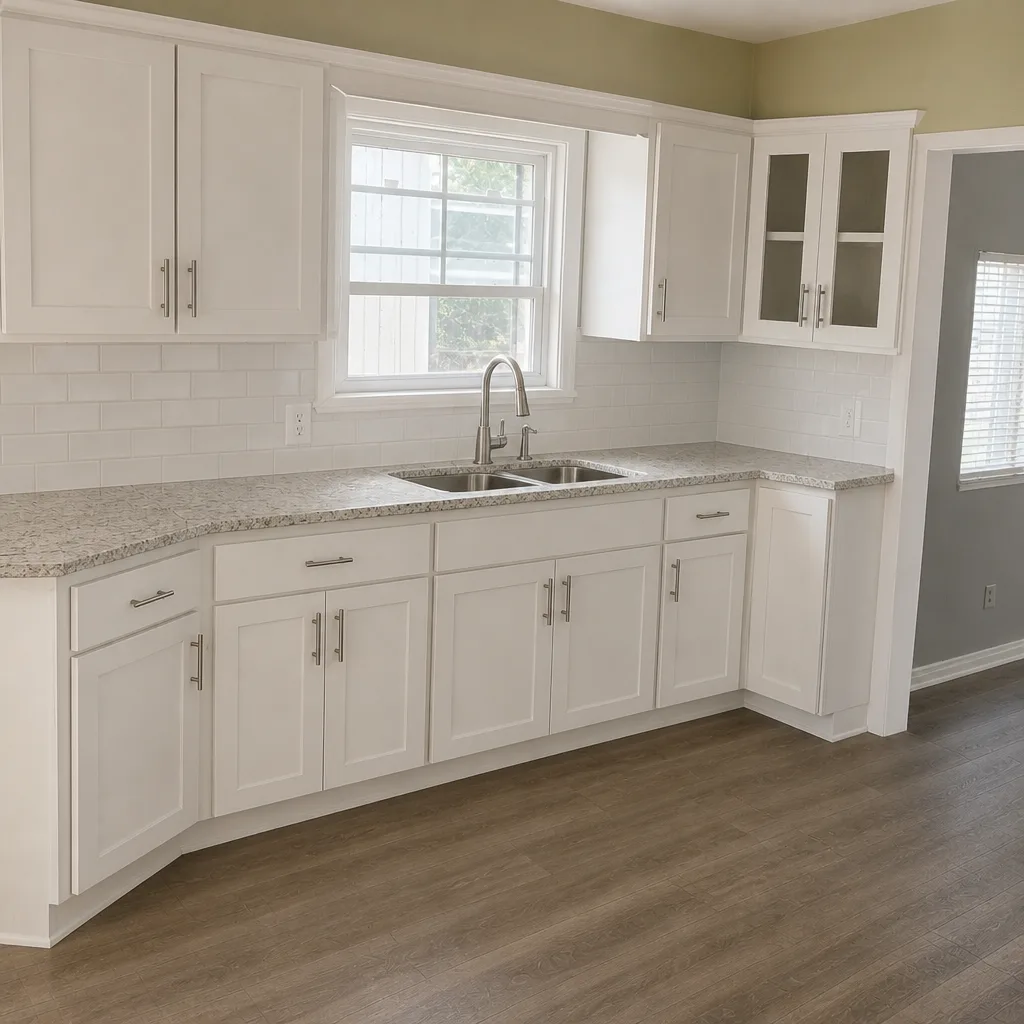 After
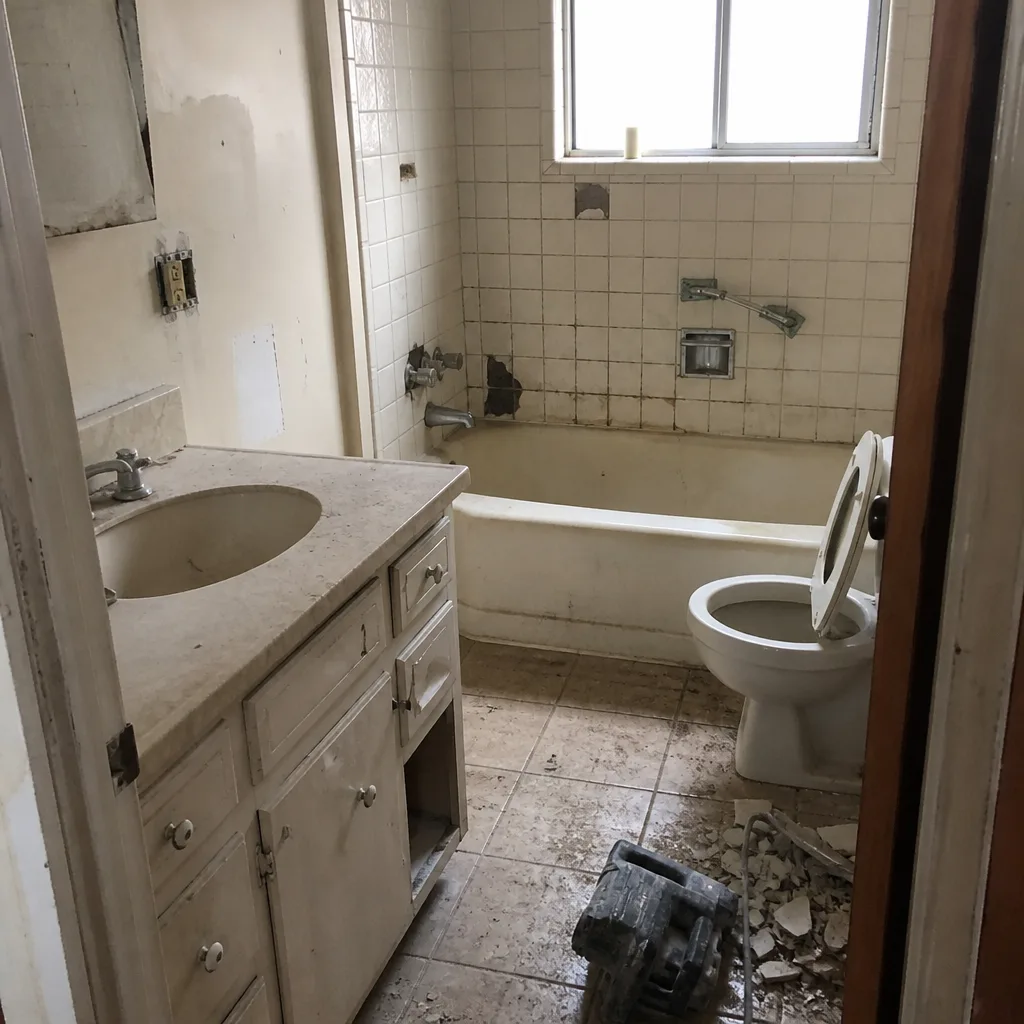 Before
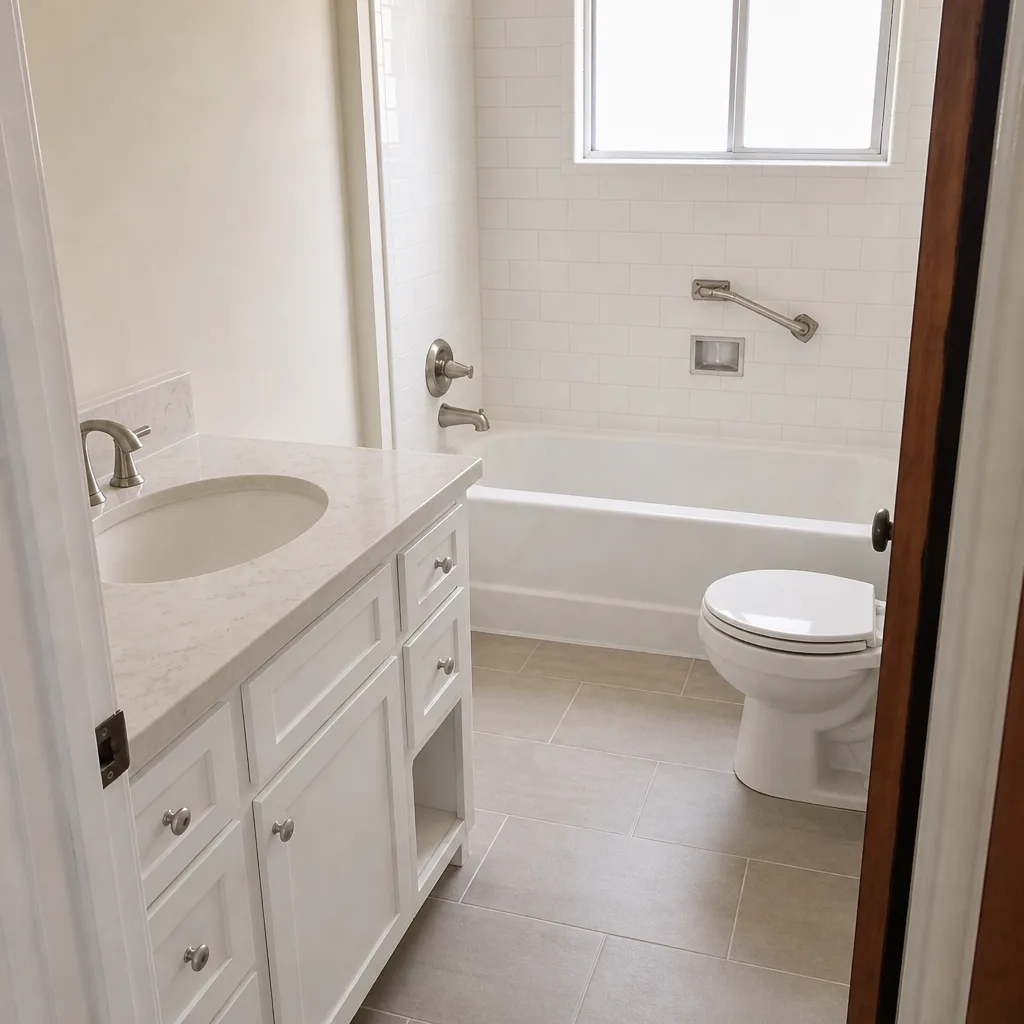 After
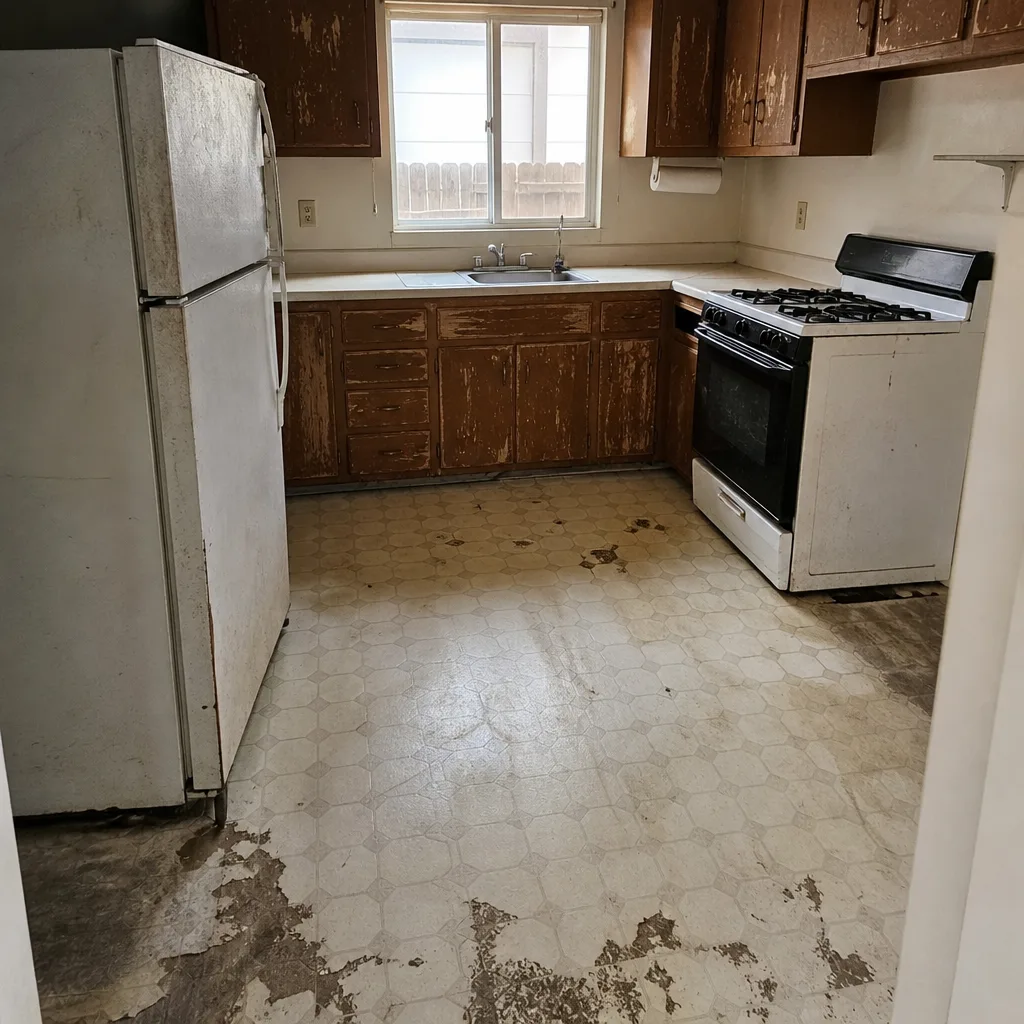 Before
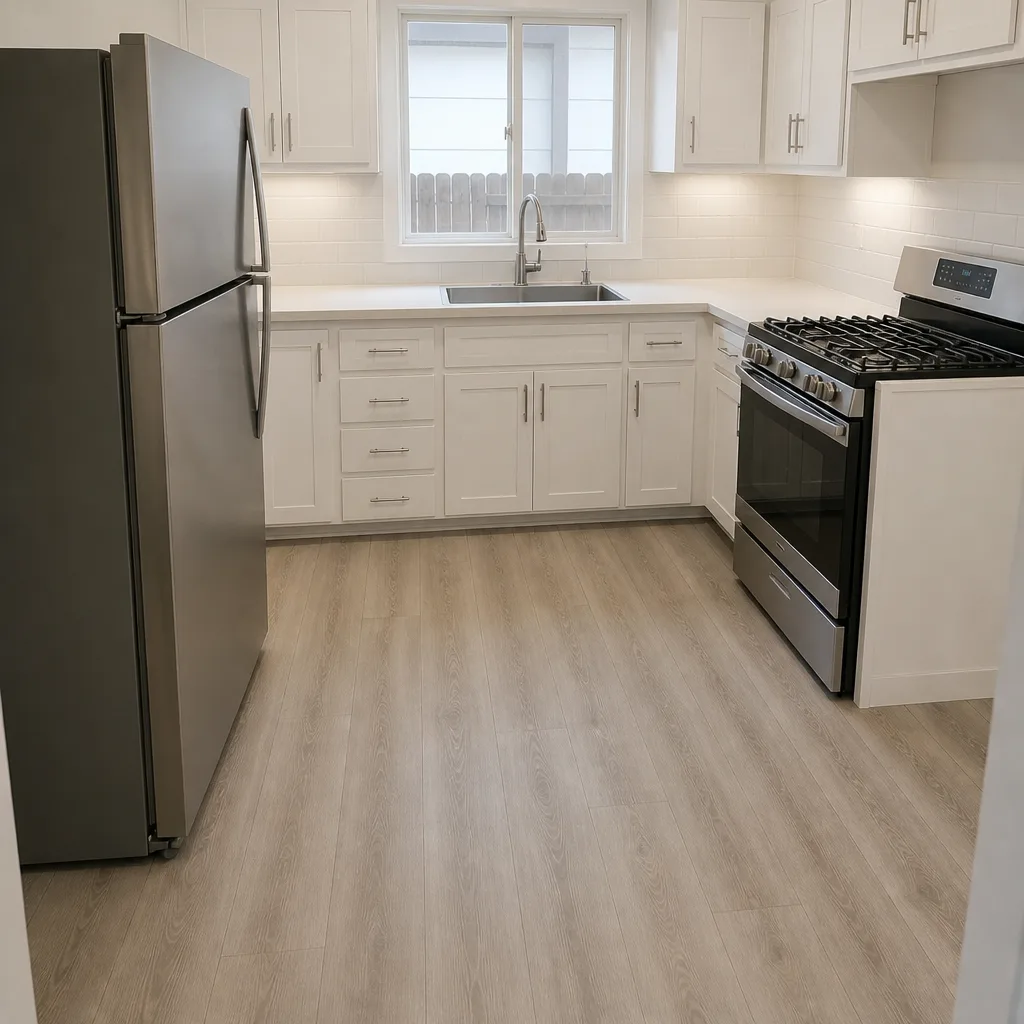 After
When to Call a Professional
Call in a professional when the existing driveway is failing structurally (ruts, ridge lines, sinking corners), when the subgrade shows clay through a test hole within 12 inches of the finished surface, when a City of Santa Rosa permit is required for new impervious surface, or when the driveway shares grade with a garage that floods during winter storms. Each of those conditions changes the base spec, the timeline, or the permit path, and each of them is a decision that gets hard to fix once the pavers are down. A paver driveway isn’t a weekend job on Santa Rosa clay.
Rowan Construction Group Santa Rosa offers free estimates in Santa Rosa, with a written flat price and scope before any work starts and a photo record on every visit. Call (833) 842-1866 to schedule yours.
Frequently Asked Questions
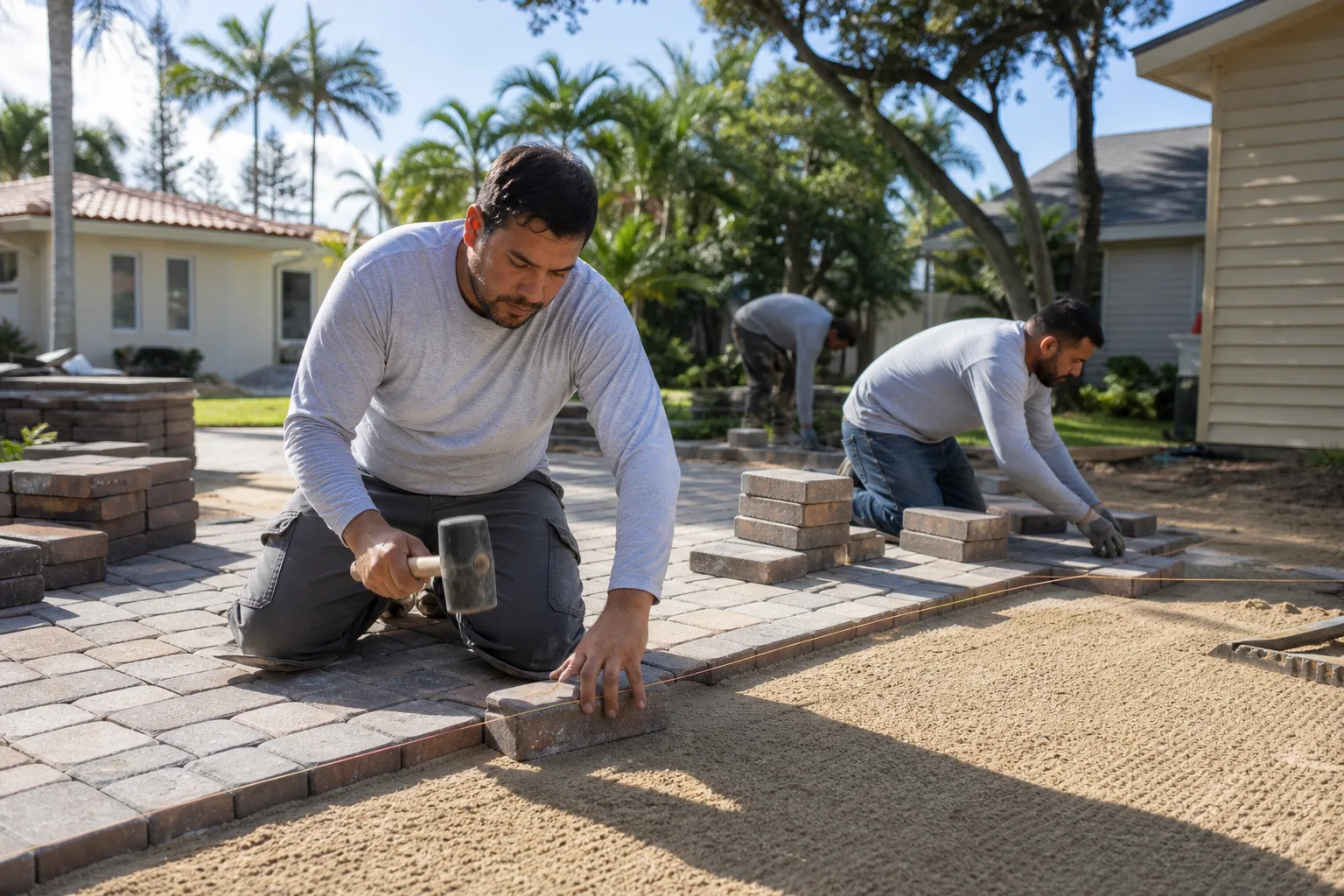
Most Santa Rosa paver driveways cost $12 to $26 per square foot installed, with the bulk of the range driven by excavation depth and edge restraint rather than the pavers themselves. Travertine sits at the top of that range around $18 to $26, Holland-style concrete pavers run $14 to $20, and permeable pavers sit around $16 to $24 with the reservoir stone included. Call (833) 842-1866 for an exact quote – estimates are free.
Yes, if the project alters impervious surface area by more than 500 square feet, because that triggers the City of Santa Rosa’s C.3 stormwater compliance review. Below 500 square feet of new impervious area, most residential replacements don’t require a permit, though we confirm in writing before any work starts. Everybody just calls it the “C.3” permit; the number that matters is the square footage.
Plan on 10 inches for pedestrian driveways and 12 inches for vehicle driveways in the Santa Rosa clay between zip codes 95401 and 95409. In Rincon Valley and lower elevations near Santa Rosa Creek, we sometimes over-excavate an extra 4 inches for drain rock when the subgrade holds water. That’s double the standard 6-inch base in most national paver guides.
No, under Clause 1 of the Haven Standard the price is written and signed before any work starts, and no change proceeds without a signed change order. If the excavation exposes a soil problem we couldn’t see from the test hole, we document it with photos and quote the change in writing before proceeding. Projects finish within a few percent of the agreed number; the discipline is the point.
Edge restraint failure, or edge restraint that was pinned into uncompacted clay instead of compacted Class II base. On Santa Rosa clay, the restraint has to sit in the base layer and be spiked closely; plastic snap-edge on uncompacted subgrade pulls loose by the third summer. Steel spike restraint is the spec on vehicle driveways, and it’s what we quote.
Interlocking concrete pavers from Belgard or Techo-Bloc are the best all-around choice on Santa Rosa clay because they can be lifted and re-laid if the base needs work, unlike poured concrete or asphalt. Travertine is beautiful but needs a sealing plan and slips more when wet. Permeable pavers are the only material that reduces your impervious surface count under the City’s C.3 rules. Call (833) 842-1866 to have a specific material compared against your drive in writing.
The Bottom Line
On Santa Rosa clay, most paver driveways fail from the base up, not the surface down. A 10 to 12 inch excavation, Class II road base compacted in 3-inch lifts to 95%, steel spike edge restraint, and a drainage plan that handles 25 inches of winter rain: those four specs do more for how the driveway looks at year ten than any paver brand on the market. The City of Santa Rosa permit threshold, at 500 square feet of new impervious surface, is the other number every homeowner needs before quoting. Get all four in writing, and the driveway stays flat.
Rowan Construction Group Santa Rosa delivers a written flat price before any work starts, a signed change order before any change proceeds, background-checked and uniformed crews, and a photo record on every visit as standard. Our technicians have up to 19 years of experience, and we build to the Haven Standard under Clause 1. If you’ve already got a written estimate from another paver contractor, bring it in for a free second opinion – we’ll go through it line by line at no charge. Call (833) 842-1866 to schedule your free estimate.
Written by the team at Rowan Construction Group Santa Rosa.