Last updated November 17, 2026
Free written scope consultation - allowances, timeline, and change-order rules on paper before a single trade is scheduled
The Complete Guide to Construction in Santa Rosa
Most construction guides for Santa Rosa stop at “hire a licensed contractor and get three bids.” That advice isn’t wrong, but it misses the three forces actually shaping local projects right now. First, the Tubbs and Kincade fires added a separate layer of defensible-space and ember-resistant construction rules that have nothing to do with standard California building code, and plenty of out-of-area contractors still haven’t read them. Second, the permit office is working through a backlog, and the City of Santa Rosa Building Division and unincorporated Sonoma County are not the same office or the same wait. Third, specialty subs are booking 10 – 14 weeks out in a labor market that never fully reset. This guide shows you how to plan around all three before you sign anything.
Quick Answer
Construction in Santa Rosa is governed by California Title 24 plus a Wildland-Urban Interface overlay (Chapter 7A) that raises material and framing specs in fire-designated zones. Permit waits at the City of Santa Rosa Building Division run longer than most homeowners expect, specialty trades book 10 – 14 weeks ahead, and the single most useful thing you can do before finalizing a scope is confirm your zone, your permit path, and your sub availability. Plan those three first and the rest of the project follows.
Styles & brands we work with
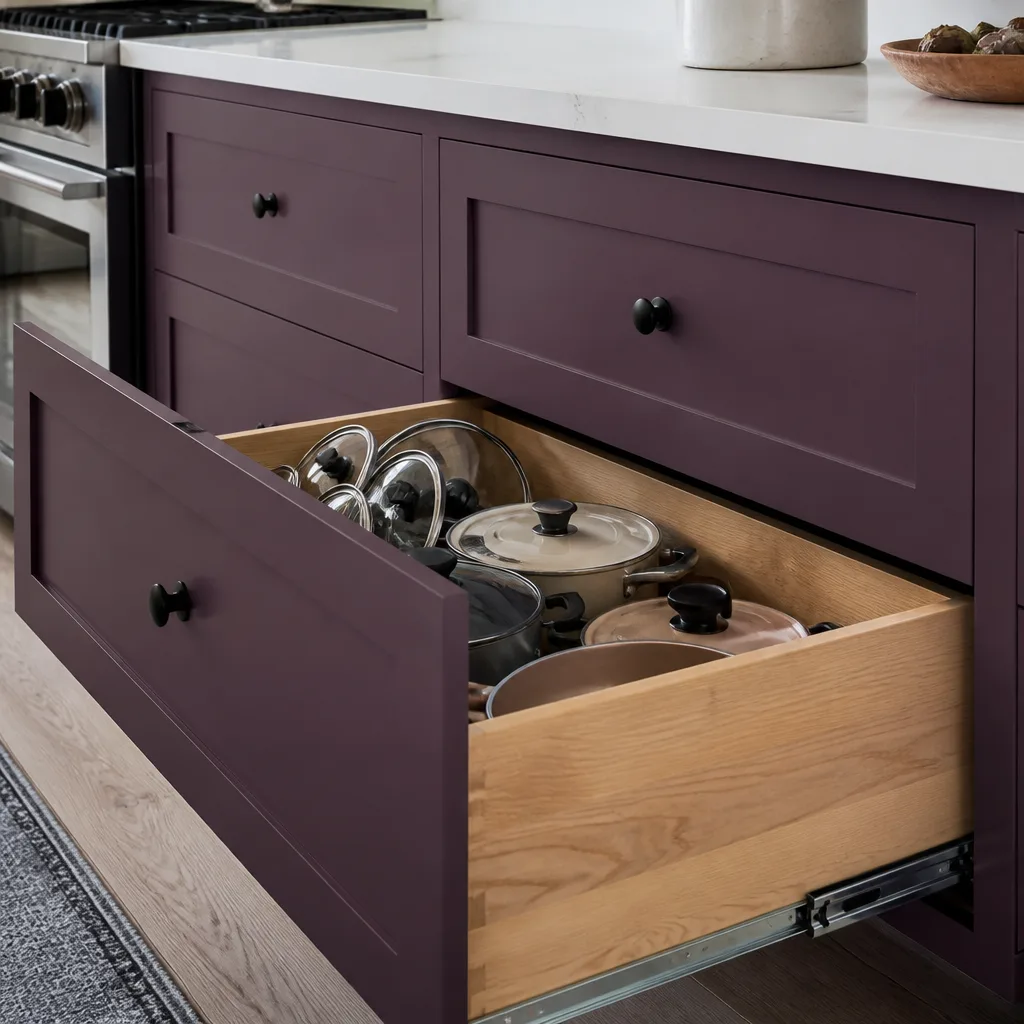
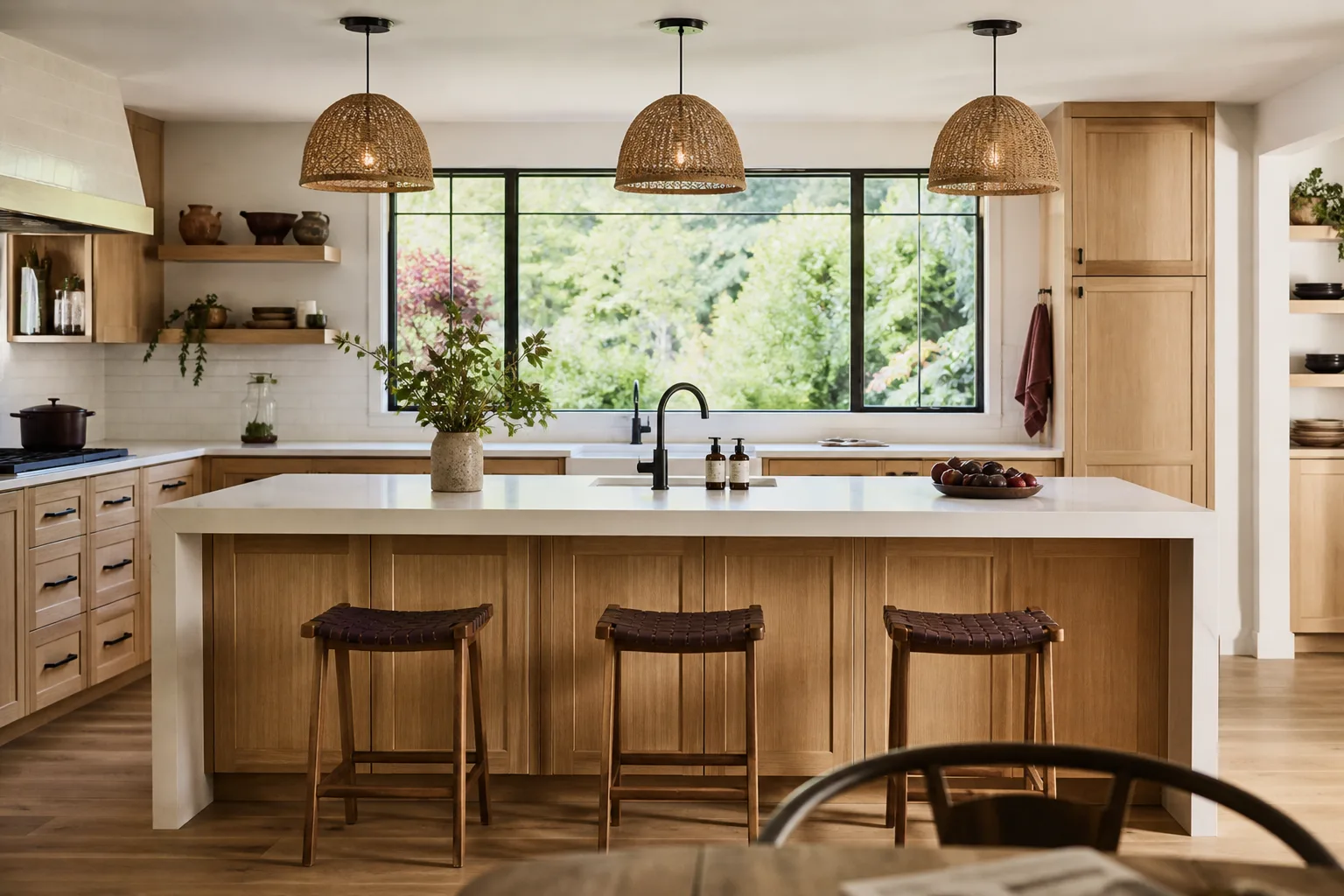
- Kitchen remodeling
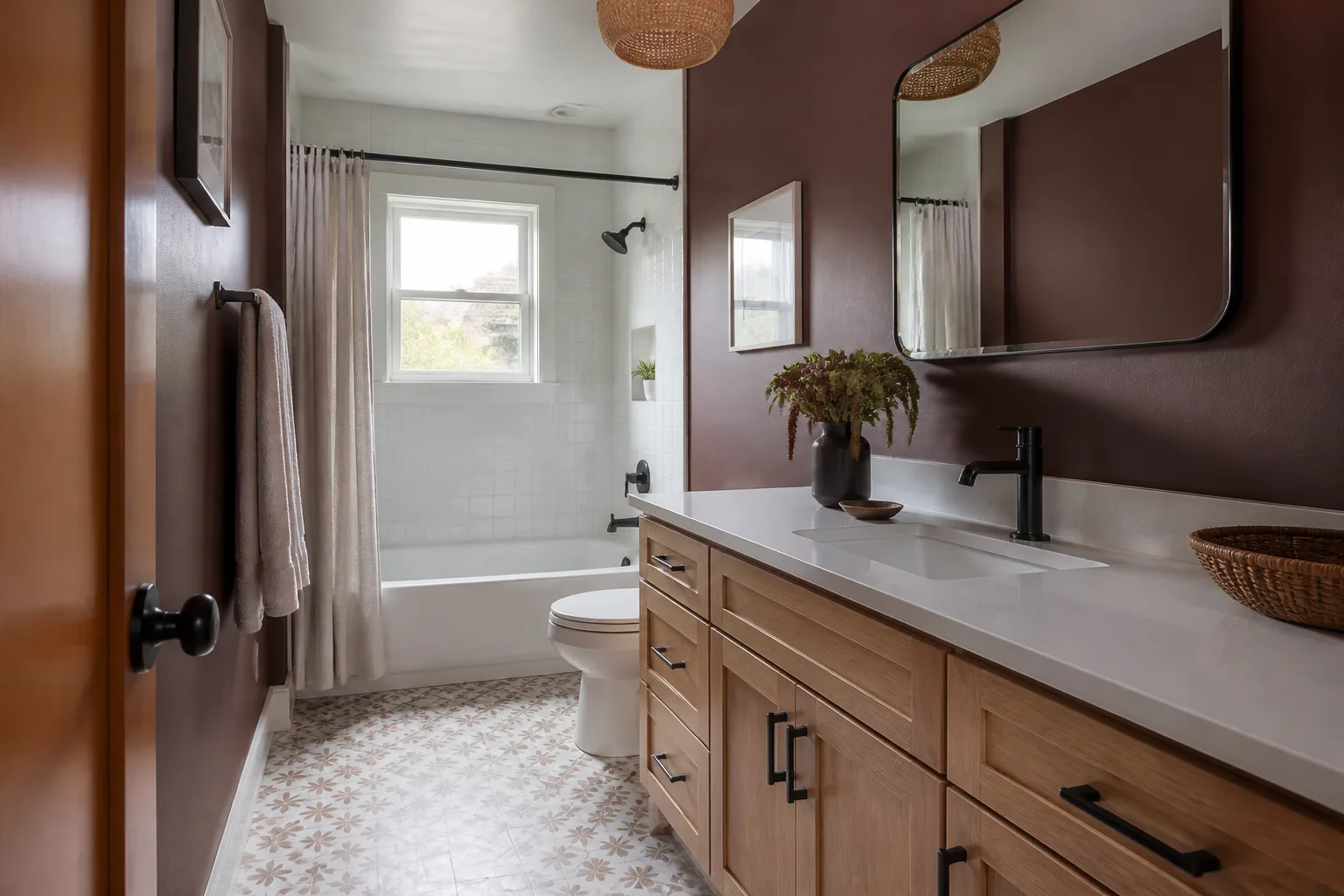
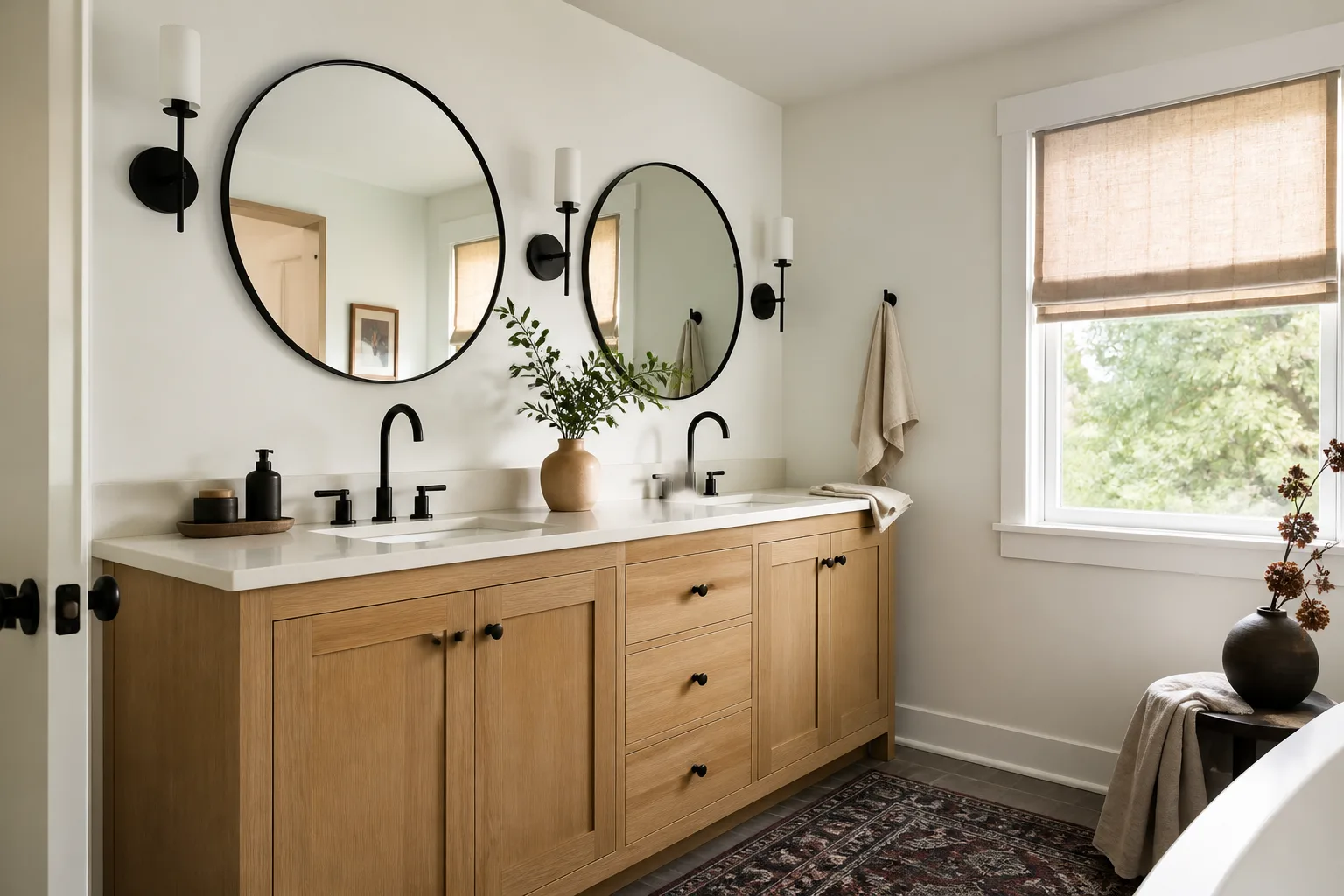
- Bathroom remodeling
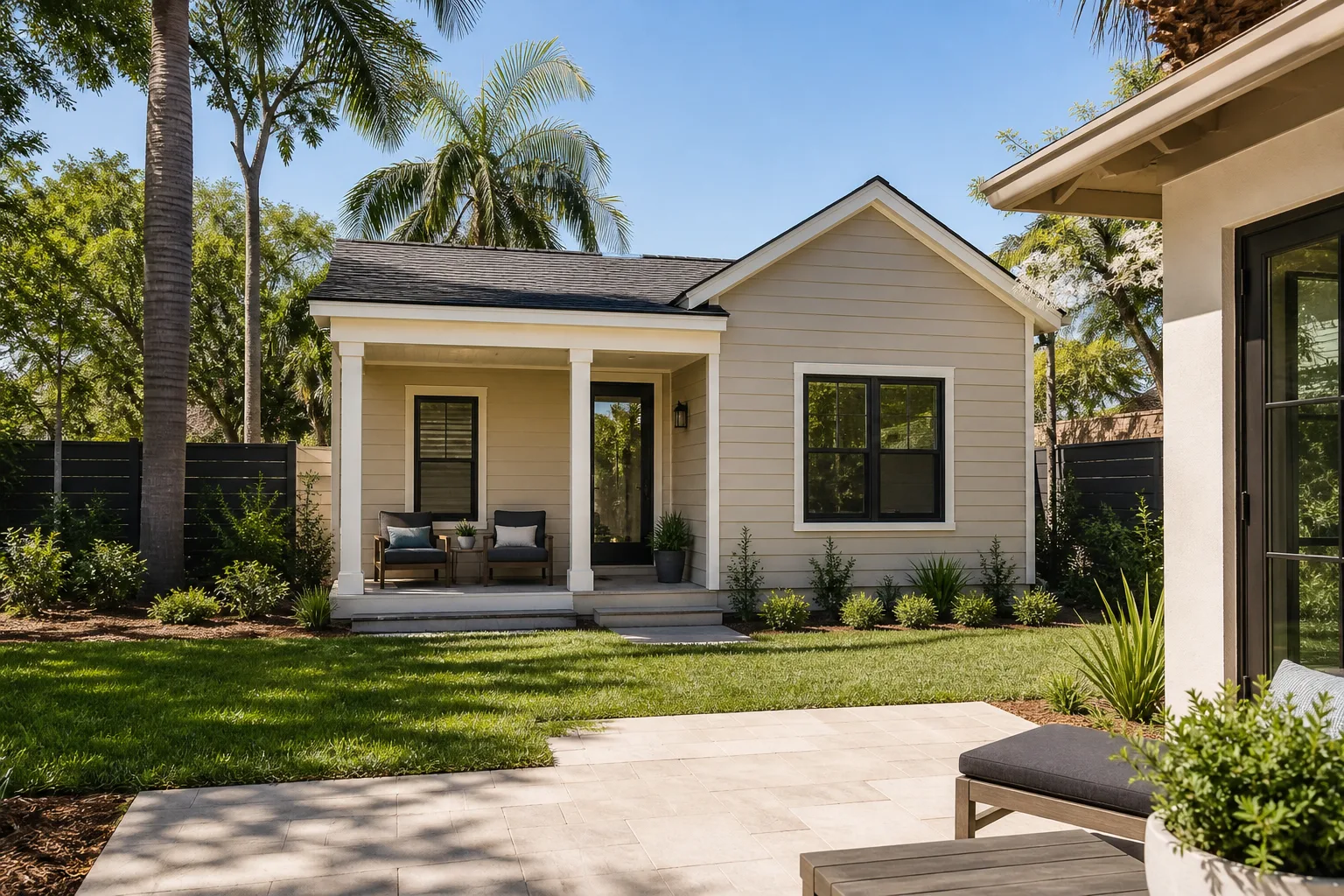
- Home additions & ADU
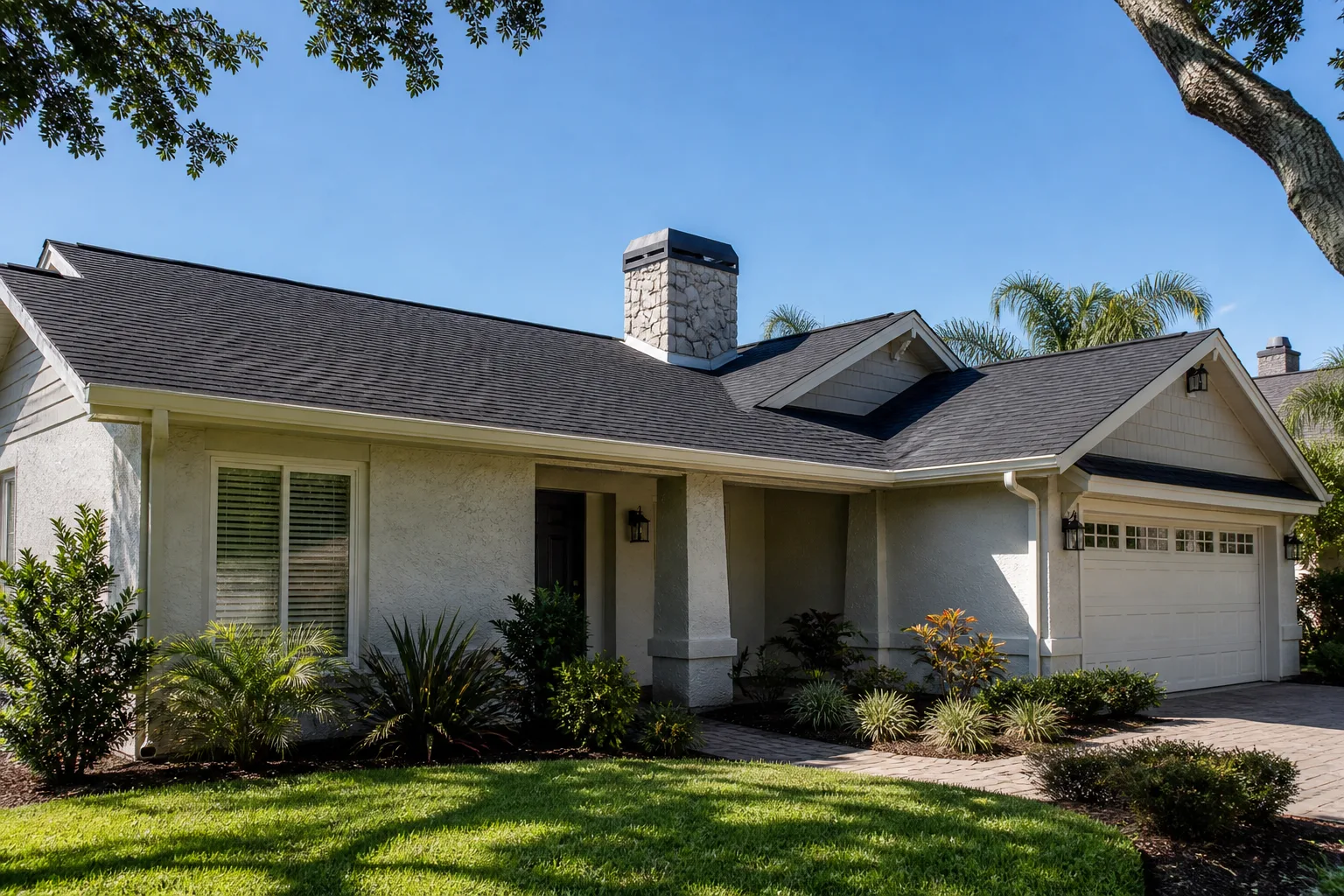
- Roofing
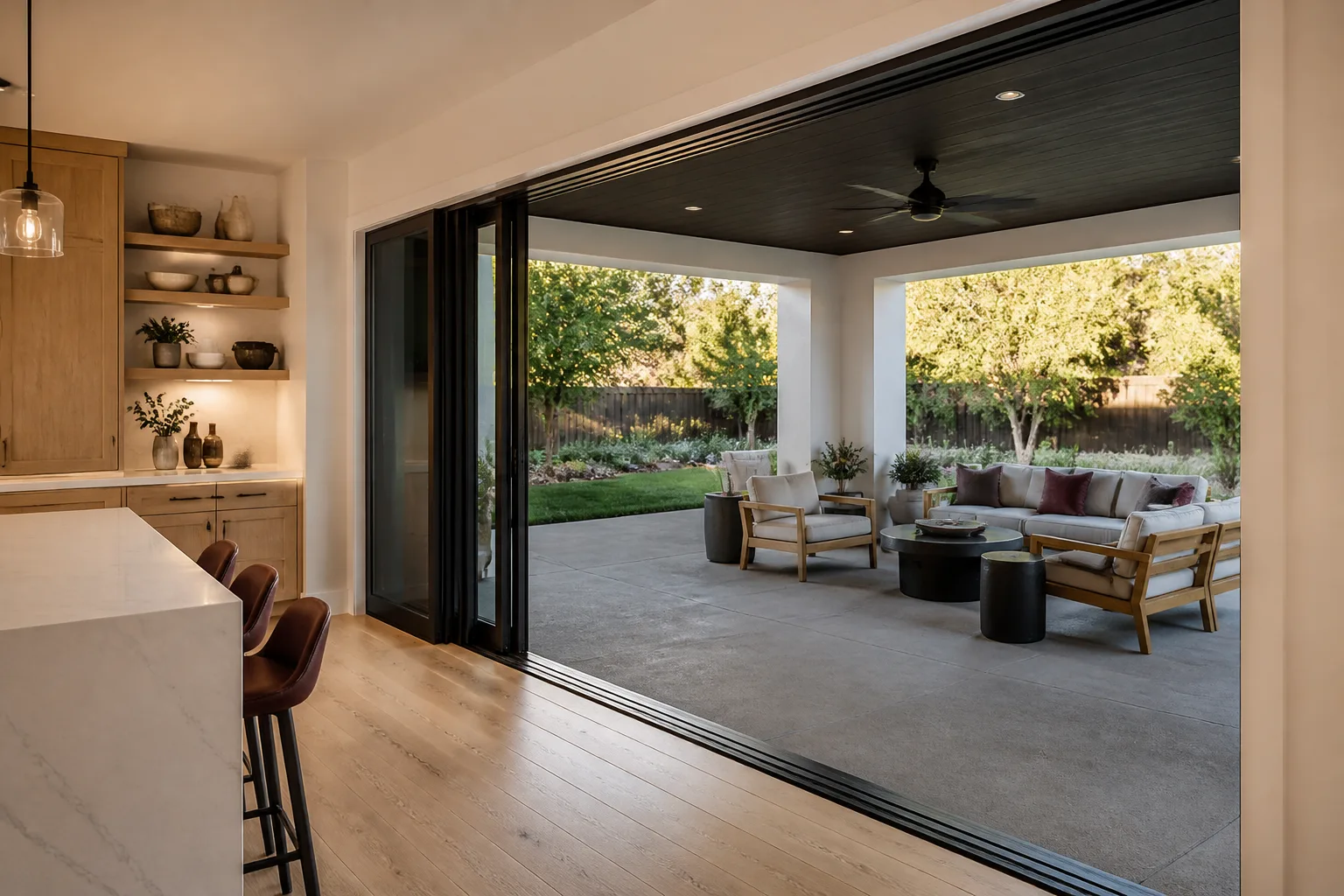
- Windows & doors
- Driveway & pavers
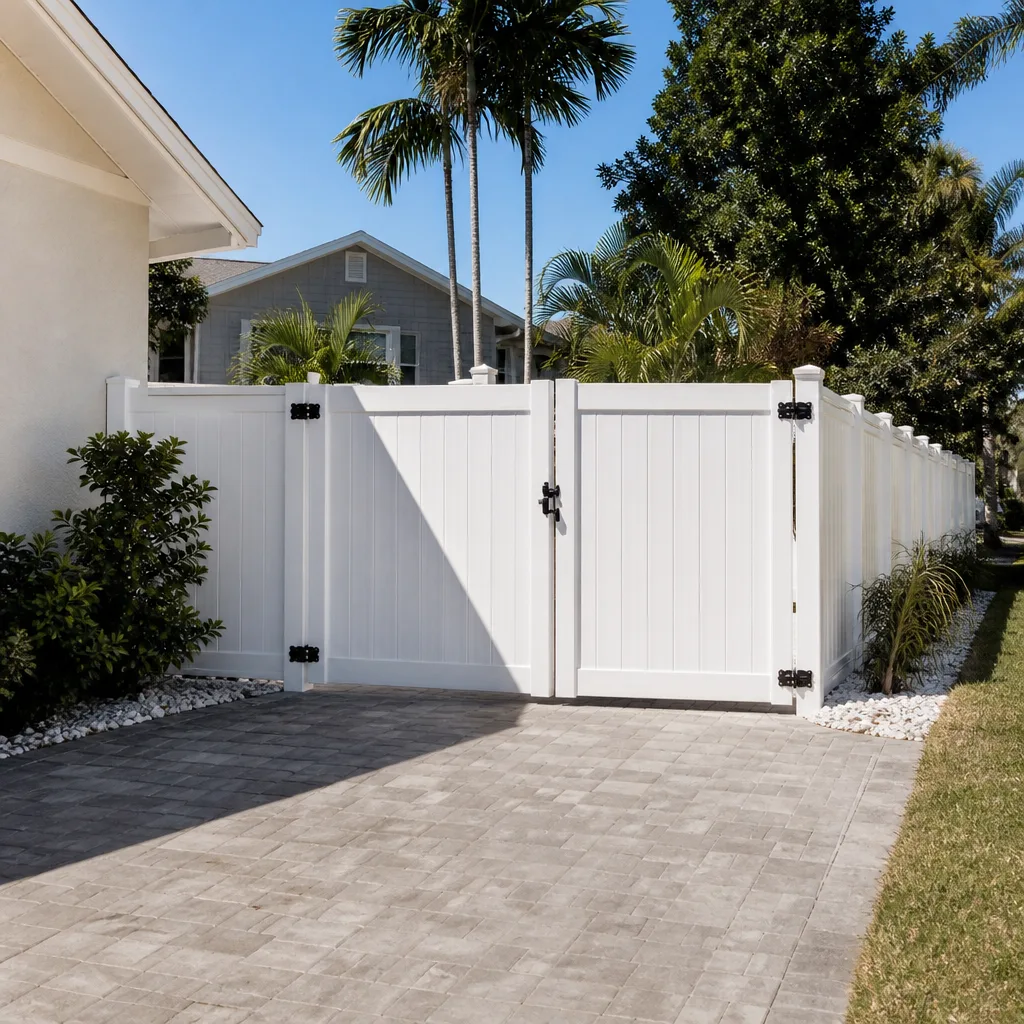
- Fence
Table of Contents
- How Santa Rosa’s Post-Fire Overlay Zones Change Your Build
- Permit Timelines: City of Santa Rosa vs. Sonoma County
- Which Trades Book Furthest Out, and Why Sequencing Matters
- How to Read a Santa Rosa Contractor’s License on the CSLB
- Fixed-Price vs. Cost-Plus: A $150,000 Example
- Material Specs That Survive Santa Rosa Conditions
- Common Mistakes to Avoid
- When to Call a Professional
How Santa Rosa’s Post-Fire Overlay Zones Change Your Build
The Tubbs and Kincade fires didn’t just rebuild neighborhoods; they rewrote what gets built there. Santa Rosa now carries a Wildland-Urban Interface (WUI) overlay across large portions of the city and surrounding Sonoma County, and Chapter 7A of the California Building Code applies material requirements inside those zones that go well beyond standard code. If your property sits in or near a fire-designated zone, the following specs change whether you’re building new, adding on, or re-roofing.
- Roof covering: Class A fire-rated assemblies are required, and the underlayment and eave detailing matter as much as the surface material. A standard three-tab shingle that passes elsewhere may not meet the assembly spec here.
- Vents: Attic and foundation vents must resist ember intrusion – the 1/8-inch mesh or ember-resistant baffle standard. Small change, real cost difference.
- Exterior siding: Noncombustible or ignition-resistant materials are required within the first several feet of the wall in many zones. Fiber cement products like James Hardie are common because they meet the spec and hold paint in Santa Rosa’s dry summers.
- Decking and eaves: Underside protection and enclosed eave design are required in the higher hazard zones. If you’re planning a rebuild, get the zone map from the city before you draw.
- Defensible space: Zone 1 (within 30 feet of the structure) limits what you can plant, store, or build. This affects fence placement, shed location, and even where you can put a Tuff Shed. Confirm before you buy one.
We’ve reviewed competitor estimates in Santa Rosa where the spec sheet listed standard materials on a WUI-zoned lot. That’s not a pricing error; it’s a permit rejection waiting to happen. The cost to bring the assembly back into compliance after the fact runs higher than doing it right the first time.
Permit Timelines: City of Santa Rosa vs. Sonoma County
Two addresses a mile apart can have permit waits that differ by weeks because they’re served by different offices. The City of Santa Rosa Building Division handles permits inside city limits; unincorporated Sonoma County goes through the county’s Permit Sonoma. They have separate backlogs, separate review processes, and separate WUI enforcement. Assume nothing carries over.
Here is the realistic sequence for most residential projects, from our experience:
- Pre-application scoping (1 – 2 weeks): Confirm zoning, WUI status, and which office has jurisdiction. Pull the parcel record.
- Design and engineering (3 – 6 weeks): Plans, structural calcs, Title 24 energy compliance documentation. Fire-zone properties add time at this stage.
- Submittal and intake (1 week): Plans go in; the office assigns a reviewer.
- Plan review (4 – 12 weeks, city vs. county differs): City of Santa Rosa review for a kitchen or addition typically lands in the middle-to-upper end. County adds complexity when WUI or septic is involved.
- Corrections (2 – 6 weeks): Almost every first submittal comes back with corrections. Budget for at least one round.
- Permit issuance and inspections: Once the permit is pulled, inspections proceed on the schedule. Skipping inspection stages costs far more to fix.
If you’re building an addition, an ADU, or a full rebuild in Santa Rosa, plan the timeline backward from when you want to break ground, not forward from when you sign. We’ve seen a homeowner lose a contractor’s slot on a $150,000 remodel because they assumed a 4-week review and got 11. The build was ready; the permit wasn’t.
Which Trades Book Furthest Out, and Why Sequencing Matters
The seven core residential trades – concrete, framing, roofing, electrical, plumbing, HVAC, and finish work – don’t all book at the same lead time in Santa Rosa. Understanding which ones are tight protects your schedule.
- Electrical, plumbing, and HVAC (10 – 14 weeks out): Licensed specialty subcontractors are the tightest. Heat pump and HVAC install demand in Sonoma County stays elevated; electricians and plumbers with residential plan-reading skills are in short supply.
- Roofing (6 – 10 weeks): Fire-rated assembly work in WUI zones requires specific knowledge; fewer crews carry it than you’d think.
- Concrete and foundations (4 – 8 weeks): Depends on weather and cure time; Santa Rosa’s wet winters push concrete work into spring and summer slots quickly.
- Framing (4 – 8 weeks): Local framers work steady; you’re usually not waiting long but you’re competing with rebuilds.
- Finish work – tile, cabinets, trim (3 – 6 weeks): The most flexible, but premium cabinet shops like KraftMaid or Wellborn factories often run their own 6 – 10 week production timelines after the order is placed.
The sequencing lesson: book electrical, plumbing, and HVAC at the same time you pull the permit, not when framing is done. And order specialty cabinets before demolition. A Santa Rosa kitchen with KraftMaid or Wellborn cabinetry can gain weeks of idle time if the cabinet order is placed at the end instead of the front.
How to Read a Santa Rosa Contractor’s License on the CSLB
The Contractors State License Board (CSLB) website is free, public, and the single most useful thing to check on any Santa Rosa contractor. Anyone can hand you a license number; not everyone’s number covers what they’re proposing to do.
Common license classifications and what they can legally cover:
- A – General Engineering: Large-scale infrastructure, not residential homes.
- B – General Building: Can contract for full residential projects and can perform portions of the work in trades up to the allowable limit, but cannot self-perform beyond that limit in a single specialty without a qualified specialty license.
- C-10 – Electrical; C-36 – Plumbing; C-20 – HVAC: These specialty licenses are required for those systems in most circumstances. A ‘B’ general contractor cannot legally self-perform unlimited electrical or HVAC work; those trades are done by a licensed specialty contractor or a qualified person under the B license holder’s employ.
- C-39 – Roofing: Required for roofing contract work above the general building allowance.
- C-27 – Landscaping; C-29 – Masonry: Driveways, hardscape, paver work often fall under these or under a ‘B’ with proper compliance.
Look at three things on the CSLB record: active status, current classification, and any complaints or disciplinary actions. Verify the name on the license matches the name on your contract. If a contractor offers a license number that shows “expired” or an inactive classification, that is a problem you walk away from, not one you price around.
Fixed-Price vs. Cost-Plus: A $150,000 Example
The contract structure matters more on a $150,000 project than the bid number does. Here’s the concrete difference.
Cost-plus: The contractor bills materials and labor at cost plus a markup (typically 10 – 20%) and a time-based fee. If the scope slips from $150,000 to $180,000 worth of work, you pay $180,000 plus markup. You have no ceiling. On a Santa Rosa kitchen remodel where a wall turns out to be load-bearing, or a roof deck hides rot, the cost-plus number climbs fast. The homeowner hears “$150,000” and signs “$150,000 plus changes.”
Fixed-price: The number is written, the scope is written, and the warranty is written. Changes only happen through a signed change order – a separate document that says exactly what the change is, what it costs, and what it doesn’t affect. On a $150,000 project, that discipline is usually the difference between finishing near the agreed price and finishing 10 – 20% above it. We’ve seen both; the fixed-price contracts with signed change orders are the ones where the project ends within a few percent of what the customer wrote down.
Two things a fixed-price quote must include to be real:
- A written scope of work listing what is and isn’t included (engineering, permits, disposal, WUI compliance work, finishes, appliances).
- A written warranty and the change-order process. If a contractor says “call for a quote” or “we’ll figure out pricing at the end,” that’s cost-plus in disguise.
Bring any competitor’s written estimate in and we’ll review it line by line at no charge as a second opinion. That’s a standing offer – comparisons are how good contracts get built.
Material Specs That Survive Santa Rosa Conditions
Santa Rosa’s dry summers, wet winters, and WUI zones winnow down what materials hold up. Three categories where the spec matters:
- Roofing: Fire-rated assemblies are required in overlay zones. Products from GAF and Owens Corning are commonly specified; ask which specific assembly is being installed, not just the brand.
- Siding and exterior: Fiber cement like James Hardie resists moisture, holds paint in sunny summers, and meets ignition-resistant specs in most zones. Wood siding can meet specs too, but the finish maintenance cycle in Santa Rosa is shorter.
- Cabinetry: KraftMaid and Wellborn are common choices for kitchens and baths; both hold up to Santa Rosa’s dry indoor air with consistent humidity. Confirm manufacturer lead times before you demolish.
For site work, refer to our Driveway & Pavers in Santa Rosa guide for spec differences between pavers and concrete in local soil conditions. For perimeter work, Fence Installation in Santa Rosa covers WUI defensible-space fence placement and material choices. For an addition or an ADU, Home Additions & ADU in Santa Rosa walks through the full permit path.
Common Mistakes to Avoid
- Assuming city and county permits are the same. They’re separate offices with separate backlogs. Confirm which one has jurisdiction before you draw a plan; the wrong assumption costs weeks.
- Not checking the WUI zone. Fire-zone properties require different materials and assemblies. A standard-material spec on a WUI-zoned lot in Santa Rosa is a permit rejection, not a cost saving.
- Booking trades after the permit is in hand. Electrical, plumbing, and HVAC in Santa Rosa book 10 – 14 weeks out. Book them when you submit, not when you’re ready to frame.
- Ordering cabinets at the end. KraftMaid and Wellborn factory timelines run independently of the build. Order at demo, not at trim.
- Signing a cost-plus contract without reading the change-order clause. “Cost-plus with markup” means no ceiling. Ask for the change-order process in writing before signing.
- Trusting a license number without checking CSLB. Verify active status and classification. An expired or wrong-classification license is a stop-sign, not a negotiation point.
- Accepting a verbal price. A written price with a written scope and a written warranty is the only number that holds. Anything else is a hope.
When to Call a Professional
Some Santa Rosa projects aren’t safely DIY: anything involving electrical panel work, gas lines, structural framing, high-tension springs or overhead assemblies, roof work at height, or WUI-zone material compliance. If your project touches any of those, stop and call. Also call if a permit is required – kitchen and bath remodels, additions, ADUs, roof replacement, structural changes, and most electrical or plumbing rework all require one, and pulling the permit yourself while someone else does the work shifts liability onto you.
For project planning help, a free second opinion on a competitor’s written estimate, or a written flat price for your scope before anyone picks up a tool, call Rowan Construction Group Santa Rosa at (833) 842-1866. Free estimates in Santa Rosa, written before work starts.
Find more on our Rowan Construction Group Santa Rosa home page.
See the difference
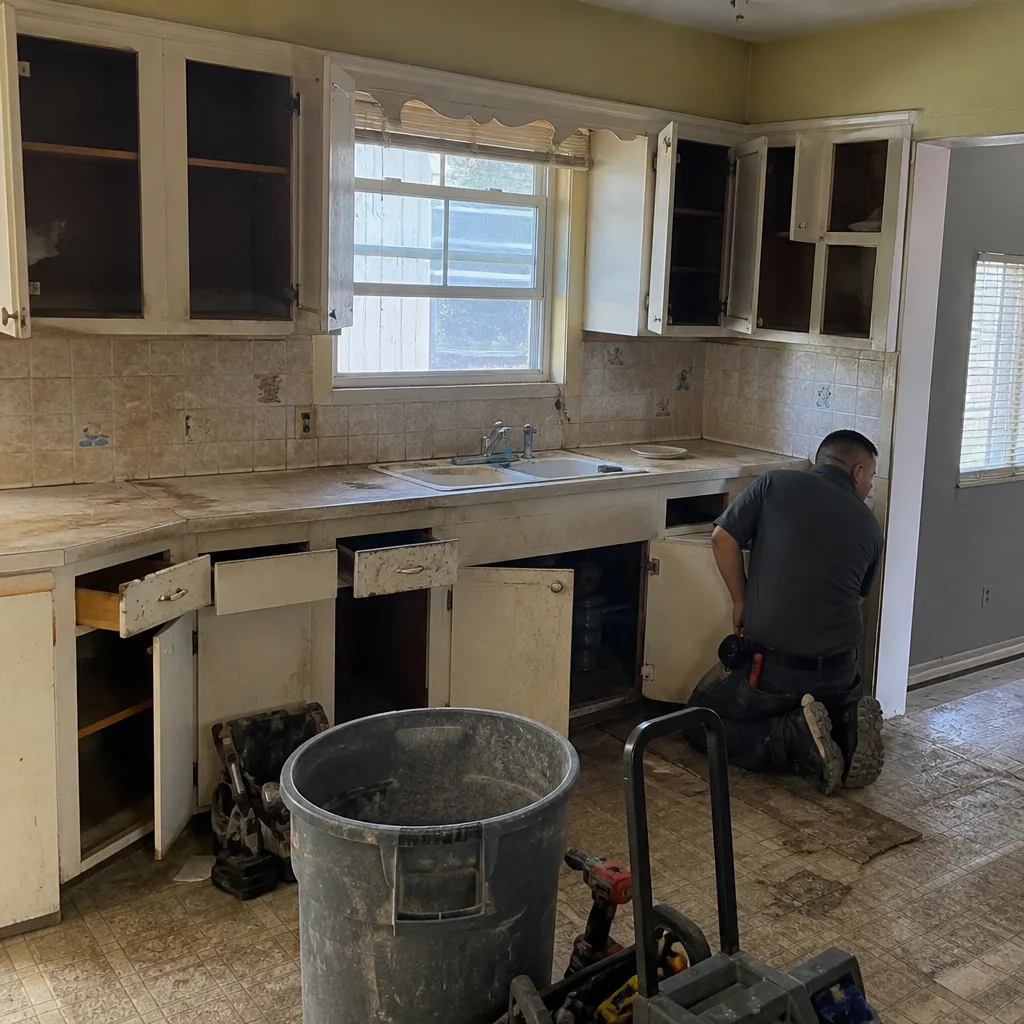 Before
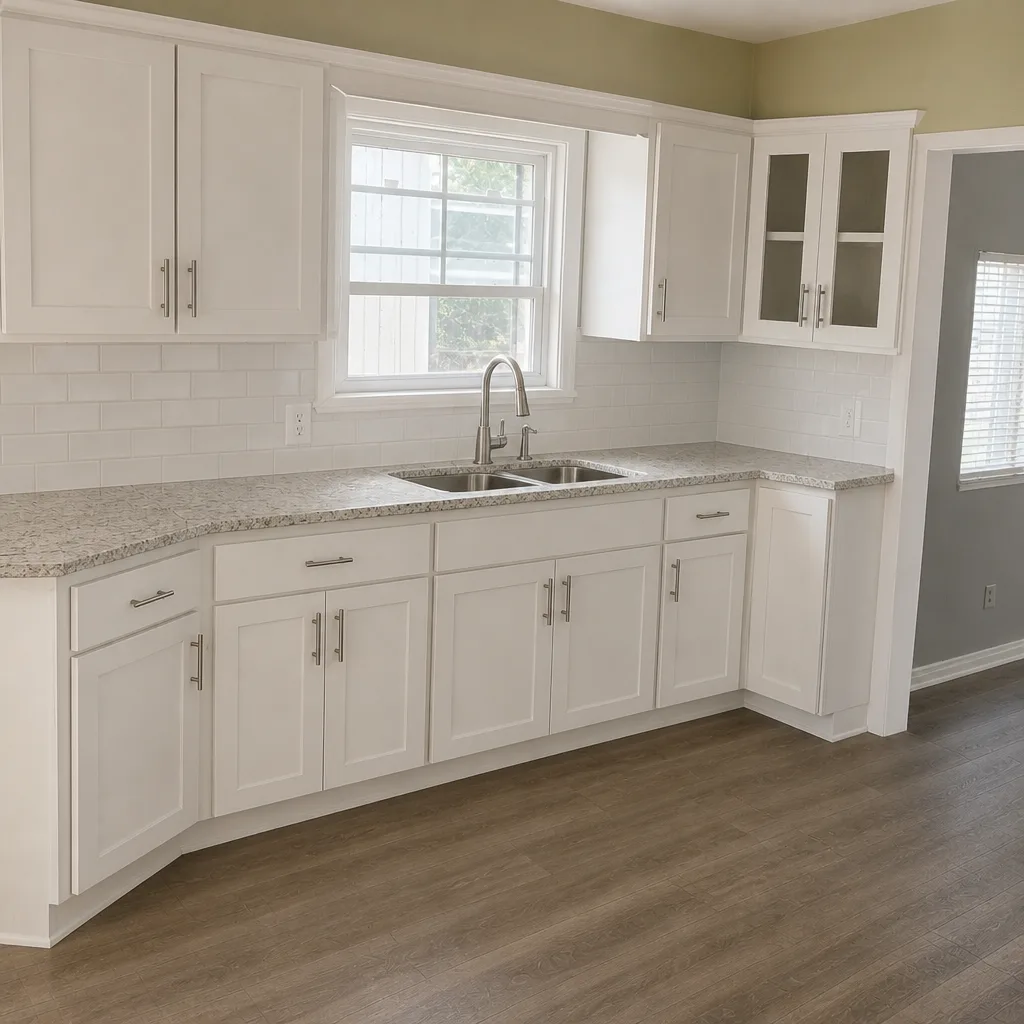 After
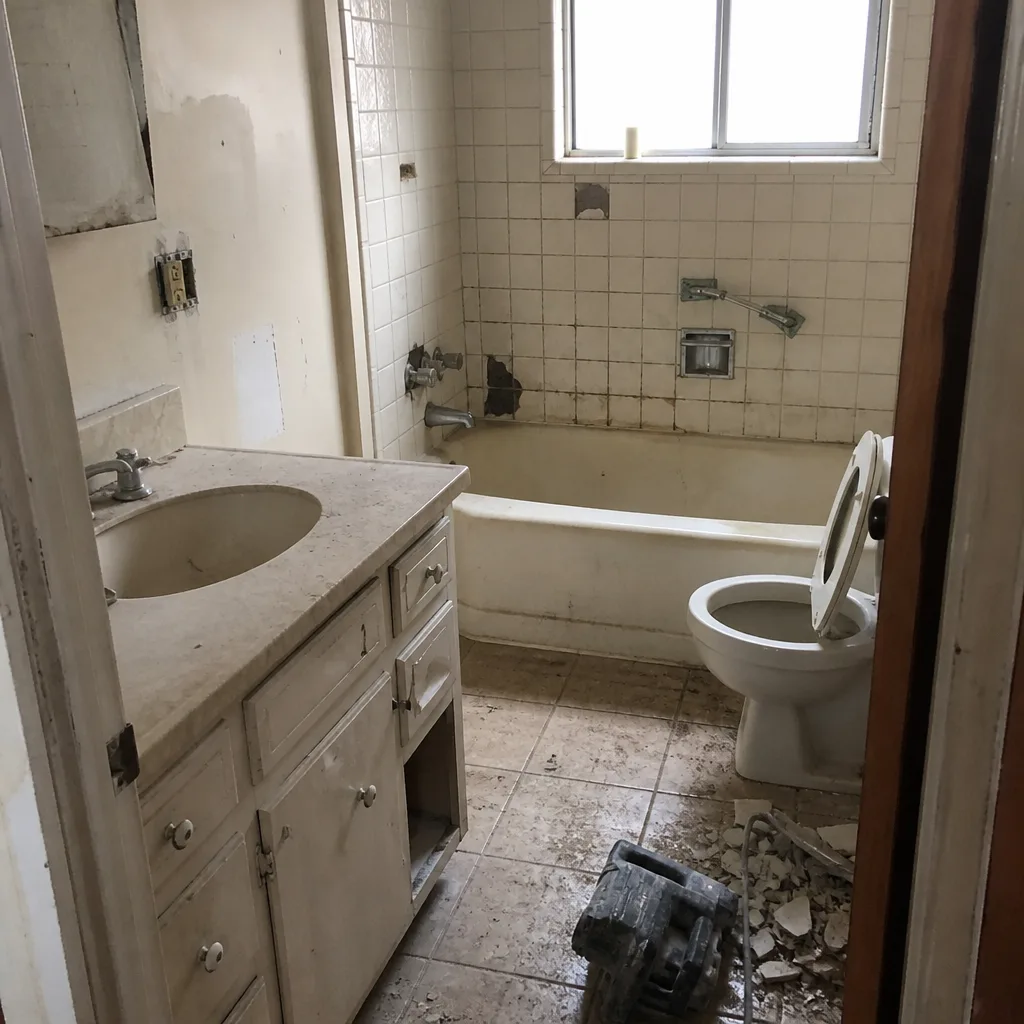 Before
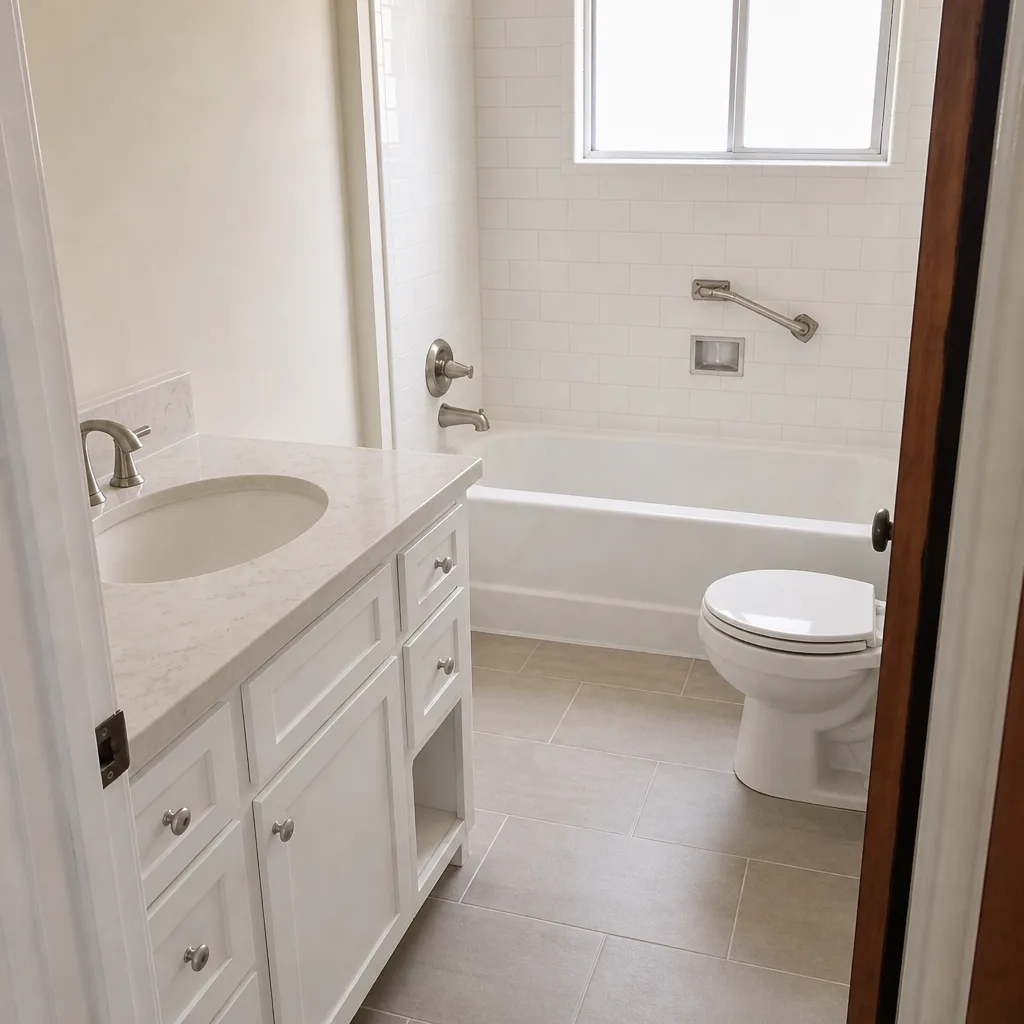 After
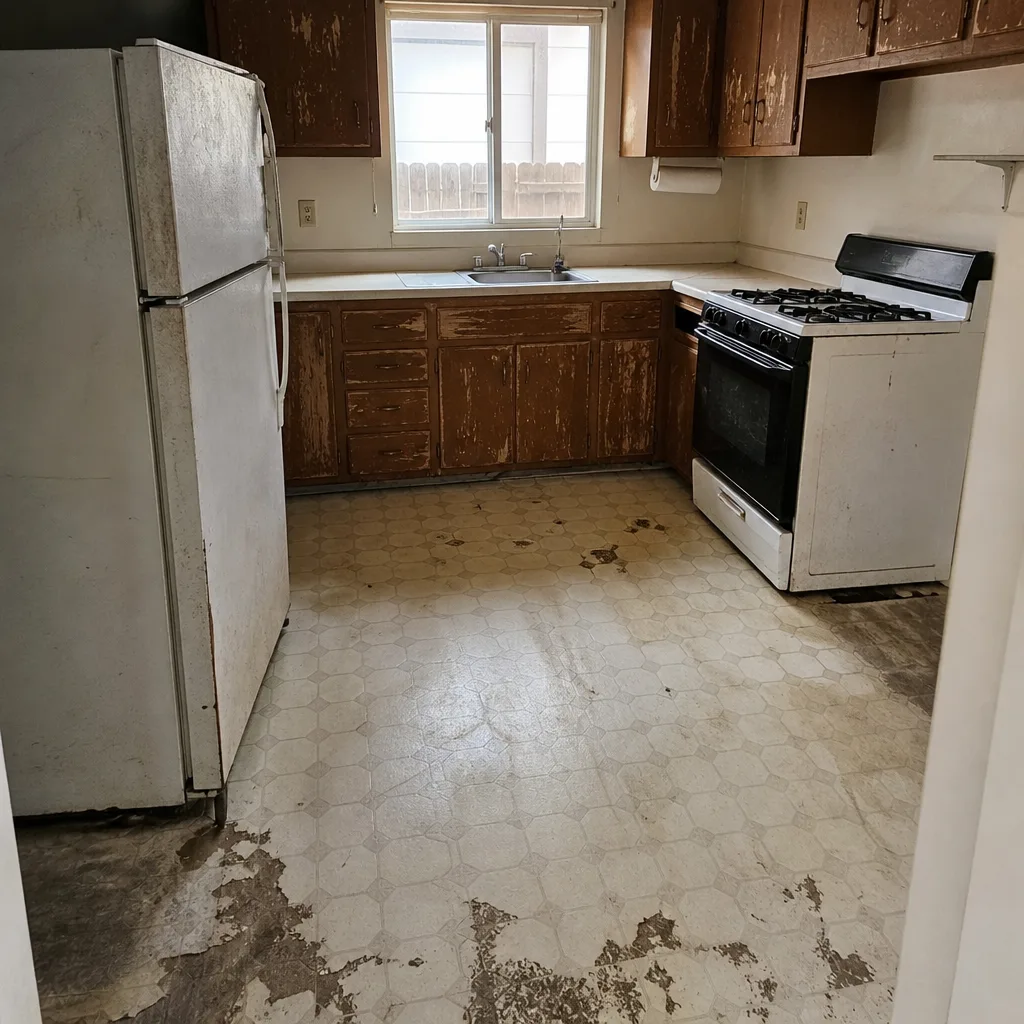 Before
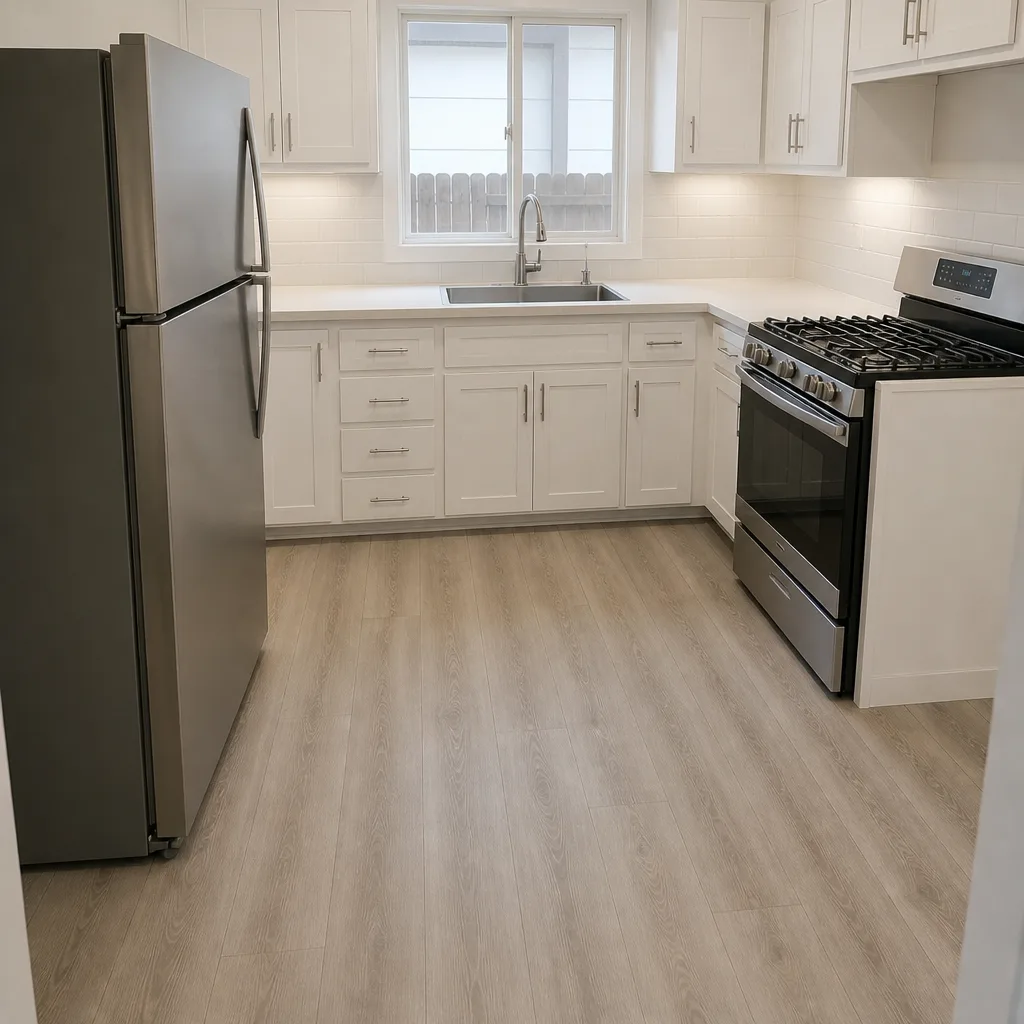 After
Frequently Asked Questions
Plan review for a City of Santa Rosa residential project typically runs longer than most homeowners expect, and unincorporated Sonoma County (Permit Sonoma) is a separate office with a separate timeline – often with additional complexity for WUI or septic. Budget for at least one correction round. Realistic planning starts at several weeks of review and extends from there depending on scope. Call (833) 842-1866 to talk through your specific project – estimates are free.
If your property sits in a Wildland-Urban Interface zone, yes – the roof assembly must meet Chapter 7A fire-resistant requirements, which cover the shingle or tile, the underlayment, and the eave and vent detailing. Not every Santa Rosa property is in a WUI zone, so confirm your parcel status with the city before ordering materials. Call (833) 842-1866 for a free second opinion on any written estimate.
Fixed-price is a written number for a written scope, with changes only through signed change orders. Cost-plus is materials and labor at cost plus a markup, with no ceiling – so a $150,000 project can finish at $180,000 and you pay the difference plus markup. On a $150,000 Santa Rosa project, that difference is often 10 – 20%. Call (833) 842-1866 for a written flat price before any work starts.
Look up the license number on the CSLB website and verify three things: active status, current classification, and any disciplinary actions. A ‘B’ general building license covers general construction, but specialty work like electrical (C-10), plumbing (C-36), and HVAC (C-20) requires a specialty license or a qualified person under the B holder’s employ. Call (833) 842-1866 for a free line-by-line review of any written estimate.
Electrical, plumbing, and HVAC book 10 – 14 weeks out in the Santa Rosa market, followed by roofing at 6 – 10 weeks and concrete and framing at 4 – 8 weeks. Finish work is the most flexible, but premium cabinet orders have their own factory timelines. Book specialty subs when you submit the permit, not when framing is done. Call (833) 842-1866 to plan a realistic schedule.
On a fixed-price contract with signed change orders, the price only changes when a written change order is signed – and only for the change specified. Undiscovered conditions (rot behind siding, a load-bearing wall, WUI compliance work on a missed spec) still trigger a change order, but the change is documented and priced before work proceeds. Call (833) 842-1866 for a written flat price and a written change-order process.
The Bottom Line
Santa Rosa construction is shaped by WUI overlay zones layered on top of Title 24, a permit system where the city and county aren’t the same office, and a labor market where electrical, plumbing, and HVAC book 10 – 14 weeks out. The homeowners who do well here confirm their zone, submit their permit early, book specialty subs at submission, order cabinets before demolition, and insist on a fixed-price contract with signed change orders. Do those five things and the rest is execution. Skip them and the plan stalls. Call Rowan Construction Group Santa Rosa at (833) 842-1866 for a free estimate with a written price before any work starts.
Written by the team at Rowan Construction Group Santa Rosa.