Last updated November 17, 2026
Free written scope consultation - allowances, timeline, and change-order rules on paper before a single trade is scheduled
DIY vs Professional Home Additions & ADU: What’s Safe to Do Yourself
California Business and Professions Code Section 7044 allows an owner-builder to pull their own permits for a home addition or ADU. It also bars them from selling that property for five years without disclosing the owner-builder status on the transfer, which changes the math on nearly every Santa Rosa ADU project the moment resale enters the picture. The DIY-versus-hire question, in other words, is not really a question about whether you can swing a hammer. It’s about permit eligibility, lender requirements and the specific tasks the state says a licensed contractor has to perform. This guide separates the three lists: what California law reserves for licensed trades, what lenders and insurers quietly require, and what you can genuinely do yourself on a Santa Rosa addition without putting the project at risk.
Quick Answer
On a permitted addition or ADU in California, electrical panel work, gas piping and structural concrete are reserved for licensed trades regardless of who holds the building permit. Finish carpentry, painting, insulation in open walls and tile setting are genuinely eligible for a competent DIYer, but only on an owner-pulled permit that isn’t financed and isn’t heading for resale. If you’re borrowing money or plan to sell, the owner-builder path is largely closed, and a licensed general contractor of record is the practical starting point.
Styles & brands we work with
- Kitchen remodeling
- Bathroom remodeling
- Home additions & ADU
- Roofing
- Windows & doors
- Driveway & pavers
- Fence
Table of Contents
- What California Law Actually Says About Owner-Builder Permits
- The Tasks California Reserves for Licensed Trades
- What’s Genuinely DIY-Eligible on an Addition
- The Lender Constraint Nobody Mentions Up Front
- The Insurance Gap During a Permitted Addition
- What a Hybrid Arrangement Actually Looks Like
- Why the Hybrid Usually Doesn’t Save Money
- Common Mistakes to Avoid
- When to Call a Professional
What California Law Actually Says About Owner-Builder Permits
Section 7044 lets a property owner pull a building permit and act as their own contractor on a single-family residence they intend to occupy. That’s real, it’s legal, and plenty of Santa Rosa homeowners have used it to build a small addition or a detached ADU. The catch is buried in the sale disclosure and in a separate lender layer on top of it. If you can’t occupy the property for a full year before selling, or if you sell within five years, the owner-builder status has to be disclosed in writing to the buyer and appears on the record. Most buyers treat that disclosure the way they treat an unpermitted structure: as a reason to negotiate, or to walk.
For a rental ADU or a granny unit at the back of the lot, the owner-builder exemption gets murkier. It’s written for a single-family residence the owner occupies. A separate dwelling on the same parcel that will be rented raises questions a building department will ask directly at intake, and the answers matter before you pull anything.
What we see in Santa Rosa is homeowners discovering this rule after they’ve already drawn plans. The measurement in dollars is simple: a licensed contractor of record costs money up front, and an owner-builder disclosure costs money on resale, plus whatever a buyer deducts for the uncertainty. On a $200,000-plus ADU, that deduction can run to five figures, which is often the entire labor budget you were trying to save.
The Tasks California Reserves for Licensed Trades
Holding the building permit does not mean you can perform every task under it. California licenses trades separately, and three of them show up on almost every addition and ADU. These are not optional, and they are not waivable by the building department because you’re the owner.
- Electrical panel work (C-10 Electrical Contractor). A new ADU or a room addition almost always triggers a panel upgrade or a subpanel. The C-10 license covers the panel, the service, the branch circuits and the rough-in. Even on an owner-builder permit, most jurisdictions require a licensed C-10 for panel work and the final sign-off.
- Gas piping (C-36 Plumbing Contractor). Any new gas run to a range, water heater, dryer, wall heater or outdoor connection requires a C-36 licensed plumber plus pressure testing and inspection. Running a gas line yourself is the single fastest way to fail an inspection and the single fastest way to create a genuine hazard.
- Structural concrete (C-8 Concrete or a General B license). Foundations, slabs with footings, retaining walls and structural anchor bolts fall under this. The footing and slab of any permitted addition are structural. Cracking a hot-mix pour or missing a rebar schedule in Santa Rosa’s expansive soils around Coffey Park and Larkfield is not a finish issue, it’s a foundation failure that shows up two winters later.
There’s also a fourth category that surprises people: anything tied to the structural frame of the addition itself, the load path, the shear walls, the roof tie-in. California doesn’t license “carpentry,” but the engineer’s stamped plan and the building inspector’s structural sign-off are the enforcement mechanism. If you can’t read a shear wall schedule, that’s the point at which the permit won’t close.
We’ve watched owner-builder projects in Santa Rosa sit on a stalled inspection for months because a licensed C-10 wasn’t lined up before the panel work began. The permit extension costs more than the panel.
What’s Genuinely DIY-Eligible on an Addition
Once you set aside the licensed trades, there’s a real scope of work a careful homeowner can do on a permitted addition. It’s not the framing or the concrete, but it’s honest, finish-level work where the schedule is yours and a small mistake is a callback, not a collapse.
- Finish carpentry. Hanging doors, setting baseboard and crown, installing trim and shelving. Materials for a 300-square-foot addition run roughly $1,200 to $2,800 in standard MDF or primed poplar, versus $3,500 to $7,000 to hire it out. Tools you likely already have or can rent.
- Interior painting. Primer plus two coats on walls and ceilings. Paint and supplies for that same 300-square-foot addition run $600 to $1,100; a painter prices it at $2,400 to $4,200. Two long weekends, a steady roller and a willingness to cut in clean.
- Insulation installation in open walls. Batt insulation, unfaced or kraft-faced, in stud bays before the drywall goes up. Materials for 300 square feet of wall and ceiling run $400 to $900; installed, $1,600 to $3,000. Wear the respirator. The invisible part is that a missed bay costs you on every heating bill after.
- Tile setting. Floor tile in a bathroom or a mudroom, on a properly prepared substrate. Materials $1,800 to $4,000 for a 60-square-foot bath, versus $4,500 to $8,500 installed. The real skill is the substrate prep, which is where most DIY tile fails.
What’s not on the list: drywall finishing at a level 4 or 5 standard, cabinet installation that has to land within a quarter inch of a premium door, and anything that requires a plumb line and a laser. Those aren’t about safety, they’re about the finish quality you’ll feel every day. We price the whole scope with a written number before anyone picks up a tool under Rowan Construction Group Santa Rosa home, and homeowners are genuinely surprised how close a hire-out number is to the materials-plus-weekends math once you build in the tool rentals and the finish mistakes.
The Lender Constraint Nobody Mentions Up Front
Financing is where the owner-builder path usually ends. Construction loans, renovation mortgages and ADU-specific products almost universally require a licensed general contractor of record with active general liability insurance, and they require the contractor to sign the draw schedule. That means the lender is releasing funds in stages based on documented progress, and the contractor’s name is on the paperwork, not yours.
The CalHFA ADU Grant Program is a clear example. It provides pre-development and non-recurring closing cost assistance for ADU construction on qualifying properties, and the program requires the owner to work with a licensed contractor. An owner-builder doesn’t qualify for the grant funded path, which means you’re giving up real subsidy dollars to keep the permit in your own name. That math alone kills the DIY case on most financed Santa Rosa ADUs.
We also see homeowners try to split the project: cash for the first half, financing for the second. That works only if the lender files a notice of completion with the contractor of record in place. A mid-project switch from owner-builder to a licensed GC almost always forces a new permit and a new inspection cycle.
The Insurance Gap During a Permitted Addition
A standard homeowner’s policy covers the existing dwelling and personal liability. It generally does not cover construction liability during a permitted addition, and it usually excludes injuries to anyone working on the structure. That gap is not theoretical: if a helper falls off scaffolding while you’re framing, your policy is likely to deny the claim and you’re exposed to the full medical cost, plus any suit.
- General liability. A licensed contractor carries this for the duration of the project, covering third-party bodily injury and property damage. It’s a certificate you should ask for on paper before the crew walks on site.
- Workers’ compensation. Required for employees of a licensed contractor. On an owner-builder project, an injured helper is not covered by any workers’ comp policy unless you carried one, which almost no owner-builder does.
- Builder’s risk. Covers the structure under construction and materials on site against fire, theft and weather. Sometimes attached to the construction loan, sometimes a separate policy. Missing it in a Santa Rosa winter with an open roof line is a real exposure.
Under the Haven Standard, every Rowan project carries documented general liability and workers’ comp before the crew arrives, and the certificate is part of the paperwork the customer keeps. That’s not a sales point. It’s the reason an insured hire-out number can be the cheaper quote on a permitted addition, once the exposure you’re carrying is priced honestly.
What a Hybrid Arrangement Actually Looks Like
The compromise most homeowners land on is a hybrid: they act as their own general contractor, hold the building permit, and hire licensed subs for each trade. On paper that looks like the best of both worlds. In practice it’s a second job for the next six to nine months. Here’s the workflow on a typical Santa Rosa one-bedroom ADU:
- Permit intake and plan check. You’re the applicant of record. Every correction the plan checker sends comes to you, and you’re the one getting the resubmittal back into the queue. In Santa Rosa plan check can run four to twelve weeks depending on the scope and the current caseload.
- Sub scheduling. You find and vet the C-8 for the foundation, the C-10 for the electrical, the C-36 for the gas and plumbing, plus roofing and drywall. Each wants to know when the previous trade is finished. When one runs two weeks late, you re-coordinate the other four by phone.
- Inspection scheduling. Rough framing, rough plumbing, rough electrical, insulation, drywall nailing, final. Each inspection is a distinct window, and if the inspector fails one, everything downstream backs up.
- Documentation. You’re collecting W-9s, certificates of insurance, lien releases and final invoices from every sub. That’s what protects you from a mechanic’s lien if a sub doesn’t pay their supplier.
- Final and closeout. The building department issues the certificate of occupancy, and the lender (if there is one) releases the final draw. Any missing item from earlier stages surfaces here.
The structural and electrical work itself is unchanged. What changes is who owns the coordination. That coordination is most of what a general contractor does, and the workflow above is a slice of the Home Additions & ADU in Santa Rosa scope we run for our clients.
Why the Hybrid Usually Doesn’t Save Money
We’ve priced hundreds of additions and ADUs and the hybrid math is remarkably consistent. On a $250,000 ADU project, a homeowner acting as their own GC typically saves $15,000 to $30,000 on paper by cutting the general contractor’s fee and overhead, then gives most of it back across four buckets:
- Permit and inspection time. An owner-GC running their first project in Santa Rosa routinely spends eight to sixteen weeks longer than a contractor who has been through the same plan check five times this year. Winter costs and carrying costs on a construction loan run while the project sits.
- Sub vetting. Licensed subs price owner-GCs higher than they price repeat contractors, because they know the coordination will be less reliable and their own crews will sit. That premium runs 8 to 15 percent on the trade work.
- The owner’s own hours. Coordinating a hybrid ADU realistically takes 300 to 500 hours across the project. Priced at any honest hourly rate, that’s a real cost the homeowner almost never counts.
- Change orders and re-work. When a sub moves a wall for the electrical rough-in without checking the structural plan, the correction comes out of the homeowner’s pocket. A GC would have caught it at the rough-in walk.
Under Clause 1 of the Haven Standard the price is written before anyone starts, and no work proceeds on a change until the change order is signed. That’s the part most homeowners do not recreate in a hybrid, and it’s where hybrid projects drift past budget.
Common Mistakes to Avoid
- Pulling an owner-builder permit and financing the project. The lender will require a licensed GC of record in nearly every case, so the permit gets re-drawn or refiled. Ask the lender before the permit application goes in.
- Assuming Section 7044 covers the whole job. It covers the permit, not the trades. Electrical panel work, gas piping and structural concrete still belong to the C-10, C-36 and C-8, even on an owner-pulled permit.
- Running a gas line to save a few hundred dollars. A failed pressure test means the line comes out and a C-36 runs it again, plus the inspection re-schedule. We’ve seen this on a Santa Rosa wall heater install cost more than the panel upgrade beside it.
- Forgetting the owner-builder disclosure on resale. The five-year clock starts at completion, and the disclosure is on the transaction, not just in your head. Buyers in Santa Rosa ask about this in writing.
- Self-insuring the construction phase without realizing it. Your homeowner’s policy generally excludes construction liability. Ask for general liability and workers’ comp certificates from every trade, before they walk on site.
- Framing that doesn’t match the stamped plan. Shear wall nailing and hold-down placement are the two most common structural failures on owner-built additions. If the plan calls for 10d at 4 inches on center, 8d does not substitute.
- Underestimating plan check in Santa Rosa. Design review, fire department review for hillside and wildland-urban interface parcels, and the routine corrections cycle can add weeks. Budget the calendar honestly even for the DIY-eligible finish scope.
The list comes down to a single question we ask every homeowner who calls about an addition: is this project going to be financed, sold, or occupied for the rest of your life? That answer chooses your path. The other trades work in Fence Installation in Santa Rosa, Driveway & Pavers in Santa Rosa and the seven trades Rowan runs all follow the same rule: written price first, signed change order before any change, documented photo record on every visit.
When to Call a Professional
Call a professional contractor of record before you pull a permit, not after, if any of the following is true. You’re financing any part of the project through a construction loan, a renovation mortgage or the CalHFA ADU Grant Program. You plan to sell the property within five years. The addition includes a kitchen, a bathroom or a laundry with new gas or plumbing, which puts you in C-36 territory on day one. The design has a hillside, a wildland-urban interface parcel, a second story or a stepped foundation, which all raise plan check complexity and structural exposure. You’re building a rental ADU on the same parcel. Or you’ve priced the DIY-eligible scope honestly and discovered that the coordination is the real cost.
Rowan Construction Group Santa Rosa offers free estimates in Santa Rosa, and we’ll review any competitor’s written quote line by line at no charge. Call (833) 842-1866 to schedule yours.
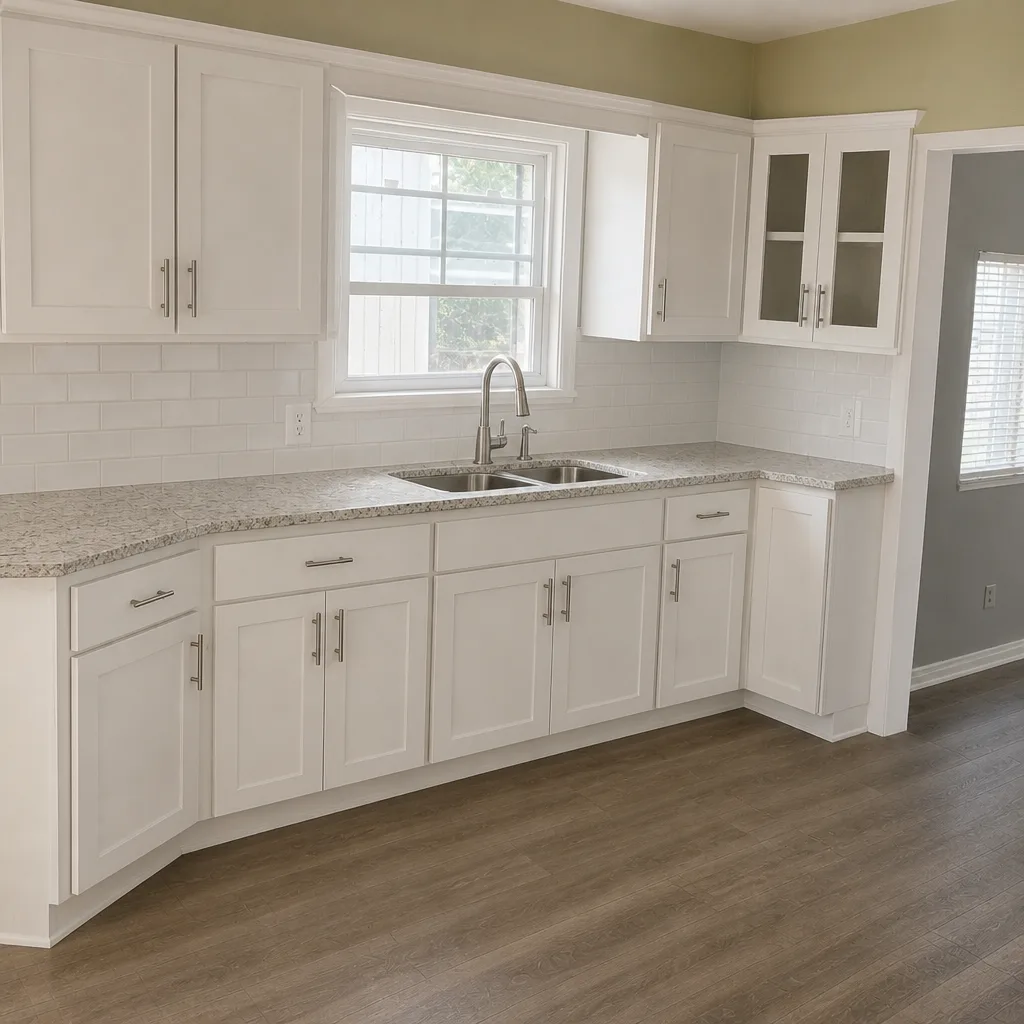
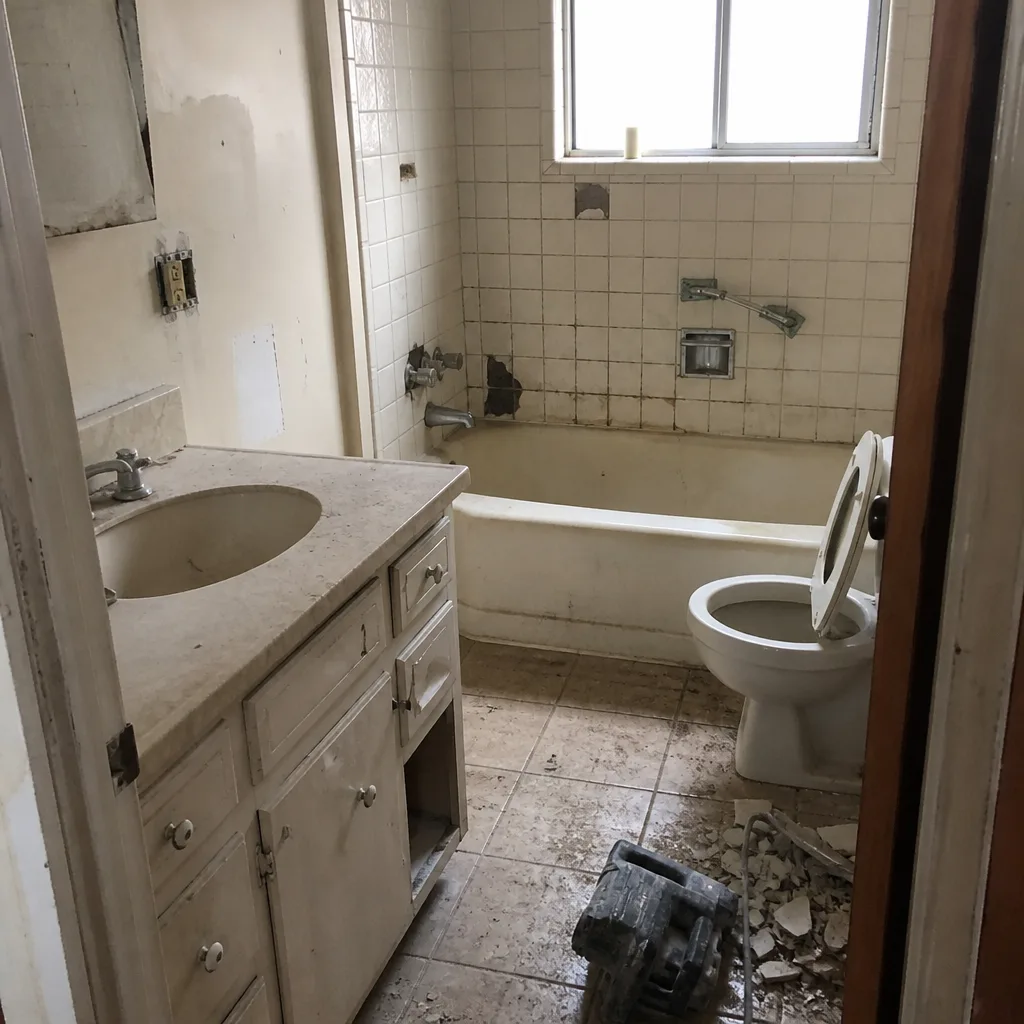
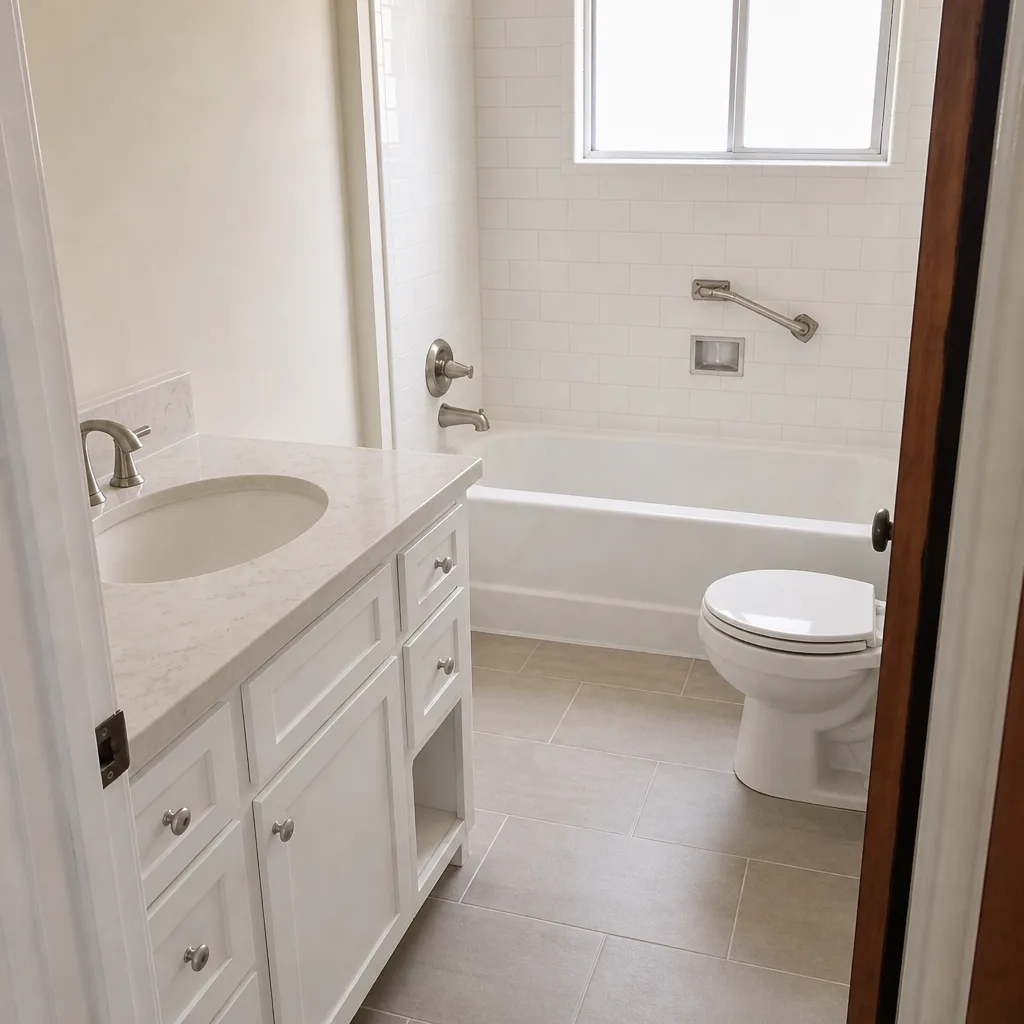
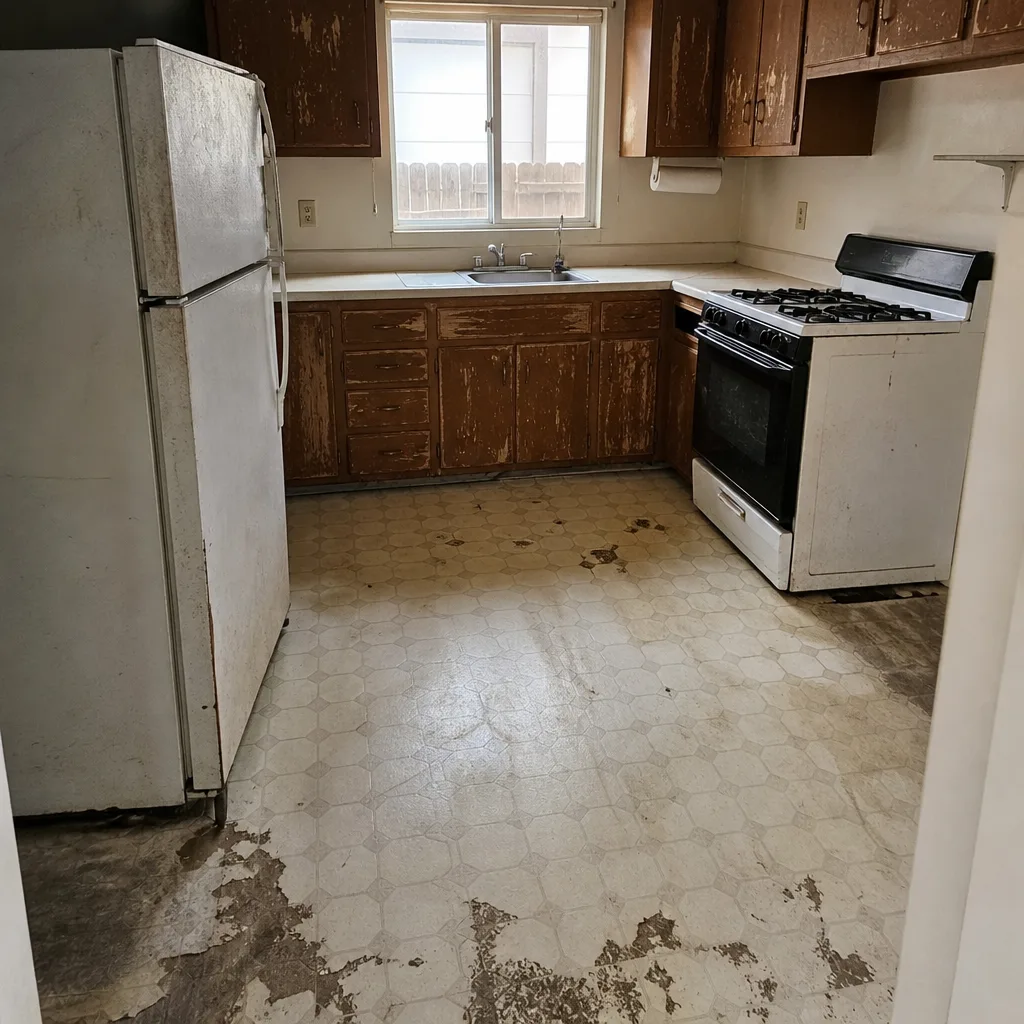
See the difference
 Before
 After
 Before
 After
 Before
 After
Frequently Asked Questions
Yes, California Business and Professions Code Section 7044 allows an owner-builder to pull the building permit on a single-family residence they intend to occupy. The catch is the five-year resale disclosure and the lender requirement, which together eliminate the owner-builder path on most financed projects. Call (833) 842-1866 for an exact quote on the licensed path, estimates are free.
Electrical panel work (C-10), gas piping (C-36) and structural concrete (C-8 or a General B license) require licensed trades regardless of who holds the permit. Finish carpentry, painting, insulation installation in open walls and tile setting are generally DIY-eligible. Call (833) 842-1866 to walk through your specific scope with us.
No. The CalHFA ADU Grant Program requires a licensed contractor on the project, so an owner-builder doesn’t qualify for the grant-funded path. That means you’re forgoing the subsidy to keep the permit in your own name. Call (833) 842-1866 for a free second opinion on your written estimate from any other contractor.
For the finish scope on a 300-square-foot addition, materials run roughly $4,000 to $8,800 across trim, paint, insulation and tile, versus $12,000 to $22,700 to hire the same scope out. The savings are real, but only on an owner-permit project that isn’t financed and isn’t heading for resale. Call (833) 842-1866 for an exact quote, estimates are free.
Typically no. Standard homeowner’s policies exclude construction liability during a permitted addition, which is why licensed contractors carry general liability and workers’ comp for the project duration. Ask every trade for the certificates before they start. Call (833) 842-1866 for a written scope of what our project paperwork includes.
Not without a signed change order. Under Clause 1 of the Haven Standard the price is written before any work starts, and no change proceeds until a written change order is signed by both parties. Same policy on every trade, every project. Call (833) 842-1866 for a written line-item price.
The Bottom Line
The DIY-versus-hire decision on an addition or ADU in Santa Rosa isn’t primarily about your skill with a saw. It’s a stack of legal and financial constraints: Section 7044 covers the permit, not the trades; the C-10, C-36 and C-8 licenses govern the dangerous work; lenders and the CalHFA ADU Grant program require a licensed contractor of record; and your homeowner’s policy leaves a construction liability gap a licensed contract fills. On a financed or resale-bound project, the owner-builder path costs more than it saves. On a cash project where you keep the property, the finish scope is genuinely yours. Rowan Construction Group Santa Rosa quotes the whole job with a written price before any work starts and a signed change order before any change.
Ready for a written price on your Santa Rosa addition or ADU? Call Rowan Construction Group Santa Rosa at (833) 842-1866 for a free estimate.
Written by the team at Rowan Construction Group Santa Rosa.