Last updated November 17, 2026
Free written scope consultation - allowances, timeline, and change-order rules on paper before a single trade is scheduled
The Complete Home Additions & ADU Guide for Santa Rosa Homeowners
Santa Rosa allows an ADU up to 1,200 square feet on most single-family lots, and on paper that sounds like a green light. Then the utility connection fee arrives: $15,000 to $30,000 before a single foundation form is set. That line item sits on almost no ADU cost calculator published before 2022, and it’s the one that quietly kills budgets in this city. Santa Rosa’s rules also changed in 2020, 2022, and again in 2023, which means a guide written three years ago can walk you into a permit path that no longer exists. This guide covers the current standards: real setback numbers for both the city and the unincorporated county, a line-item cost stack, the owner-builder trap that derails lender-financed projects, and what an ADU contract needs that a kitchen remodel contract doesn’t.
Quick Answer
In Santa Rosa, a detached ADU typically runs $180,000 to $350,000 all-in, with garage conversions landing at the low end ($95,000 to $160,000) and new detached construction at the high end. Junior ADUs (JADUs) are the cheapest path at roughly $50,000 to $90,000 because they stay within the existing footprint. The fastest route through Santa Rosa’s permit office right now is a garage conversion or JADU, since both skip new foundation and utility trenching. Budget the utility connection fees separately and early; they are frequently the difference between a project that pencils out and one that doesn’t.
Styles & brands we work with
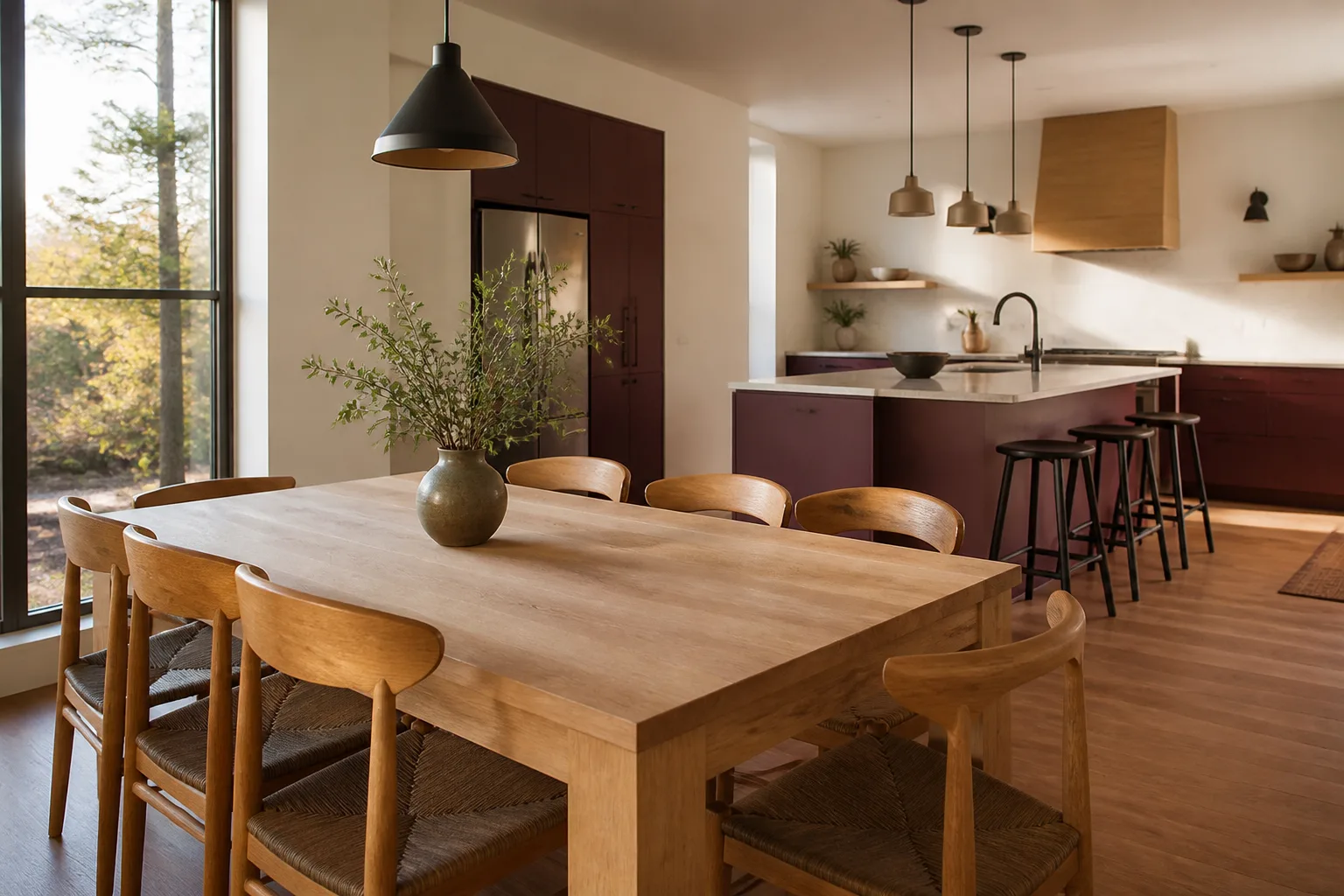
- Kitchen remodeling
- Bathroom remodeling
- Home additions & ADU
- Roofing
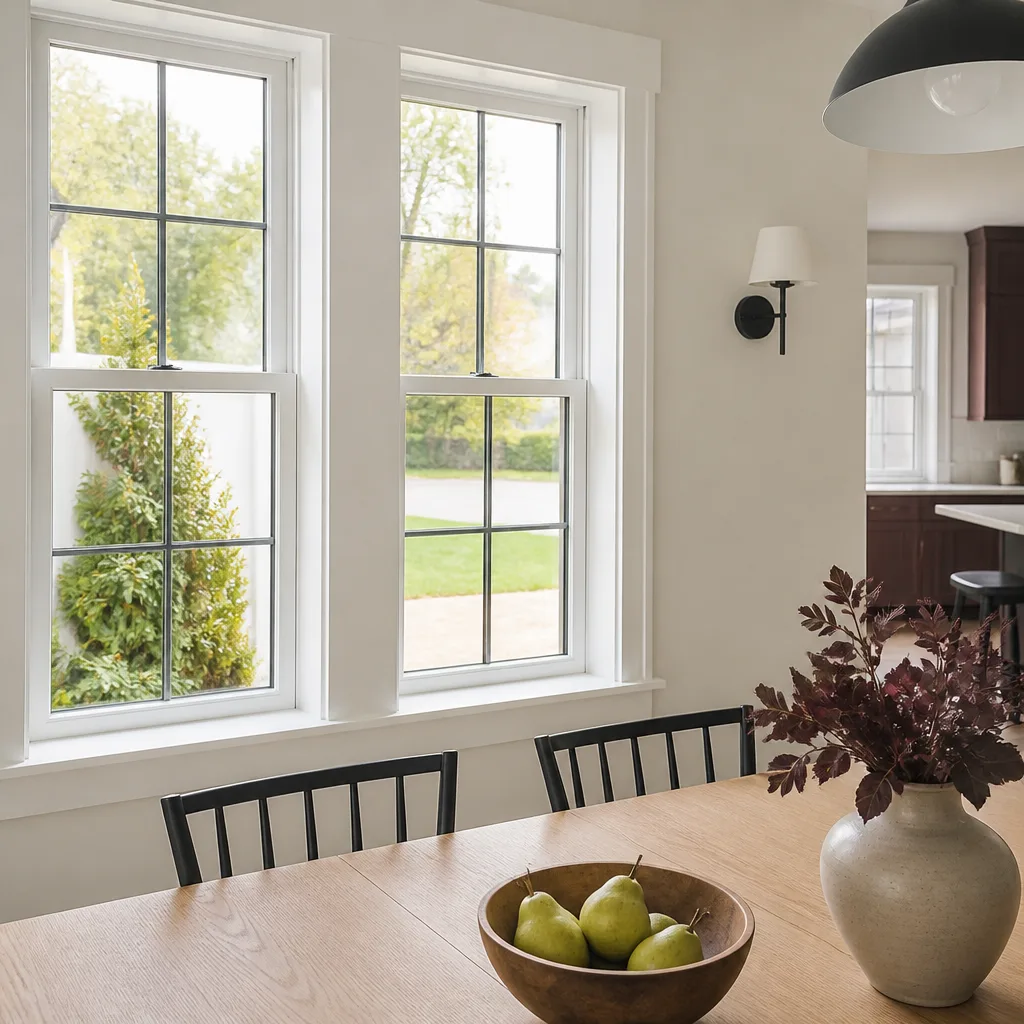
- Windows & doors
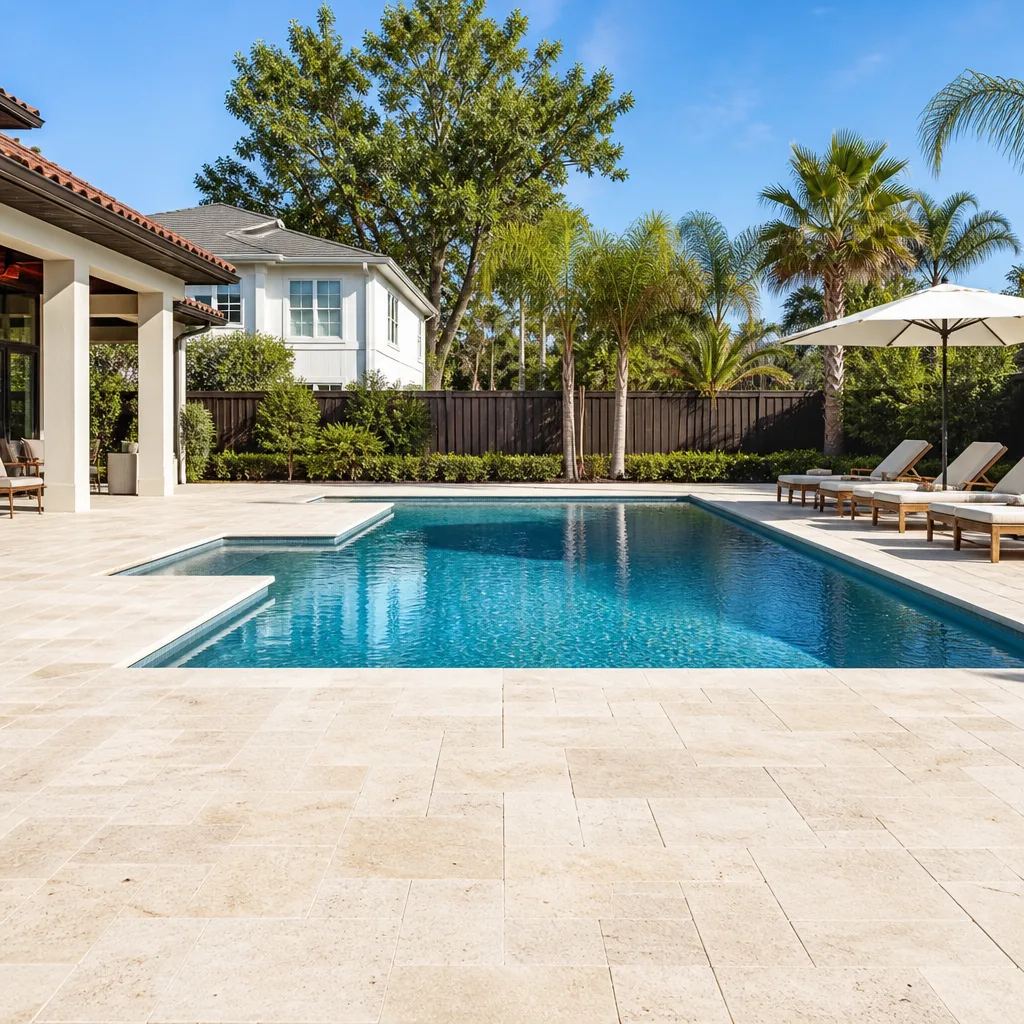
- Driveway & pavers
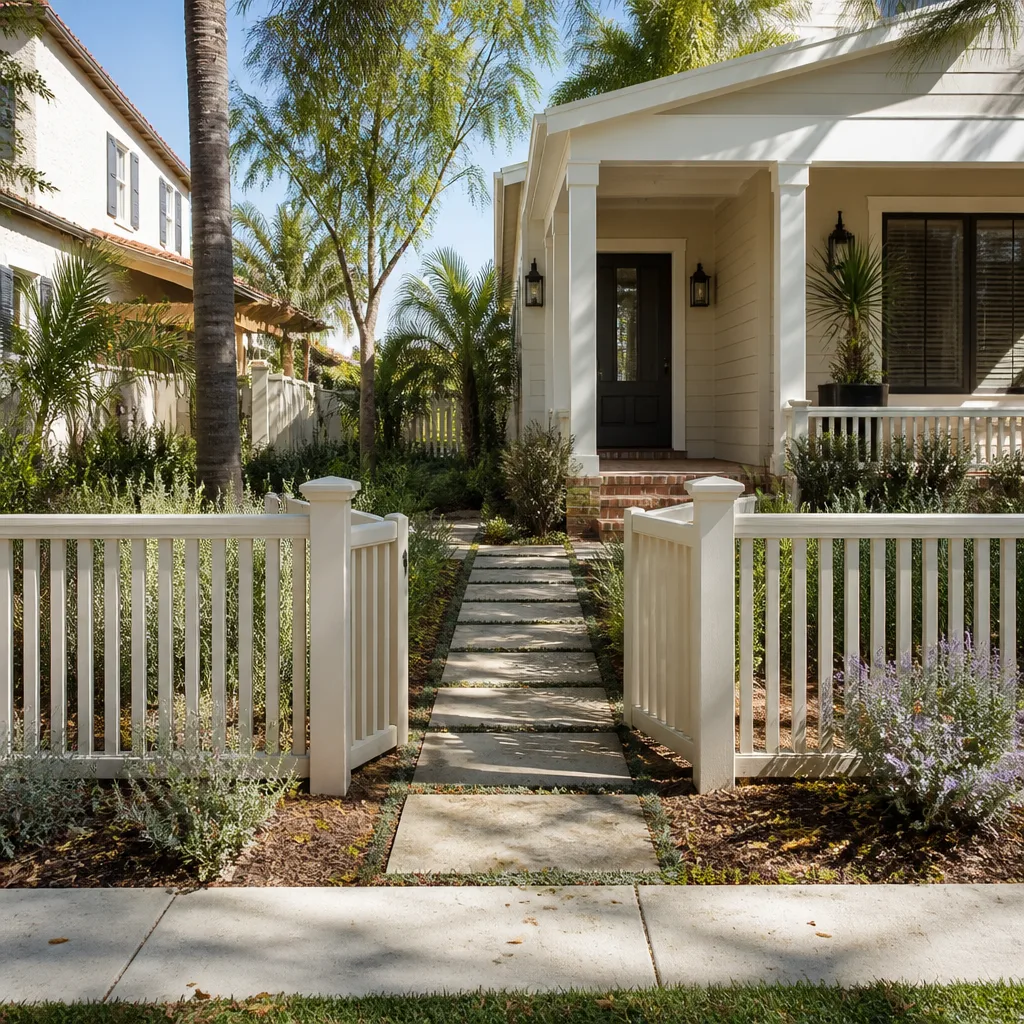
- Fence
Table of Contents
- City vs. County: The Two Permit Tracks in Santa Rosa
- Attached Additions, Detached ADUs, Garage Conversions, and JADUs
- The Full Cost Stack, Line by Line
- Utility Connection Fees: The Line Item Nobody Budgets
- The Owner-Builder Limitation and Why Lenders Care
- What an ADU Construction Contract Must Contain
- Soil, Foundation Type, and Santa Rosa’s Specific Conditions
City vs. County: The Two Permit Tracks in Santa Rosa
The first question that determines everything else is jurisdiction. A property inside Santa Rosa city limits is permitted through the City of Santa Rosa’s Planning and Economic Development department. A property in unincorporated Sonoma County – Larkfield, parts of Bennett Valley, the unincorporated pockets off Guerneville Road – goes through Sonoma County Permit Sonoma. The two sets of rules overlap but are not identical, and applying to the wrong one adds weeks before anyone reviews a drawing.
The city track generally allows a detached ADU up to 1,200 square feet, a 4-foot side and rear setback for ADUs on lots with an existing primary residence, and a height limit of 16 feet for a single-story detached unit (up to 18 feet in some configurations near transit). County standards for unincorporated parcels differ on rear setbacks and lot coverage calculations, and the county is stricter about impervious surface coverage on hillside lots – relevant on the oak-studded parcels out toward Calistoga Road, where a long driveway plus an ADU pad can push a lot over its coverage cap.
Three practical differences worth knowing before you call a designer:
- Lot coverage math. The city counts ADU square footage toward coverage differently than the county does on certain parcels. A lot that reads fine under city rules may be capped under county rules if you’re just outside the line.
- Setback measurement. Both allow reduced side and rear setbacks for ADUs, but the conditions attached differ. Get the specific number for your parcel in writing from the jurisdiction before drafting.
- Review timeline. The city has moved ADU applications through a dedicated counter since its most recent ordinance update; the county’s path involves a separate discretionary review on some lots. If your property is county, plan the extra weeks into your schedule.
Our technicians have up to 19 years of experience navigating both tracks, and the single most common delay we see is an application filed with the wrong jurisdiction’s forms. Confirm your jurisdiction first. Home Additions & ADU in Santa Rosa
Attached Additions, Detached ADUs, Garage Conversions, and JADUs
Four categories, four very different timelines and price points. Choosing the right one for your lot and your goal is the highest-leverage decision in the whole project.
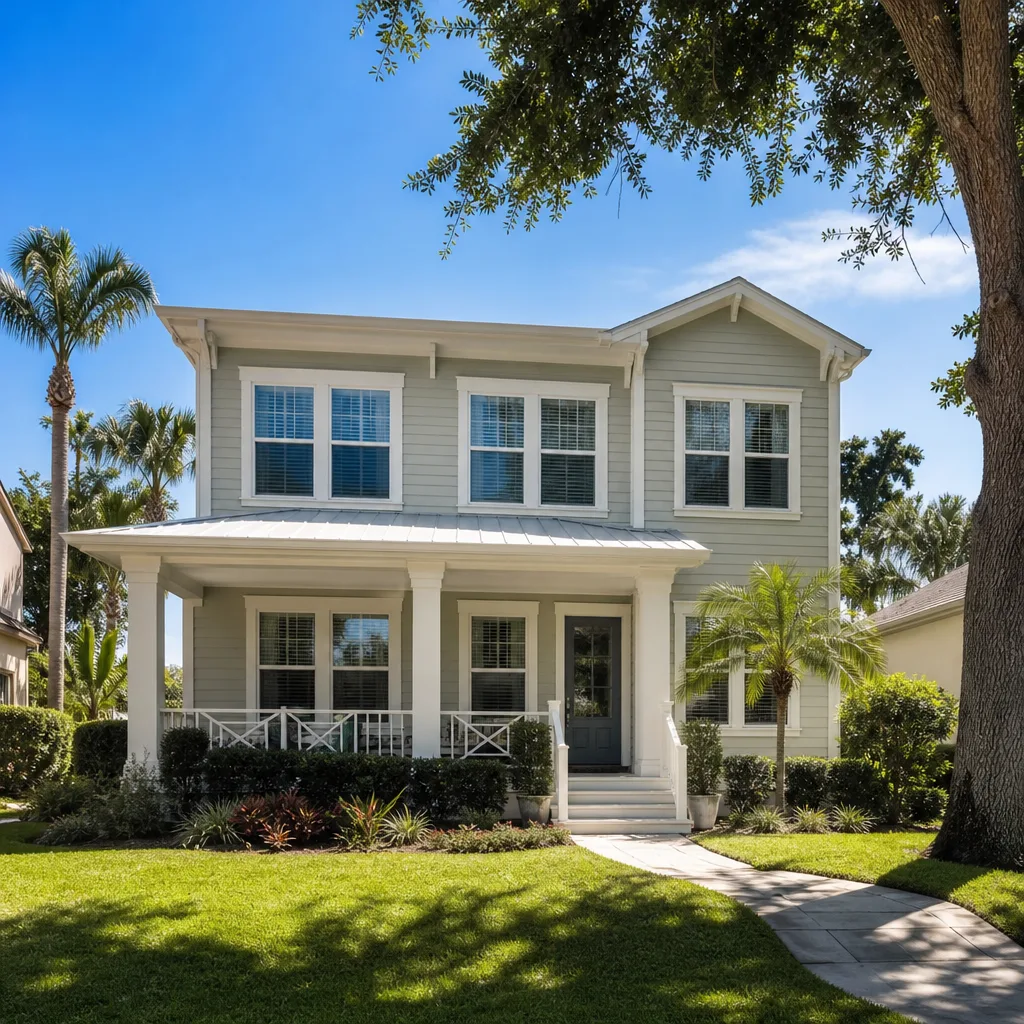
- Attached addition. New square footage tied structurally to the existing house. Best for growing an existing home – a primary suite, a family room. Slower than a conversion (foundation, roof tie-in, matching siding) but the finished product blends with the original house. Match your existing cladding with something like James Hardie fiber cement so the seam isn’t obvious from the street.
- Detached ADU. A separate structure with its own foundation, utilities, and entrance. Highest cost, highest rental value, and the path that qualifies for full ADU rental income. This is where modular options like Plant Prefab come into play: a factory-built shell can trim site-build time, but you still pay for site work, foundation, and utility trenching locally.
- Garage conversion. Converting existing garage space into living space. Cheapest per square foot of the full-size options because the shell and slab already exist. The catch: you lose parking, and if the converted garage was the required parking for the primary unit, you may need to replace a parking space elsewhere on the lot. Confirm that with the city before you draw.
- Junior ADU (JADU). Up to 500 square feet, carved out of existing house space, with a kitchenette but no separate full kitchen required. The fastest and cheapest path – no new foundation, no new utility trench, often no new exterior wall. Santa Rosa’s current rules make JADUs straightforward to permit within the existing envelope.
If you’re weighing a full addition against a smaller scope, it helps to compare against the cost of other exterior work you may be bundling at the same time. Rowan Construction Group Santa Rosa home
The Full Cost Stack, Line by Line
ADU “cost calculators” that return a single number are useless because they hide the parts that actually move the total. Here’s the honest breakdown for a detached ADU in Santa Rosa, from first drawing to final inspection.
| Line Item | Typical Range | Notes |
|---|---|---|
| Design & drafting | $3,000 – $8,000 | Structural engineering and title-24 (energy) calcs add to the upper end |
| Permits & plan check fees | $4,000 – $12,000 | Impact fees, school fees, and plan check vary by jurisdiction |
| Utility connection fees | $15,000 – $30,000 | Water, sewer, and electrical hookups; the line item most calculators omit |
| Foundation | $12,000 – $25,000 | Type depends on soil and slope (see below) |
| Framing & shell | $30,000 – $55,000 | Site-built or modular shell; siding, sheathing, windows |
| MEP rough-in | $20,000 – $35,000 | Mechanical, electrical, and plumbing rough, plus trenching |
| Insulation, drywall, finish | $45,000 – $75,000 | Flooring, cabinets, fixtures (Kohler and Toto tier), paint |
| Site work & landscape repair | $5,000 – $15,000 | Access, grading, fencing, and restoring what the build disturbed |
Add those up and a detached ADU lands between roughly $180,000 and $350,000 depending on size, finish level, and the utility situation on your specific lot. Garage conversions and JADUs eliminate the foundation and utility-trench lines, which is why they come in so much lower.
The number that ruins budgets is the utility connection. In Santa Rosa, connecting a new unit to city water and sewer can run $15,000 to $30,000 – and Santa Rosa’s water system charges vary depending on meter size and whether the property has an existing service lateral with capacity. A lot with an undersized lateral adds to that figure. This is a number you can get in writing from the city before design is finished, and we recommend you do exactly that. We’ve seen ADU projects in Santa Rosa move forward and backward on this line alone.
Utility Connection Fees: The Line Item Nobody Budgets
Here’s the sequence we recommend for anyone planning an ADU in Santa Rosa:
- Call Santa Rosa Water and request the actual connection-fee estimate for your address and proposed unit size. Get it in writing.
- Confirm sewer capacity on your lot. Older Santa Rosa neighborhoods – parts of the West End, the JC neighborhood, and around Montgomery Village – have laterals that predate the current capacity standards.
- Confirm electrical service capacity with PG&E. If your panel is already near its limit, an upgraded service adds cost that belongs in the budget up front, not in a change order later.
- Only after those three numbers, commission design work. Designing before you know the utility cost is how budgets fail.
Under Clause 1 of the Haven Standard, we write the price before any work starts. That discipline applies to the utility allowance too: a proper ADU quote carries an explicit utility-connection allowance with a defined scope, so you know if the number moves and by how much. Handshake-plus-a-range is not a quote.
The Owner-Builder Limitation and Why Lenders Care
California does allow an owner-builder to pull a permit and act as their own general contractor. It’s legal, and some experienced builders do it. But there’s a catch that most “DIY ADU” articles slide past: if you’re financing the ADU through a construction loan, an ADU-specific lender, or a cash-out refinance earmarked for the build, the lender will almost universally require a licensed contractor of record in the permit. The permit names the builder, and the bank wants a licensed name on it – not yours, unless you hold the license.
That single requirement derails a lot of owner-builder plans, particularly for borrowers financing the build rather than paying cash. Cash-funded owner-builders can proceed, but they take on the permit, the inspections, the subcontractor scheduling, and the warranty burden themselves. For most Santa Rosa homeowners financing the project, the licensed-contractor-of-record route is the practical one. Ask your lender which permits they require the licensed name on before you assume owner-builder is available to you.
What an ADU Construction Contract Must Contain
An ADU contract is not a remodel contract with a bigger number. Four provisions belong in it that a standard kitchen contract leaves out:
- Allowance schedule. A written list of the discretionary items – fixtures, appliances, finishes – with a stated allowance per item and a defined process when a selection exceeds it. This is where remodel contracts go silent and budgets slip.
- Utility coordination responsibility. Who contacts Santa Rosa Water and PG&E, who schedules the trench inspection, who attends the connection appointment. Naming this in the contract prevents the two-month stall where everyone assumes the other party is handling it.
- Inspection sequence tied to the draw schedule. ADU construction financing releases draws at inspected milestones (foundation, rough-in, final). The contract should map your draw schedule to those inspections so the money and the work stay in step.
- Signed change orders. No change proceeds until the change order is signed. This is the clause that keeps projects within a few percent of the agreed price across our 4,000-plus jobs, and it belongs in writing in every ADU contract.
The 365-Day Done Right Promise backs the finished unit for a full year: if it isn’t done right, we make it right. A written warranty belongs in the contract, not in the sales conversation. Driveway & Pavers in Santa Rosa
Soil, Foundation Type, and Santa Rosa’s Specific Conditions
Santa Rosa sits on a patchwork of soils – alluvial deposits along the Santa Rosa Creek corridor, heavier clay in parts of Coffey Park, and hillside rock toward the eastern ridges. Foundation type follows the soil and the slope:
- Slab-on-grade over engineered fill on flat, stable lots. Most common and least expensive.
- Raised perimeter foundation or crawl-space where utilities need access or the lot has minor grade change.
- Step footings or caissons on slopes, where the hillside toward the eastern ridges or the oak country off Calistoga Road demands a foundation that steps with the grade.
The spring and fall rainy seasons in Santa Rosa mean foundation drainage and site grading deserve real attention. Proper site grading and a perimeter drain keep water moving away from the new foundation rather than into it. A foundation poured with the grade running into it is a repair waiting to happen. This is the kind of condition we document with a photo record – it’s included on every visit as a standard deliverable, not an add-on, so you have evidence of what the soil and site looked like before anyone built on it. If you’re also redoing the access and hardscape around the ADU, that work often pairs naturally with the driveway scope. Fence Installation in Santa Rosa
Common Mistakes to Avoid
- Designing before checking utility connection cost. The $15,000 to $30,000 connection figure can change the entire project math. Get the written number from Santa Rosa Water before the designer starts.
- Filing with the wrong jurisdiction. If you’re on an unincorporated pocket of Sonoma County that carries a Santa Rosa mailing address, the county reviews your application, not the city. The forms and setbacks differ.
- Assuming owner-builder works with your loan. If a lender is financing the ADU, the permit almost certainly needs a licensed contractor of record. Confirm before you plan to pull the permit yourself.
- Forgetting the parking replacement. Converting your only garage to living space can trigger a parking-replacement requirement. Ask the city before the garage conversion is drawn.
- Accepting a range instead of a number. “Somewhere between $150k and $250k” is not a quote. A written flat price with a written scope and a written warranty is.
- Skipping the change-order clause. An ADU contract without a signed-change-order provision is the contract most likely to finish over budget. Insist on it.
- Skipping the inspection-to-draw mapping. If your draw schedule isn’t tied to your inspection milestones, financing and construction fall out of step.
See the difference
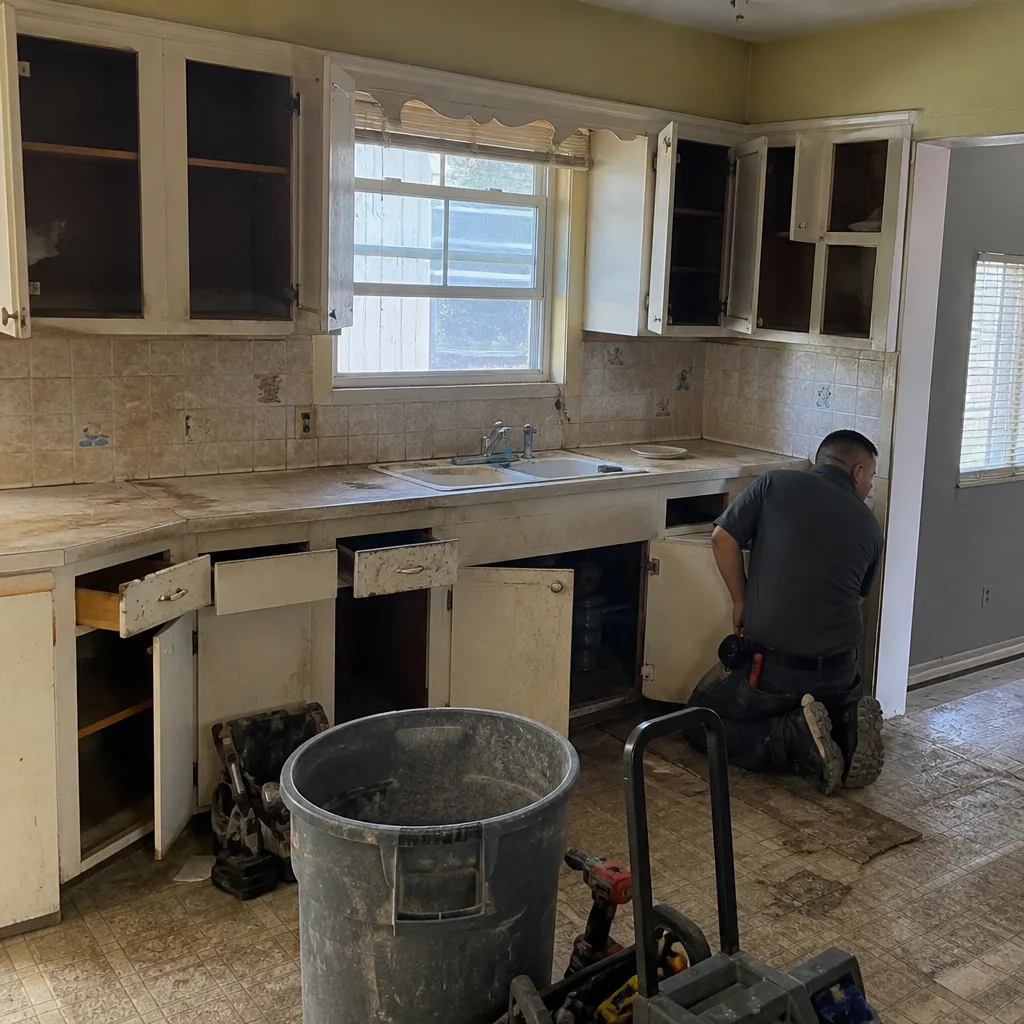 Before
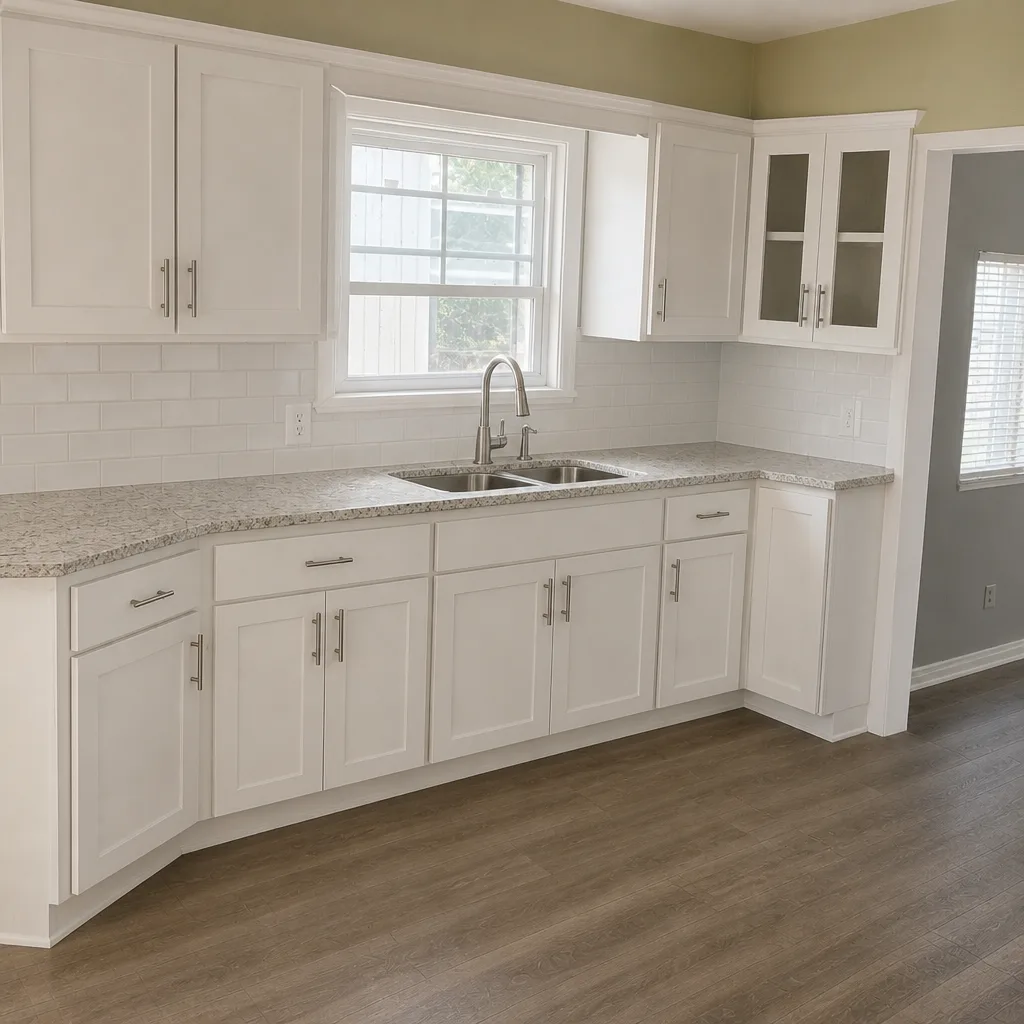 After
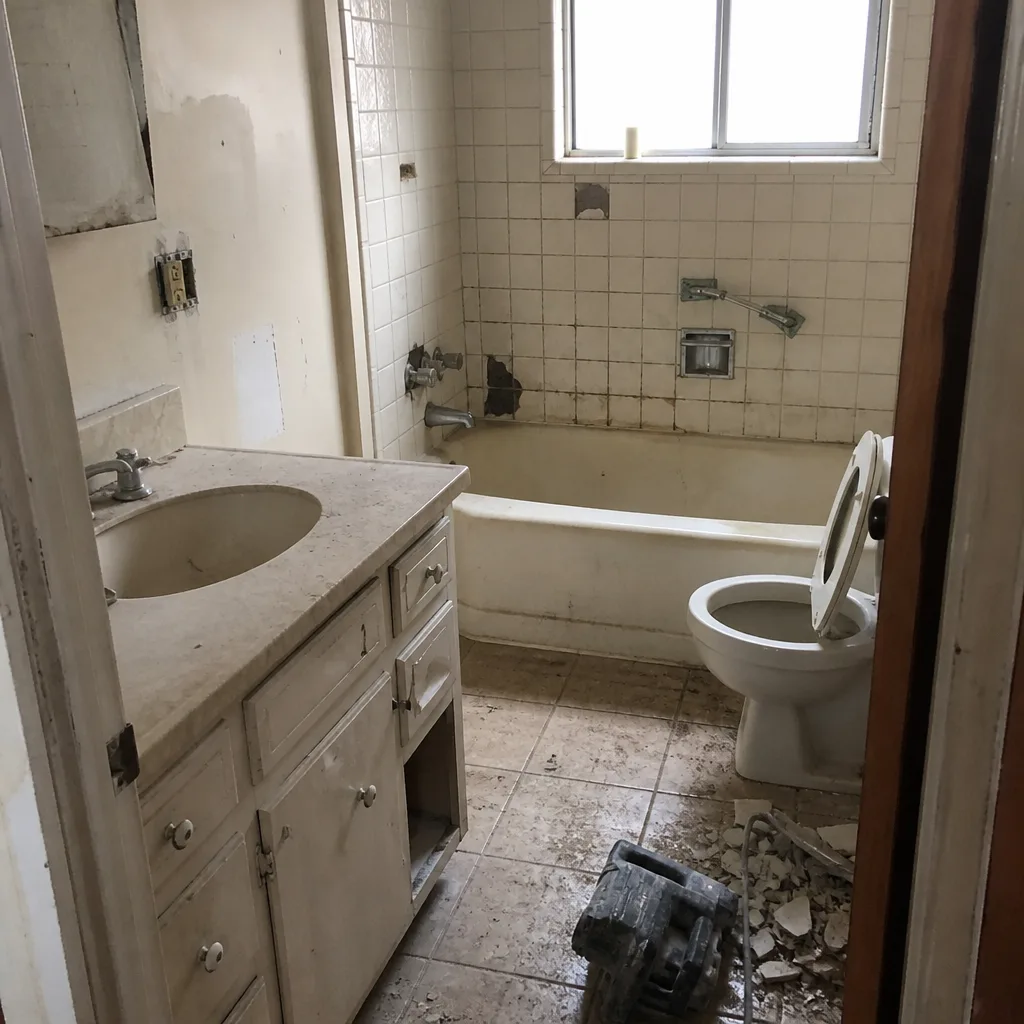 Before
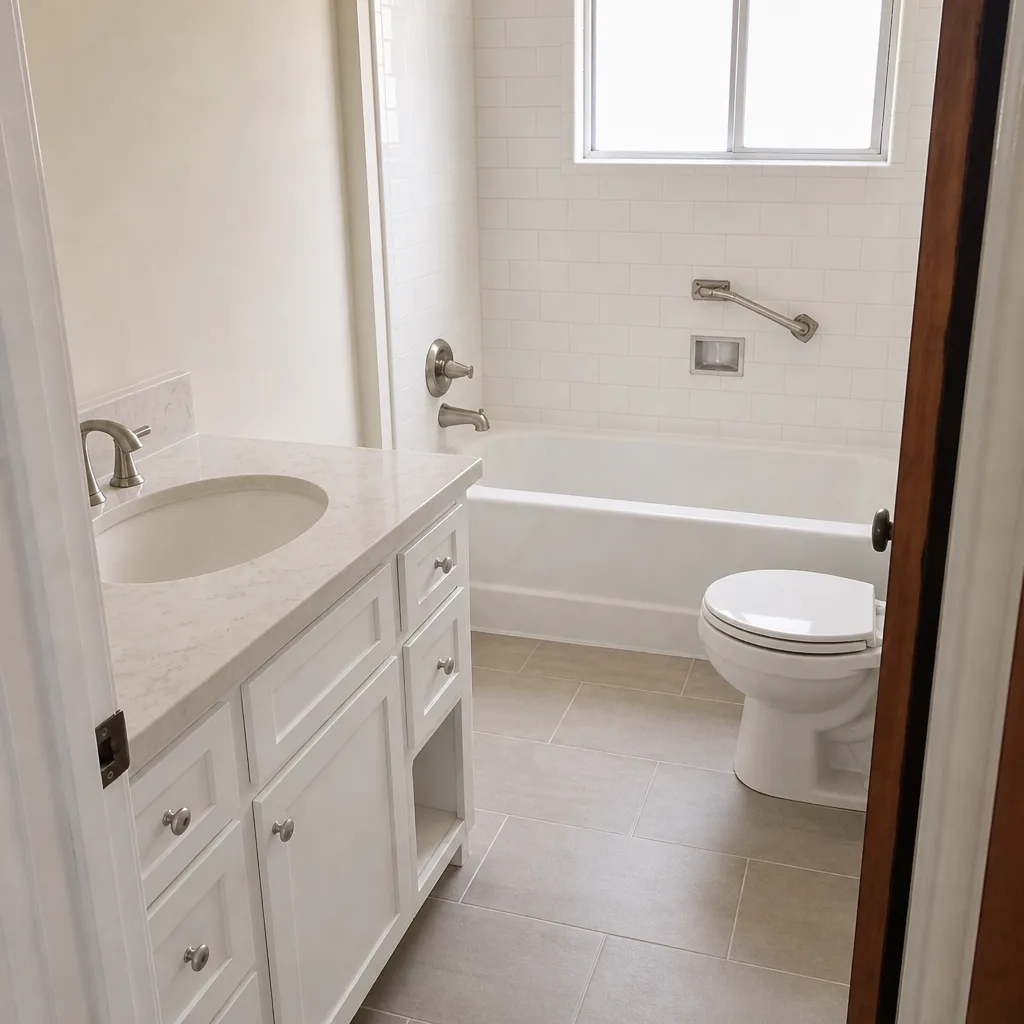 After
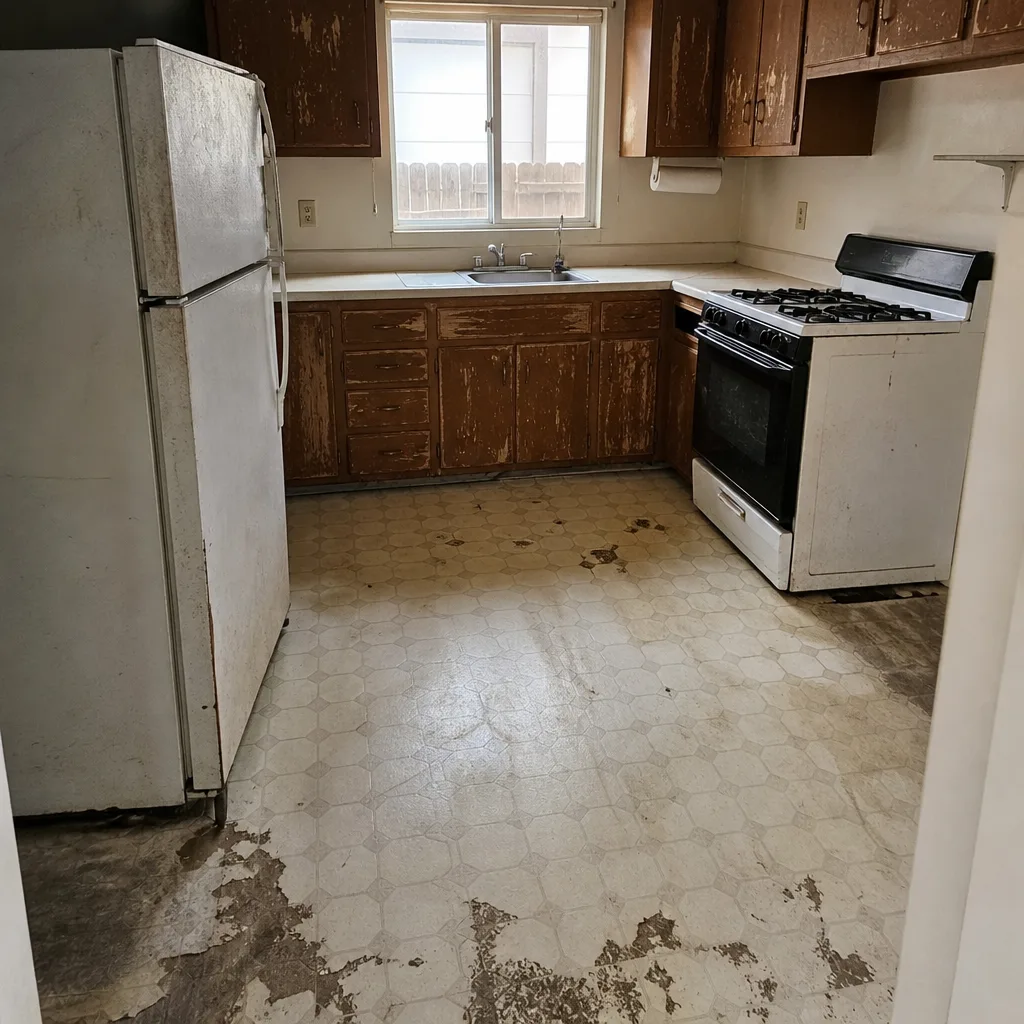 Before
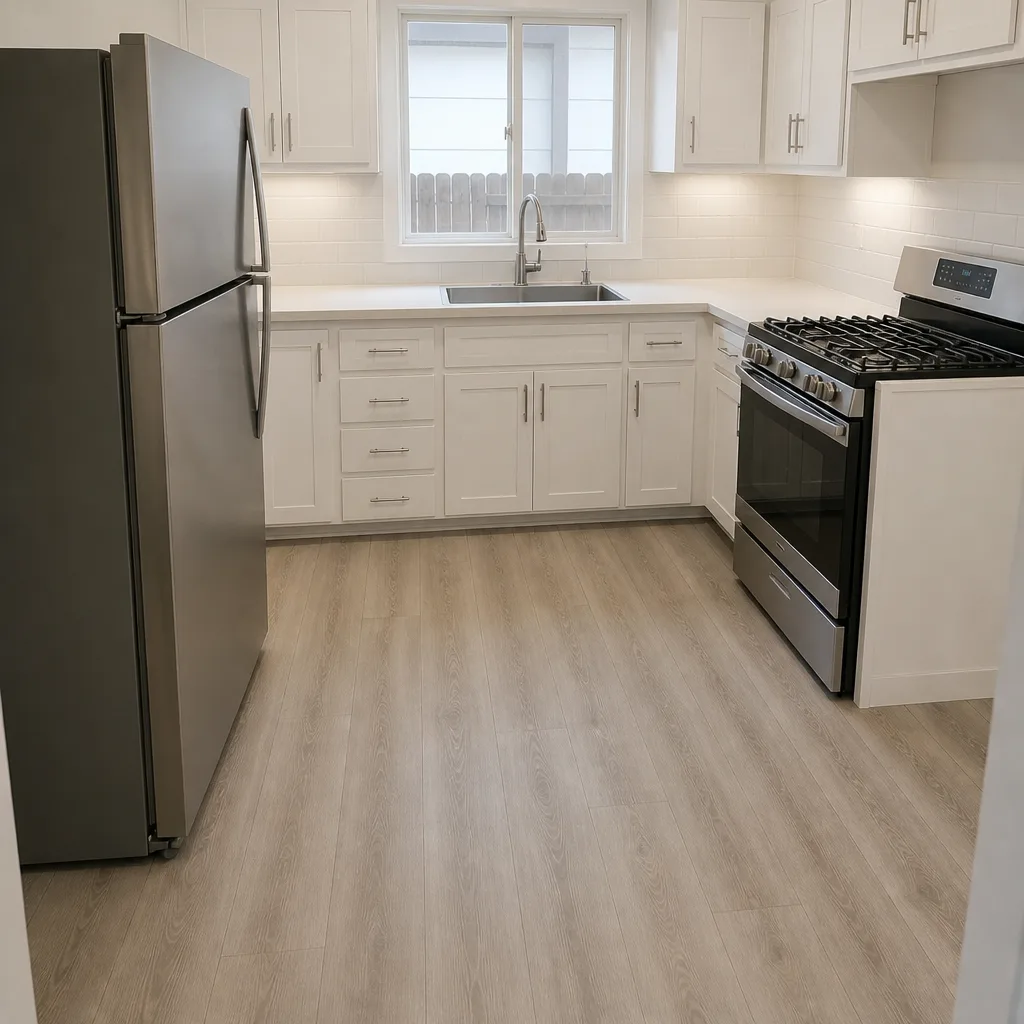 After
When to Call a Professional
Call a professional early – before design, before the permit application – when any of the following is true: you’re financing the ADU through a lender, your lot is on a slope or in the hills, you’re converting your only garage, your electrical panel is near capacity, or your property sits in an unincorporated Sonoma County pocket where the jurisdiction question isn’t obvious. All of those are conditions where a written scope and a written price prevent expensive rework. A licensed professional also carries the insurance and warranty you’ll want the day something goes wrong on a unit you plan to rent for years. Bring any written estimate to us and we’ll review it line by line at no charge – a free second opinion.
Rowan Construction Group Santa Rosa offers free estimates in Santa Rosa – call (833) 842-1866.
Frequently Asked Questions
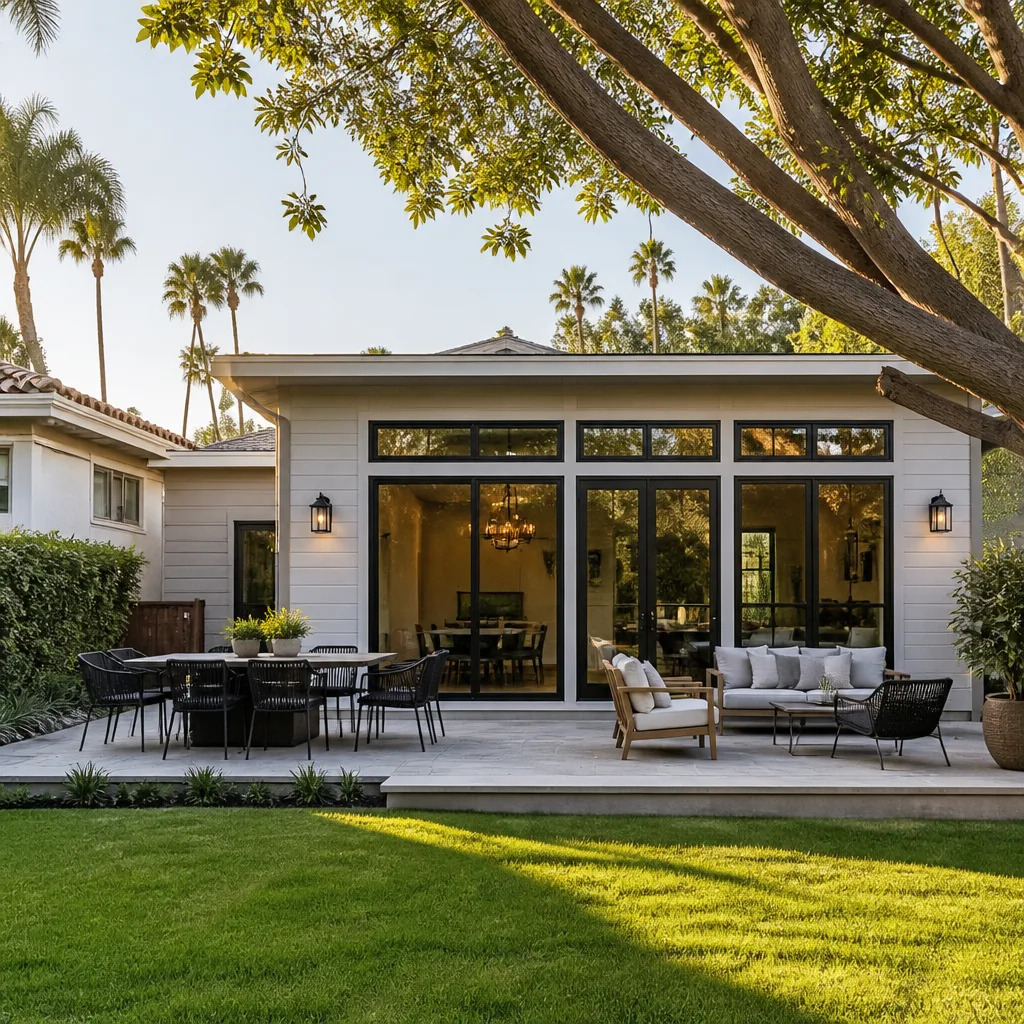
A detached ADU in Santa Rosa typically costs $180,000 to $350,000 all-in, while a garage conversion runs $95,000 to $160,000 and a JADU $50,000 to $90,000. The range is wide because the utility connection fee alone can run $15,000 to $30,000 and varies by address. Call (833) 842-1866 for an exact quote – estimates are free.
Up to 1,200 square feet on most single-family lots inside Santa Rosa city limits, subject to setback, height, and lot coverage rules. A JADU is capped at 500 square feet and must fit within the existing house envelope. Unincorporated Sonoma County parcels follow a separate rule set with different coverage calculations – confirm your jurisdiction before you design.
Yes, legally – California allows owner-builder permits. But if a lender is financing the ADU, the bank will almost universally require a licensed contractor of record in the permit. If you’re paying cash and hold the right skills, owner-builder is available. If you’re financing, plan for a licensed contractor.
A garage conversion or a JADU, by a wide margin, because both skip new foundation and utility trenching. A detached ADU requires site work, foundation, and full utility coordination on top of the shell. The permit office reviews the paperwork for a conversion far faster than new construction, and the site-work phases are what take longest anyway.
Yes. We pull the permit from the correct jurisdiction – City of Santa Rosa or Sonoma County – and coordinate the inspections with your financing draw schedule. The permit sequence is written into the contract so you know which inspections trigger which draws. Under the Haven Standard, a written price is delivered before any work starts.
No change proceeds until a change order is signed. That single discipline is why our projects finish within a few percent of the agreed price across 4,000-plus jobs. Allowances are written into the contract up front with a defined process for selections that exceed them. Call (833) 842-1866 for a free estimate – we’ll walk you through the allowance schedule.
The Bottom Line
Santa Rosa ADU projects succeed or fail on the details competitors skip: confirming your jurisdiction before you design, getting the written utility connection number from Santa Rosa Water up front, and knowing whether your financing permits an owner-builder. A detached ADU runs $180,000 to $350,000; a garage conversion or JADU comes in far lower and moves faster through the permit office. Get the price in writing before anyone picks up a tool – that means a flat written price, a written scope, a written warranty, and a signed change order for every change. Bring a competitor’s estimate and we’ll review it line by line at no charge, or call us to start your free estimate. Call (833) 842-1866.
Written by the team at Rowan Construction Group Santa Rosa.