Last updated November 17, 2026
Free written scope consultation - allowances, timeline, and change-order rules on paper before a single trade is scheduled
The Complete Fence Installation Guide for Santa Rosa Homeowners
Most fence failures in Santa Rosa don’t happen at the fence line. They happen at the permit counter, on the property line, and inside the fire code. Santa Rosa sits almost entirely within Sonoma County’s High and Very High Fire Hazard Severity Zones, which means a wood fence within five feet of a structure needs fire-resistive treatment that most lumber yards don’t stock by default. Add city setback limits by fence height, neighbor notification rules for shared lines, and HOA covenants in the newer subdivisions, and you have three layers of rules to clear before a single post goes in the ground. This guide works through all three, then gets to the posts, the soil math, and the per-foot costs.
Quick Answer
Fence installation in Santa Rosa typically runs $28 to $130 per linear foot installed, depending on material, and most residential projects fall between $38 and $75 per foot for cedar or composite. Before any work starts, you’ll want to confirm three things: the height limit for your yard location (3.5 feet in the front setback, 6 feet on side and rear), the fire-hazard material treatment if your property falls in a designated zone, and the legal status of the property line you’re building on. A written price with a documented scope should come before anyone digs.
Styles & brands we work with
- Kitchen remodeling
- Bathroom remodeling
- Home additions & ADU
- Roofing
- Windows & doors
- Driveway & pavers
- Fence
Table of Contents
- The Three Layers of Fence Rules in Santa Rosa
- Santa Rosa Setback Rules by Fence Height
- Fire-Hazard Material Rules for Sonoma County Fences
- Post Hole Depth Math for Sonoma County Soil
- Material Cost Comparison Per Linear Foot
- Survey and Property Line Documentation
- Common Mistakes to Avoid
- When to Call a Professional
The Three Layers of Fence Rules in Santa Rosa
A fence in Santa Rosa answers to three separate rulebooks, and violating any one of them can require removal at the homeowner’s expense. The city enforces zoning setbacks. Sonoma County and CAL FIRE enforce fire-hazard material guidance in designated zones. And any recorded HOA covenant adds a private layer of architectural review on top of both.
Here’s how they stack:
- City of Santa Rosa zoning ordinance: Controls fence height by yard location, setback from the property line, and in some cases visibility at street corners.
- Sonoma County fire-hazard zone rules: Govern materials and clearance when a fence falls within the defensible space zone around a structure. This applies across most of Santa Rosa, including the eastern hills, Bennett Valley, and the wildland interface near Annadel.
- HOA covenants: Common in newer subdivisions and planned communities, often stricter than the city on material, color, and height, and always requiring design review before construction.
The order matters. Check the city first because it governs whether you can build at all. Then check fire-hazard status because it governs what the fence is made of. Then check HOA because it may override the city on aesthetics and require an approval letter you need in hand before the crew arrives. In our experience, the Santa Rosa projects that run into trouble are the ones that cleared one layer and assumed the other two didn’t apply.
Santa Rosa Setback Rules by Fence Height
Santa Rosa’s fence height limits are tied to where the fence sits relative to the front, side, and rear property lines. The rules are straightforward once you know which zone you’re building in, but the front-yard limit catches people off guard.
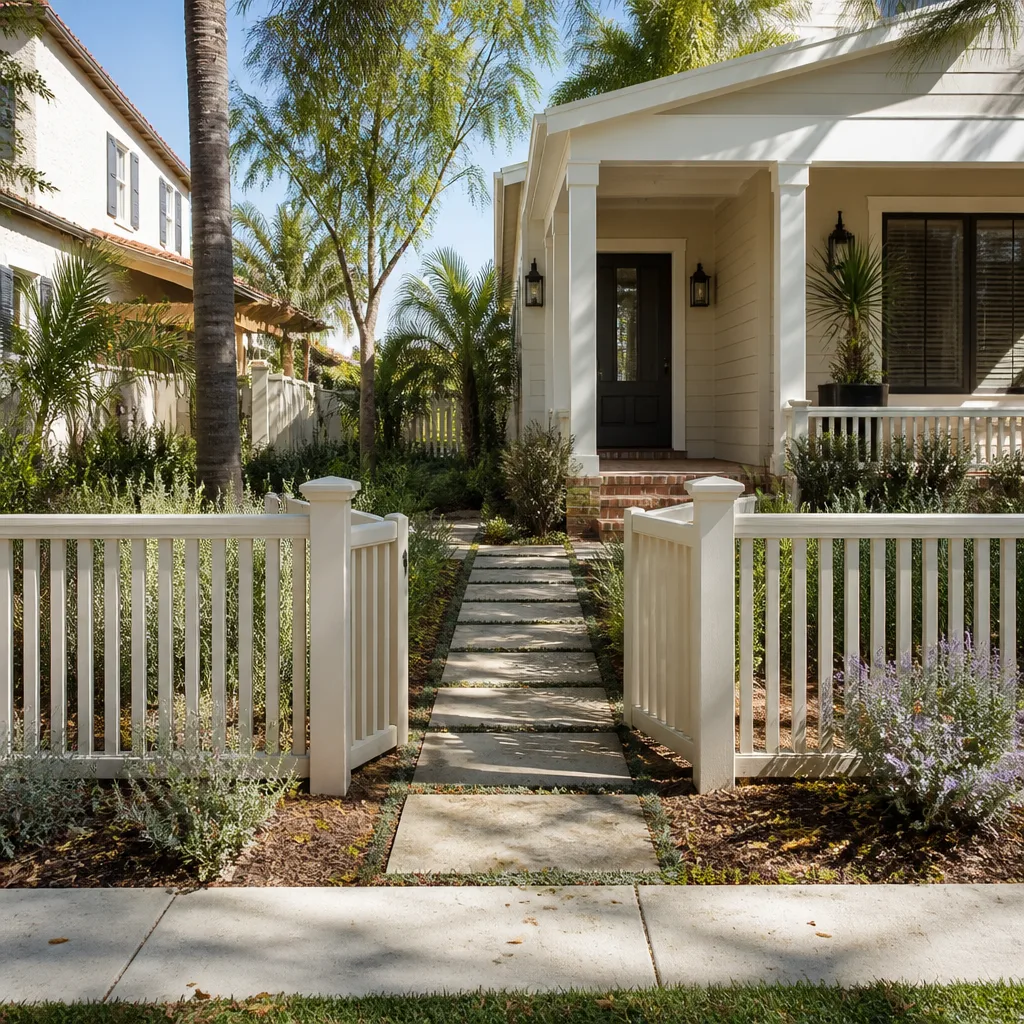
- Front yard setback: Maximum 3.5 feet for a fence or wall. This keeps sight lines open for pedestrians and vehicles, particularly on the corners of older Santa Rosa neighborhoods where lots are shallow.
- Side and rear: Maximum 6 feet. This is where most residential privacy fences land.
- Corner lots: A visibility triangle at driveway and street intersections can further restrict height. Confirm before designing anything taller than 3 feet near a corner.
If you want something taller than 6 feet on a side or rear line, the path is usually a variance or a conditional use permit through the city, which takes time and adds cost. Most homeowners we work with stay within the height limits and get the privacy they want through material choice and board orientation rather than height.
Neighbor Notification for Shared Property Line Fences
A fence on a shared property line, which most side and rear fences are, sits on a boundary both homeowners own. Santa Rosa doesn’t require formal written consent from your neighbor in every case, but the practical reality is that building a fence on a shared line without at least a conversation invites a dispute, and a disputed fence can be ordered removed or relocated. Confirm the line location before you build (see the survey section below), and put any cost-sharing agreement in writing. A signed agreement is cheap; a boundary dispute is not.
Fire-Hazard Material Rules for Sonoma County Fences
Sonoma County’s fire-hazard zones cover nearly all of Santa Rosa, and the material guidance for fences inside those zones is more specific than most homeowners expect. The distinction that matters is between ember-resistant and ignition-resistant materials.
- Ember-resistant: The material resists ignition from wind-driven embers, which is how most structure fires in wildland-urban interface zones start. Metal, aluminum, and masonry are the strongest performers.
- Ignition-resistant: The material resists catching fire from a sustained flame source for a defined period. Composite fencing and Class A fire-rated wood treatments qualify.
- Standard untreated wood: Neither, and this is the problem. Untreated pine or cedar fencing is combustible and can carry fire from vegetation to a structure if placed too close.
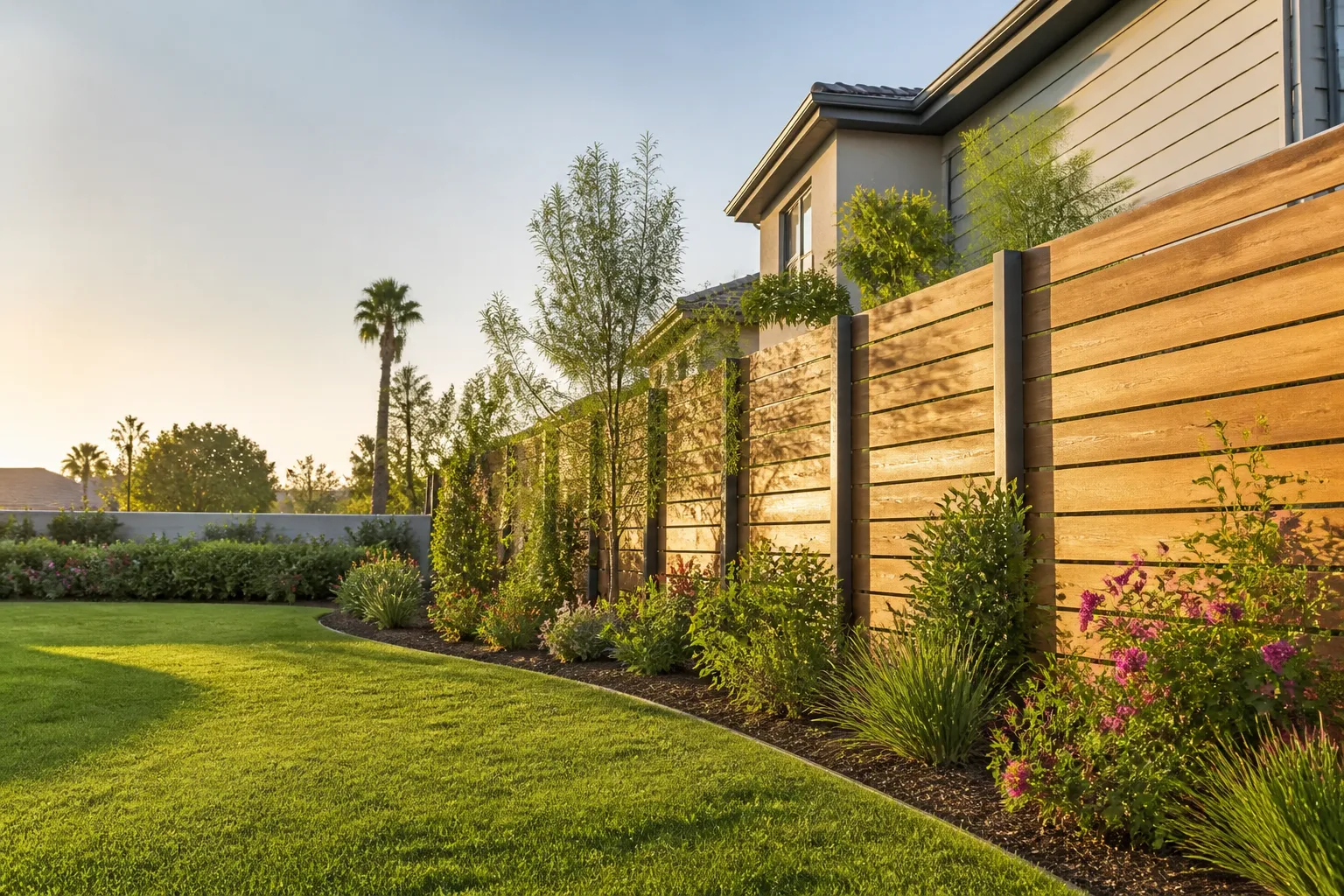
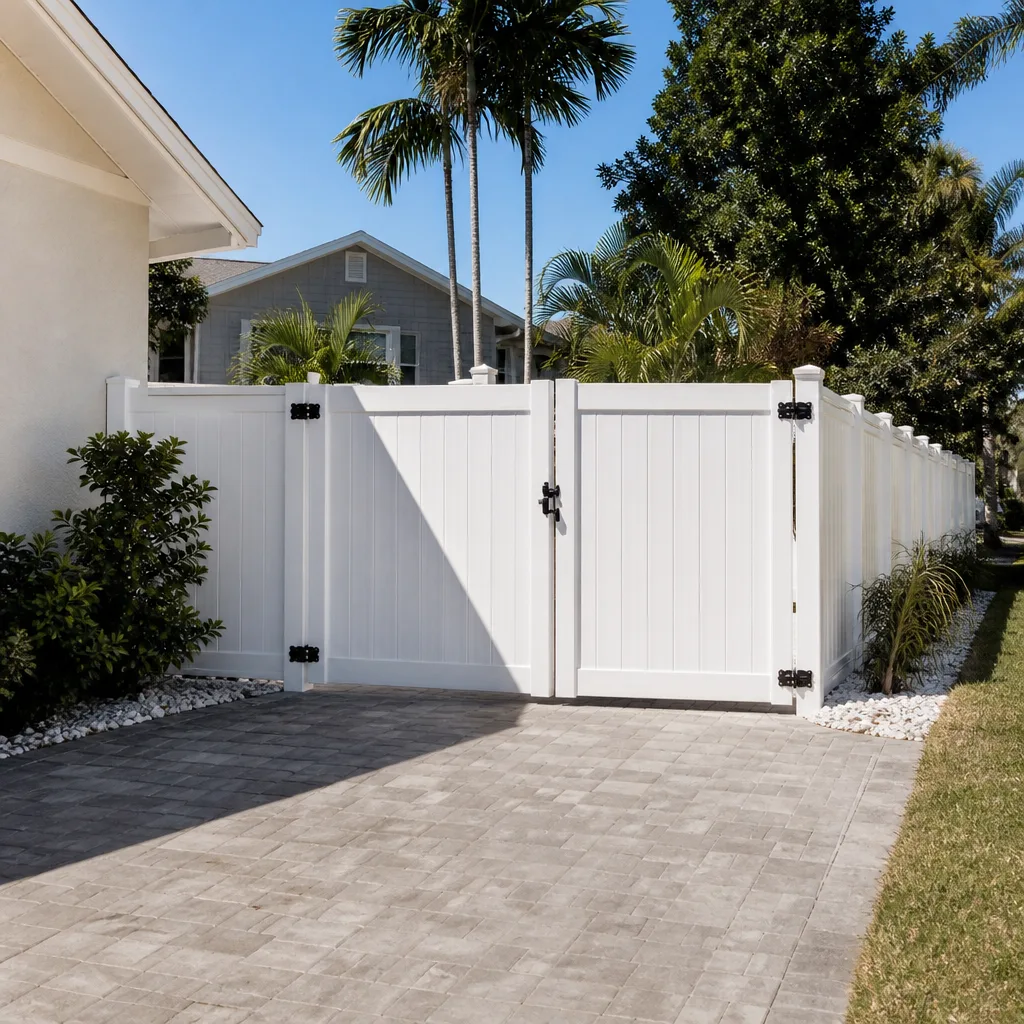
The practical rule many jurisdictions apply in fire-hazard zones is that any fence within 5 feet of a structure should be ember-resistant or ignition-resistant, and should not connect the fence line directly to the building envelope without a break. In the Santa Rosa hills and along the wildland interface near Annadel and Bennett Valley, we regularly see older untreated wood fences that predate these rules and would not pass today’s standard. If your fence is going in this year, the right move is to choose a material that meets ignition-resistant as a floor: composite (Trex Seclusions or equivalent), aluminum, Class A fire-treated wood, or masonry. It costs more upfront but it aligns with the code and, more practically, it removes a fuel path around the house.
The full treatment of fire-resistive materials and defensible space lives in the roofing and hardscape pages too, and if your project involves a larger site plan, our Rowan Construction Group Santa Rosa home page collects the related guides. When a fence project rolls into a larger rebuild or addition, our Home Additions & ADU in Santa Rosa page covers how fire zone requirements shift for structures.
Post Hole Depth Math for Sonoma County Soil
Frost depth in Santa Rosa is negligible: we don’t have a real freeze line to dig below, which means post depth here is governed by soil and wind load, not frost heave. That’s usually good news, but Santa Rosa’s clay soils introduce their own requirement: minimum one-third of the post length in the ground plus a concrete collar.
Here’s the math for the two most common residential fence heights:
- 6-foot fence: Post length 10 feet, buried 3.3 feet (40 inches), with a 10- to 12-inch diameter concrete collar. Above-grade post height 6.5 to 7 feet.
- 8-foot fence: Post length 12 feet, buried 4 feet (48 inches), with a 12-inch diameter concrete collar. Above-grade post height 8 feet.
- Post spacing: 6 to 8 feet on center for both heights, with 8 feet on center more common in lighter materials and 6 feet on center preferred in composite where wind load matters.
- Clay soil note: Sonoma County clay holds moisture, which expands and shrinks with the seasons and can heave a shallow post over a few winters. The one-third-plus-collar rule is the insurance against that.
Step-by-Step: What a Proper Post Set Looks Like
- Confirm the property line location and pull any required permits.
- Mark post locations on 6- or 8-foot centers, checking spacing at both ends before digging.
- Dig holes to the depth the table above calls for, plus 6 inches for gravel drainage at the bottom.
- Set the post plumb, brace it, and fill with concrete to the diameter specified.
- Let the concrete cure a full 24 to 48 hours before hanging panels or stringers.
- Document the depth and set with photos before backfill: the photo record is standard on every Rowan visit, not an add-on.
This is where careful work shows up years later. A fence that looks right on day one but was set shallow in clay will lean within three or four Santa Rosa winters. If you’re comparing contractors, ask what depth they’ll set posts in your soil. The answer tells you what kind of build you’re getting.
Material Cost Comparison Per Linear Foot
The numbers below are installed cost per linear foot in Santa Rosa, including posts, concrete, labor, and cleanup. Material choice is the biggest cost lever in a fence project, and the spread is wide.
| Material | Installed cost per linear foot | Typical lifespan | Fire-hazard notes |
|---|---|---|---|
| Pressure-treated pine | $28 – $38 | 12 – 18 years | Combustible; Class A treatment available as upgrade |
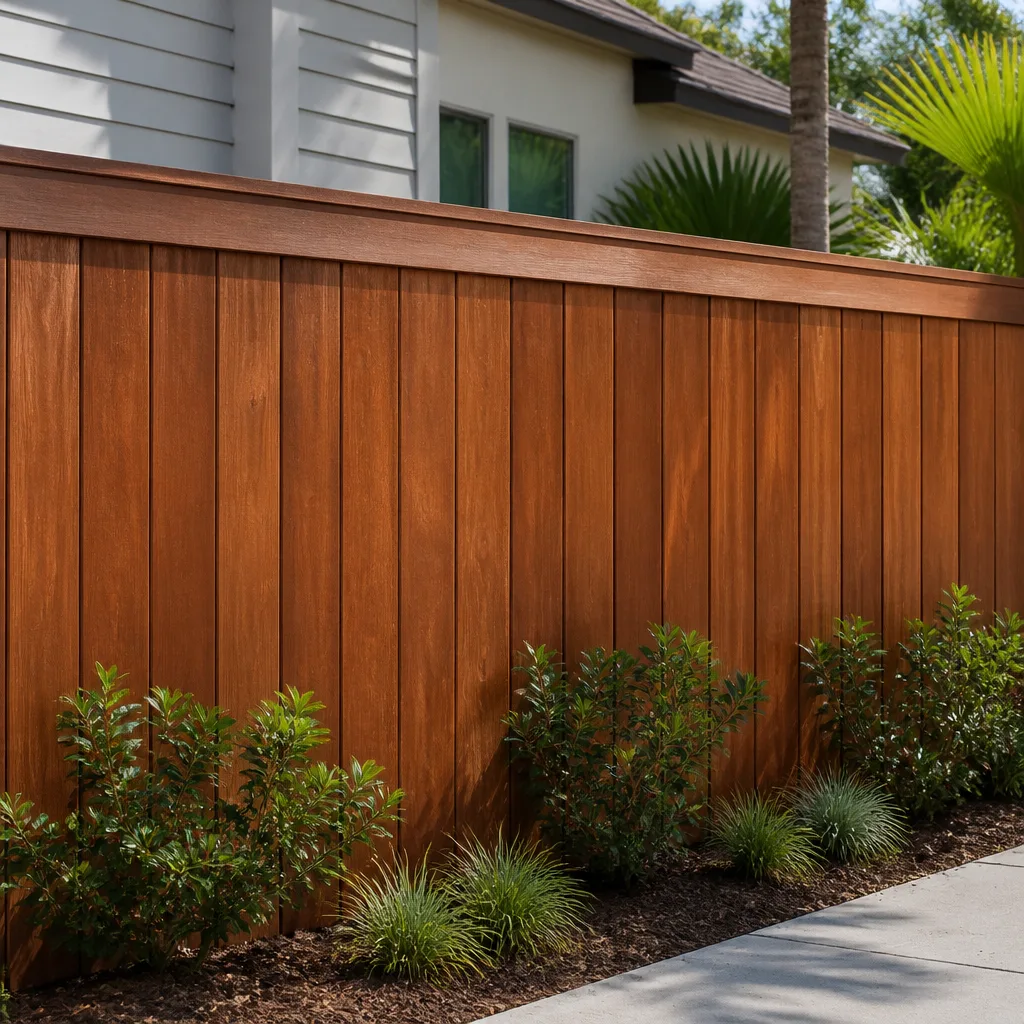
| Cedar | $38 – $52 | 15 – 20 years | Combustible; appearance-grade option |
| Composite (Trex Seclusions or equivalent) | $55 – $75 | 25 – 30 years | Ignition-resistant; best balance for fire zones |
| Aluminum | $65 – $90 | 25 – 30 years | Ember-resistant; strong choice in fire zones |
| Wrought iron | $95 – $130 | 40+ years | Ember-resistant and non-combustible |
For a standard 150-foot residential line, that puts pressure-treated pine at roughly $4,200 to $5,700, cedar at $5,700 to $7,800, and composite at $8,250 to $11,250. Aluminum lands around $9,750 to $13,500 and wrought iron higher. The cheapest number on the table is not automatically the best value in a fire zone: the composite line costs more but removes a fuel path and lasts a decade longer.
When we quote these projects, the price is flat, the scope is written, and no change goes forward without a signed change order. That’s the same discipline our team applies across our seven trades, and it’s why projects land within a few percent of the number the customer agreed to. Our Fence Installation in Santa Rosa page has more on the brands we source and the build process, and the related hardscape work is covered in Driveway & Pavers in Santa Rosa.
Survey and Property Line Documentation
Before a single post is set, you need to know exactly where the property line runs. A fence built 6 inches onto a neighbor’s property is a legal problem, and it’s one of the most common sources of disputes we see in Santa Rosa. A plot map, sometimes called a site plan, shows the recorded lines but was drawn from historic records and doesn’t reflect physical markers. A survey stake set by a licensed surveyor reflects where the line physically runs today.
- Plot map: Free or low cost, available from the county recorder, and fine for rough planning. Not legally sufficient to settle a disputed line.
- Property corner markers: Metal pins or stakes set by the original survey. If present and undamaged, they may be legally sufficient, but they degrade and disappear over the years.
- Licensed surveyor: Required when markers are missing, when a neighbor disputes the line, or when the fence is on a shared boundary with substantial cost attached. Expect $600 to $1,200 for a typical residential lot survey in Santa Rosa.
The math is simple. A survey costs less than relocating a fence. If there’s any doubt about where the line runs, spend the money before the post hole.
Common Mistakes to Avoid
- Building to 6 feet in the front setback. The front-yard limit is 3.5 feet. A 6-foot front fence is an enforcement action waiting to happen and can be ordered removed at your cost.
- Skipping the fire-zone material check. Standard untreated wood in a fire-hazard zone within 5 feet of a structure is a code problem. Choose ember-resistant or ignition-resistant as the floor, not the upgrade.
- Not checking HOA covenants before design. An HOA can require an approval letter, a specific material, or a specific color before construction. Clearing the city but not the HOA leaves you with an approved fence the HOA can still reject.
- Setting posts shallow in Sonoma County clay. Frost isn’t the issue here; seasonal soil movement is. The one-third-plus-collar rule prevents the lean that shows up three winters in.
- Building on a disputed line. A handshake is not a boundary. Confirm the line, ideally with a surveyor if markers are uncertain, and put cost-sharing in writing.
- Choosing the cheapest material without weighing lifespan. Pressure-treated pine is half the cost of composite but lasts roughly half as long, and it’s combustible in a fire zone. Compare cost per year, not cost per foot.
- Skipping the photo record. Post depth and set are hidden once the panels go on. Document the build before backfill, or you won’t be able to prove what’s underground.
When to Call a Professional
Some fence projects are manageable as weekend work: a short run on flat ground, clearly within the setback, in a yard outside the stricter fire-hazard material requirements. Others are not. Bring in a licensed and insured contractor when the project crosses into fire-hazard material rules, when the property line is uncertain, when a variance or HOA approval is involved, when posts need to go deep in clay, or when the fence is part of a larger site plan that includes hardscape, an addition, or an ADU. The failure modes on those projects are expensive and, in the case of a fire-zone fence, potentially dangerous. A professional sets the line and the material right the first time, and documents the work.
Rowan Construction Group Santa Rosa offers free estimates in Santa Rosa. We bring a written price, a written scope, and a documented photo record as standard. Call (833) 842-1866 to schedule yours.
See the difference
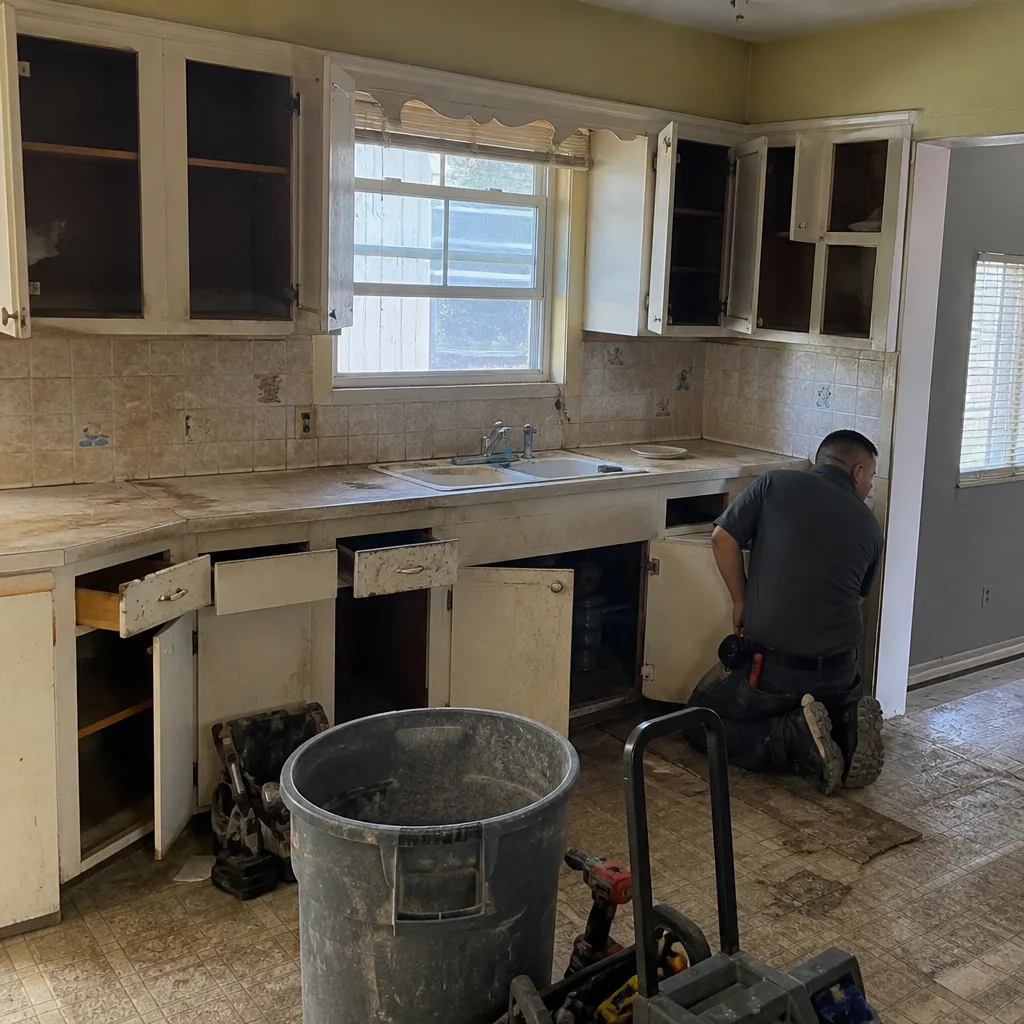 Before
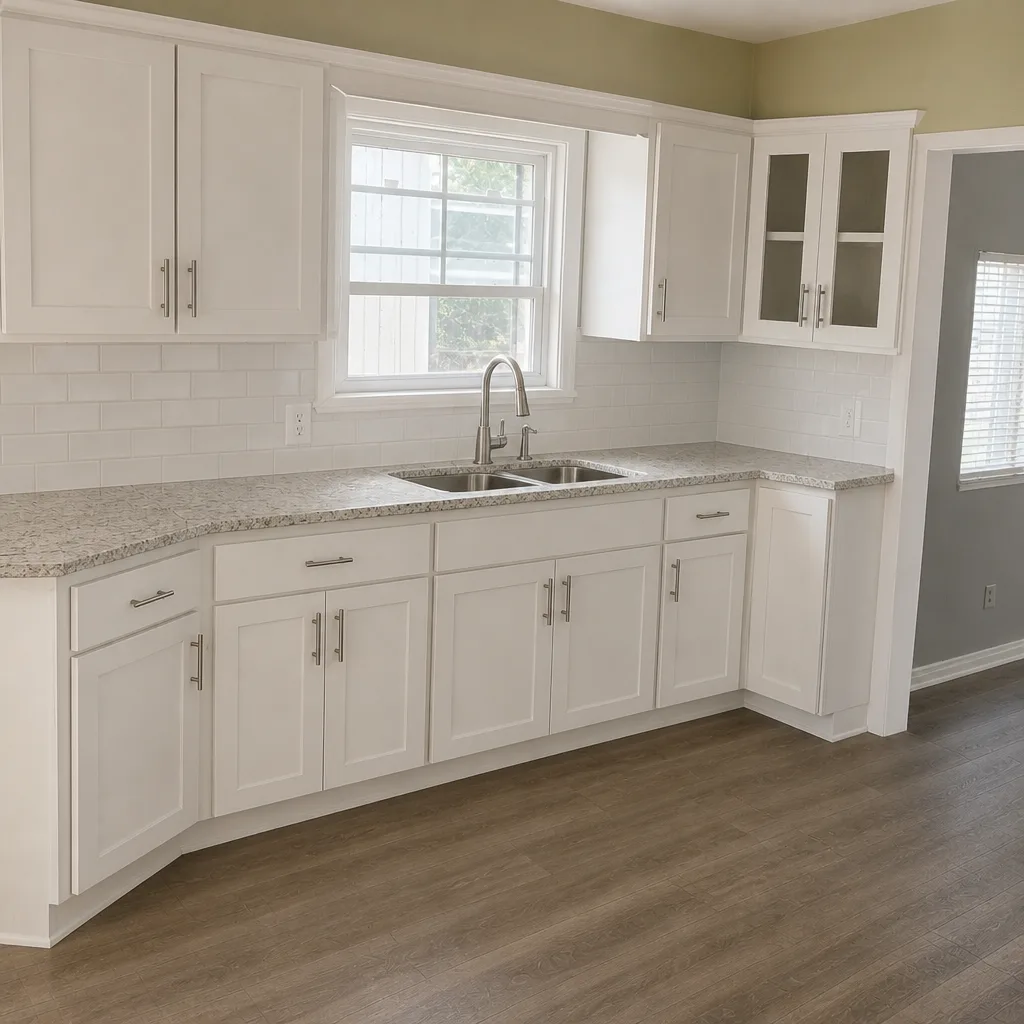 After
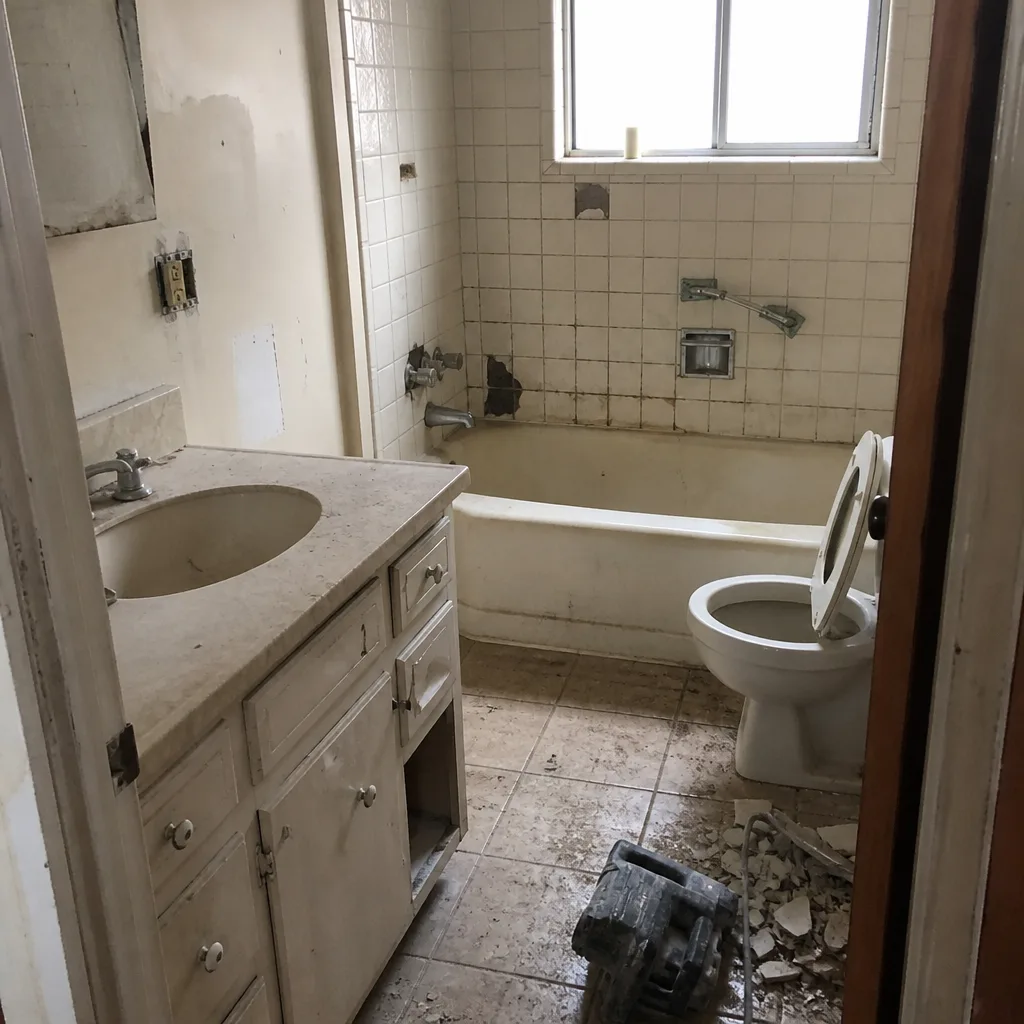 Before
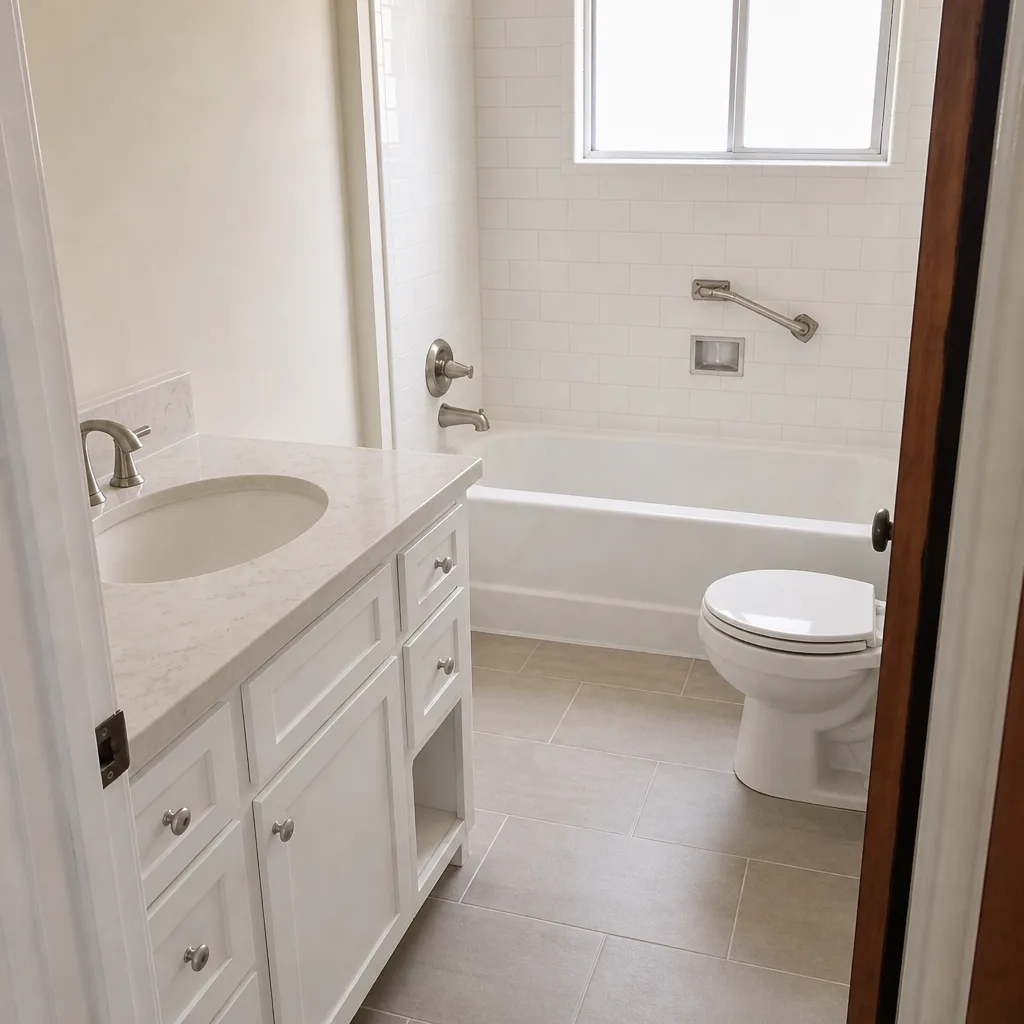 After
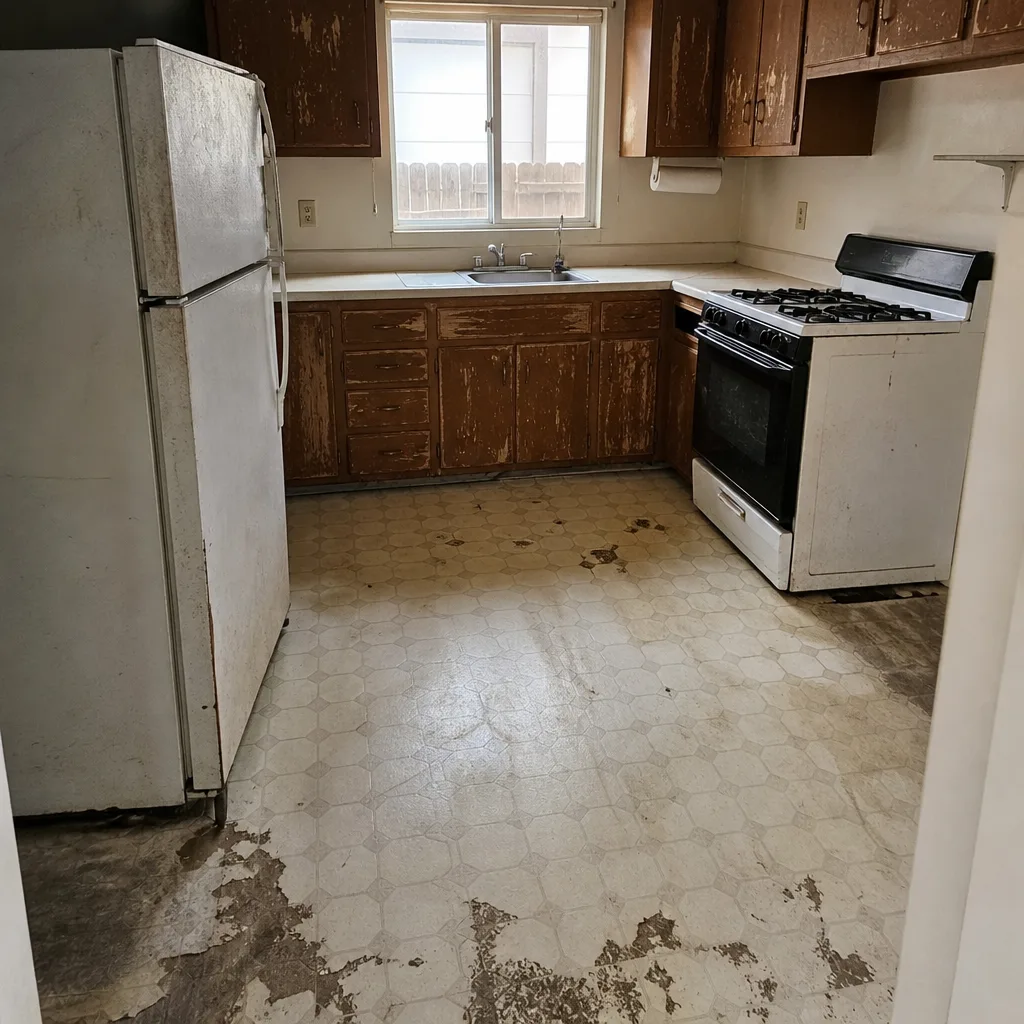 Before
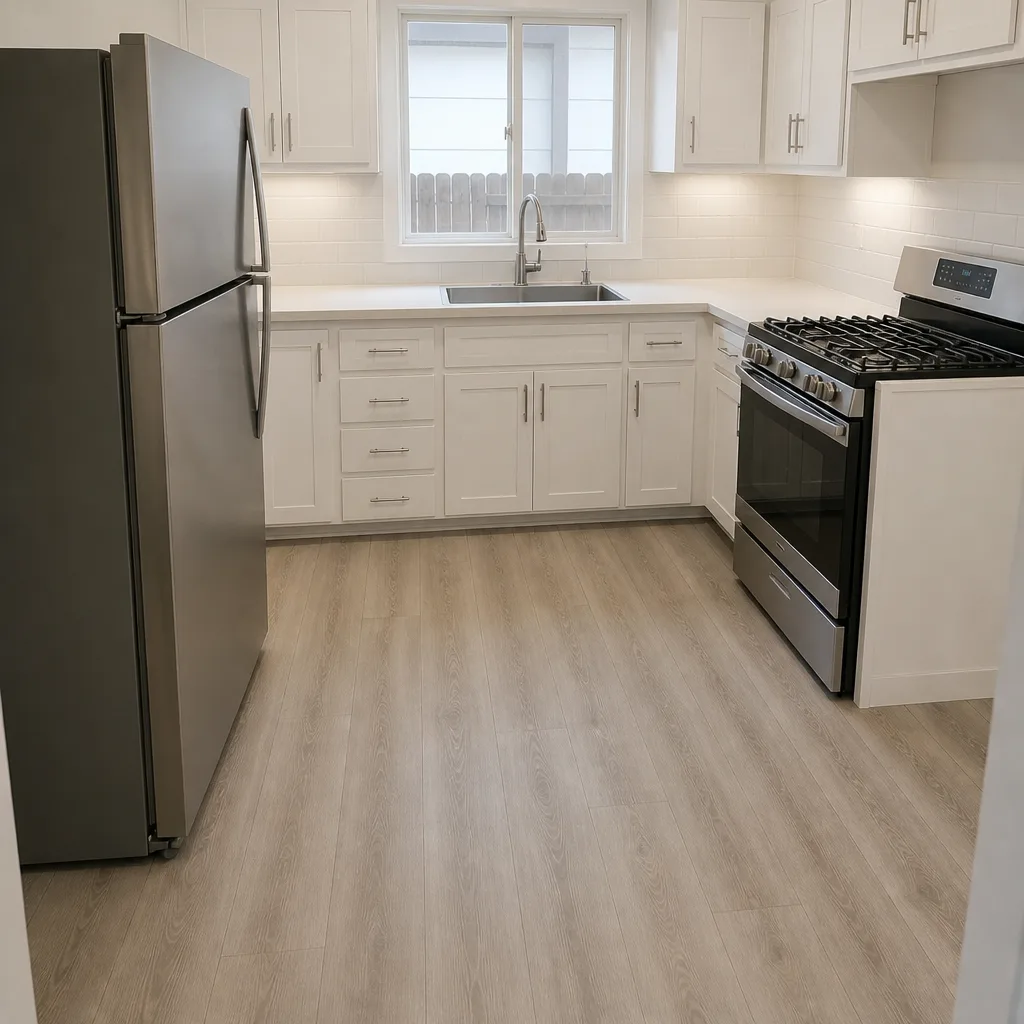 After
Frequently Asked Questions
Fence installation in Santa Rosa typically runs $28 to $130 per linear foot installed, depending on material. Pressure-treated pine is $28 – $38, cedar $38 – $52, composite $55 – $75, aluminum $65 – $90, and wrought iron $95 – $130. A 150-foot residential line commonly lands between $4,200 and $11,250. Call (833) 842-1866 for an exact quote: estimates are free.
Santa Rosa allows a maximum of 3.5 feet in the front yard setback and 6 feet on side and rear property lines. Corner lots may face additional visibility restrictions near driveways and intersections. Anything taller needs a variance through the city, which is slower and more costly than staying within the limit.
If your property falls within a Sonoma County fire-hazard zone, which covers most of Santa Rosa, a wood fence within 5 feet of a structure should be ember-resistant or ignition-resistant. Composite, aluminum, wrought iron, and Class A fire-treated wood meet the standard; plain untreated pine or cedar does not. Confirm your property’s designation before choosing material.
Set posts a minimum of one-third of the post length in the ground, with a concrete collar. For a 6-foot fence, that means a 10-foot post buried 40 inches in a 10- to 12-inch collar. Frost depth is negligible in Santa Rosa; the depth requirement here is about clay soil movement and wind load, not freeze.
Your fence should sit on or inside your own property line, never across it. Santa Rosa doesn’t require formal written consent for every shared-line fence, but confirming the line with a surveyor or existing markers and putting any cost-sharing agreement in writing avoids the most common Santa Rosa fence dispute. A survey runs $600 to $1,200, less than relocating a fence.
Yes. Where permits are required, we pull them and the written scope reflects what’s been approved before work starts. The price is flat, and no change proceeds without a signed change order. Call (833) 842-1866 to talk through your project: free estimates are available.
The Bottom Line
A fence in Santa Rosa is a construction project with three compliance layers: city setback limits, Sonoma County fire-hazard material rules, and HOA covenants. Get all three right before a post goes into clay, and the build itself is straightforward: one-third post depth with a concrete collar, 6- to 8-foot spacing on center, and a material chosen for lifespan rather than the lowest per-foot number. Expect $28 – $130 per linear foot installed, with the wide range reflecting genuine differences in longevity and fire performance. Confirm the property line, choose an ignition-resistant material if you’re in a fire zone, and get the price in writing first. The fence that lasts is the one planned before it was built.
If you’re ready for a written price and a documented build, call Rowan Construction Group Santa Rosa at (833) 842-1866 for a free estimate.
Written by the team at Rowan Construction Group Santa Rosa.