Free written scope consultation - allowances, timeline, and change-order rules on paper before a single trade is scheduled
Styles & brands we work with
- Kitchen remodeling
- Bathroom remodeling
- Home additions & ADU
- Roofing
- Windows & doors
- Driveway & pavers
- Fence
See the difference
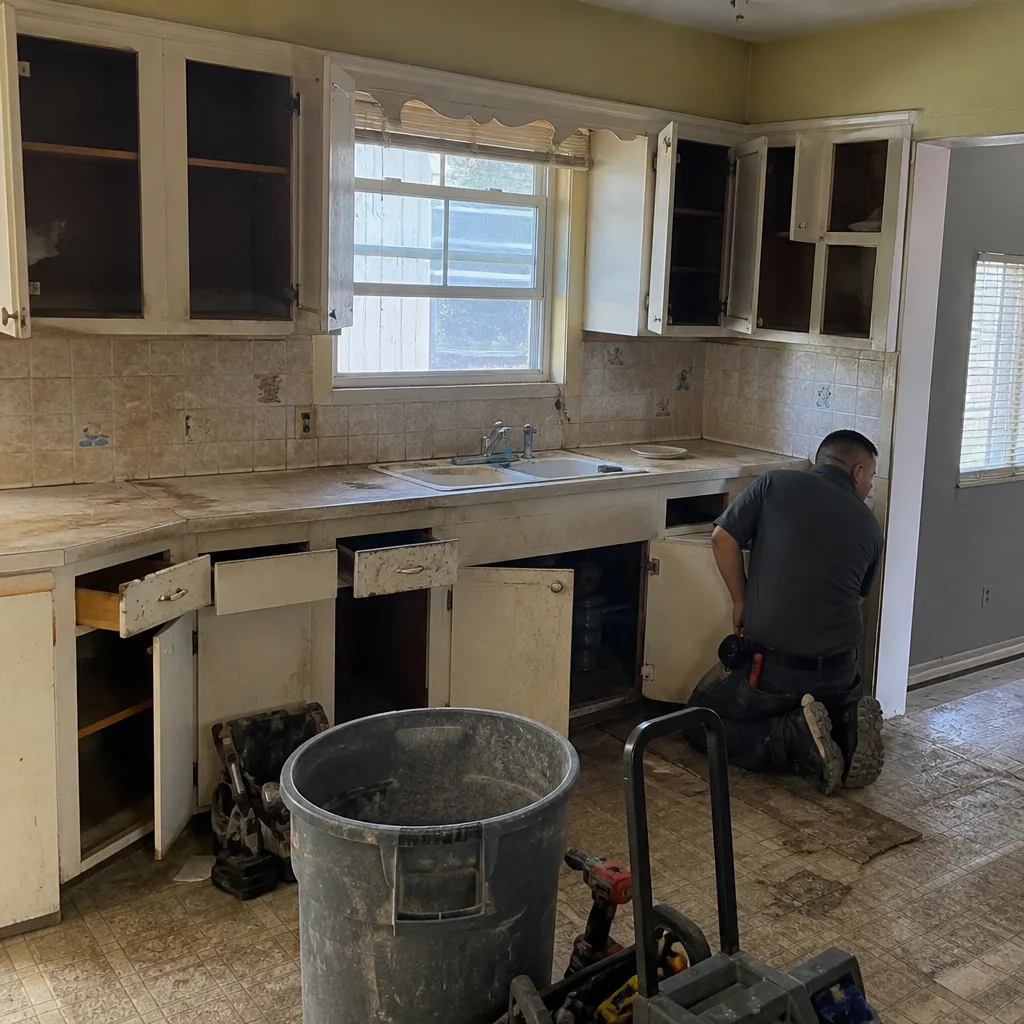 Before
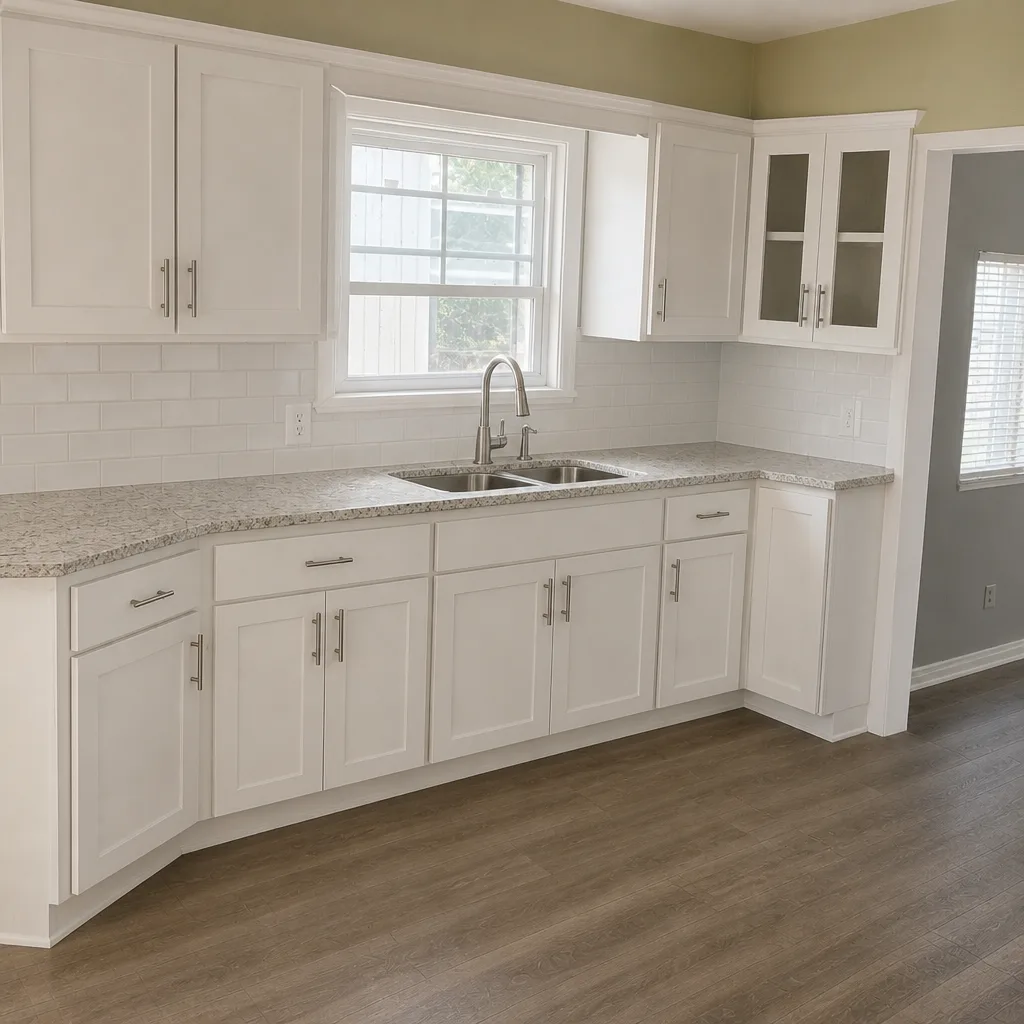 After
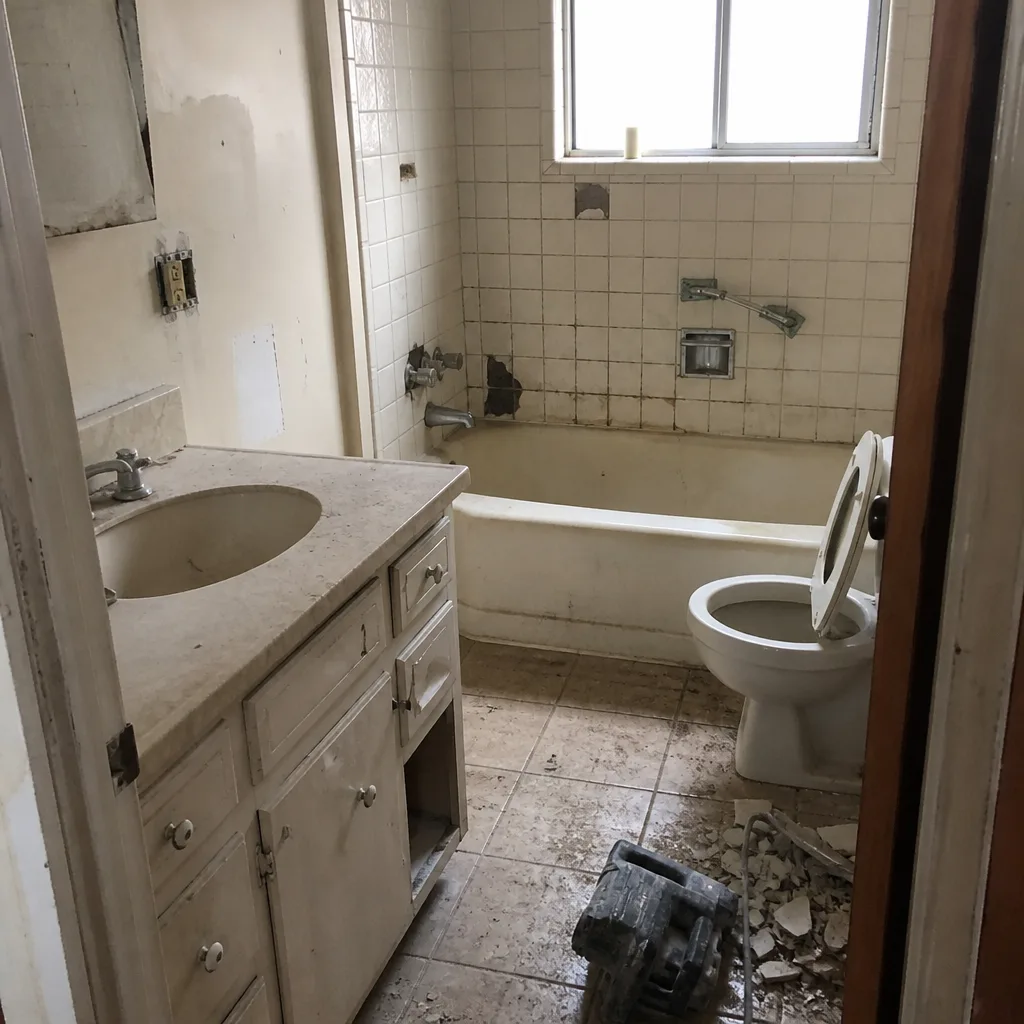 Before
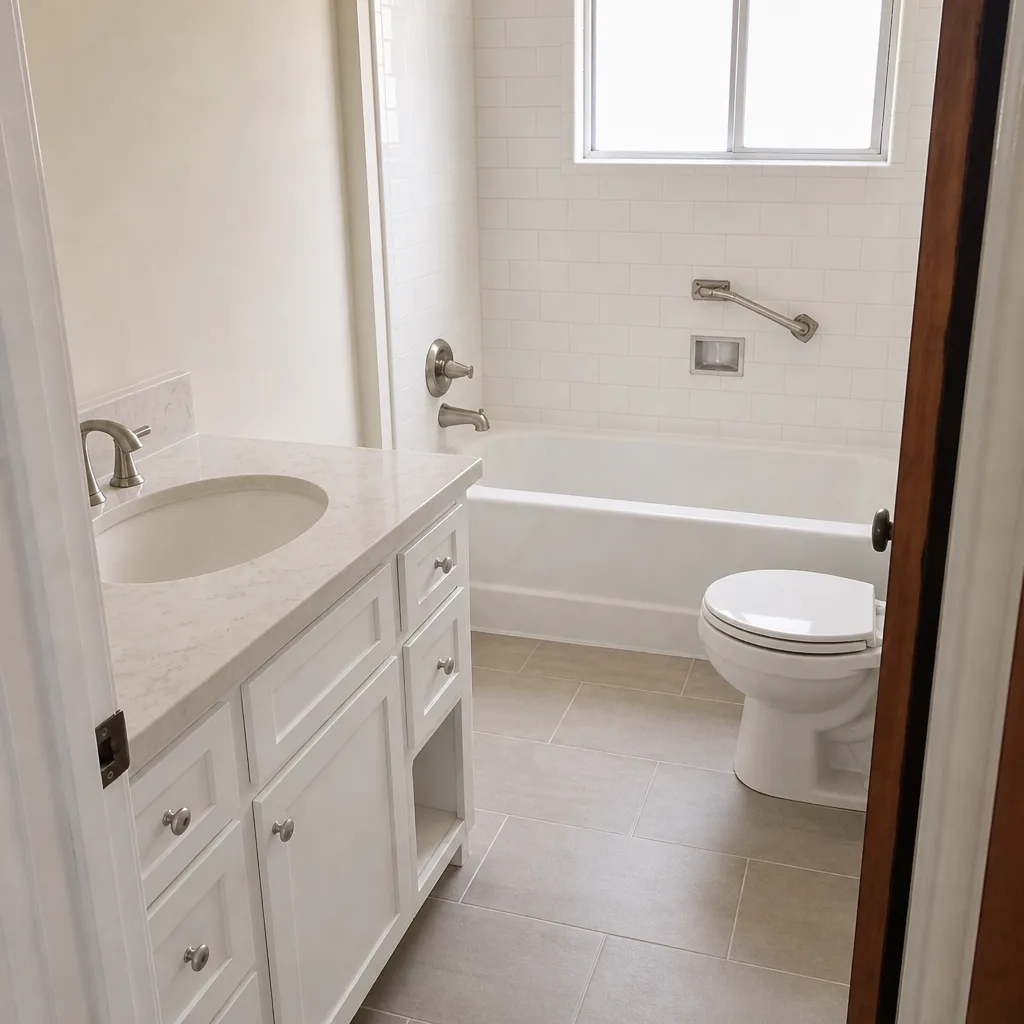 After
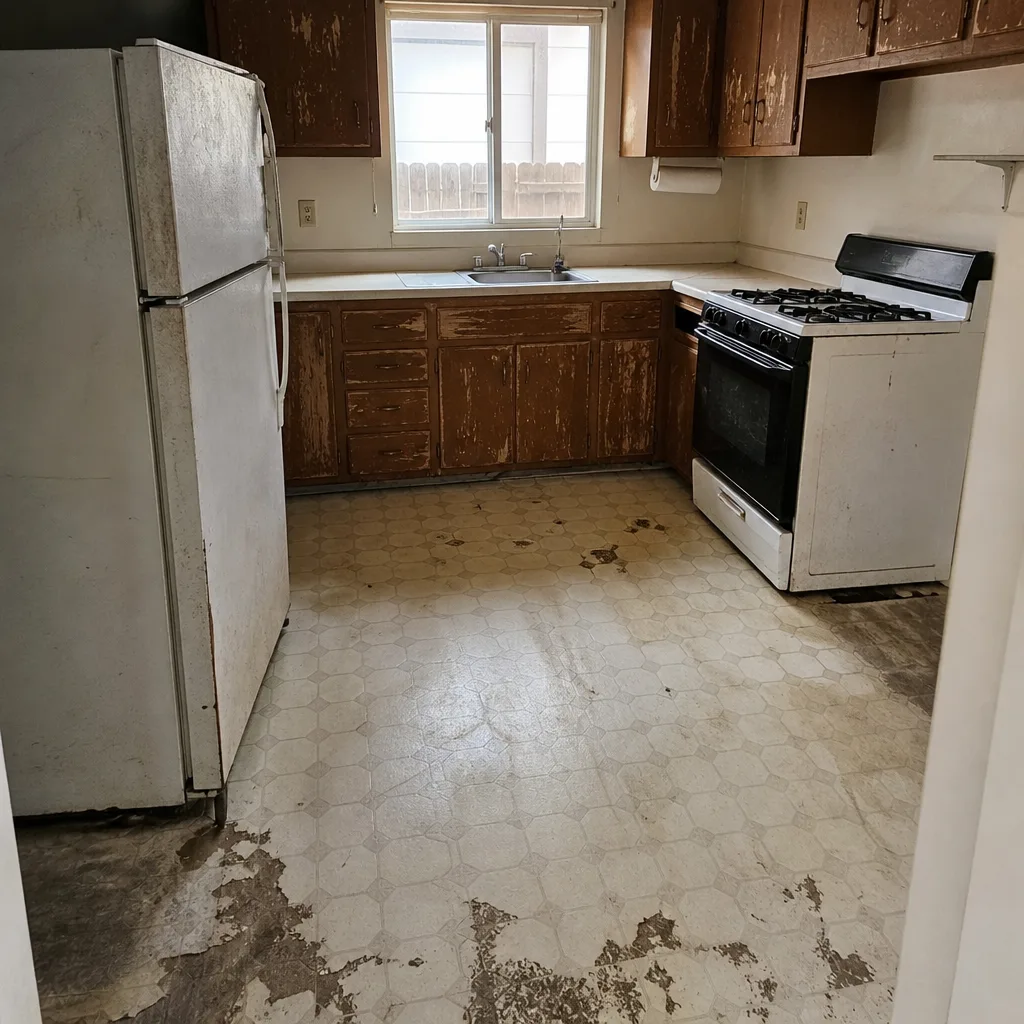 Before
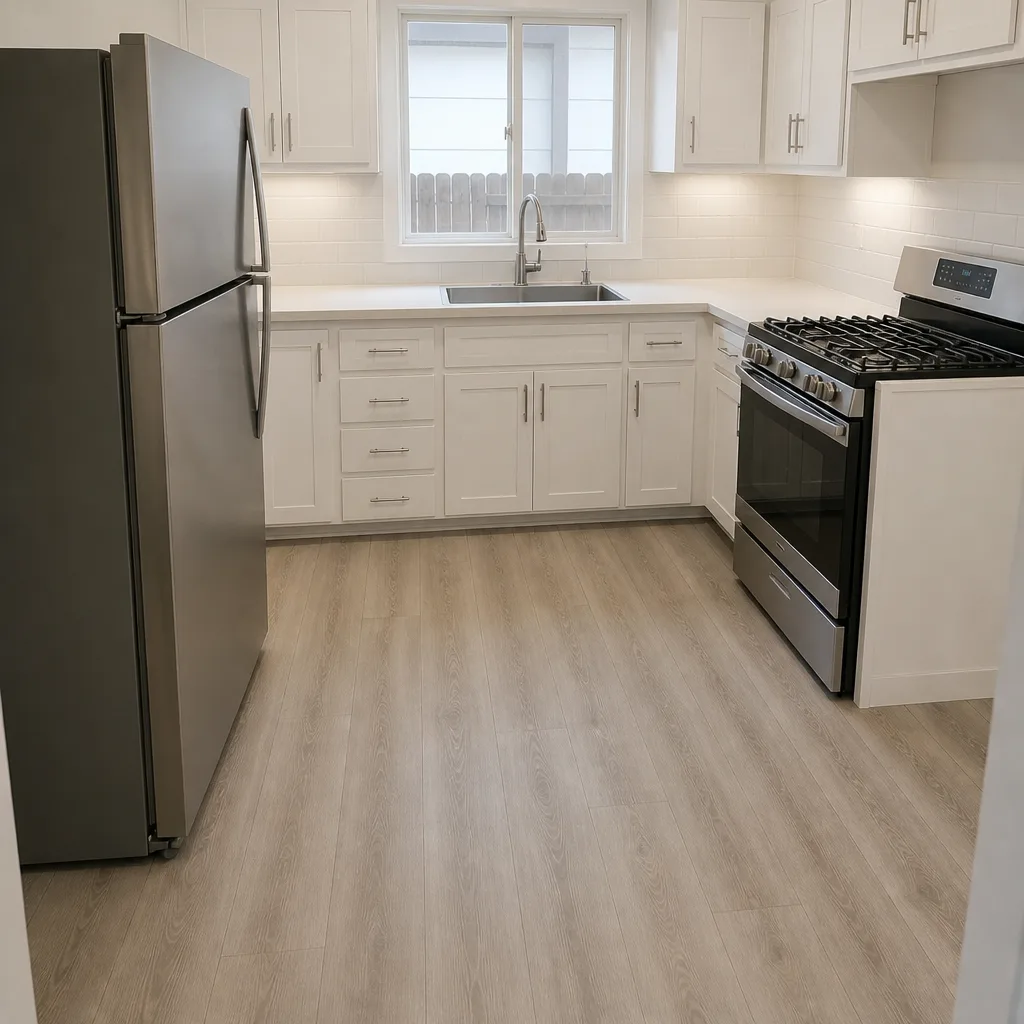 After
Home Addition vs ADU in Santa Rosa: The Fire-Code Line That Decides It
Choose an addition if you need more room for the people already living there and want to stay under a single permit on your existing footprint; choose a detached ADU if you need a rentable unit, a multigenerational setup with its own address, or space that could qualify for income-based financing. In Santa Rosa the two are not equivalent projects, because a detached ADU on a wildland-urban interface parcel must meet full Chapter 7A fire standards as a new structure, while an addition to an existing WUI home often only triggers upgrades to the wall and roof assembly it touches. That single distinction can swing a project by tens of thousands of dollars, and it belongs on line one of any written quote. Call (833) 842-1866 for a free estimate on either path.
Key takeaways
- An addition extends the primary dwelling under one permit; a detached ADU is a separate habitable structure with its own utilities, address eligibility, and permit track.
- Santa Rosa pricing runs roughly $45,000-$130,000 for a home addition and $90,000-$220,000 for a detached ADU. The gap is mostly code-trigger, not square footage.
- Only the ADU can be rented independently, which matters for financing well before design starts.
- Rowan’s written upfront price names the Chapter 7A line items, so you compare two honest numbers instead of two ranges.
The Fountaingrove Problem: Two 500-Square-Foot Projects, Two Different Code Sets
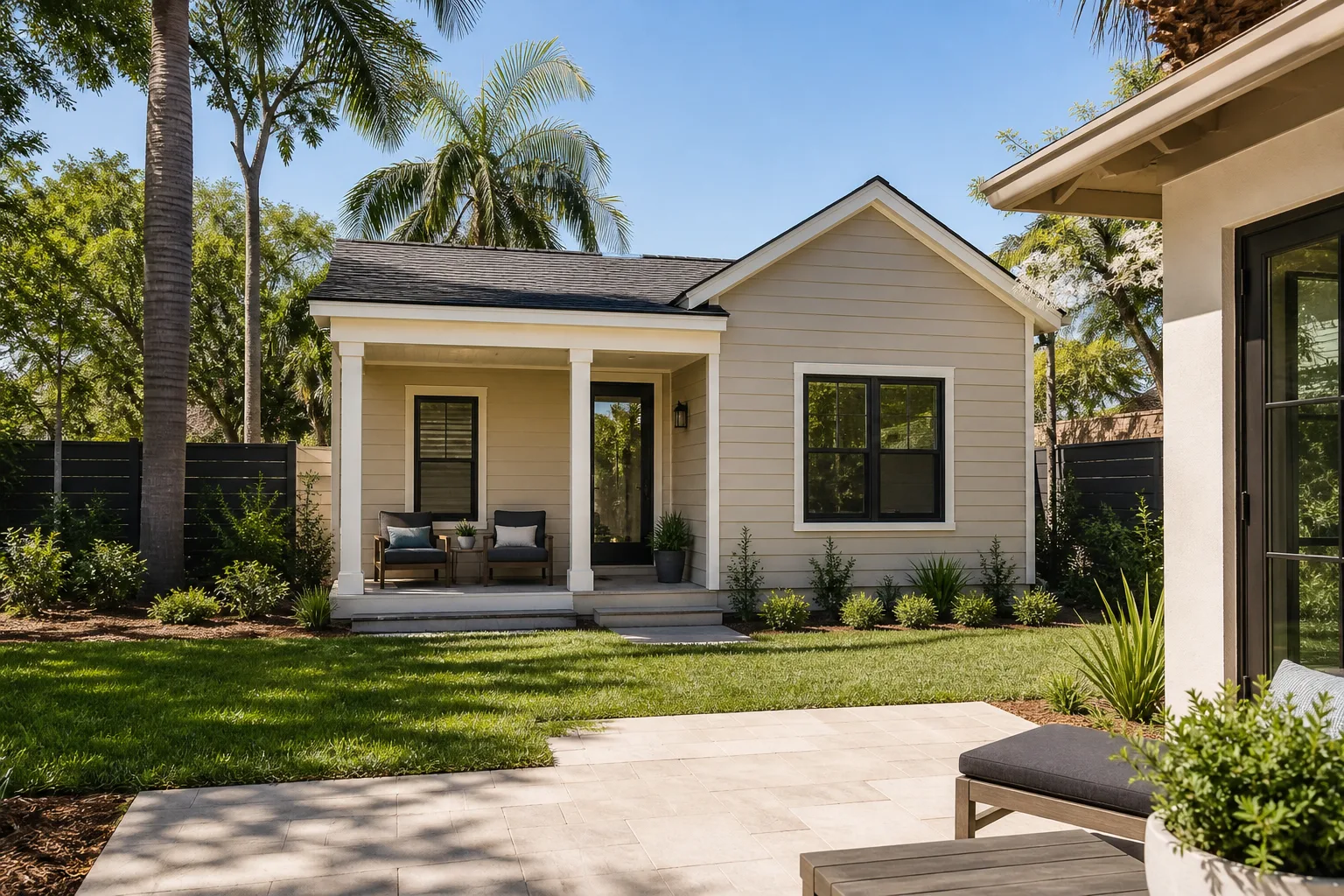
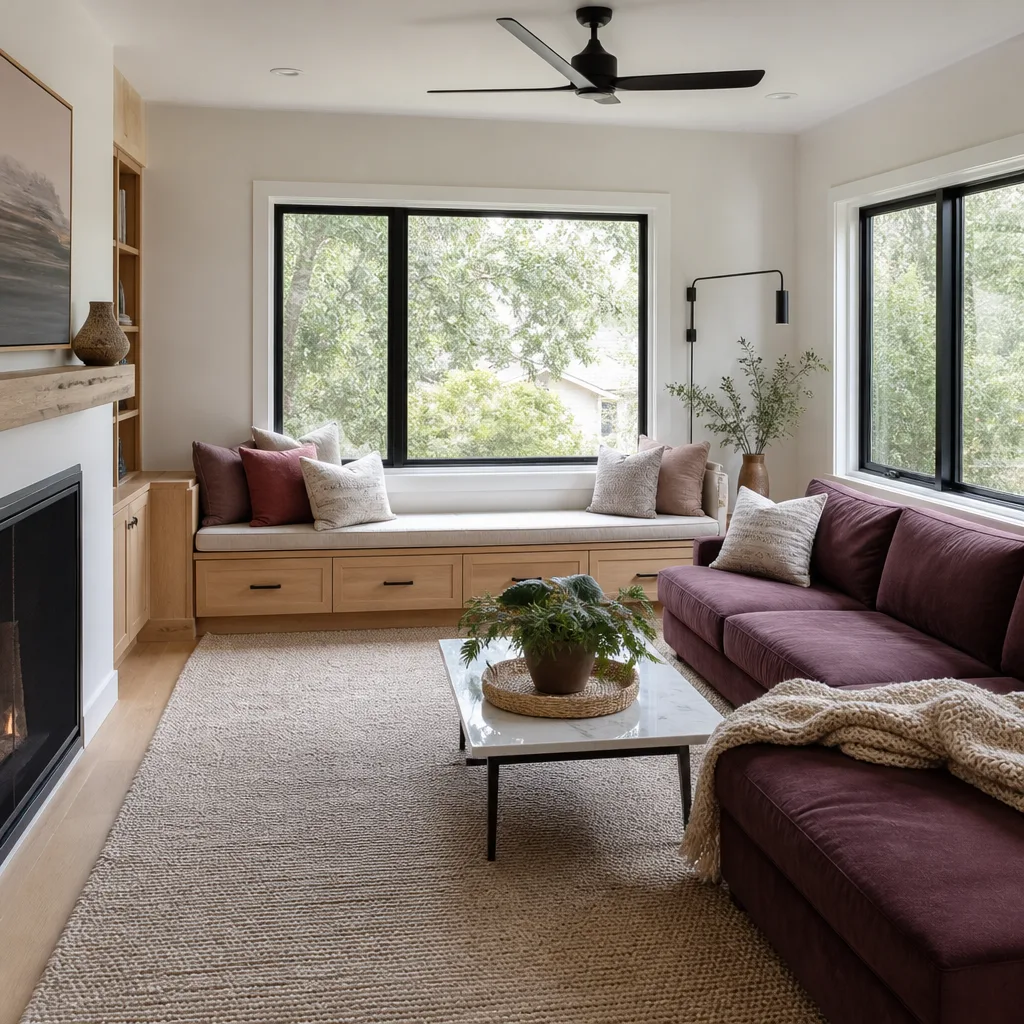
Picture a homeowner in Fountaingrove with a 500-square-foot need: a home office, a guest suite, maybe a place for a parent to land. Add it to the back of the house and you’re pulling one permit to extend the primary dwelling, tying into the existing foundation, roofline, and utility runs. Put it in the side yard as a detached ADU and you’re building a brand-new habitable structure, which means new utility trenches and connections, a separate address if it qualifies, and the full weight of California’s Chapter 7A wildland-urban interface requirements applied to the whole building rather than the wall you touched.
That’s the part generic comparisons leave out. Chapter 7A isn’t a single product; it’s a package. Roof covering, roof-edge and eave detailing, exterior siding, decking, under-eave and attic vents, and documented defensible space all shift when you build new inside a WUI zone. On an addition, an engineer and the city may scope the upgrade only to the affected wall and roof assembly, leaving the rest of the 1960s or 1980s structure as it stands. On a detached ADU, there’s no “affected assembly” to grandfather. The whole building is new, so the whole building complies. For a Fountaingrove or Rincon Valley hillside lot, that difference is where the money lives.
This is also why adjacent parcels here can look like they were built in different decades and were: after the 2017 Tubbs Fire, roughly 5% of Santa Rosa’s housing, over 3,000 homes, was lost, much of it in Coffey Park and Fountaingrove. Rebuilds were fast-tracked, so a 2018 WUI-compliant house can sit next door to a 1960s ranch that never needed the upgrade. Contractors working here spend real hours matching permit scopes to the code cycle a specific lot was built under.
What Each Option Actually Costs in Santa Rosa, and Why
An honest comparison needs dollars, not adjectives. These are the market ranges we work from in Santa Rosa, and the Chapter 7A line items are called out inside them, not bolted on afterward.
| Line item | Home addition | Detached ADU |
|---|---|---|
| Typical total range | $45,000-$130,000 | $90,000-$220,000 |
| Chapter 7A scope | Often limited to affected wall/roof assembly | Full building: roof, siding, decking, vents |
| Roof covering (GAF Timberline HDZ class) | Blended into existing roof | New full roof assembly |
| Exterior siding | Matched to existing where possible | Fiber-cement throughout |
| Utilities | Ties into existing runs | New trenching and connections |
| Rentable separately | No | Yes, with its own address eligibility |
| Permit review clock | Full review; longer if WUI-triggered | Ministerial, 60-day state clock |
Those last two rows are the ones homeowners underestimate. Under state law, ADU permits go through a ministerial review with a 60-day clock, meaning the city checks the application against objective standards rather than exercising broad discretion. Home-addition permits go through full discretionary review, and in Santa Rosa that review gets longer when a project exceeds certain thresholds or triggers WUI review. An addition can be the simpler build and the slower approval. An ADU can be the more expensive build and the faster approval. Neither fact is obvious until you’ve been through both.
On our side, the written price for either option itemizes the fire-resistant materials by name: GAF Timberline HDZ for roofing, fiber-cement siding rather than wood, and Belgard noncombustible pavers where hardscape sits close to the structure. Under Clause 1 of the Haven Standard, the price is written before anyone starts, so a homeowner comparing an addition to an ADU is comparing two locked numbers instead of two contractor shrugs.
The Income and Financing Question You Have to Answer Before Design
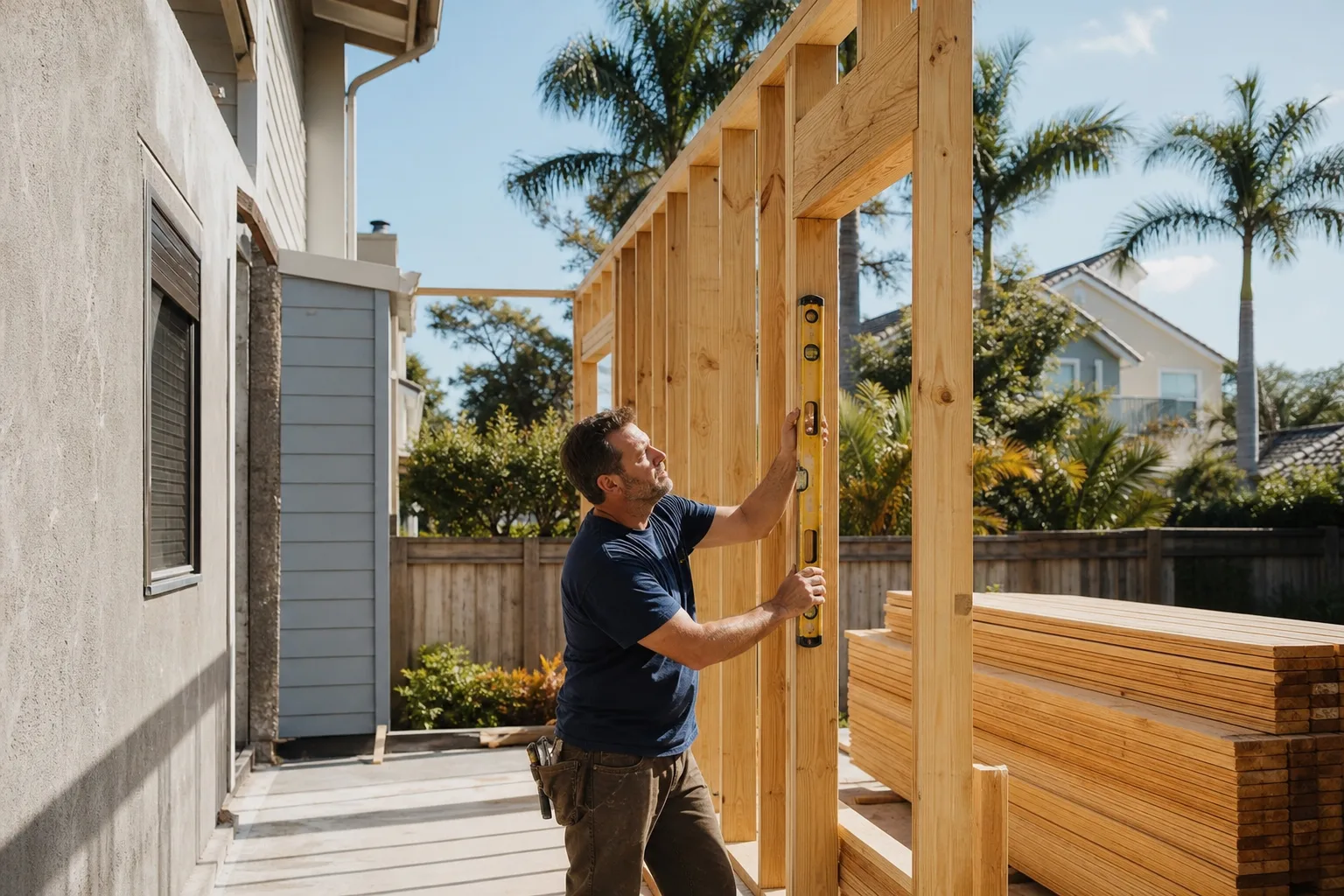
An ADU can be rented independently; an addition cannot. That one sentence should sit at the top of your decision worksheet, because it changes the math more than any material choice. A detached unit may be financeable as income-producing, and lenders who specialize in ADU lending will look at the rental potential, which means the $90,000-$220,000 range isn’t the whole story if the unit generates monthly rent. An addition adds square footage and resale value but no separate rentable unit.
The legal line matters too: an addition stays part of the primary dwelling under one permit, while a detached ADU is a separate habitable structure that may qualify for its own address. If the plan is a kitchenette and a private entrance for a family member, an addition or a garage conversion (roughly $30,000-$80,000) often gets you most of the benefit for less than a full detached build. If the plan is rental income, only the ADU does the job. We walk that decision through with homeowners before a single drawing exists.
For the full permit and scope breakdown on the detached path, see our Home Additions & ADU in Santa Rosa page, which covers the WUI documentation and defensible-space plans in detail.
How the Timeline and Site Work Differ
Santa Rosa’s Mediterranean climate shapes scheduling for both options. Summers are bone-dry and autumn brings the hot, gusty Diablo winds that drove the Tubbs Fire, so exterior work, roofing, and decking get scheduled for spring and early summer. Dry-season exterior detailing, ember-resistant vents included, is a standing local requirement rather than an upgrade. A detached ADU extends that exterior window because every wall is new; an addition may finish faster because it’s tying into a roof and shell that already exist.
Our technicians have up to 19 years of experience and arrive background-checked and uniformed, which matters more on a hillside parcel with a defensible-space plan than it does on a flat suburban lot. Every visit includes a documented photo record as a standard deliverable, so you can see the condition of the substrate and the shingle layer count in plain terms before the next phase starts. That record is also what we bring to a free second opinion: hand us a competitor’s written estimate and we’ll review it line by line at no charge, including whether their Chapter 7A scope is honest.
- Choose an addition when you need space for your household, want to keep the existing footprint and utilities, and can live with discretionary permit review.
- Choose a detached ADU when you need a rentable unit or separate address, can absorb full new-structure code compliance, and want the 60-day ministerial track.
- Choose a garage conversion when you need flexible living space on a tighter budget and don’t require a fully detached structure.
FAQs
An addition is almost always cheaper than a detached ADU in Santa Rosa: roughly $45,000-$130,000 versus $90,000-$220,000. The main reason isn’t size, it’s that a new structure on a WUI parcel carries full Chapter 7A compliance across roof, siding, decking, and vents, while an addition may only upgrade the wall and roof assembly it affects. Call (833) 842-1866 for an exact written number on your lot.
Yes. A detached ADU in a wildland-urban interface zone like Fountaingrove is a new structure and must meet full Chapter 7A standards, roof covering included. An addition may only require upgrades to the affected assemblies. We itemize the fire-resistant materials by name in the written price, so the code cost is visible before work starts. Call (833) 842-1866 to talk through your parcel.
ADU permits move on a 60-day ministerial review clock set by state law, while home-addition permits go through full discretionary review that runs longer when WUI review is triggered. Santa Rosa’s Building Division has processed thousands of rebuild permits since 2017, so the review steps are well-worn, but the two tracks are genuinely different in length. Call (833) 842-1866 and we’ll map the timeline for your project.
No. A home addition extends the primary dwelling under one permit and isn’t a separately rentable unit; a detached ADU can be rented independently and may qualify for its own address. That distinction drives the financing conversation, since ADU lenders look at rental income. Call (833) 842-1866 for a free estimate on either option.
If you’d rather have it looked at, Rowan Construction Group Santa Rosa offers a no-pressure assessment in Santa Rosa, with a flat written price before any work starts and a free second opinion on any estimate you already have. Call (833) 842-1866, browse our home page for the trades we cover, or review the Home Additions & ADU service details to prepare for the conversation.
Written by the team at Rowan Construction Group Santa Rosa, serving Santa Rosa, CA.