Free written scope consultation - allowances, timeline, and change-order rules on paper before a single trade is scheduled
Styles & brands we work with
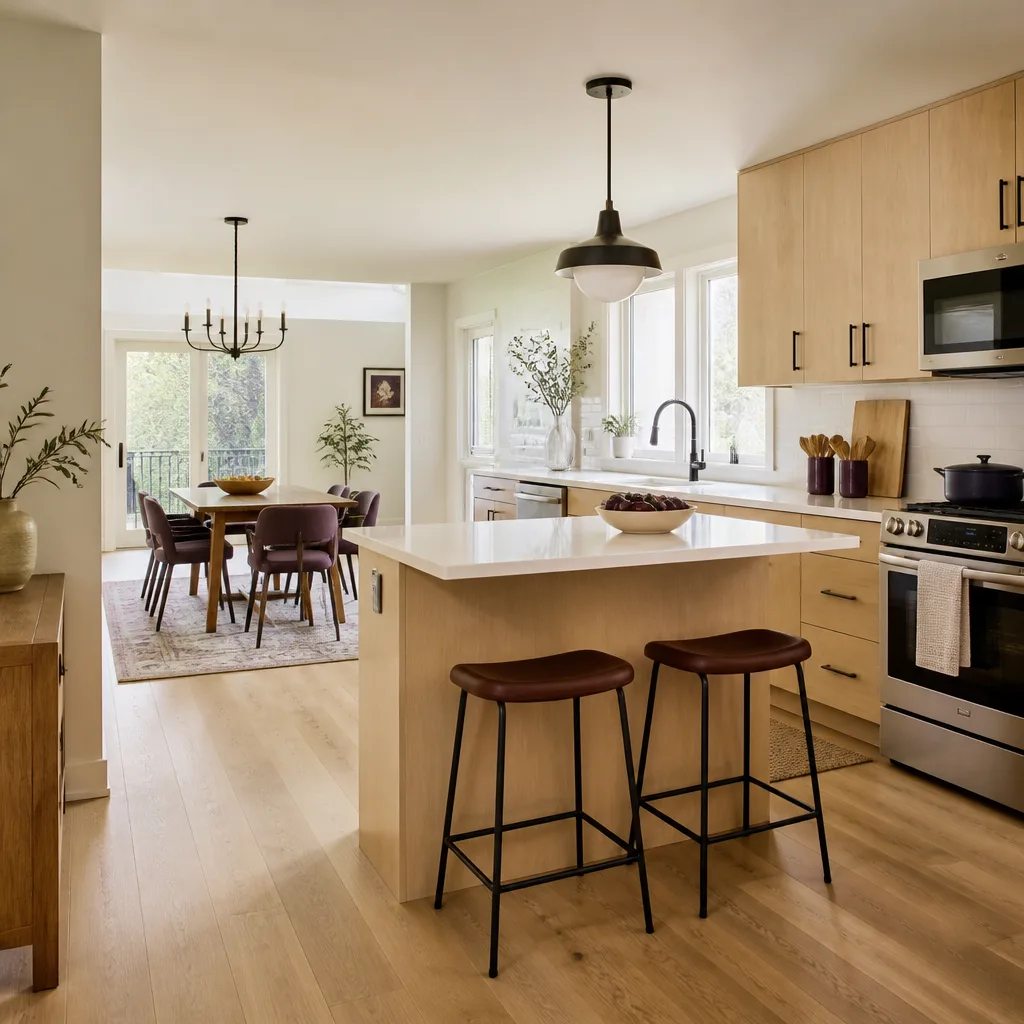
- Kitchen remodeling
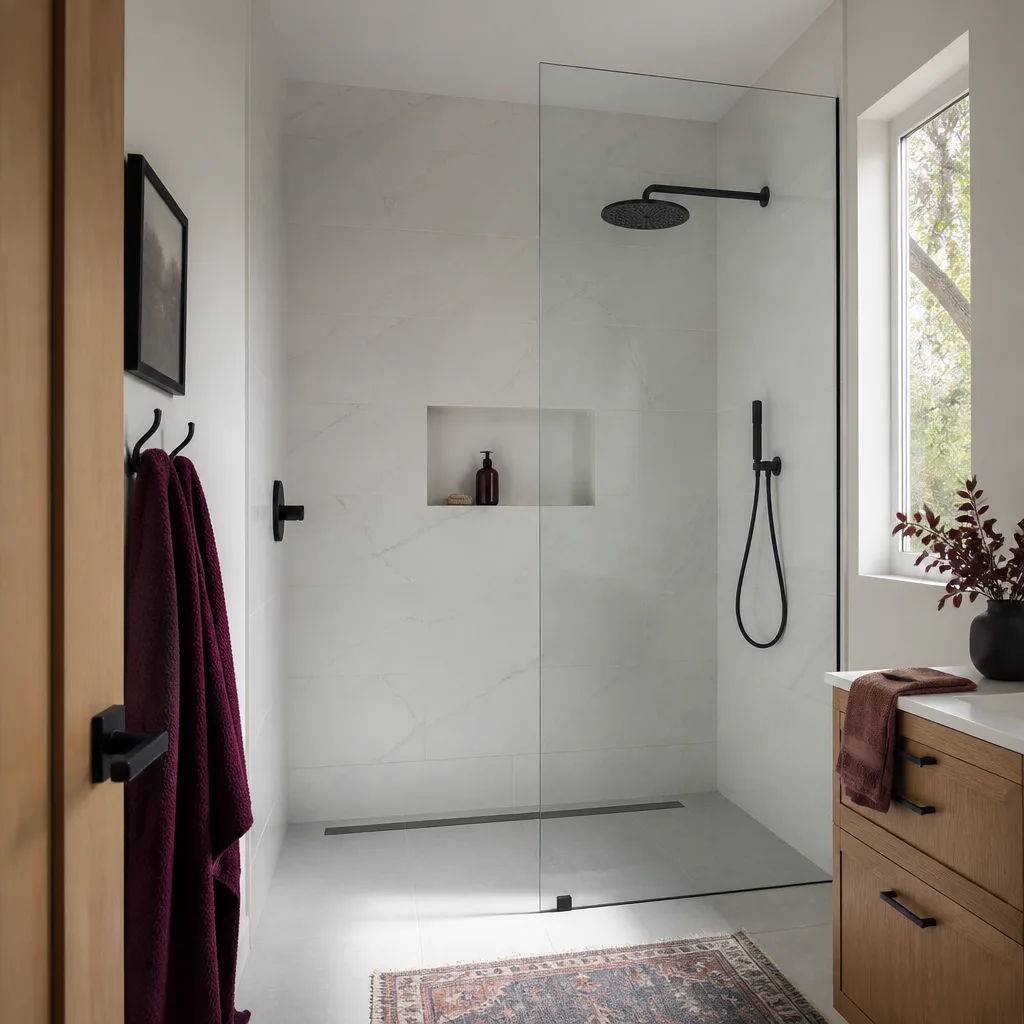
- Bathroom remodeling
- Home additions & ADU
- Roofing
- Windows & doors
- Driveway & pavers
- Fence
See the difference
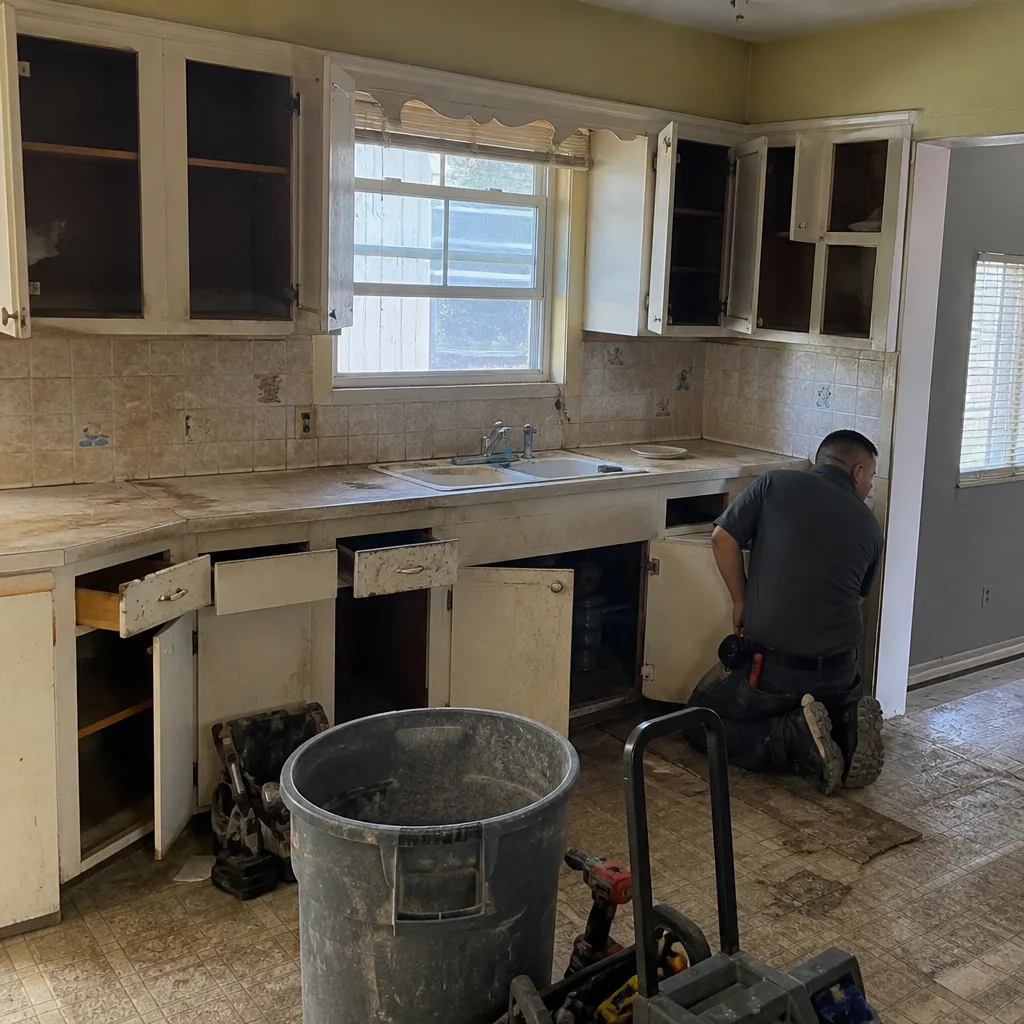 Before
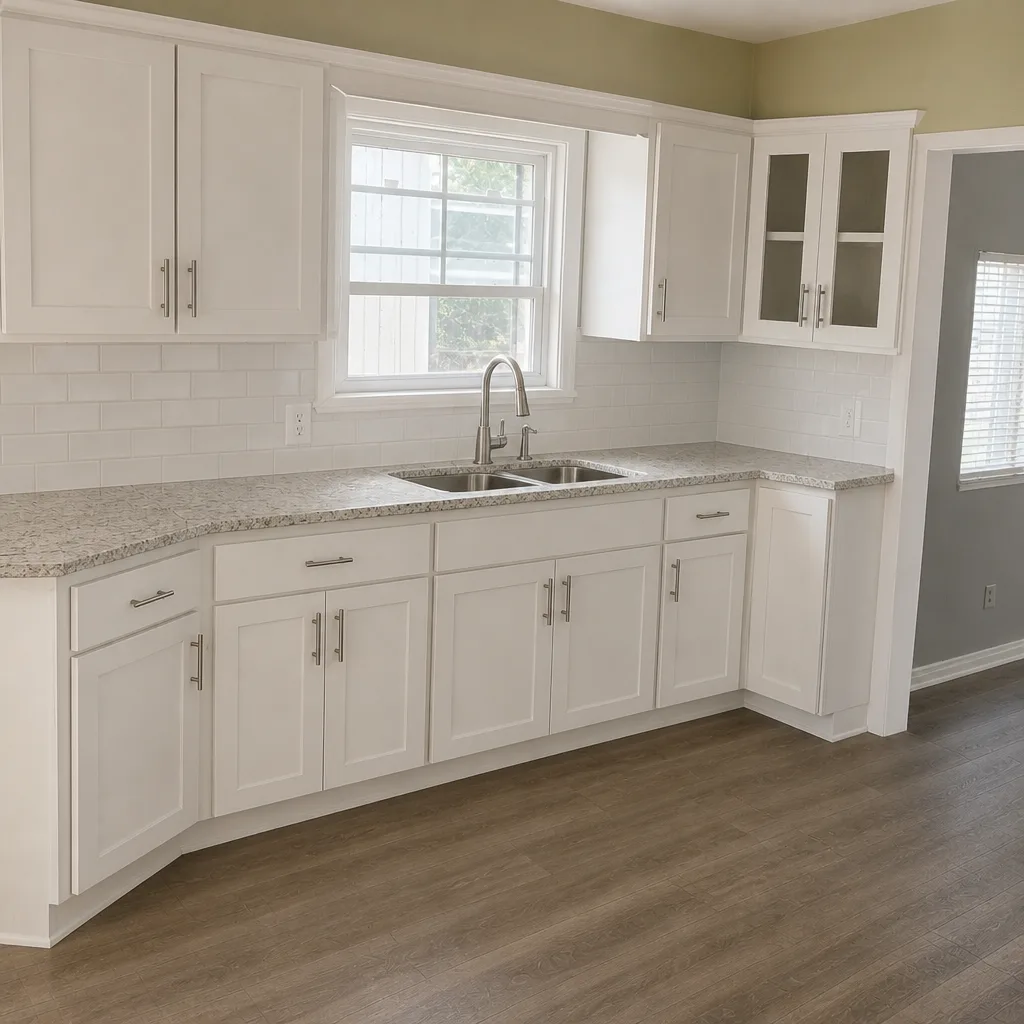 After
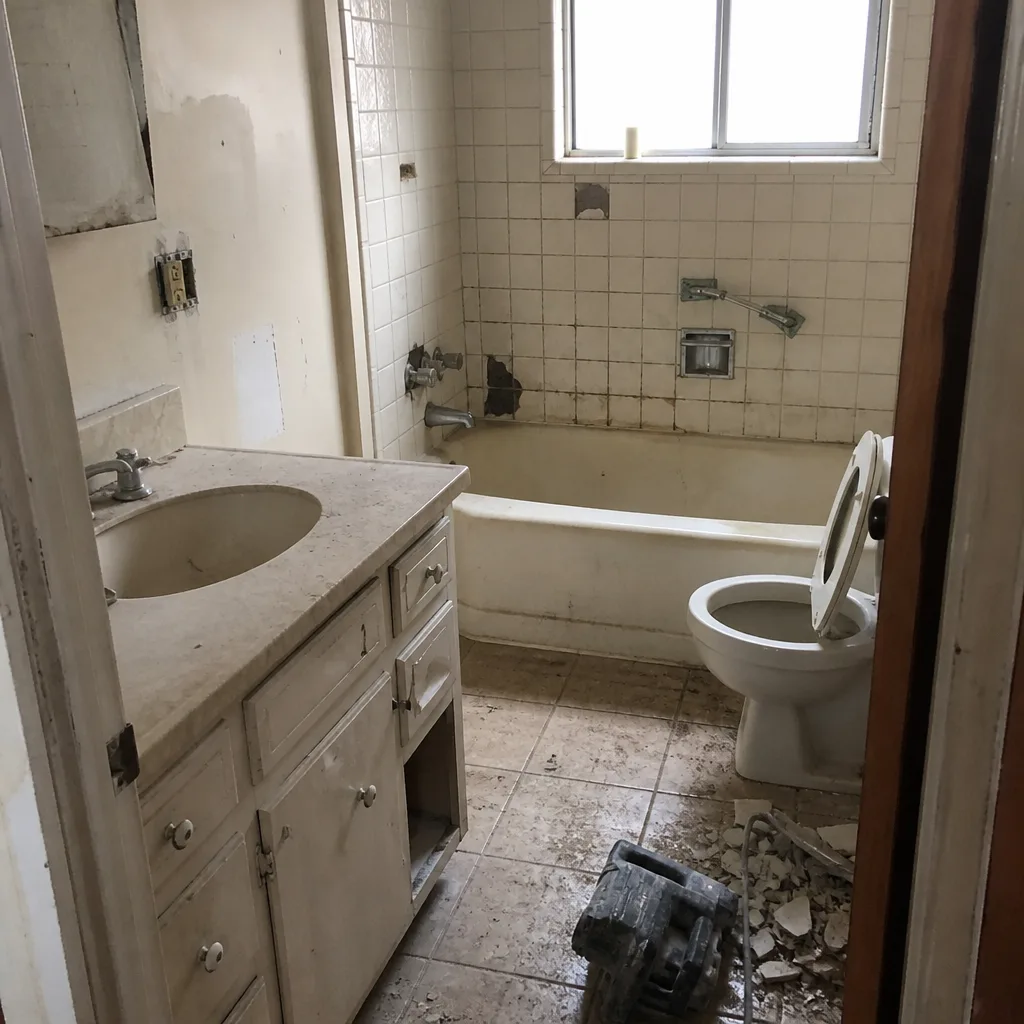 Before
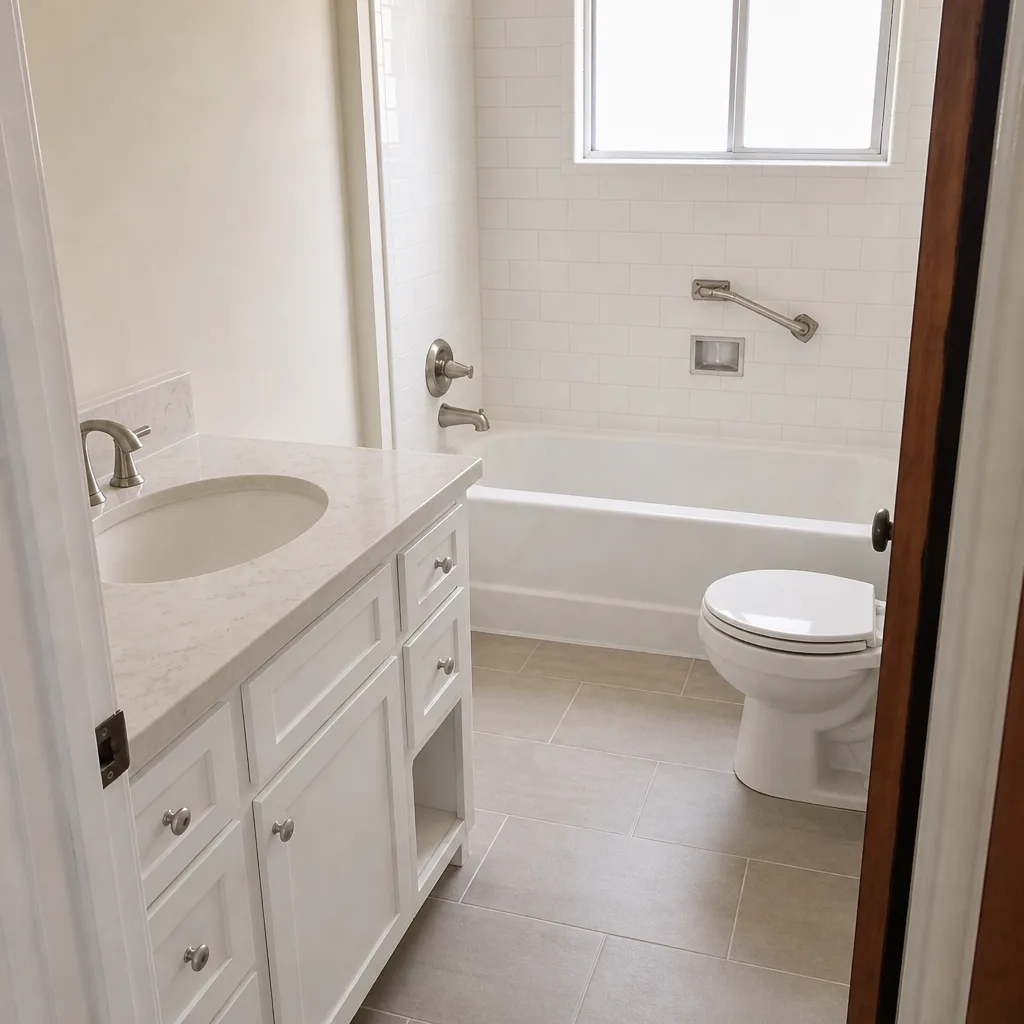 After
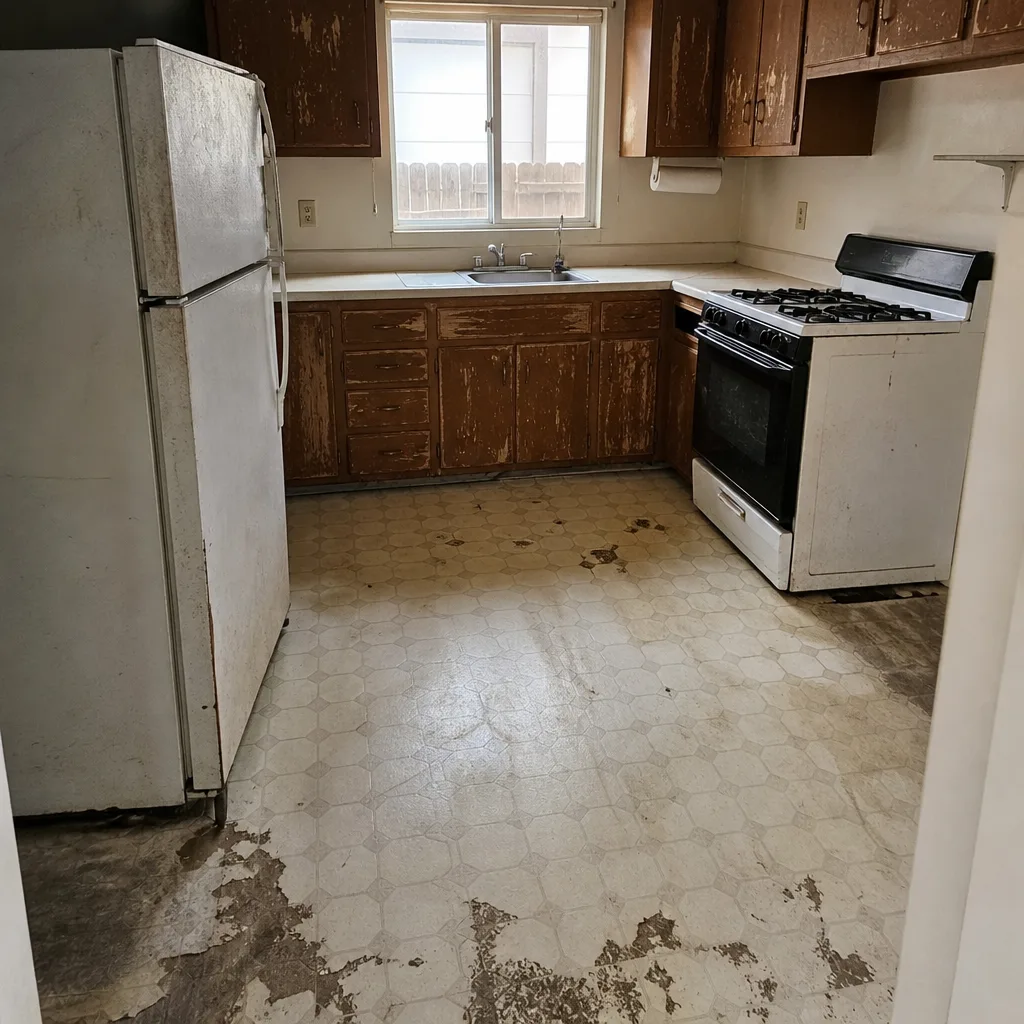 Before
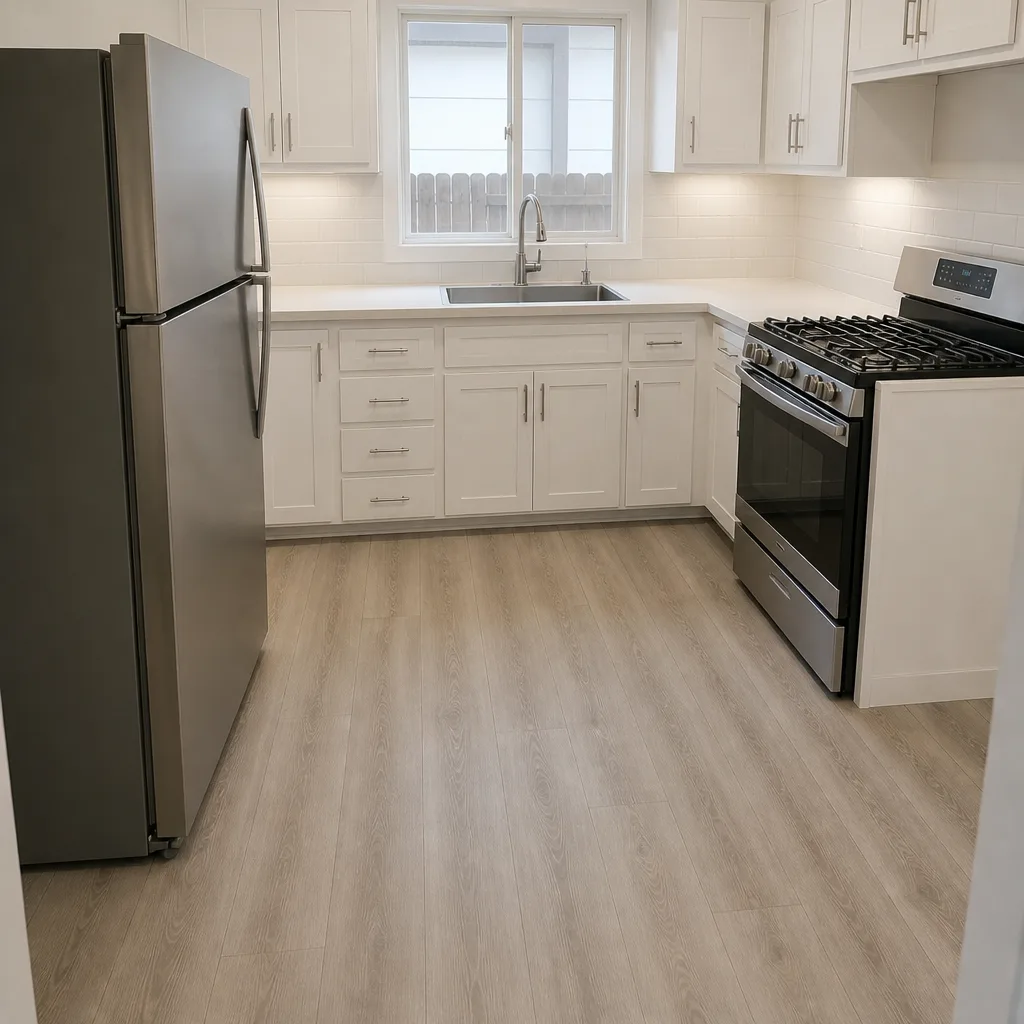 After
Do You Need a Permit for a Home Addition in Santa Rosa, CA?
Yes. Any home addition that adds heated square footage, moves or removes a structural wall, or extends electrical, plumbing, or HVAC service in Santa Rosa requires a building permit from the City of Santa Rosa Building Division. And if your address sits in a State Responsibility Area or a Very High Fire Hazard Severity Zone, which covers most of Fountaingrove and large parts of Rincon Valley, that permit application also opens a Chapter 7A fire-hardening review that changes your material list before framing starts. If your zip code falls in one of those hillside areas, budget time and dollars for that second layer. Call Rowan Construction Group Santa Rosa at (833) 842-1866 and we’ll walk your address through it.
Key Takeaways
- Square-footage additions, wall changes, and any new electrical, plumbing, or HVAC always require a permit in Santa Rosa.
- Hillside addresses in Fountaingrove and Rincon Valley trigger an extra WUI / Chapter 7A compliance review on top of the standard residential review.
- Fees are published and calculable up front, which is why our written price includes permit fees as a line item, not an “estimated add-on.”
- Adjacent lots built under different code cycles can force fire-hardening upgrades to your existing structure as a condition of approval.
Two Permit Tracks, One City
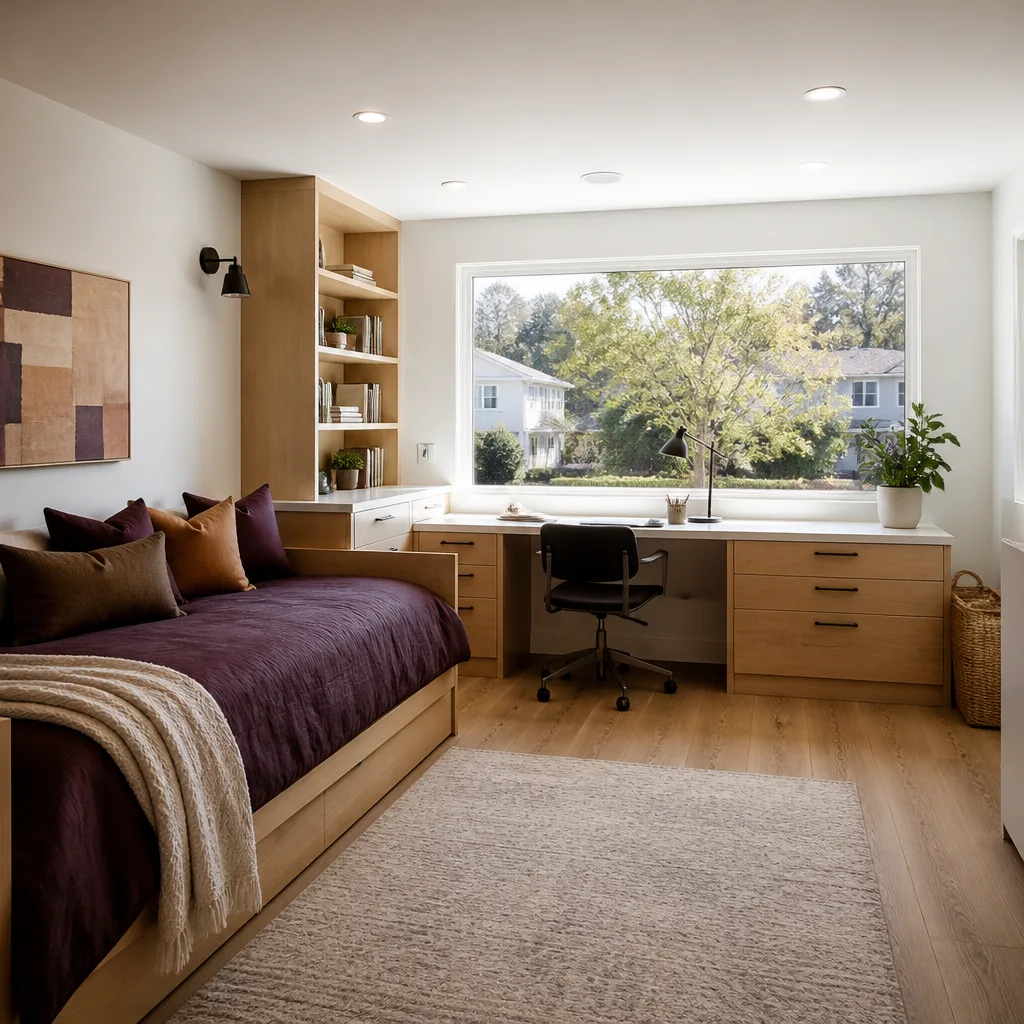
Santa Rosa runs two very different permit realities depending on where you build. A flatland ranch in Roseland or Coffey Park generally moves through standard residential plan review: one set of architectural and structural drawings, Title 24 energy calculations, a plan check, then inspections. A hillside property in Fountaingrove or Rincon Valley enters the same queue but picks up a WUI layer along the way. The city wants to see Chapter 7A compliant roof assemblies, ember-resistant vents, noncombustible siding and decking details, and a defensible-space plan before the structural approval clears.
We see this every week. A homeowner in Rincon Valley planning a 400-square-foot primary suite addition assumes the permit is a paperwork formality. Then plan check comes back asking for fire-rated exterior wall assemblies and specific vent products, and the material budget shifts. None of the generic online permit checklists mention this. It’s a Santa Rosa story, driven by the 2017 Tubbs Fire and a building division that has processed thousands of rebuild permits since.
What Always Needs a Permit, and What Legally Doesn’t
California draws a fairly bright line here, though local amendments exist. The short version:
Permits are required for:
- Any addition that increases conditioned square footage, whether it’s a bedroom, a family room bump-out, or a garage conversion turned living space.
- Removing, relocating, or altering a structural wall, beam, or load-bearing post.
- New or extended electrical circuits, panel changes, and any new subpanel.
- New or relocated plumbing and any new HVAC equipment or duct runs serving new space.
- New foundations, slabs, and any change to the footprint or roofline.
Permits are generally not required for: interior cosmetic work like paint, flooring, or non-structural trim, and freestanding furniture-grade structures that don’t touch utilities. In practice, most homeowners underestimate the “generally not” side; if a project touches a wall, a wire, or a water line, assume a permit.
Santa Rosa residents file residential applications at the City of Santa Rosa Building Division counter at City Hall. Bring the site plan, architectural drawings, structural calculations if walls move, and Title 24 documentation. Skip a step and plan check cycles back, which adds weeks.
The Adjacent-Lot Problem on Post-Tubbs Blocks
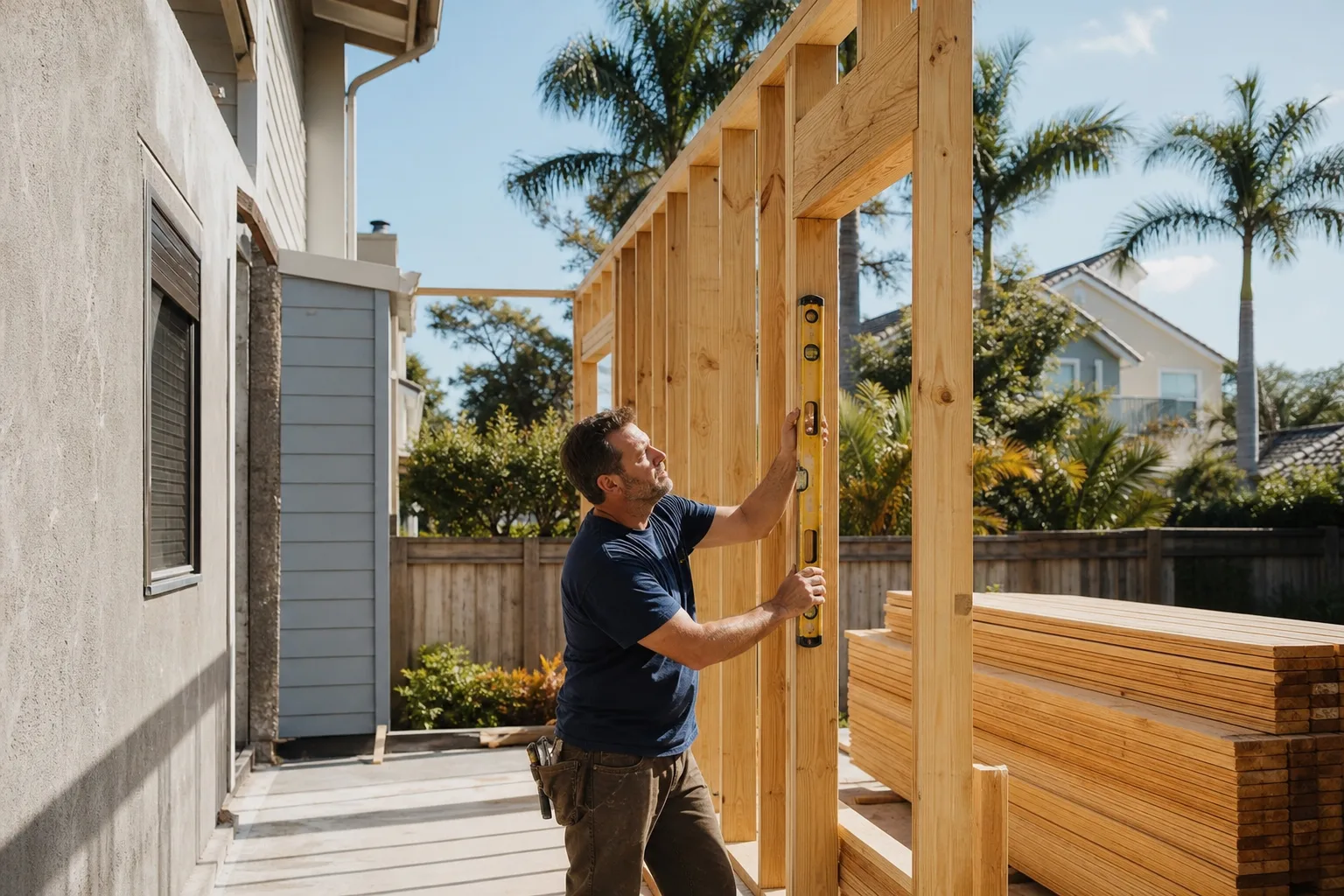
Here’s the wrinkle that surprises people on streets rebuilt after the 2017 fires. The city fast-tracked rebuild permits in Coffey Park and Fountaingrove, so a 2018 WUI-compliant rebuild often sits directly next to a 1960s ranch that never got touched. When you file an addition permit on that older structure, the plan reviewer may require fire-hardening upgrades to the existing building as a condition of approval, not just the new square footage. That means new roof covering, upgraded vents, or exterior cladding upgrades on parts of the house you never planned to touch.
We’ve watched this add tens of thousands of dollars to budgets where the homeowner hadn’t accounted for it. It’s not the city being difficult. It’s the code recognizing that a partially hardened structure in a fire zone is still a vulnerability. Knowing the cycle history of your block and the code version the neighboring properties were built under is half the work of a realistic estimate.
What a Home Addition Actually Costs in Santa Rosa
Permit fees vary by valuation and scope, but Santa Rosa publishes its fee schedule, which means we can calculate them before a single nail moves. Here’s how the ranges break down for this market:
| Project Type | Typical Cost Range |
|---|---|
| Home Addition (per project) | $45,000-$130,000 |
| ADU Construction | $90,000-$220,000 |
| Garage Conversion | $30,000-$80,000 |
Under the Haven Standard, Clause 1 requires a written price before any work starts, and that price includes permit fees as a line item. Not an estimate. Not a range with an asterisk. A flat number with a written scope and a written warranty. We bring fifty-plus vetted material brands into the quote, from GAF and Owens Corning roofing to Belgard pavers and ActiveYards fencing, so the numbers hold up instead of ballooning mid-job.
If you’re comparing additions against outbuilding options, our guide to Home Additions & ADU lays out what triggers the different permit paths. For questions about the broader home-additions-and-ADU scope, the Home Additions & ADU in Santa Rosa page covers construction sequencing and design review.
Documentation We Carry So You Don’t Have To
Permit-driven scope changes are where most budgets leak. Our discipline is administrative: no work proceeds on a change until the change order is signed. Every inspection stage gets a documented photo record, and a signed record is kept on file so the homeowner has proof of compliance if the city ever asks later. Background-checked, uniformed technicians, a live person answering calls around the clock, and our technicians’ up to 19 years of experience handling California seismic and Title 24 requirements round out what’s on the job.
The permits live in the paperwork. We hold the city-facing side of that, and you get the photo record and signed change orders to keep.
Common Local Scenarios We See
Fountaingrove primary suite addition on a 1970s hillside contemporary. Two code layers to satisfy: structural and WUI. Roof and vent upgrades to the existing house may be required as a condition of the addition permit.
Roseland garage conversion into an ADU. Standard residential review, but Title 24 energy calculations and a separate utility connection plan. No WUI layer, faster cycle.
Rincon Valley 500-square-foot family room bump-out. Chapter 7A triggers on exterior cladding and roof covering. Budget shifts to fire-rated materials. Sometimes the difference between a straightforward approval and a revision cycle is whether the exterior on your existing house already meets current Chapter 7A thresholds.
FAQs
A home addition in Santa Rosa typically runs $45,000-$130,000 depending on square footage and structural scope, and ADUs run $90,000-$220,000. WUI fire-hardening requirements in Fountaingrove and Rincon Valley can add to that range when existing structures need upgrade. Call (833) 842-1866 for a free written estimate - estimates are free.
No. Size does not exempt an addition from permitting in Santa Rosa. Any addition that adds conditioned square footage, moves a structural wall, or touches electrical, plumbing, or HVAC requires a permit, regardless of square footage.
Chapter 7A is California’s wildland-urban interface fire-hardening code for building materials and assemblies. If your Santa Rosa property sits in a State Responsibility Area or Very High Fire Hazard Severity Zone, your addition permit automatically requires Chapter 7A compliance on roof, vents, siding, and decking.
Typical residential addition permits in Santa Rosa take several weeks to a few months depending on plan check cycles and WUI review. Hillside projects in Fountaingrove and Rincon Valley generally run longer because of the extra compliance review. Bring a competitor’s written estimate and we’ll review it line by line at no charge.
Getting the Permit Question Answered for Your Address
If you’d rather have it looked at, Rowan Construction Group Santa Rosa offers a no-pressure assessment in Santa Rosa - call (833) 842-1866. We’ll check your parcel’s fire hazard designation, walk through what the permit will require, and put a written price in your hands before the conversation ends.
Written by the team at Rowan Construction Group Santa Rosa, serving Santa Rosa, CA.