
Free written scope consultation - allowances, timeline, and change-order rules on paper before a single trade is scheduled
James Hardie Kitchen Remodeling: The Santa Rosa Owner’s Guide
James Hardie kitchen remodeling in Santa Rosa runs $14,000 to $45,000 installed, with most of that number driven by cabinetry, countertops and the labor to fit both into an older house. If your question is about a specific James Hardie product that has cracked, swelled or lost its finish, we handle those replacement and re-cladding projects too, and we’ll tell you plainly whether a part can be matched or the whole run has to go. Rowan Construction Group Santa Rosa is an independent contractor and is not affiliated with James Hardie.
Owners usually find the failure before they find us. A tile at the end of a backsplash run that has pulled away from the wall. A fiber-cement panel behind the range that has chalked to a flat white and won’t hold paint. A HardiePlank lap that was run into a wet kitchen wall as a stopgap and is now cupping at the bottom edge. Santa Rosa’s wet winters and dry, hot Septembers push on exterior-grade fiber cement harder than most of the country does, and a kitchen wall is where that shows up first.
Key Takeaways
- Installed kitchen remodeling in Santa Rosa: $14,000 to $45,000. Small kitchens: $9,000 to $20,000.
- James Hardie fiber cement is a siding and panel product, not a countertop or cabinet material. Knowing which Hardie product you actually have decides everything that follows.
- Fiber cement needs a 1/8-inch gap at siding-to-trim joints and a properly flashed bottom edge. Most failures we see in Santa Rosa are installation faults, not product faults.
- Written price before any work starts, a photo record on every visit, and the 365-Day Done Right Promise.
Which James Hardie Models This Applies To
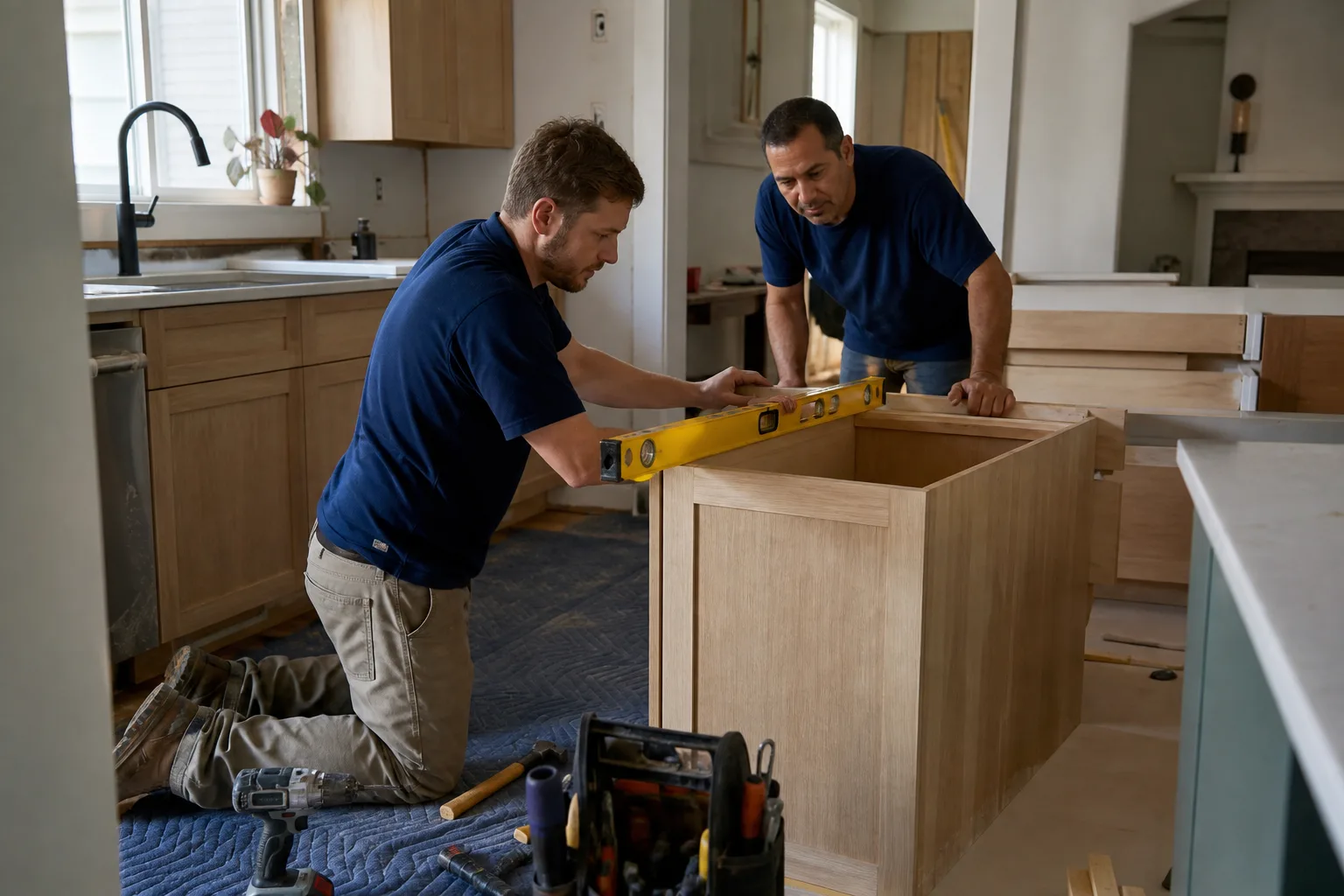
James Hardie makes a specific and fairly narrow set of products, and the first job is identifying which one is in your kitchen. The common lines are HardiePlank lap siding (in Smooth, Select Cedarmill and Beaded Cedarmill textures, typically 5/16 inch thick and sold in 4-foot by 8-foot or 4-foot by 10-foot sheets as well as lap boards), HardiePanel vertical siding, HardieShingle, HardieTrim boards and HardieBacker cement backer board. HardieBacker is the one most likely to be inside a kitchen, because it’s the standard substrate under tile backsplashes and behind tile in older wet-wall assemblies.
To identify yours, look at the back of a scrap piece or the exposed edge of a panel. HardiePlank and HardiePanel carry an ink-stamped or printed identification mark on the face or edge in most production runs, and the texture tells you as much as the label: Cedarmill has a rough, wood-grain face, Smooth is flat and paint-ready. Measure the thickness with a caliper or a good tape; 5/16 inch points to the standard siding lines, while 1/4 inch or 1/2 inch usually means HardieBacker.
On the OEM-versus-aftermarket question, James Hardie’s own replacement boards are the clean match when you’re patching a visible run and need the texture, thickness and edge profile to line up. For hidden work, a quality fiber-cement board from another mill is a legitimate substitute as long as it’s the same thickness class and carries the same non-combustible rating. What you don’t want is a cement board of unknown origin swapped in behind tile, because the compressive strength and moisture movement won’t match and the tile will telegraph the difference within a year.
Styles & brands we work with
- Kitchen remodeling
- Bathroom remodeling
- Home additions & ADU
- Roofing
- Windows & doors
- Driveway & pavers
- Fence
Signs Your James Hardie Kitchen Remodeling Is Failing
Fiber cement is a durable material, but it is not maintenance-free, and the failures are consistent enough that we can usually name the cause before we open anything up.
- Paint chalking or powdering on the face. The factory finish has reached the end of its service life, which in Santa Rosa’s UV load happens sooner on south- and west-facing walls than the product literature suggests. Chalk can’t be painted over; it has to be washed and primed first.
- Cupping or bowing at the bottom edge of a lap. Water is getting behind the board because the bottom edge wasn’t held clear of the flashing or the roof below it. Once the edge stays wet, the board swells and the lap line opens.
- Hairline cracks running from a fastener. Overdriven nails or screws that were set below the surface create a stress point that opens as the board moves through thermal cycles. This is an installation fault, not a material one.
- Tile popping off a backsplash or shower wall. The HardieBacker underneath has taken on moisture because the joints weren’t taped and bedded in thinset, or the board was butted tight with no gap. Tile adhesive releases when the substrate moves.
- Visible gap or movement at a siding-to-trim joint. The 1/8-inch clearance James Hardie calls for at trim was skipped, and the board is now pushing against the trim as it expands. Left alone, that pressure cracks the trim or the board.
Replacement Cost & What’s Included
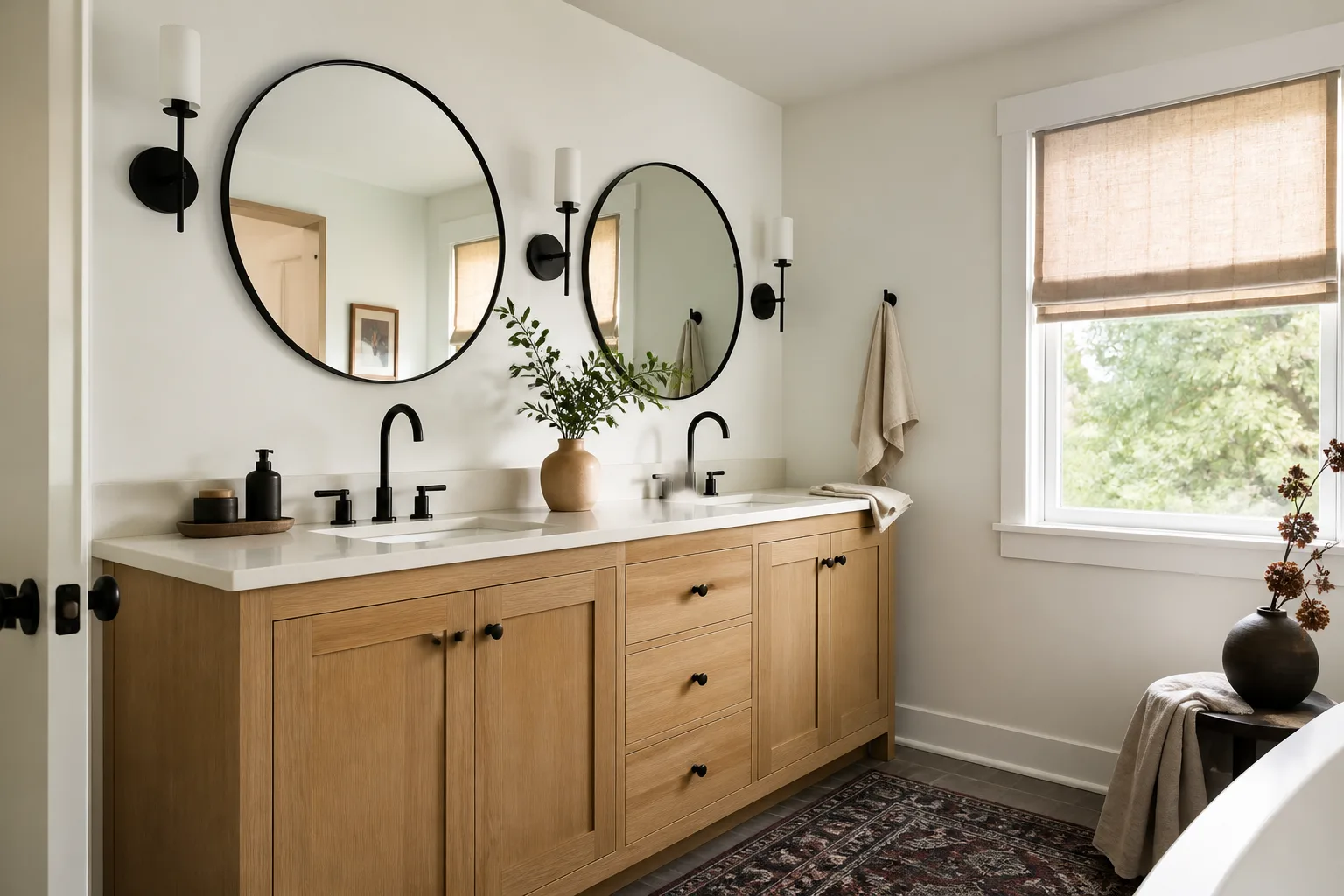
For a full kitchen remodel in Santa Rosa, the installed range is $14,000 to $45,000, and a small kitchen remodel runs $9,000 to $20,000. Those numbers are for the whole job, not just the fiber cement work. Where Hardie products are the specific item being replaced, the cost sits inside the line items below.
| Scope | Installed range (Santa Rosa) |
|---|---|
| Kitchen remodel, full | $14,000 – $45,000 |
| Small kitchen remodel | $9,000 – $20,000 |
| Cabinet installation | $4,000 – $13,000 |
| Countertop installation | $2,000 – $6,500 |
| Backsplash installation (including substrate repair) | $800 – $2,500 |
| Kitchen island installation | $3,000 – $10,000 |
What moves the number: whether the backer board or siding panel behind the tile is sound or has to come out, the square footage of tile, cabinet brand and box construction, and whether the kitchen is on an exterior wall where the fiber cement has to be re-flashed. Every quote is a flat written price with a written scope, and no change proceeds without a signed change order. The work carries the 365-Day Done Right Promise: if it isn’t done right, we make it right.
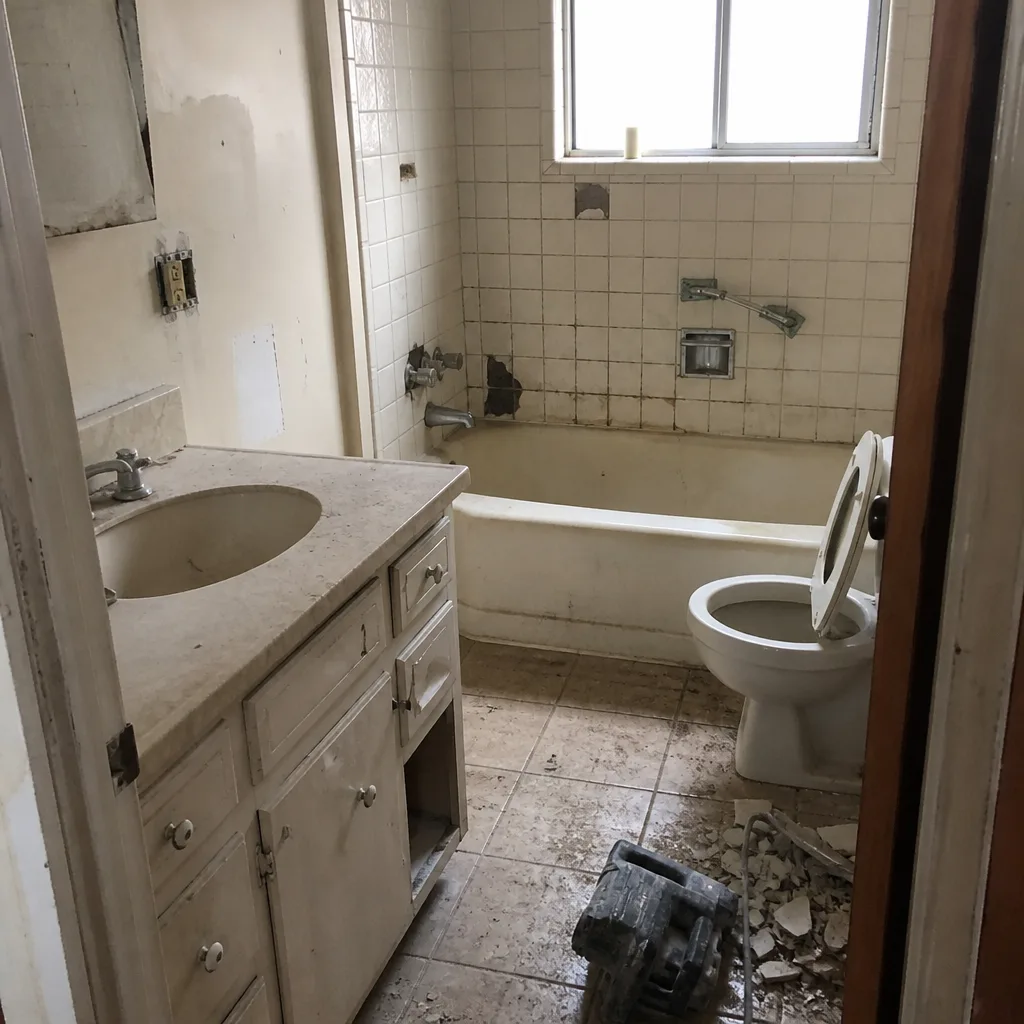
See the difference
 Before
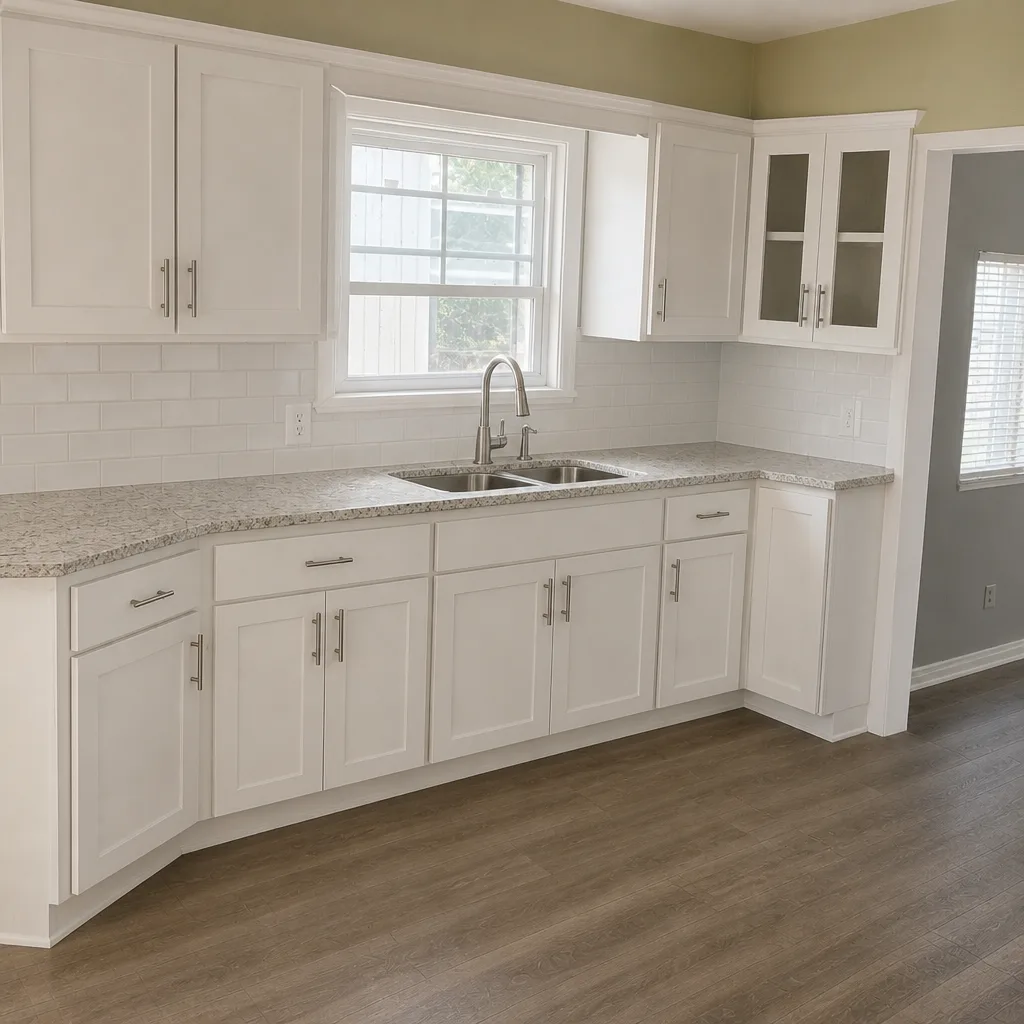 After
 Before
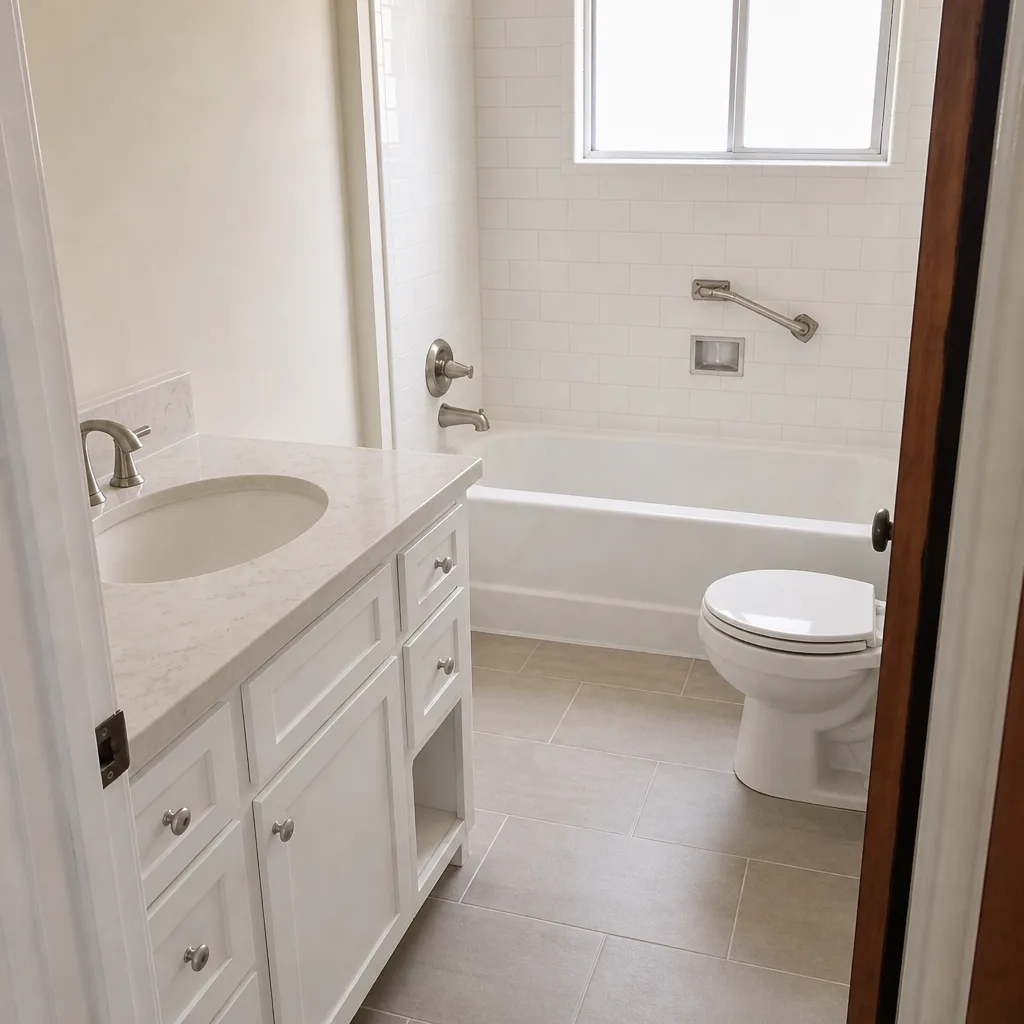 After
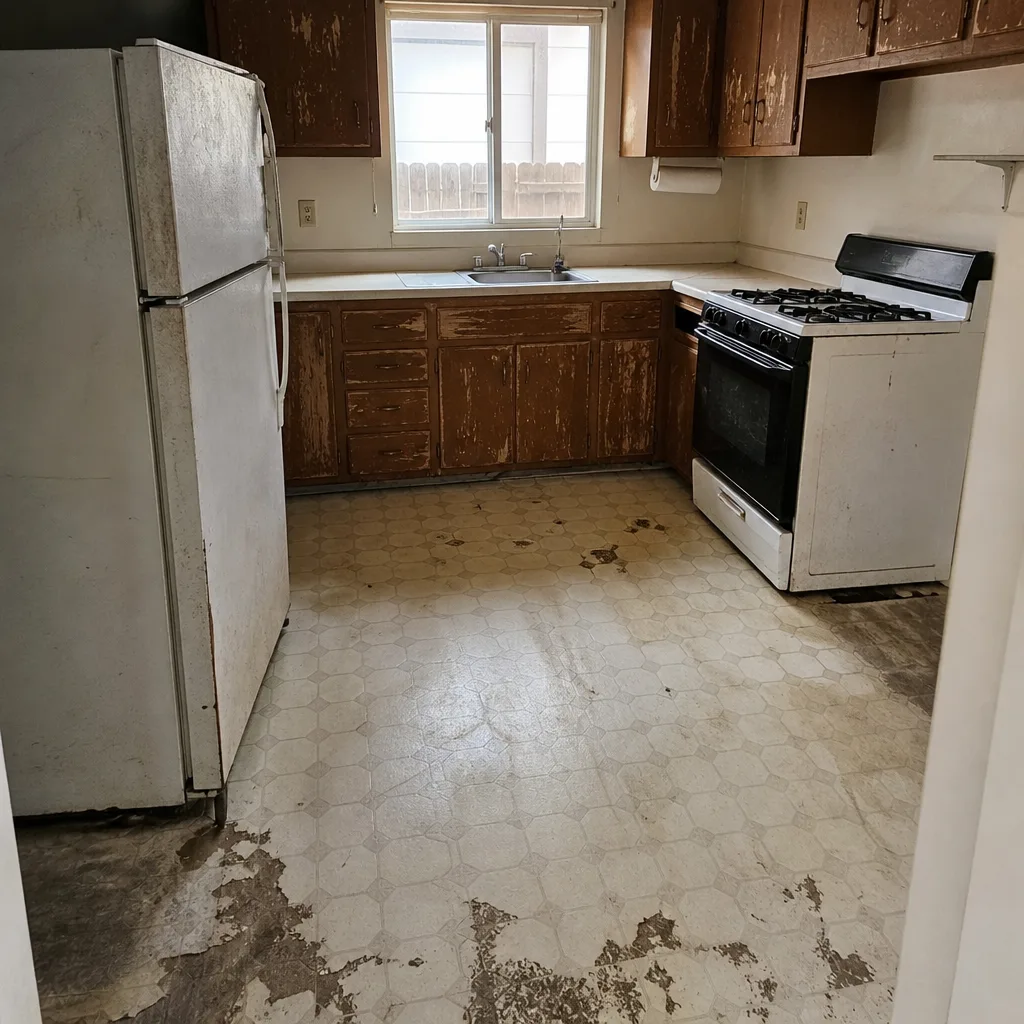 Before
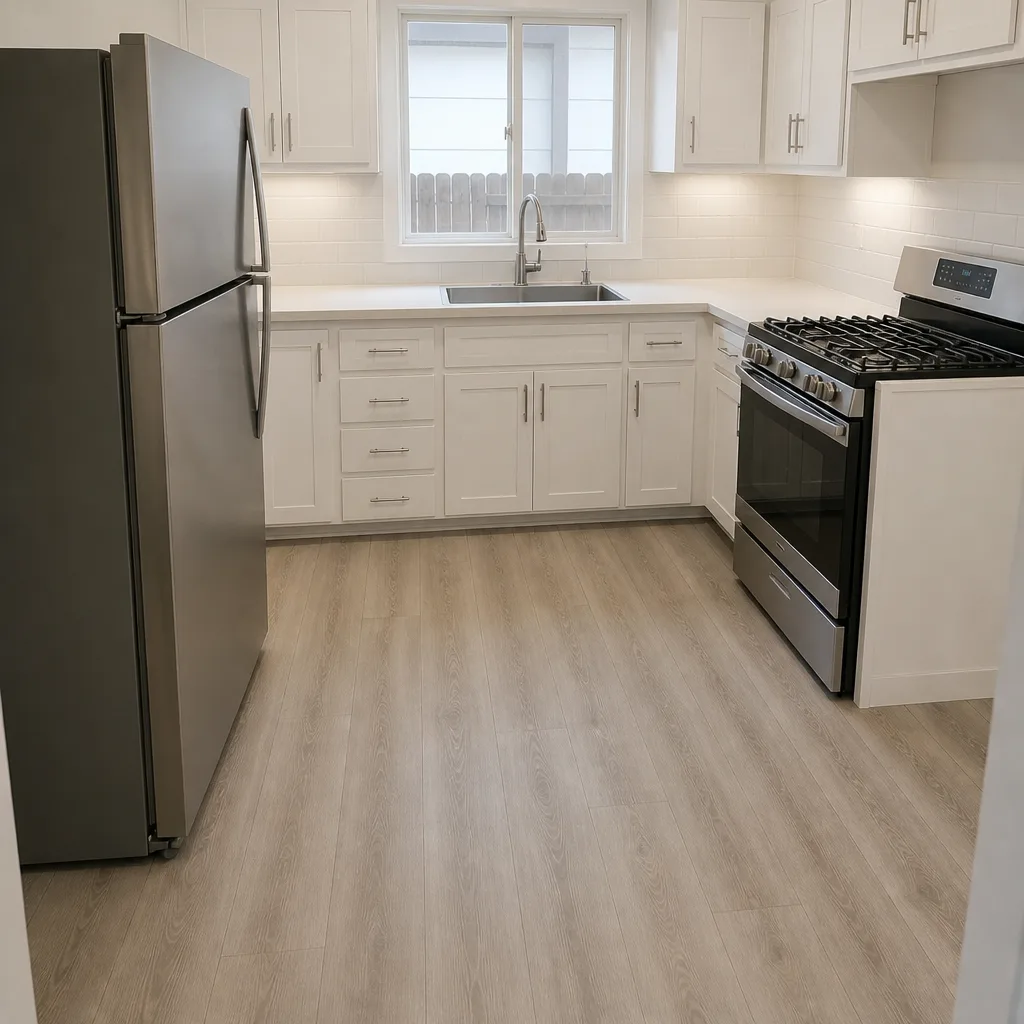 After
DIY or Call Us?
Some of this is genuinely owner-work. You can safely check paint condition, probe for soft spots at the bottom edge of a siding lap with an awl, look for cracks radiating from fasteners, and photograph the joints. Do that before you call anyone, because it makes the estimate sharper.
Where DIY goes wrong is at the substrate. Pulling tile off HardieBacker to “see what’s behind it” usually damages the board and the waterproofing layer under it, and once that membrane is compromised the wall has to come back to studs. Cutting and fitting a new fiber cement panel into an existing run looks simple until the texture, thickness and edge profile don’t match what’s on either side, and you’re left with a patch that reads as a patch. And anything involving the wall assembly, flashing or a wet-zone waterproofing layer is where a weekend project turns into a five-figure repair. Call (833) 842-1866 and we’ll tell you what we found and what it means.
FAQs
The substrate itself holds up for decades in Santa Rosa’s climate, but the factory paint finish typically wants recoating well before that, and the coastal-influenced moisture here means bottom edges and trim joints are the first places to fail. The board is rarely the problem; the detailing around it is. Call (833) 842-1866 for an exact quote on repair or replacement, and the estimate is free.
Often yes. Chalked or peeling paint is a prep-and-recoat job, not a replacement. A single cracked board can usually be cut out and patched if the surrounding run is sound and the texture can be matched. But once the board is swelling at the edge or the substrate behind tile has gone soft, replacement is the cheaper path in the long run, and we’ll say so directly.
A backsplash removal and re-tile with new substrate is typically a few days; a full kitchen remodel runs several weeks depending on cabinet lead times and whether the electrical and plumbing have to move. We’ll put the schedule in the written scope before work starts, so the timeline isn’t a verbal promise. Call (833) 842-1866 to schedule your free estimate.
We identify the exact James Hardie line and thickness from the board’s stamp and measurements, then order the matched product through our supplier network, which covers fifty-plus vetted material brands alongside James Hardie. Where an OEM match isn’t available for a discontinued run, we’ll tell you before we order and lay out the aftermarket options and what they mean for the finished wall. We also work with KraftMaid, Cambria and Silestone when the kitchen project goes beyond the fiber cement scope.
Get Your Written Price
Kitchen work in Santa Rosa doesn’t get cheaper by waiting, and a failing substrate behind a backsplash or a siding panel that’s taking on water only spreads. Call (833) 842-1866 for a free estimate. You’ll get a flat written price with a written scope before anyone picks up a tool, a documented photo record of what we found, and the 365-Day Done Right Promise behind the work. Bring a competitor’s written quote and we’ll review it line by line at no charge.
Written by the team at Rowan Construction Group Santa Rosa, serving Santa Rosa and nearby areas.