
Free written scope consultation - allowances, timeline, and change-order rules on paper before a single trade is scheduled
James Hardie Home Additions & ADU: The Santa Rosa Owner’s Guide
If you’re planning a James Hardie-clad addition or ADU in Santa Rosa, expect to pay $45,000 – $130,000 for a home addition and $90,000 – $220,000 for a detached ADU, with the fiber cement siding package itself typically running $9 – $16 per square foot installed. We install James Hardie on additions and ADUs across Sonoma County, and we quote a flat written price before anyone touches your property. Rowan Construction Group Santa Rosa is an independent contractor and is not affiliated with James Hardie.
Most owners discover a siding problem on an addition the same way: a hairline crack appears at a butt joint after a wet winter, or a south-facing wall starts to chalk and the paint no longer holds. Santa Rosa’s swings between soaking atmospheric-river rain and dry 100-degree summers are hard on any cladding, and fiber cement is no exception when it’s installed with the wrong fasteners or flashing.
Key takeaways:
- James Hardie siding on an ADU or addition in Santa Rosa typically runs $9 – $16 per square foot for the cladding package, with full project pricing driven by foundation, framing, and roof.
- The fiber cement itself rarely fails – most failures trace to installation details (fasteners, flashing, caulk joints, paint schedule).
- Fiber cement installed in California’s interior climate often needs repainting every 8 – 12 years under James Hardie’s own finish guidance, not the “25 years” some homeowners assume.
- We quote a flat written price, give you a documented photo record, and back the work with the 365-Day Done Right Promise.
Which James Hardie Models This Applies To
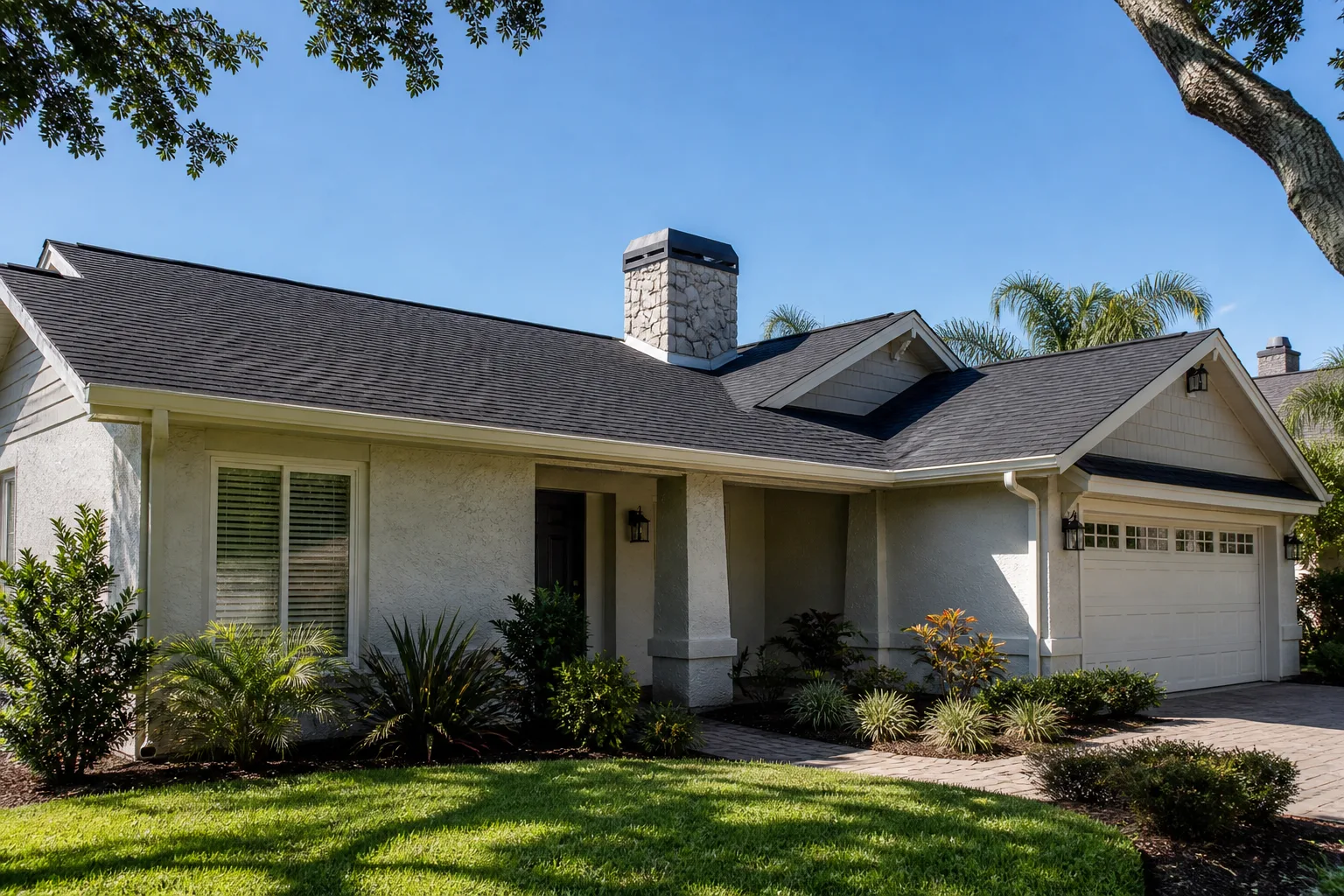
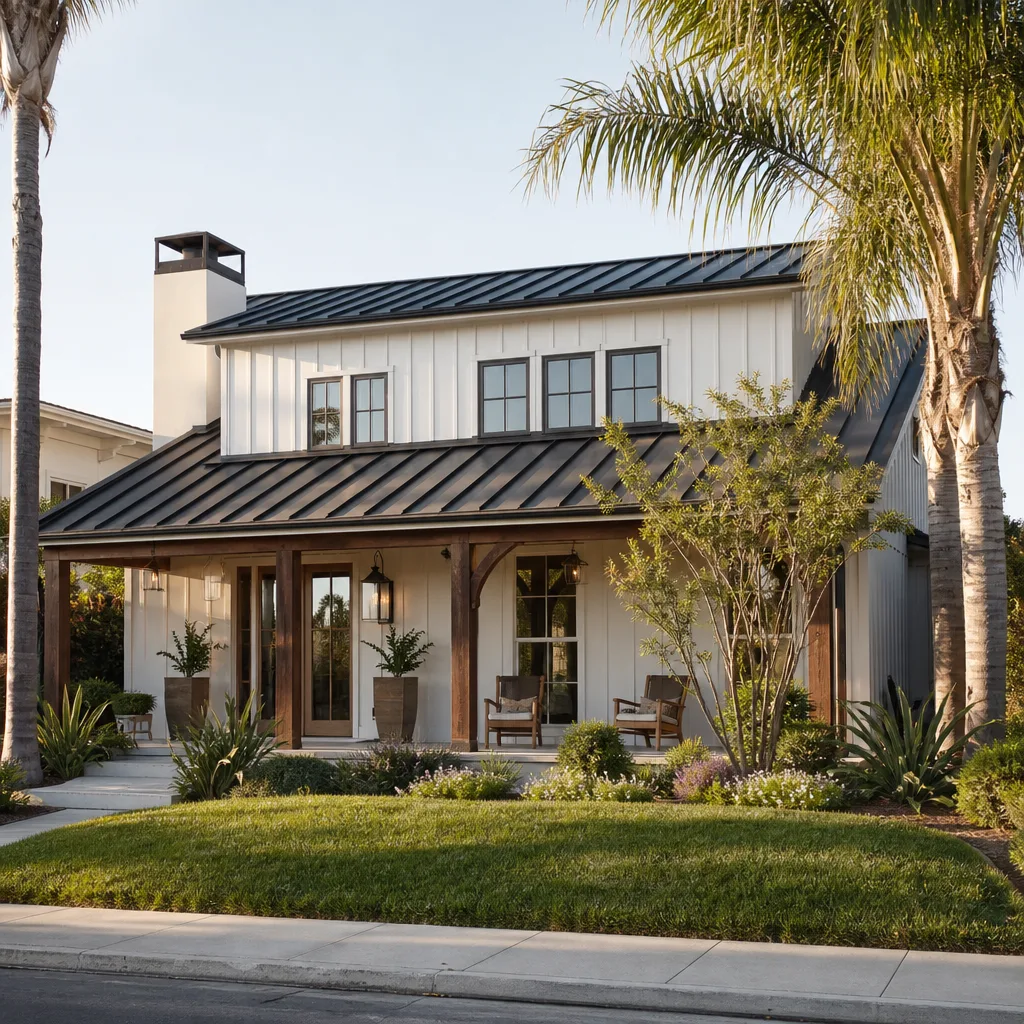
James Hardie doesn’t sell “an addition” – it sells cladding products that go onto the addition you’re building. The three product families you’ll see on residential additions and ADUs in Santa Rosa are HardiePlank lap siding (the classic horizontal boards, most common), HardiePanel vertical siding (for gable ends and contemporary ADU designs), and HardieShingle (for Craftsman and bungalow styles common in the older Santa Rosa neighborhoods). Each comes in specific thicknesses – typically 5/16 inch for lap and shingle, 7/16 inch for panel – and those thicknesses dictate the fastener schedule and trim compatibility.
Identify what you have by checking the back of any removed board, where James Hardie stamps product info, or by measuring board width and thickness with a tape. HardiePlank lap siding is sold in 5.25-, 6.25-, 7.25-, and 8.25-inch widths. If you’re matching siding on a new addition to an existing wall, that width match matters more than color, because color can be matched but a 6.25-inch board next to a 7.25-inch board will read as wrong from the sidewalk.
OEM vs. aftermarket here: the siding product itself should be genuine James Hardie – the brand has specific fiber-cement formulation and warranty terms, and generic fiber cement from a lumber-recycler is not a like-for-like swap. Trim accessories (corner boards, fascia) can often be non-James Hardie, but we spec them alongside to keep the fastener pattern and expansion gaps correct. Fasteners, flashing, and caulk are where aftermarket is fine – and where the actual longevity of the wall is decided.
Styles & brands we work with
- Kitchen remodeling
- Bathroom remodeling
- Home additions & ADU
- Roofing
- Windows & doors
- Driveway & pavers
- Fence
Signs Your James Hardie Home Additions & ADU Is Failing
James Hardie cladding on an addition in Santa Rosa fails in patterns. Most of them trace to the install, not the factory.
- Hairline cracks at butt joints. Fiber cement expands and contracts with moisture and heat; if boards were butted tight without the manufacturer’s recommended gap and caulk, the joint cracks within a couple of seasons. Santa Rosa’s wet-dry rhythm accelerates this.
- Chalking and paint failure on south-facing walls. UV is unforgiving on that side of a building. If the paint is over 8 years old and starting to powder, the board isn’t failing – the coating is – but leaving it too long means moisture gets in.
- Rust streaks below fasteners. This is a fastener problem, not a siding problem. If the installer used galvanized roofing nails on coastal or inland-empire exposure, the fasteners corrode before the fiber cement does, and the streaks are your only warning.
- Soft spots or delamination at the bottom course. Fiber cement handles moisture well, but if the base flashing or weep screed on the addition was wrong, water wicks up the bottom board and the board delaminates from the inside out.
- Gaps at corners and window trim. Caulk joints fail faster than siding. If the caulk at a window casing or inside corner has pulled away, it needs to be cut out and recaulked with the manufacturer’s recommended sealant before the next rain.
See the difference
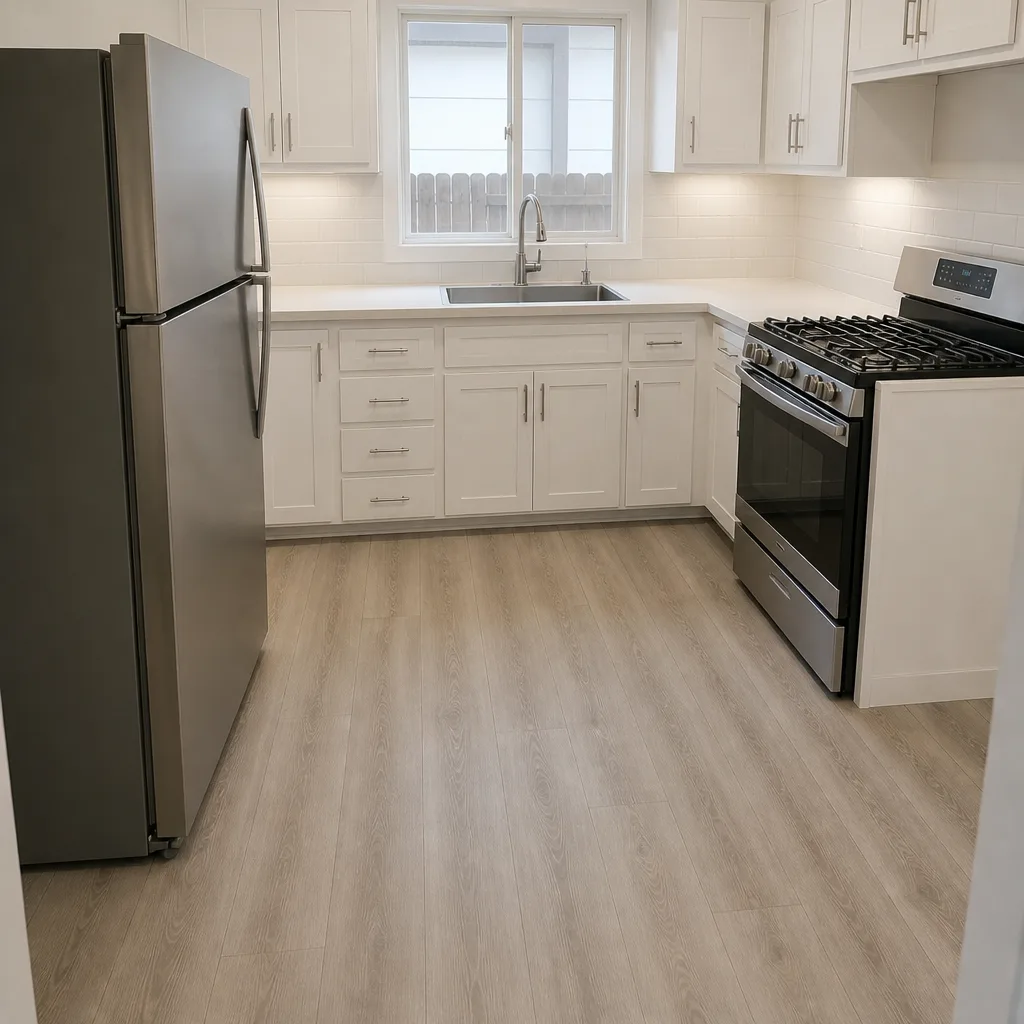
 Before
 After
 Before
 After
 Before
 After
Replacement Cost & What’s Included
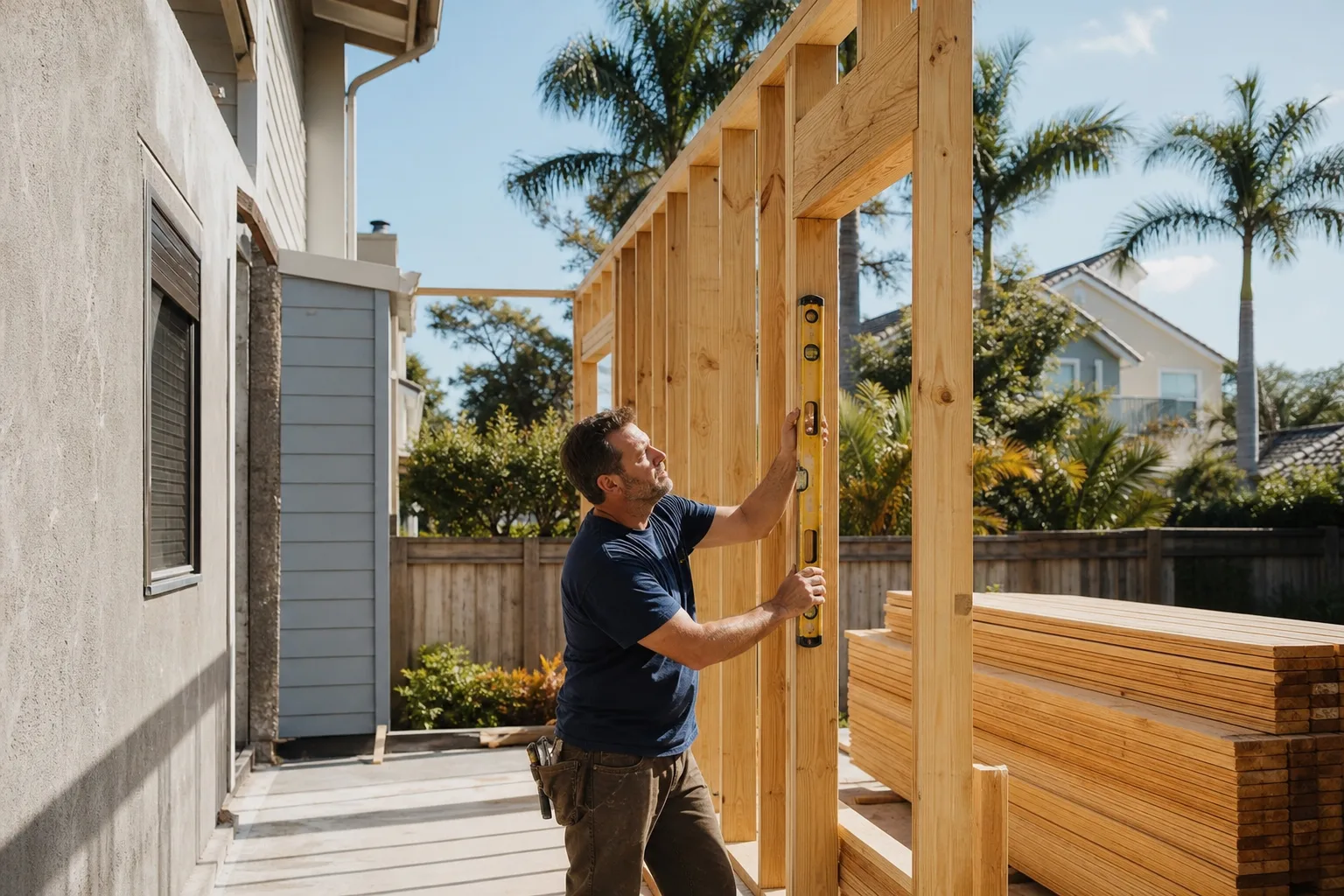
What you actually pay depends on scope, but here’s what a Santa Rosa owner should see on paper before signing anything:
| Scope | Typical range (Santa Rosa) |
|---|---|
| Home addition (full, including James Hardie siding) | $45,000 – $130,000 |
| ADU construction (detached, including siding) | $90,000 – $220,000 |
| Garage conversion (with new siding on any new walls) | $30,000 – $80,000 |
| James Hardie siding package only, per sq ft | $9 – $16 installed |
The wide range on additions and ADUs is driven by four things: foundation type (slab vs. crawl vs. pier), framing complexity, roofing material and pitch, and whether the addition requires its own utility trenching. The siding portion of a $45,000 – $130,000 addition is typically 15 – 25% of the total budget. Every quote we write is line-itemed – framing, foundation, siding, roofing, windows, electrical – so you can compare the line that matters next to a competing bid. Under Clause 1 of the Haven Standard, no work starts until the price is signed. The 365-Day Done Right Promise covers the workmanship.
On the siding specifically: we don’t carry James Hardie stock on a truck. We source it per project from suppliers who can match your existing width and thickness so the addition reads as part of the original house, not an obvious bolt-on. We also work with KraftMaid, Cambria, and Silestone on the interior side of an addition or ADU.
DIY or Call Us?
What a homeowner can safely do: check the bottom course of siding on your addition for softness, take a photo of the fastener heads to spot rust, and run a straightedge along a long wall to see if it’s holding true. Those are diagnostics, not repairs.
What you shouldn’t do yourself: jacking or cutting siding on a wall that has a live electrical run behind it, or working on the exterior of an ADU where a fall from ladder height on a Santa Rosa hillside property is a real risk. And even a “simple” siding repair isn’t simple – matching James Hardie lap widths, pulling the correct fasteners, cutting caulk joints, and reinstalling with the right flashing on a wall above sloped ground is a half-day job done right, and a multi-year problem done wrong. Fiber cement dust also contains crystalline silica; breathing it without a respirator on a full-wall job is a genuine health hazard, not a scare tactic.
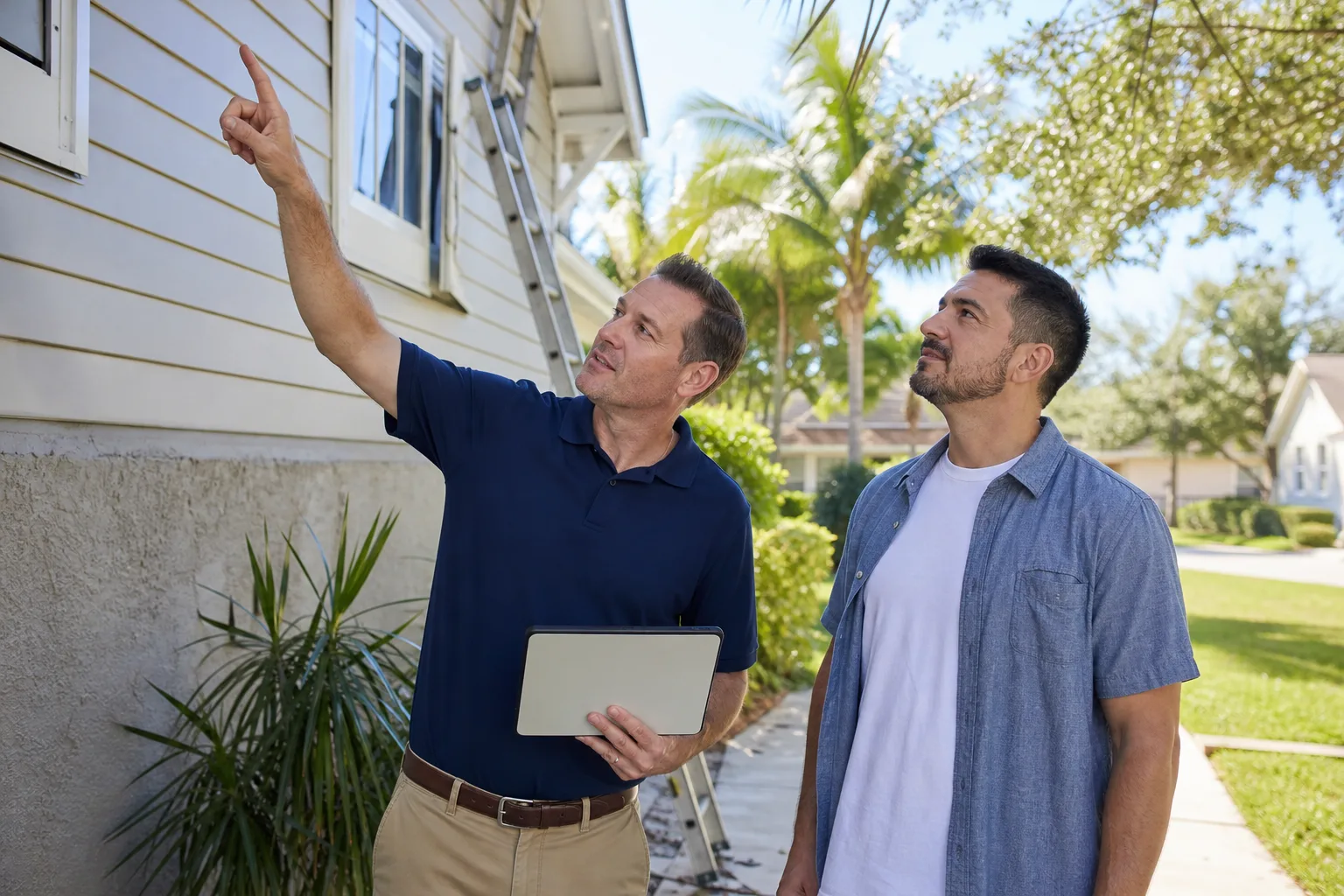
If you’re unsure whether your James Hardie siding needs a repair or a full re-clad on an existing addition, call (833) 842-1866. We’ll send a background-checked, uniformed technician, photograph what we find, and write you a flat price before anything starts.
FAQs
James Hardie fiber cement siding typically lasts 30 – 50 years on the wall in interior Northern California conditions, but “last” means the board itself, not the paint or the caulk. In Santa Rosa’s wet-winter, dry-summer pattern, expect to repaint every 8 – 12 years and re-caulk joints every 6 – 8 years – those cycles are what determine whether the board actually reaches 30 years or gets compromised at year 15. Call (833) 842-1866 for an inspection before you commit to a repaint.
Often yes. If the failure is isolated to a few boards, a specific wall, or a caulk joint, repair is the right call and much cheaper than a re-clad. Full re-clad is only warranted when failure is widespread (multiple walls, soft spots across the bottom courses) or the underlying sheathing has moisture damage. We photograph what we find and tell you plainly which case you’re in – we’re not going to quote a full re-clad on a wall that needs four boards. Call (833) 842-1866 for a free second opinion if you already have a competing quote.
A targeted siding repair on an addition typically takes one day on site. A full re-clad of one wall of a single-story addition is 2 – 3 days. Full-house James Hardie installation on a new addition is scheduled by the build, not standalone – it follows the framing and wraps before windows and trim go in. Scheduling is by project, not “same day” – nobody re-clads a wall in a single morning and gets the flashing right. Call (833) 842-1866 to schedule the estimate and get a real timeline for your scope.
We don’t stock siding on trucks – we source per project from suppliers who can match the exact product line (HardiePlank, HardiePanel, HardieShingle), board width, and thickness of what’s already on your house, so the new work reads as continuous. If your existing siding is a discontinued profile, we’ll say so on the quote and show you the closest current match rather than quietly swapping in something that doesn’t line up. Call (833) 842-1866 and we’ll walk you through what’s available.
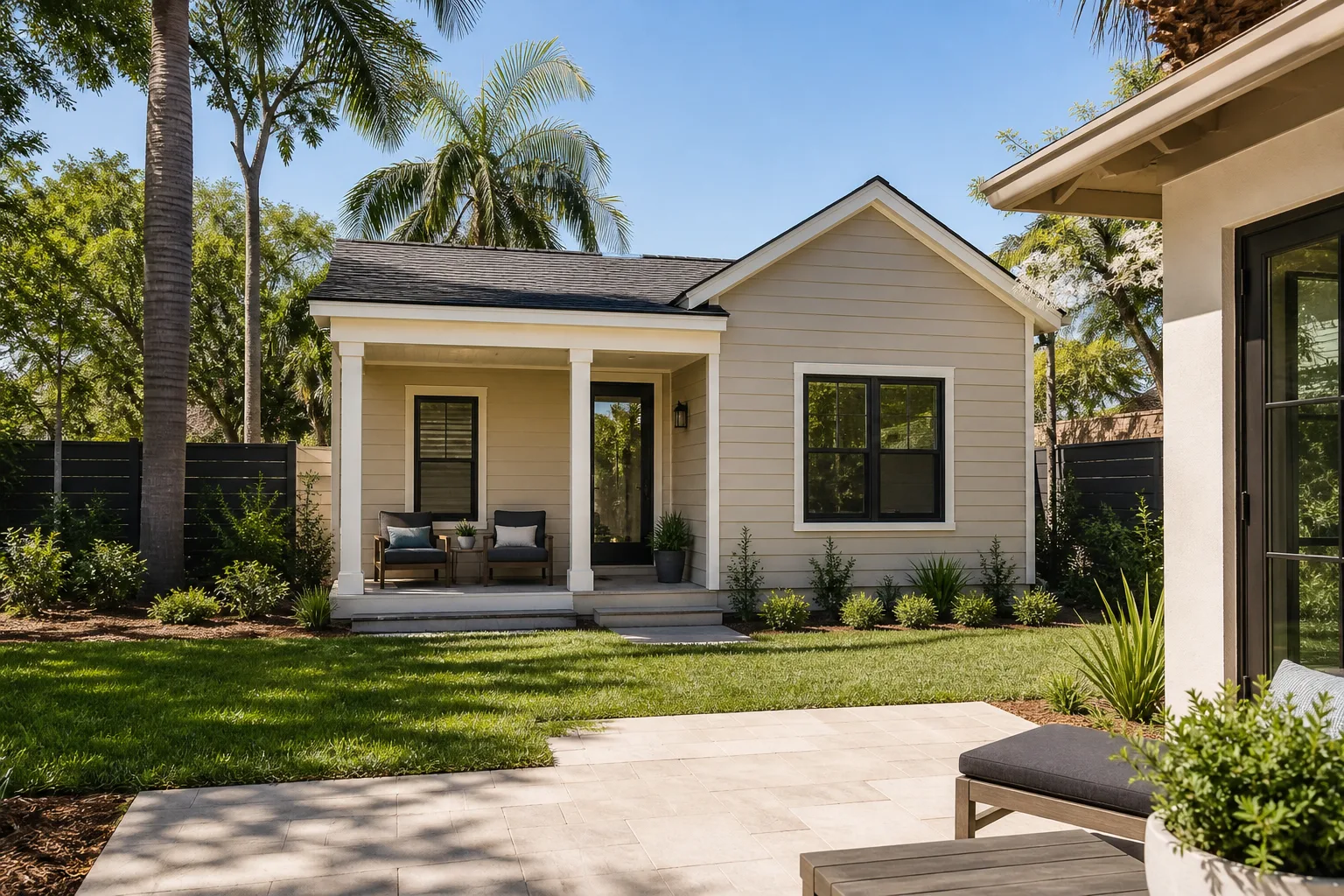
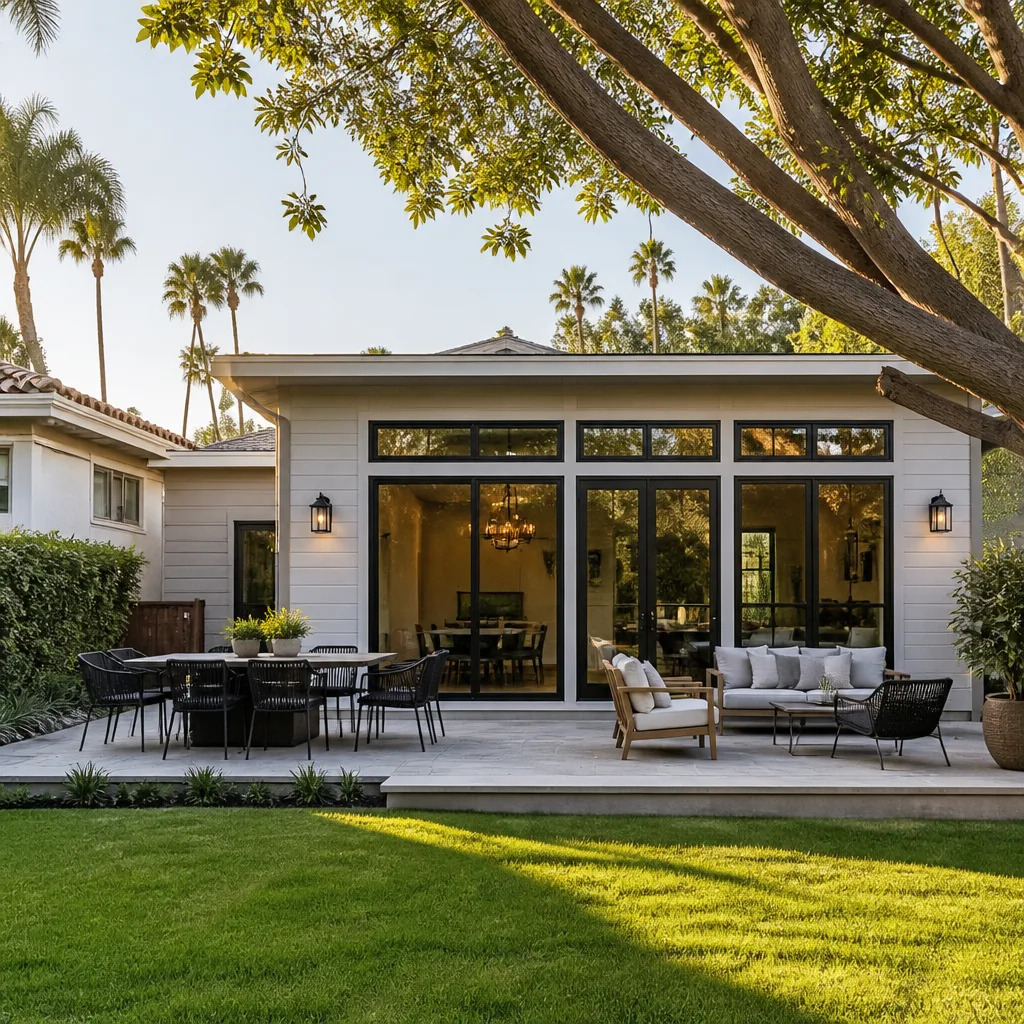
Whether you’re adding a 400-square-foot primary suite with James Hardie siding on the exposed walls or building a detached ADU in the back of a Bennett Valley lot, the number in writing is the first thing you should see. Call Rowan Construction Group Santa Rosa at (833) 842-1866 to schedule your free estimate – we’ll bring a photo record back to you with the quote, and the 365-Day Done Right Promise is printed on the paperwork, not the marketing.
Written by the team at Rowan Construction Group Santa Rosa, serving Santa Rosa and nearby areas.