





Free written scope consultation - allowances, timeline, and change-order rules on paper before a single trade is scheduled
Schluter Roofing: The Santa Rosa Owner’s Guide
Schluter isn’t a roofing brand in the way most Santa Rosa homeowners picture one, and that’s the first thing worth clearing up. Schluter Systems is a German company known for tile and stone installation systems, and its roofing-adjacent products are primarily its KERDI waterproofing line and DITRA uncoupling membrane, which show up under tile roofs, on tile balconies and roof decks, and around roof-to-wall junctions. So when we get a call about “Schluter roofing” in Santa Rosa, it’s almost always a tile roof or roof deck where the membrane underneath has failed, or where someone is planning a tile re-roof and needs the waterproofing layer specified correctly.
Owners usually discover the problem the same way: a stain appears on a ceiling below a tile deck or low-slope tile section, or a tile crew lifts a few field tiles and finds the membrane underneath cracked or chalky. Santa Rosa’s dry summers and wet winters punish membranes that were left exposed or installed over a substrate that wasn’t ready.
We install and repair Schluter-compatible roofing assemblies across Santa Rosa. Roof repair runs $400 – $1,800, and full roof replacement runs $8,000 – $20,000; tile work with a proper membrane system typically lands in the upper half of the replacement range because the waterproofing layer adds time and material. A written price comes before any work starts.
Which Schluter Models This Applies To
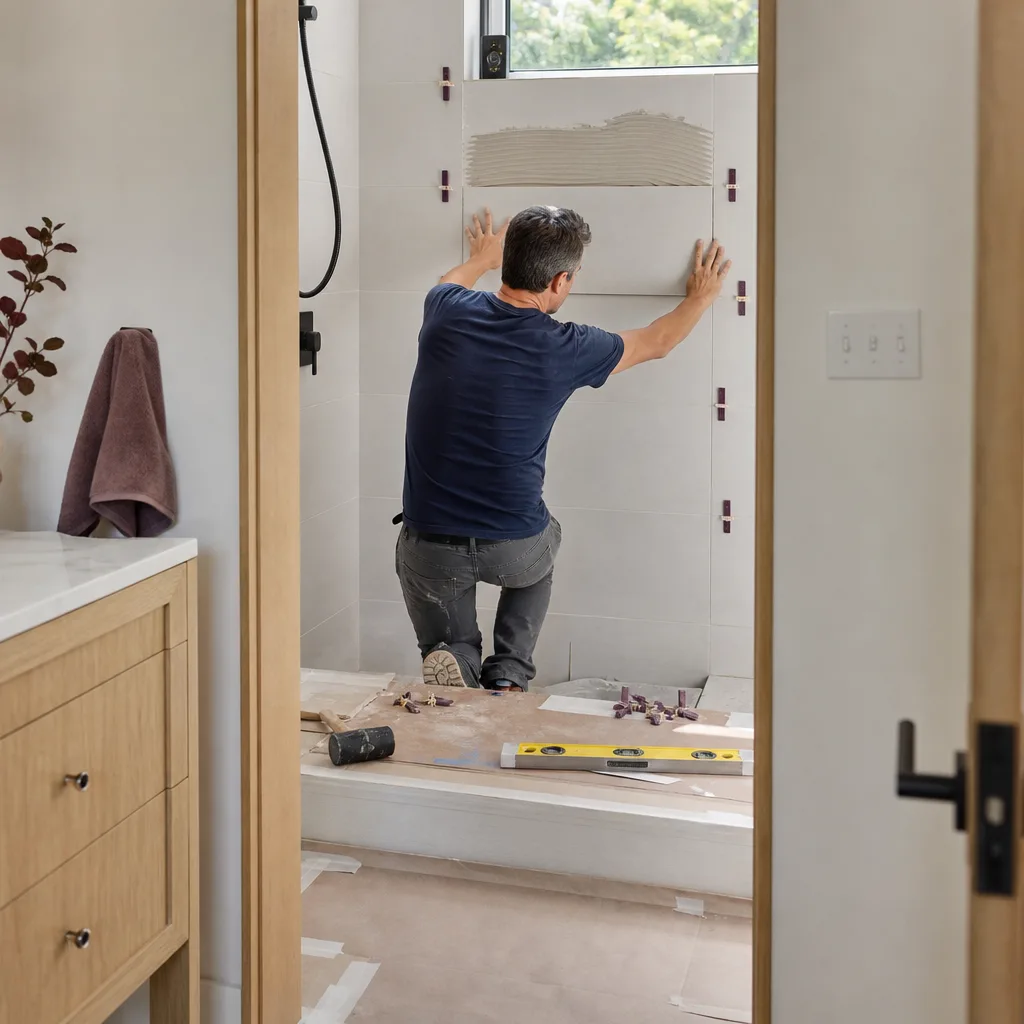
Schluter’s tile systems for roofs and roof decks fall into two families you’ll actually encounter on a Santa Rosa house. The first is DITRA and DITRA-XL, an uncoupling and waterproofing membrane with a dovetail grid that bonds to thin-set and separates the tile from the substrate, so movement in the framing doesn’t telegraph into the tile. The second is KERDI and KERDI-BAND, a sheet waterproofing membrane and banding used at seams, corners and penetrations where water is most likely to get in. There’s also KERDI-LINE for linear drainage, which is more common on roof decks than people expect.
Identifying the right part starts with the roll label or the printed backing. DITRA and DITRA-XL share the same grid; the difference is thickness, and mixing them on one field creates a height mismatch at the boundary that a tile setter will feel. KERDI-BAND comes in rolls measured by width in inches, and the width has to match the joint you’re bridging or it won’t overlap far enough to qualify as waterproofing. If the label is gone, measure the membrane thickness in millimeters and the band width in inches, and photograph both against a tape measure; that’s enough for a supplier to match it.
On OEM versus aftermarket: for a membrane system, we specify the Schluter-branded component. The uncoupling and waterproofing depends on a tested bond between thin-set and fleece facing, and a generic membrane with a different fleece or a different grid pattern is an unknown quantity. For the metal trim, drain grates and edge profiles, an equivalent that matches the dimensions is fine. This is the same approach we take on our other brand lines like KraftMaid, Cambria and Silestone: the specified component goes where performance depends on it, and the mechanical hardware can be matched.
One compatibility detail people miss: DITRA over a wood-framed roof deck needs a deflecting substrate within the manufacturer’s limits, and Santa Rosa homes with older skip-sheathing or spaced-board decks frequently fall outside that. Checking the sheathing is part of our first visit, not an afterthought.
Styles & brands we work with
- Kitchen remodeling
- Bathroom remodeling
- Home additions & ADU
- Roofing
- Windows & doors
- Driveway & pavers
- Fence
Signs Your Schluter Roofing Is Failing
Here’s what actually goes wrong, and what it means underneath.
- Ceiling stains below a tile section. Water is reaching the interior past a seam, a corner, or a penetration where KERDI-BAND was omitted or didn’t overlap far enough. The membrane didn’t fail by itself; the detailing at the joint did.
- Hollow-sounding tile when you tap it. That’s bond failure between the tile and the thin-set above the uncoupling membrane. It can be caused by thin-set that skinned over during install or by the tile being set too late.
- Visible cracking along a grout line that keeps returning. This usually means the substrate moved and the uncoupling layer wasn’t doing its job, either because it was the wrong product for the assembly or because a bond broke.
- Loose tiles at the edge of a roof deck or balcony. Edges get more movement and more water than the field. If the perimeter banding wasn’t wrapped, water gets in at the most loaded point.
- Membrane visible and chalky under lifted tiles. UV exposure from summer sun breaks down the membrane’s surface. It happens when tiles come loose, and it means both the tile and the membrane need attention.
The pattern worth internalizing: on a Schluter tile assembly, the membrane rarely announces itself. The symptoms show up at the tile, in the ceiling, or at a grout line, and the membrane is what you find after you open it up.
See the difference
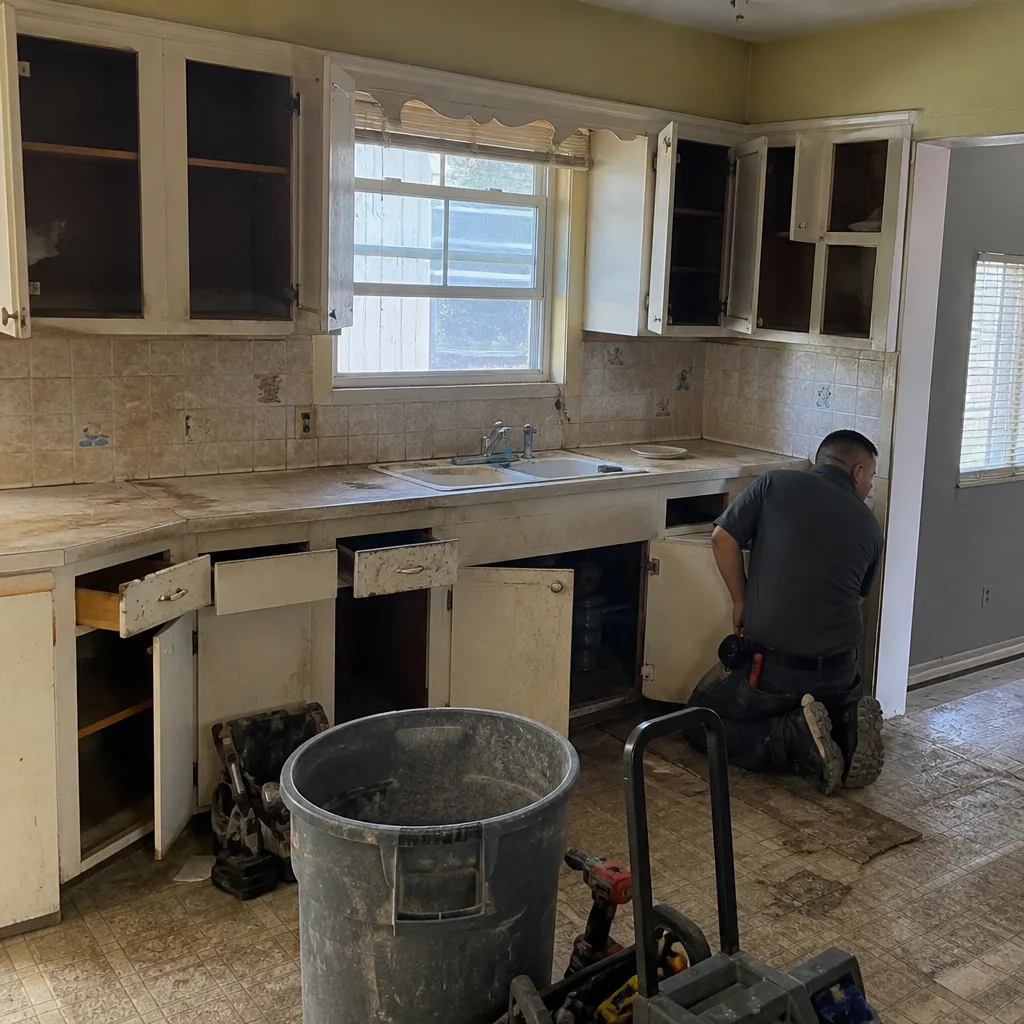 Before
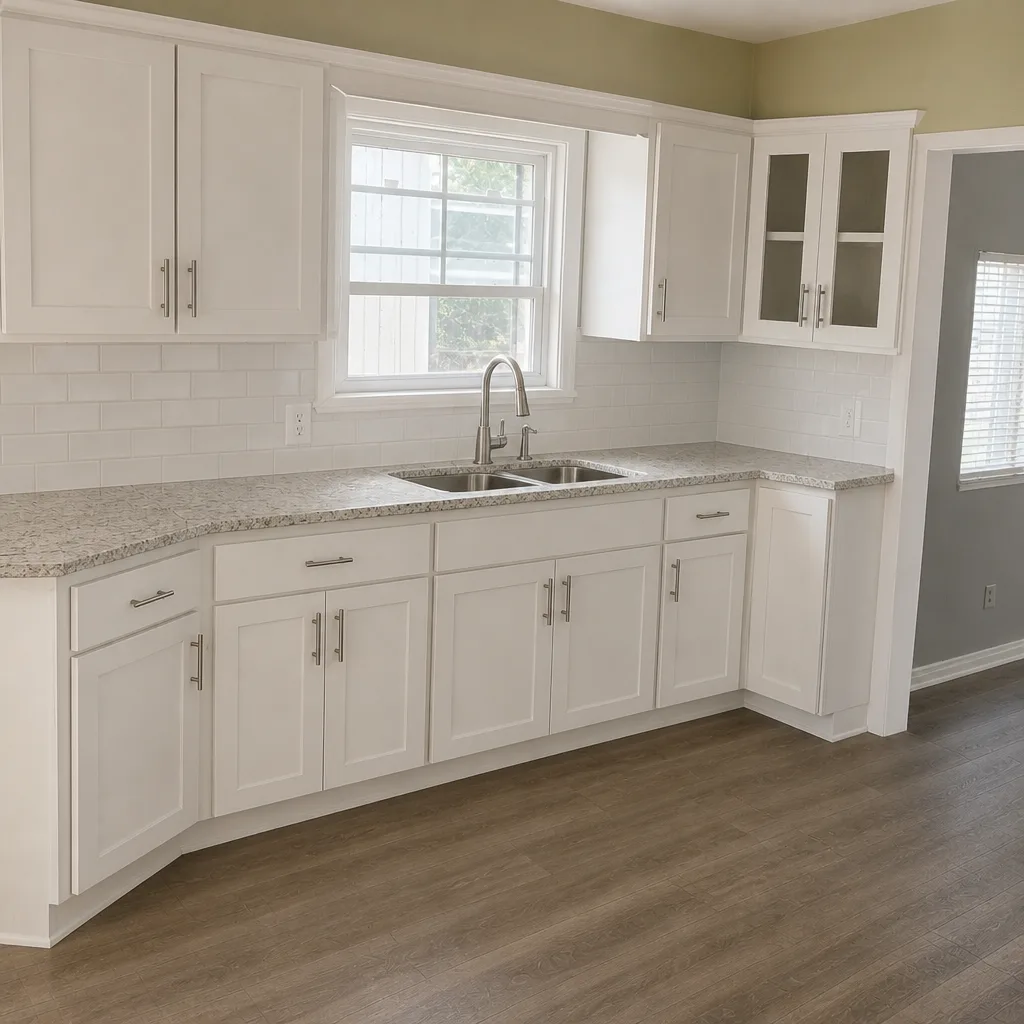 After
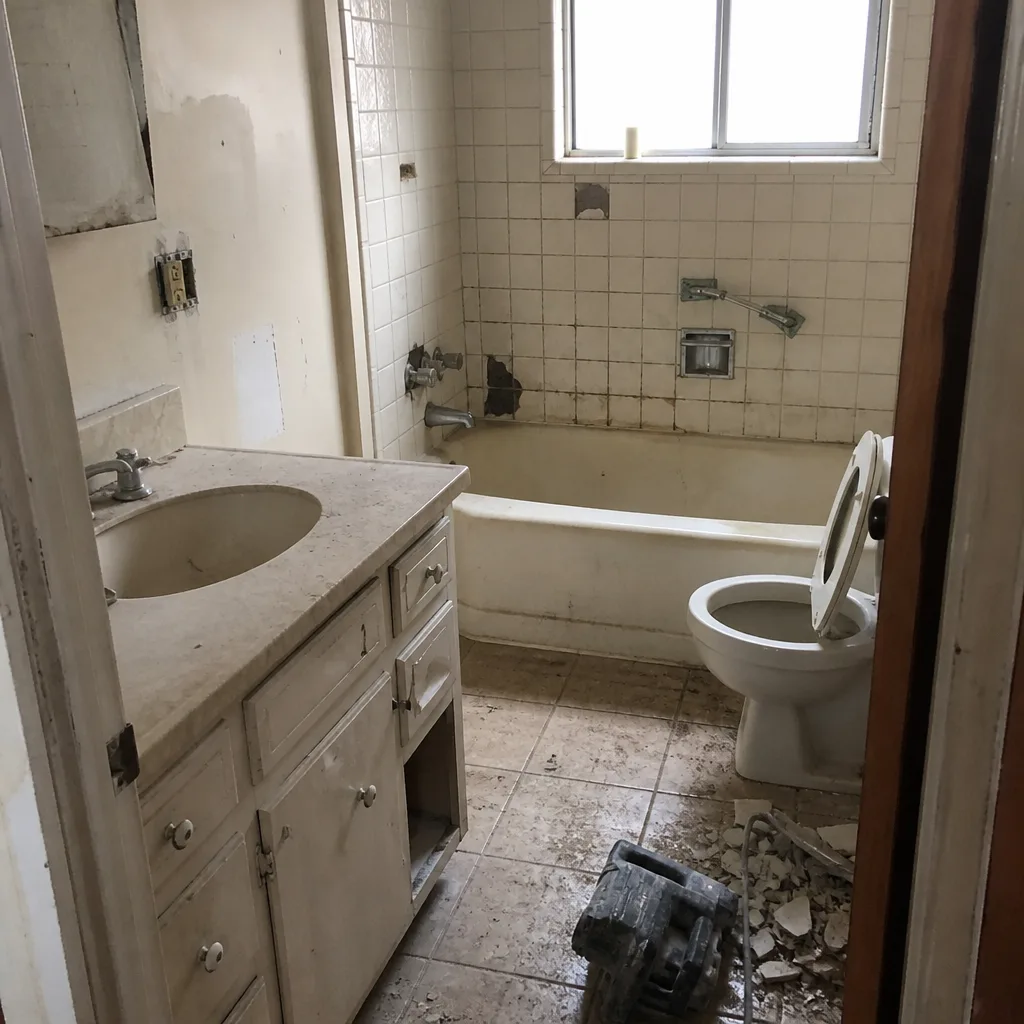 Before
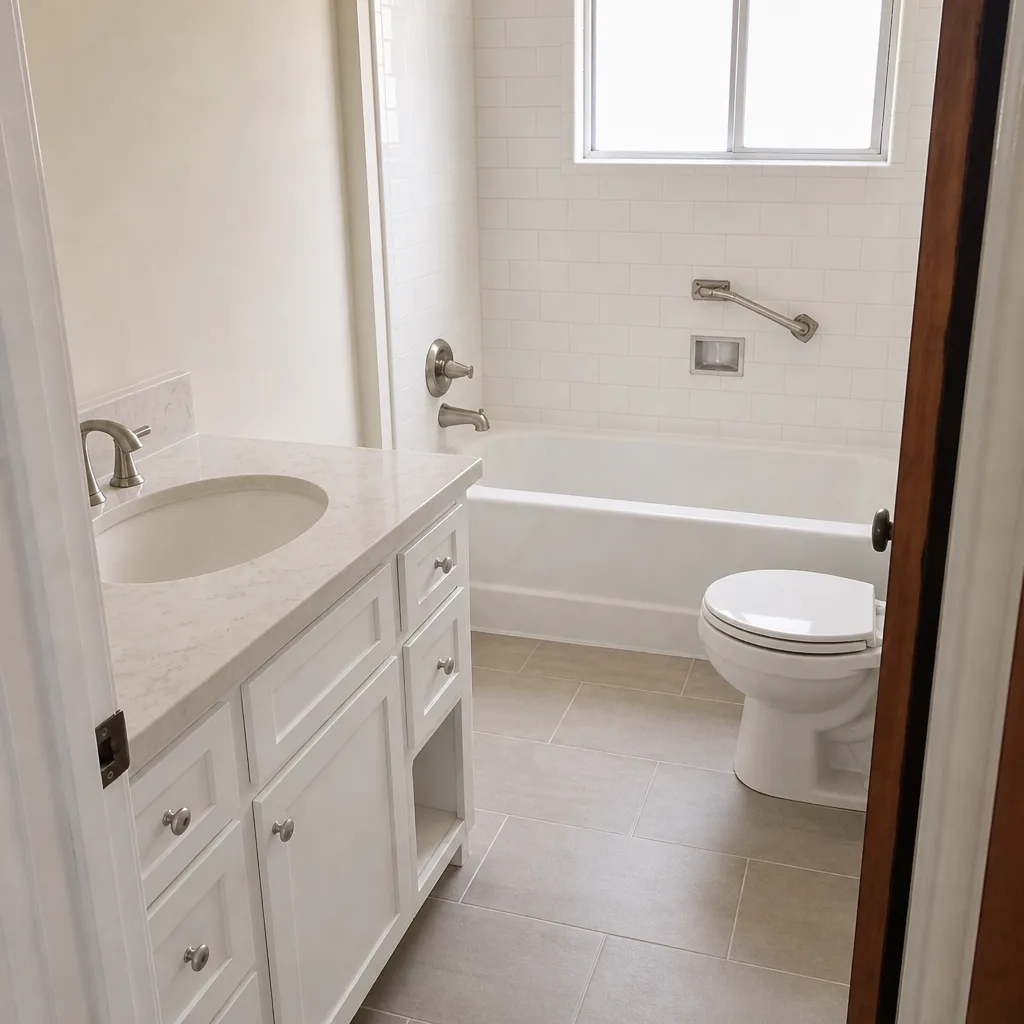 After
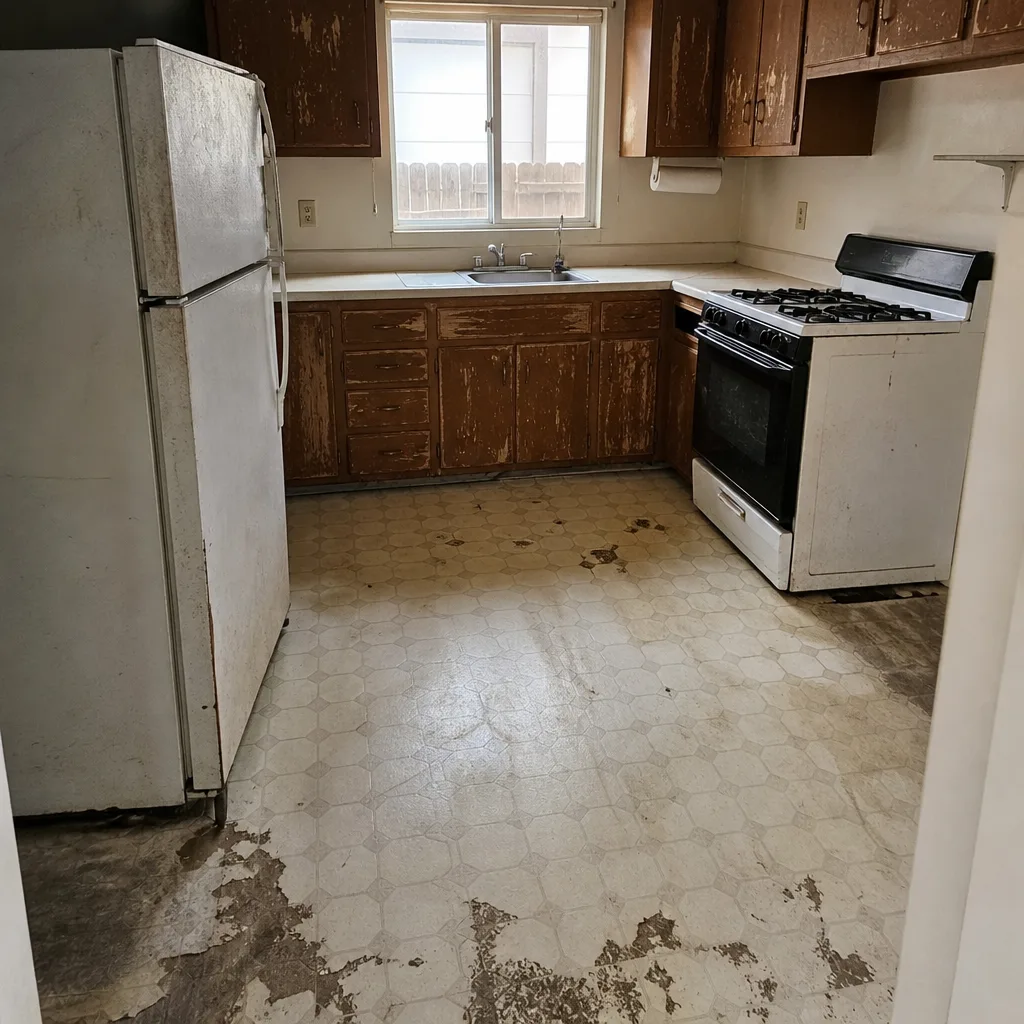 Before
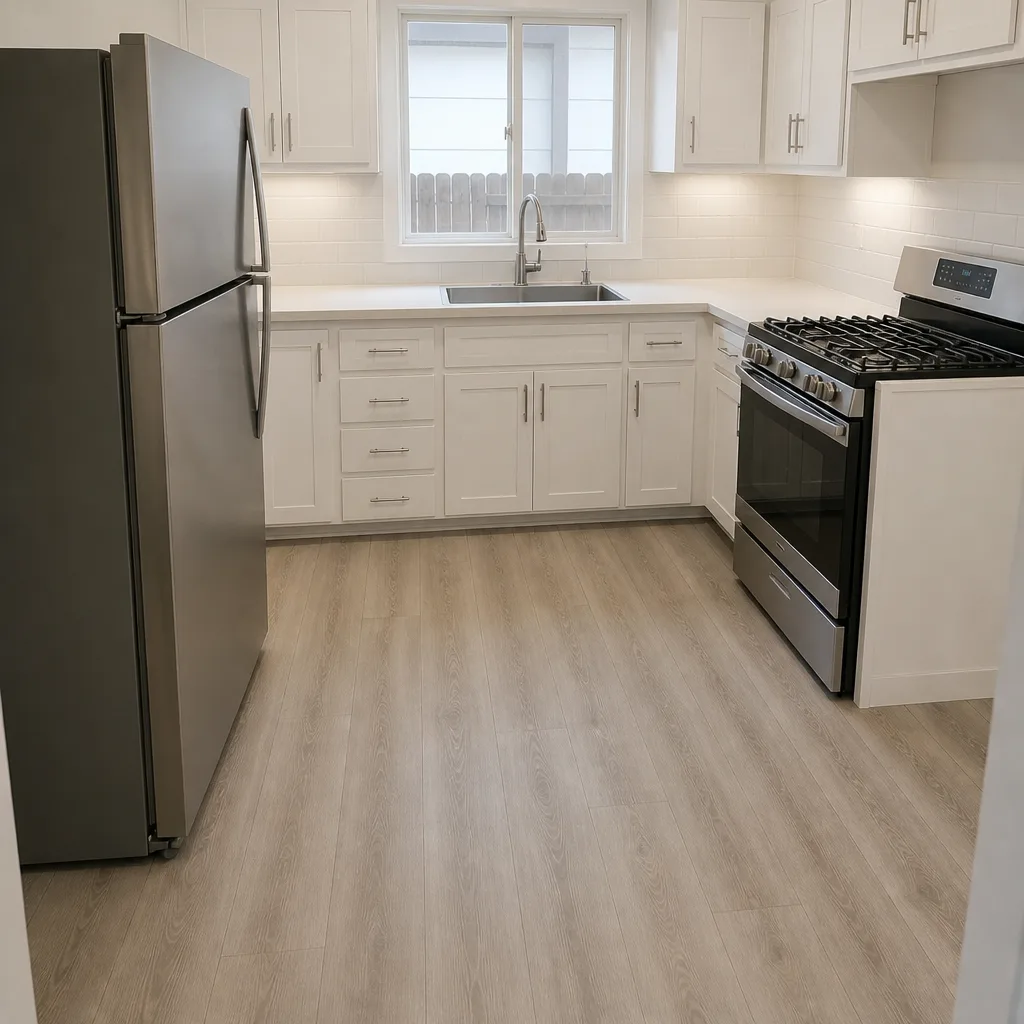 After
Replacement Cost & What’s Included

For Santa Rosa, here’s how the numbers break down.
| Scope | Typical range |
|---|---|
| Roof repair (localized membrane or tile failure) | $400 – $1,800 |
| Tile roof repair with membrane work | $600 – $2,500 |
| Full roof replacement, including a proper waterproofing layer over tile sections | $8,000 – $20,000 |
| Metal roof installation (where the owner is moving away from tile) | $15,000 – $40,000 |
What pins the number to one end or the other: roof size and pitch, how many layers have to come off, whether the sheathing can carry the new assembly, and how much area needs membrane or band work versus just tile. On a Santa Rosa roof with skip-sheathing, re-sheathing alone can move a job a meaningful step up the range.
The quote is a flat written price with a written scope and a written warranty. The price list separates the membrane system and tile from labor, so you can see what the parts cost versus what the install costs. If a condition turns up under the tiles that changes the scope, no work proceeds on it until a change order is signed. The 365-Day Done Right Promise covers the work.
DIY or Call Us?
There are things a homeowner can check without harm. Look at the underside of the roof deck from the attic for staining. Tap a few field tiles with a plastic screwdriver handle and listen for hollow spots. Photograph any visible membrane and measure it against a ruler. Those are the safe, useful checks.
What not to do: lift roof tiles, pull membrane, or step onto a pitched tile deck to “take a look.” Tile breaks under a foot, and worse, a roof deck over a failed waterproofing layer can look solid while it’s not. We’ve seen far too many owners end up with a larger repair after a solo inspection. Tearing into a membrane assembly is real work on a real roof, done once, done right.
What we’d rather you do: have us look. A documented photo record comes with every visit, so you have a clear record of what we found whether or not you hire us. If you already have a written estimate from another contractor, our Free Second Opinion will review it line by line at no charge. Call (833) 842-1866 for a free estimate and a written price before any work starts.
FAQs
The membrane and the tile both matter, and neither answer is a single number. Correctly installed DITRA or KERDI under proper tile, with detailing done right, is a long-lived system measured in decades; but exposed unaided to Santa Rosa’s UV load, a membrane that’s had tiles lifted will degrade in a couple of seasons. How long also depends on how well the details were done at seams and penetrations, which is usually where a system fails. If your assembly is 15 to 20 years old with no history, a professional look is worth the trip. Call (833) 842-1866 to schedule a free estimate.
Usually yes, if the failure is localized. A failed seam or corner where the banding didn’t overlap can be opened, cleaned, rebanded with the specified components, and closed, and the existing tile can go back if it’s intact. Repair runs $400 – $1,800 on a localized job and $600 – $2,500 when tile comes into play. What turns a repair into a replacement is the extent of the failure and the condition of the sheathing under it. We give you the repair number and the replacement number in the same written estimate, and you pick. Call (833) 842-1866 for an exact quote; estimates are free.
A localized membrane repair is typically a one-day job; a full replacement with a proper membrane assembly under tile is a multi-day project, and Santa Rosa weather windows are part of that calendar. Pitch, roof size, sheathing condition and how much detail work is needed all move the estimate. You get a written schedule with the written price, and you’ll know which days the crew is there. Call (833) 842-1866 to schedule your free estimate and get a real duration for your roof.
We source through suppliers who carry the actual Schluter line, not a lookalike, because on a membrane system the fleece facing and grid pattern are what make the system work. If the label is gone, we measure and photograph the membrane and band, confirm the assembly from what’s there, and match the specified component. For trim and hardware, an equivalent that meets the spec is fine. You get the part numbers itemized in the written scope so you can check them yourself. Call (833) 842-1866 for a free estimate.
Background-checked, uniformed technicians do the work, and our technicians have up to 19 years of experience across the assemblies we install. Someone answers the phone 24/7. Rowan Construction Group is an independent service provider and is not affiliated with Schluter Systems.
Call (833) 842-1866 for your free estimate. You’ll get a written price before any work starts, a written scope, and a documented photo record on every visit. If you’re comparing quotes, bring the other one and we’ll review it line by line at no charge.
Written by the team at Rowan Construction Group Santa Rosa, serving Santa Rosa and nearby areas.